Global brands consistently choose experienced hearing aid manufacturers because expertise, reliability, and technical sophistication drive competitive advantage in an increasingly demanding audiology market. When companies evaluate potential partners for hearing aid production, they prioritize manufacturers who demonstrate mastery of complex engineering, rigorous quality standards, and proven ability to deliver consistent results across diverse customer bases. An experienced hearing aid manufacturer brings not only production capacity but also accumulated knowledge, innovation capability, and the operational discipline required to meet global regulatory demands and end-user expectations.
The decision to partner with a specific hearing aid manufacturer reflects strategic business thinking beyond simple cost reduction. Global brands recognize that quality, innovation, and customer satisfaction depend fundamentally on manufacturing excellence, technical depth, and continuous improvement. Experienced manufacturers invest heavily in research, maintain superior hearing aid production quality standards, and integrate the latest hearing aid technology specifications into their product development cycles. This partnership approach generates stronger market positioning, higher customer retention, and sustainable revenue growth.
Technical Expertise and Innovation Capability
Advanced Hearing Aid Technology Specifications
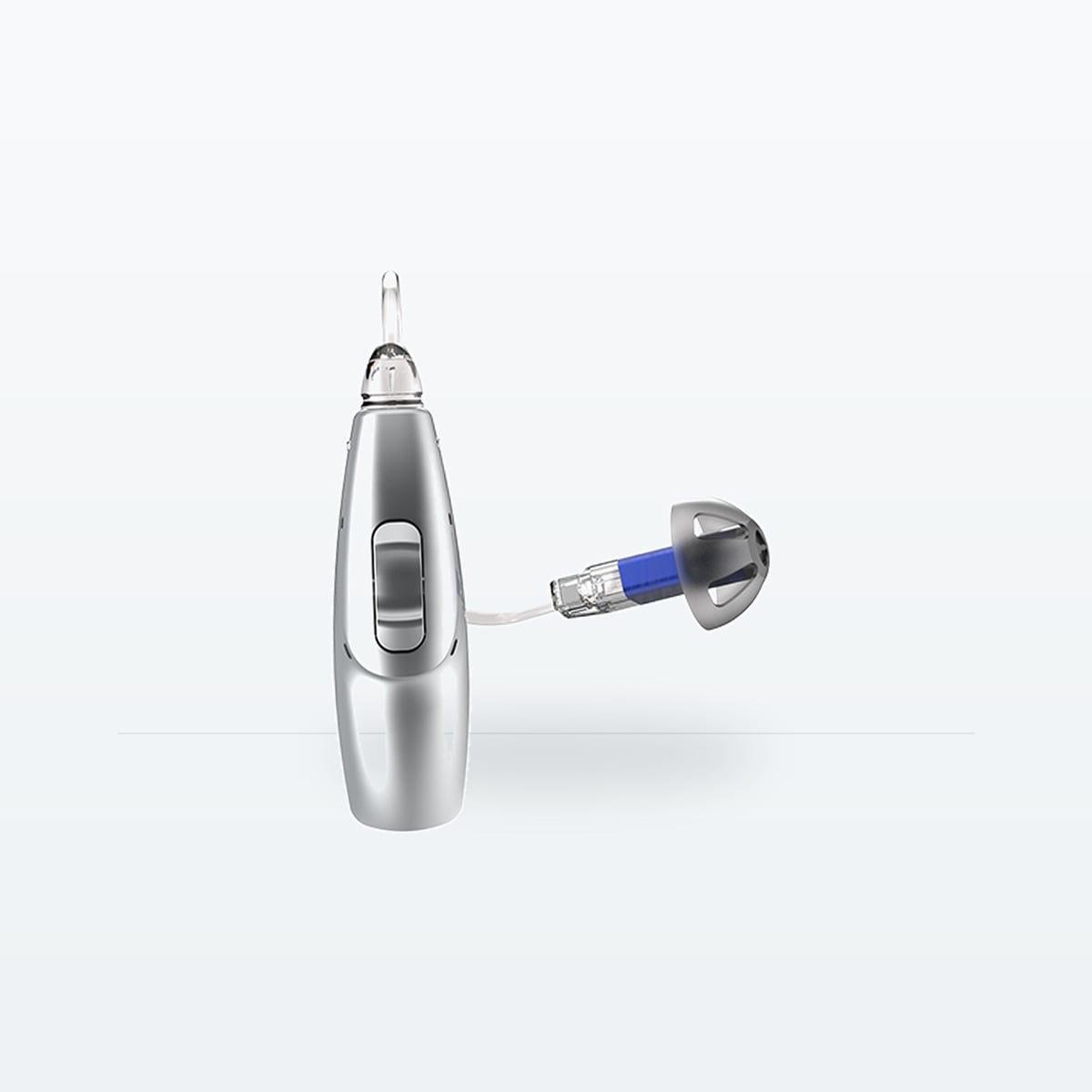
Leading hearing aid manufacturers embed cutting-edge hearing aid technology specifications directly into product design from inception. This includes advanced signal processing algorithms, noise reduction systems, directional microphone arrays, wireless connectivity standards, and battery optimization techniques. An experienced manufacturer maintains proprietary knowledge about acoustic performance optimization, real-world user scenarios, and clinician feedback integration. These capabilities allow manufacturers to deliver devices that address genuine hearing challenges rather than purely theoretical specifications.
Global brands benefit from this technical foundation because it translates into tangible performance advantages. When hearing aid technology specifications are optimized through years of field experience, end-users experience superior speech clarity, reduced feedback, improved comfort during extended wear, and more intuitive control interfaces. An experienced hearing aid manufacturer continuously validates specifications against real-world performance data, ensuring that technical claims match actual user outcomes. This commitment to practical excellence builds brand trust and differentiates products in competitive markets.
Research and Development Investment
Established hearing aid manufacturers maintain dedicated research teams that investigate emerging technologies, study patient outcomes, and anticipate future market demands. This ongoing innovation process generates proprietary improvements across hearing aid production quality standards and advanced features. Global brands leverage this R&D investment to stay ahead of competitor offerings without bearing the full cost of independent research infrastructure. Partnership with an experienced manufacturer provides access to innovation pipelines, accelerating time-to-market for enhanced products while reducing development risk.
Consistent Hearing Aid Production Quality Standards
Manufacturing Process Control and Compliance
An experienced hearing aid manufacturer operates under rigorous hearing aid production quality standards that exceed typical industrial requirements. These manufacturers implement ISO certifications, FDA compliance protocols, international audiology standards, and internal quality assurance systems that detect defects at multiple production stages. Quality control extends across component sourcing, assembly, testing, packaging, and distribution logistics. Global brands depend on this discipline to ensure that every unit reaching end-users meets performance specifications and safety requirements consistently.
Established manufacturers maintain comprehensive documentation, traceability systems, and recall procedures that satisfy regulatory bodies across multiple countries. This operational maturity protects brand reputation and reduces liability risk for partner companies. When hearing aid production quality standards are managed systematically, warranty costs decrease, customer satisfaction increases, and regulatory audits proceed smoothly. For global brands operating across different regional markets, partnering with a manufacturer already compliant with multiple standards significantly simplifies business operations and reduces compliance friction.
Supply Chain Stability and Scalability
Experienced hearing aid manufacturers maintain established supplier relationships, inventory management systems, and production flexibility to support varying demand patterns. Global brands require manufacturers who can scale production upward during market growth phases and maintain quality consistency during volume fluctuations. An experienced hearing aid manufacturer has already solved supply chain challenges that new entrants typically struggle with, including component availability, lead-time management, and cost optimization. This stability provides confidence that production commitments will be met and quality standards maintained regardless of market conditions.
Custom Hearing Aid Fitting Process and Customer Support
Precision Fitting Methodology
The custom hearing aid fitting process represents a critical touchpoint where manufacturer expertise directly influences end-user satisfaction and clinical outcomes. Experienced manufacturers develop standardized fitting protocols that incorporate patient assessment, device programming, real-world validation, and follow-up adjustments. This systematic approach ensures that devices deliver optimal sound quality tailored to individual hearing loss patterns and lifestyle requirements. Global brands recognize that superior fitting processes generate higher customer satisfaction scores, reduced return rates, and stronger brand loyalty.
An experienced hearing aid manufacturer provides comprehensive training, detailed fitting documentation, and ongoing support resources that empower dispensing clinicians to deliver consistent results. The custom hearing aid fitting process includes troubleshooting guidance, programming algorithm optimization, and adjustment protocols based on patient feedback. Manufacturers who invest in this support ecosystem enable their brand partners to deliver genuinely personalized patient experiences that simple products cannot replicate.
Clinical Support and Audiologist Engagement
Established manufacturers maintain relationships with audiologists, hearing instrument specialists, and clinical advisors who continuously refine product features and fitting procedures. This expert community provides valuable feedback about real-world performance, patient preferences, and emerging clinical needs. Global brands benefit from this network because it ensures that products remain clinically relevant and maintain strong professional endorsement. An experienced hearing aid manufacturer actively engages with the clinical community, sponsoring education programs, publishing research, and participating in professional conferences that elevate industry standards.
FAQ
What specific advantages does an experienced hearing aid manufacturer provide compared to newer entrants?
Experienced manufacturers bring proven manufacturing processes, established regulatory compliance, refined hearing aid technology specifications, robust supply chain relationships, and a track record of delivering consistent quality at scale. New manufacturers typically lack the operational infrastructure, regulatory clearances, and accumulated technical knowledge required to maintain hearing aid production quality standards reliably. Established manufacturers can also deliver new products faster because they possess existing manufacturing capabilities and clinical expertise rather than building everything from scratch.
How does the custom hearing aid fitting process differ between experienced and less experienced manufacturers?
Experienced manufacturers have refined the custom hearing aid fitting process through thousands of patient interactions, clinical studies, and real-world validation over many years. This refinement produces standardized protocols that consistently deliver superior acoustic outcomes and patient comfort. Less experienced manufacturers typically rely on simpler fitting algorithms and limited clinical support resources, which can result in suboptimal patient results and higher adjustment requirements. The depth of expertise in the custom hearing aid fitting process directly correlates with end-user satisfaction and clinical effectiveness.
Why are hearing aid production quality standards critical for global brand partnerships?
Global brands operate across multiple countries with varying regulatory requirements, quality expectations, and liability frameworks. Manufacturers who maintain rigorous hearing aid production quality standards across all production stages ensure consistent compliance, reduce warranty costs, minimize recall risk, and protect brand reputation. Inconsistent quality would damage brand credibility in multiple markets simultaneously, making a manufacturer's commitment to hearing aid production quality standards essential for sustained partnership success. Quality consistency also enables efficient scaling across geographic regions without requiring localized redesigns or process modifications.
 EN
EN