EN

Hearing Aid Fitting Software: PC-Based vs. App-Based Solutions
2026/11/11
Explore hearing aid fitting software. Compare PC fitting with app-based options, compatibility, professional workflows, plus distributor needs.
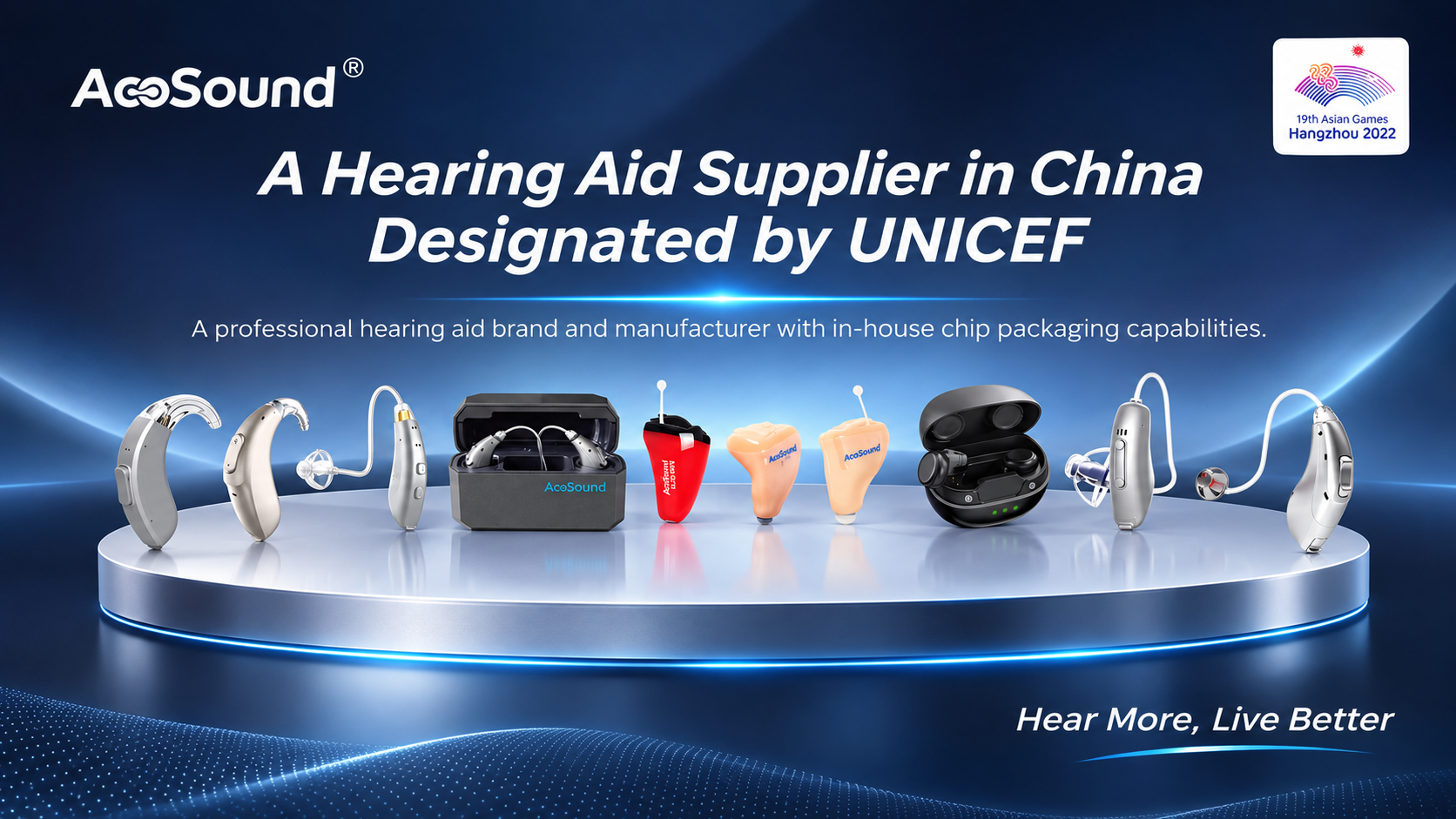
The hearing care industry is moving beyond traditional sound amplification. Today, distributors, hearing care professionals, and private-label brands are looking for practical solutions that improve fitting workflows, simplify device operation, and support better everyday experiences. This article explores how hearing aid technology can address these needs.
For a hearing aid manufacturer, innovation is not only about smaller designs or more digital channels. It is also about how devices are fitted, connected, and used in real listening environments.
At AcoSound, we focus on practical hearing aid technology across three areas: remote fitting support, AI-assisted human-device interaction, and AcoLink direct connectivity.
In a traditional fitting process, users usually visit a hearing care center for programming, adjustments, and follow-up. This can be inconvenient for people who live far from a service center or have difficulty travelling.
Remote hearing aid fitting offers an additional way for hearing care professionals to support users. With compatible devices, software, and connectivity, professionals can provide certain adjustments and follow-up services remotely.
For hearing care providers, this approach can help extend service coverage and make routine follow-up more convenient. It may also reduce unnecessary visits when an adjustment can be completed remotely.
Remote support does not replace professional assessment or every in-person appointment. Its availability depends on the hearing aid model, software, connection conditions, and the fitting workflow supported by the provider.
When evaluating hearing aid technology, distributors should ask which models support remote services, what adjustments can be made remotely, and what technical requirements apply.
AI is creating new possibilities for the way users interact with hearing devices. The practical value of AI hearing aids, however, should be judged by the functions they provide—not by the label alone.
AcoSound's AI human-device interaction concept focuses on making device operation more intuitive across everyday listening situations. Examples include dining with family or friends, participating in meetings, watching television, and spending time outdoors.
Different environments can create different listening demands. Users may want convenient ways to access supported settings or manage their listening preferences without navigating complicated controls.
For distributors and hearing care professionals, it is important to understand exactly what each AI-enabled model can do. Available functions may vary by product configuration, and product claims should always match verified specifications.
A practical AI feature should be easy to explain, relevant to users, and supported by clear product documentation. This is an important consideration when comparing modern hearing aid technology for different market segments.
Reliable connections are essential to convenient device management and professional fitting workflows. Strong hearing aid connectivity can make supported features easier to access and manage.
Some traditional fitting setups require additional connection accessories or several pairing steps. These requirements can add complexity for professionals and users.
AcoSound's AcoLink direct connectivity technology is designed to simplify the connection between compatible hearing aids and mobile devices. In supported configurations, it is intended to reduce the need for a separate fitting interface and support a more direct adjustment process.
The potential benefits include:
A simpler connection process: fewer setup steps for compatible devices.
Data synchronization: support for transferring relevant fitting or adjustment information.
A smoother workflow: more convenient device connection and management.
Compatibility is important. Distributors should confirm supported hearing aid models, mobile operating systems, and the functions available in each configuration before making product commitments.
Technology matters, but it is only one part of a successful product partnership. When selecting a supplier, distributors and private-label brands should also evaluate product range, manufacturing quality, customization options, and technical support.
Consider these questions:
Product portfolio: Does the supplier offer RIC, BTE, and ITE options for different market needs?
Fitting support: Which products support professional fitting and remote follow-up?
AI functions: Are the available features clearly documented and demonstrated?
Connectivity: Are compatibility requirements and supported devices specified?
OEM and ODM: Can the supplier support branding, packaging, accessories, and other agreed customization requirements?
Quality and service: Can the supplier provide relevant quality-system documentation and ongoing technical support?
A reliable hearing aid manufacturer should be able to explain the capabilities of each model clearly. Buyers should request product specifications, compatibility information, and supporting documentation rather than relying on broad marketing claims.
Remote services can help extend professional support. AI-enabled interaction can make device operation more intuitive. AcoLink is designed to simplify device connections for compatible products.
Together, these areas show how hearing aid technology can support both end users and the businesses that serve them. The right hearing aid technology should solve practical problems and match the capabilities of each product model.
AcoSound develops a range of hearing solutions, including RIC, BTE, and ITE products, and supports OEM and ODM cooperation for international partners. For distributors, retailers, hearing care organizations, and private-label brands, the right product mix depends on target customers, local market requirements, and the functions each model can reliably provide.
If you are evaluating a manufacturing partner for a new product project, start with the actual specifications, compatibility, quality documentation, and customization scope. These details provide a stronger basis for a long-term partnership than technology claims alone.
Explore AcoSound's hearing aid solutions and discuss your requirements with our team.
Website: https://www.acosoundhearing.com/
What is remote hearing aid fitting?
This approach allows professionals to provide certain adjustments and follow-up services remotely when the hearing aids, software, and connection support the required functions.
What should buyers know about AI hearing aids?
Buyers should check the specific AI-enabled functions, supported scenarios, product configurations, and documentation. Features can vary between models.
Why is hearing aid connectivity important?
It supports device connection, fitting workflows, and everyday management. Buyers should confirm compatibility with supported hearing aids and mobile devices.
What should I look for in a hearing aid manufacturer?
Review the product portfolio, technical specifications, quality documentation, OEM and ODM capabilities, compatibility information, and after-sales support.
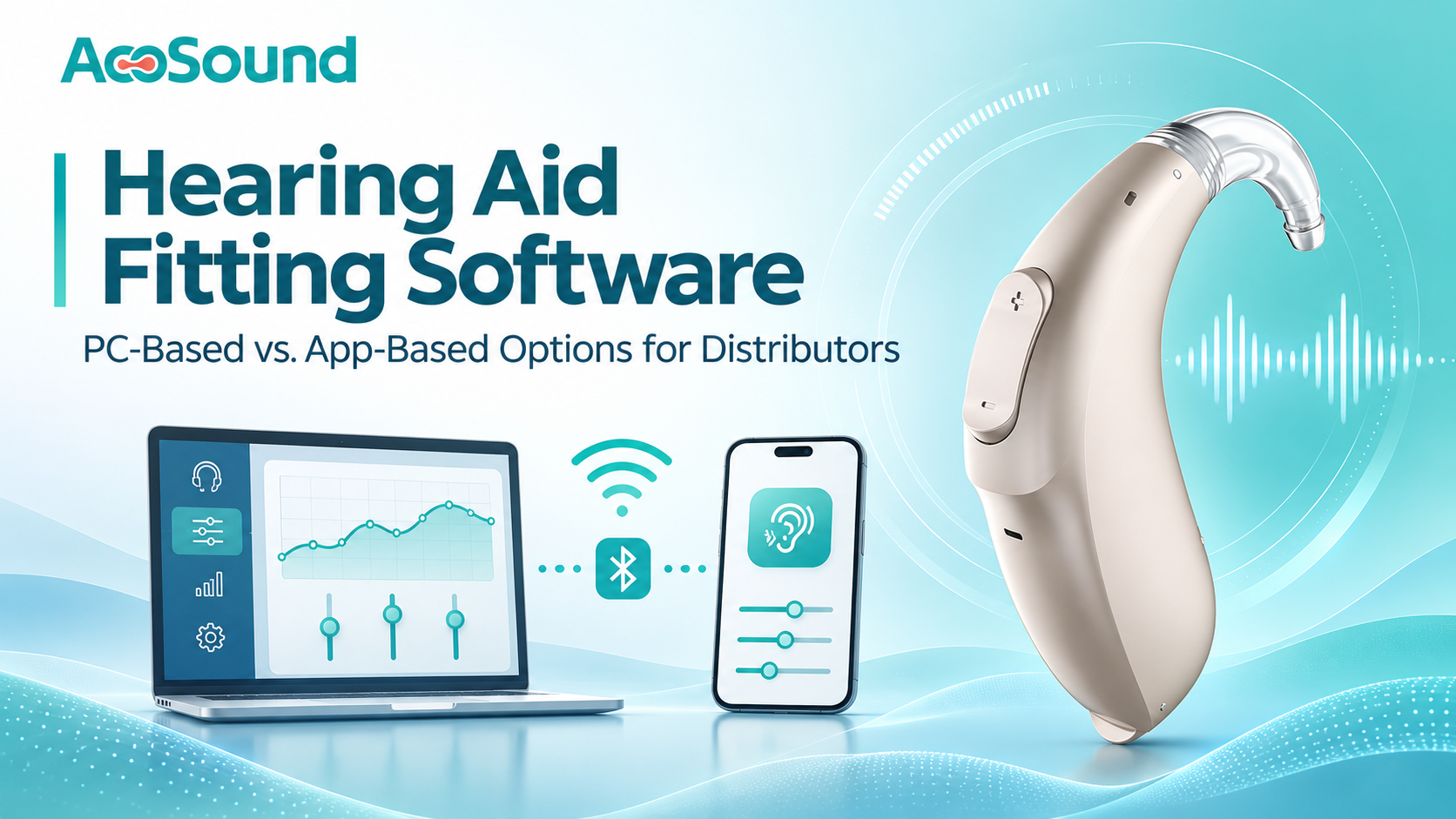
2026/11/11
Explore hearing aid fitting software. Compare PC fitting with app-based options, compatibility, professional workflows, plus distributor needs.
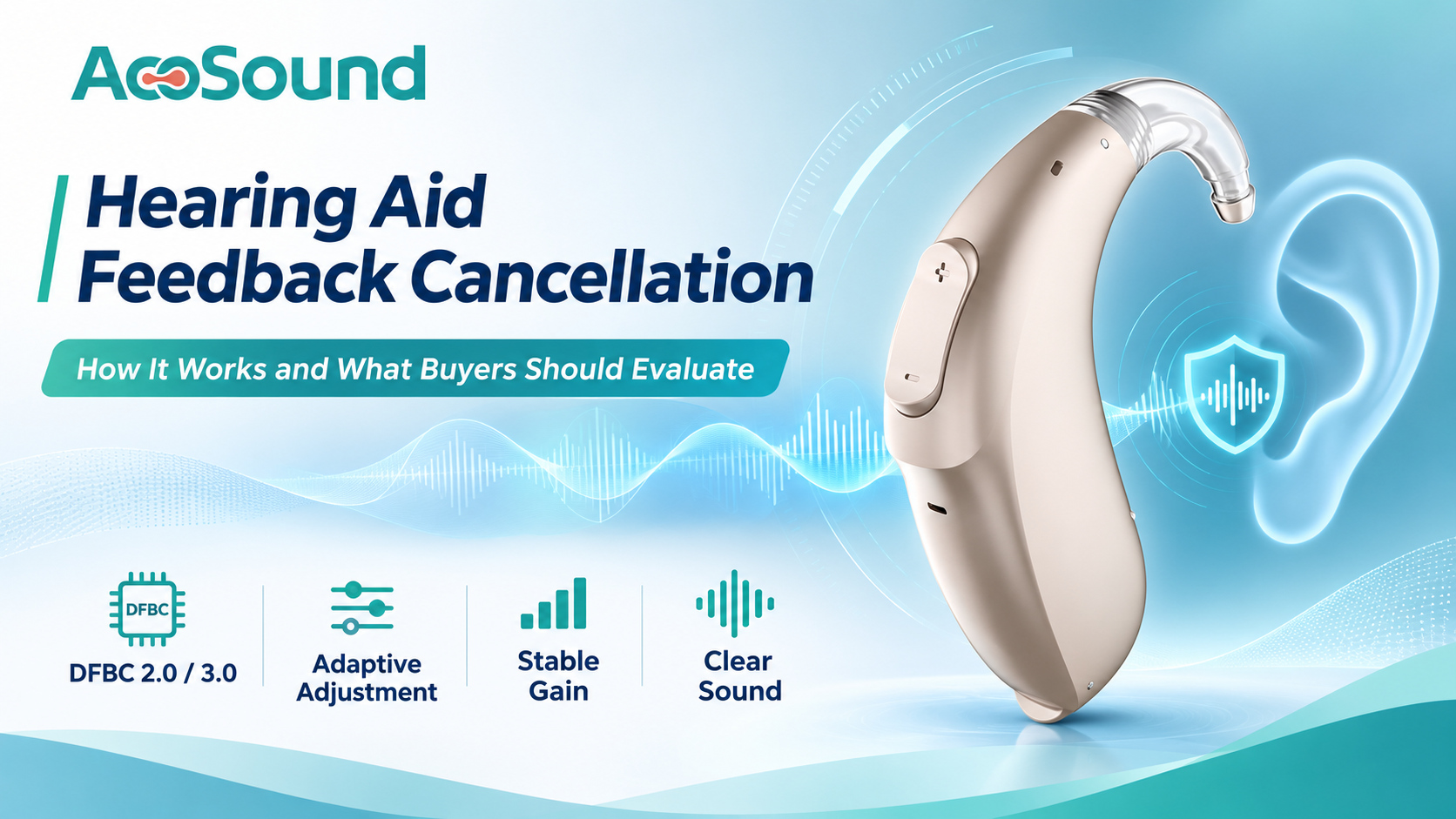
2026/11/09
Discover how hearing aid feedback cancellation works and what distributors should evaluate when comparing adaptive feedback management technologies.
2026/11/04
Explore key considerations for distributors selecting hearing aids for seniors, from BTE and RIC styles to usability, power options and after-sales support.
2026/11/02
A practical guide to Bluetooth hearing aid functions, app control, audio streaming, phone compatibility and supplier checks for distributors.