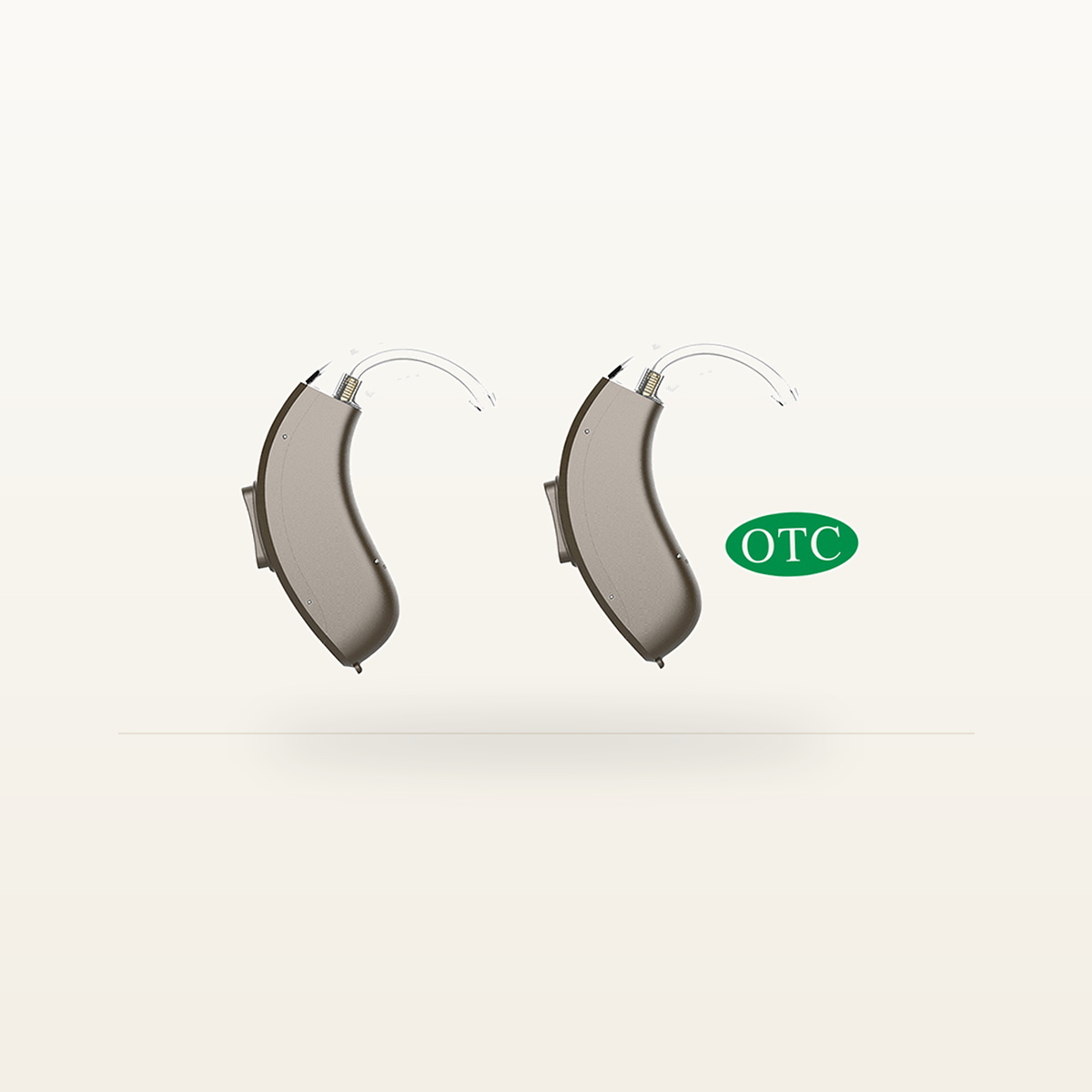
The hearing aid market is undergoing a significant transformation, with otc hearing aids capturing unprecedented attention from consumers and healthcare professionals worldwide. This shift represents a fundamental change in how individuals approach hearing health management, driven by regulatory reforms that have opened new pathways for access and affordability. Understanding why these devices are gaining traction requires examining the convergence of market dynamics, consumer needs, and technological advancement that is reshaping the global hearing aid landscape.
Over-the-counter hearing solutions were not widely available until recent regulatory changes made them permissible for adults with mild to moderate hearing loss. The democratization of hearing aid technology through otc channels has eliminated traditional barriers that prevented millions from accessing treatment. Before this evolution, individuals faced lengthy appointments, high upfront costs, and limited options outside clinical settings. Today, the availability of best hearing aids for mild hearing loss through retail and online channels represents a watershed moment in auditory healthcare, particularly for price-conscious consumers seeking practical solutions.
Market Expansion and Accessibility Drivers
Breaking Down Traditional Barriers
The primary catalyst for global attention toward otc hearing aids stems from the removal of regulatory constraints that previously restricted their distribution. In the United States, the Food and Drug Administration cleared the pathway for over-the-counter hearing devices in 2022, establishing a category distinct from prescription-only products. This regulatory shift prompted similar reconsideration in Europe, Australia, Canada, and other developed markets, each recognizing that consumers with mild hearing loss could benefit from accessible alternatives. The resulting market expansion created unprecedented opportunities for manufacturers and retailers to serve populations historically underserved by traditional audiology clinics.
Cost Reduction and Consumer Empowerment
Hearing aid prices and costs have traditionally represented substantial financial burdens, with prescription devices often exceeding several thousand dollars per pair. The emergence of otc alternatives has introduced competition that fundamentally altered pricing structures and consumer expectations. By eliminating intermediary professional requirements and reducing distribution complexity, manufacturers can offer quality devices at significantly lower price points while maintaining profitability. This cost advantage resonates particularly strongly in developing economies and among individuals navigating insurance coverage gaps, making hearing health management economically feasible for previously excluded demographics.
Technology and Performance Considerations
Digital Innovation in Over-the-Counter Devices
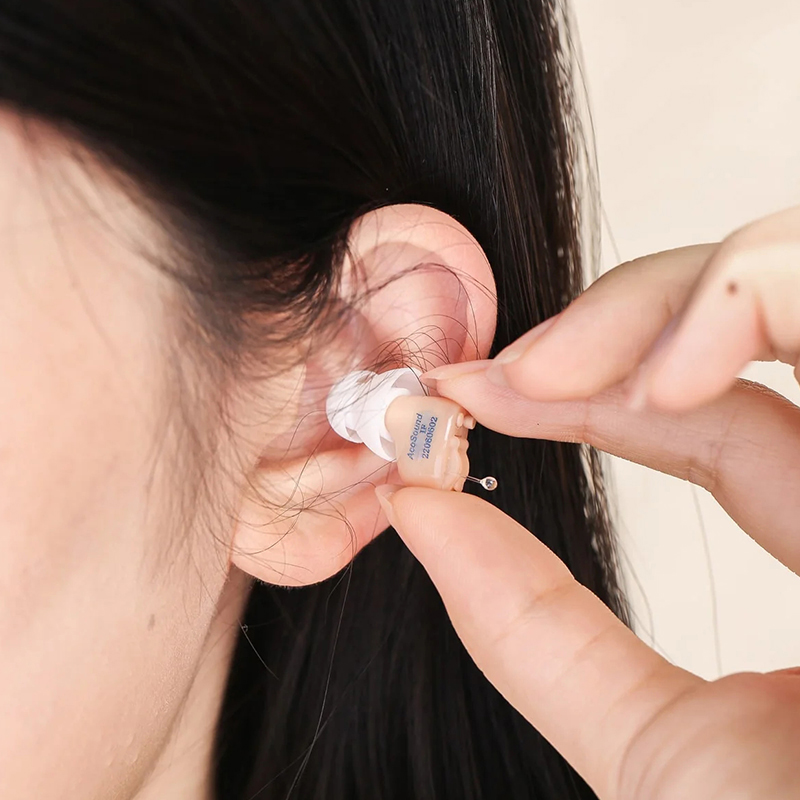
Modern otc hearing aids incorporate sophisticated digital technology previously reserved for high-end clinical products. Advanced signal processing, noise reduction algorithms, and adaptive feedback suppression now characterize consumer-grade devices, delivering performance that meets legitimate hearing health needs. Manufacturers have invested heavily in miniaturization and battery efficiency, creating devices that rival prescription alternatives in functionality while remaining accessible and user-friendly. The technological democratization reflects broader industry recognition that hearing amplification need not require prescriptions to serve beneficiaries effectively.
Suitability for Mild to Moderate Loss
When considering how to choose a hearing aid, consumers must first assess their specific auditory needs and loss severity. Otc devices are engineered specifically for mild to moderate hearing loss, where consumers retain sufficient residual hearing function to benefit from amplification without professional calibration. For individuals within this category, the preset fitting algorithms and user-adjustable controls provide adequate customization without requiring audiology appointments. Understanding one's own hearing profile and loss characteristics remains essential for making informed device selection that aligns with genuine needs rather than marketing appeal.
Global Market Dynamics and Future Trajectory
Regional Adoption Patterns
Global markets are responding to otc hearing aids with varying enthusiasm based on regulatory frameworks, healthcare infrastructure, and consumer sophistication. North America and Europe represent mature markets where consumer comfort with self-diagnosis and self-fitting is highest, driving rapid adoption. Emerging markets recognize the potential for leapfrogging traditional clinical distribution models, allowing consumers in regions with limited audiology resources to access solutions directly. This geographic expansion means otc hearing aids will likely become normalized across diverse healthcare and economic contexts within the coming years.
Integration with Digital Health Ecosystems
Looking forward, otc hearing aids are increasingly integrated with smartphone applications, remote support services, and connected health platforms. These digital enhancements allow consumers to adjust settings independently, access telehealth consultation when needed, and maintain devices without traveling to physical locations. The convergence of otc devices with broader digital health infrastructure is amplifying their appeal to tech-savvy demographics while simultaneously improving outcomes for users seeking guidance. This trajectory suggests that future generations of otc hearing aids will offer hybrid models combining accessibility with optional professional support for those who desire it.
FAQ
Are otc hearing aids suitable for everyone with hearing loss?
No, otc hearing aids are specifically designed for adults with mild to moderate hearing loss. Individuals with severe to profound hearing loss typically require prescription devices with greater amplification capacity and professional fitting. Assessing your personal hearing loss severity through baseline testing ensures appropriate device selection and prevents wasting resources on unsuitable products.
How do hearing aid prices and costs compare between otc and prescription models?
Otc hearing aids typically cost between two hundred to one thousand dollars per pair, while prescription devices often range from two thousand to six thousand dollars. This dramatic price differential reflects reduced distribution complexity and professional service elimination rather than inferior technology. Best hearing aids for mild hearing loss in the otc category deliver excellent value, offering digital technology and performance at fractions of traditional pricing.
What factors matter most when deciding how to choose a hearing aid?
Key considerations include your specific hearing loss configuration, lifestyle activities, device comfort and size preferences, battery type compatibility, warranty coverage, and available customer support. Understanding whether your hearing loss is mild or more severe determines whether otc options suit your needs or whether prescription devices are necessary. Trying devices in realistic environments before final purchase commitment helps ensure satisfaction with your chosen solution.
 EN
EN