Selecting the right hearing aids is one of the most important decisions you can make for your long-term auditory health and quality of life. Modern hearing aids have evolved significantly over the past decade, offering advanced features, improved comfort, and greater connectivity than ever before. However, the sheer variety of hearing aids available today can make the selection process overwhelming for new users and even experienced wearers considering an upgrade. Understanding the fundamental factors that influence hearing aids performance, fit, and suitability for your lifestyle is essential to making a choice you'll be satisfied with for years to come.
Before investing in hearing aids, you should consider several critical aspects including the type of technology best suited to your hearing loss, the style and fit that works for your ear anatomy and daily activities, the battery or charging system that matches your lifestyle, and the ongoing support and maintenance requirements. This comprehensive guide walks you through each of these considerations so you can approach your hearing aids selection with confidence and clarity about what matters most for your individual needs.
Understanding Hearing Aid Technology Types
Different Styles and Their Applications
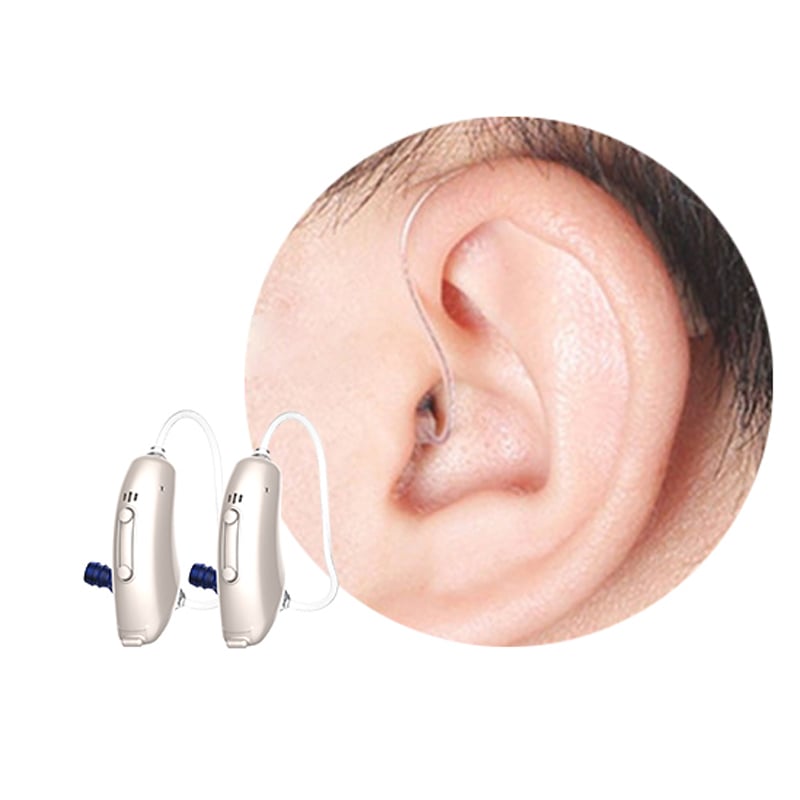
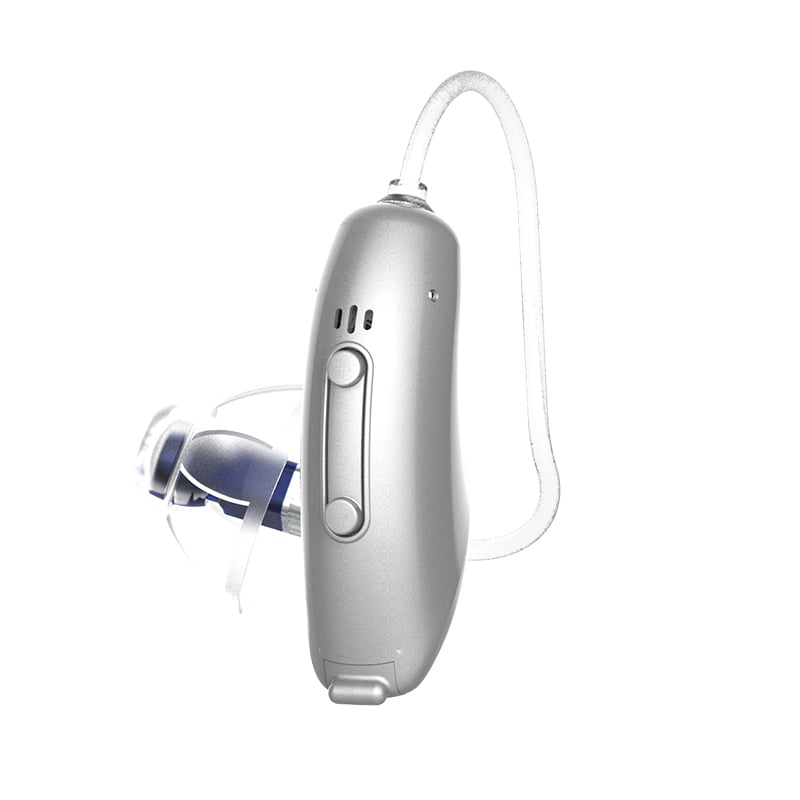
Hearing aids come in several distinct styles, each with different advantages depending on your hearing loss severity, ear shape, and personal preferences. Behind-the-ear (BTE) hearing aids sit on top of the ear with a tube directing sound into the ear canal, making them suitable for moderate to severe hearing loss and offering easy handling. In-the-ear (ITE) hearing aids fit entirely within the outer ear and work well for mild to moderate hearing loss while being relatively discreet. Receiver-in-canal (RIC) hearing aids represent a popular middle ground, combining the size advantages of canal hearing aids with the power and battery capacity of BTE designs. Completely-in-canal (CIC) hearing aids are the smallest and most invisible option but have limited battery life and may be unsuitable for those with dexterity challenges. Understanding which hearing aid style aligns with your specific hearing loss profile is crucial because it directly impacts how effectively the hearing aids will amplify sound and integrate into your daily routine.
Digital Processing and Feature Sets
Modern hearing aids rely on sophisticated digital processing to analyze and adapt to your listening environment in real time. Advanced hearing aids feature noise reduction algorithms that distinguish between speech and background noise, automatically suppressing unwanted sounds while preserving conversation clarity. Directional microphones in many hearing aids help you focus on sounds coming from specific directions, which is particularly valuable in noisy restaurants or meetings where multiple conversations occur simultaneously. Feedback suppression technology prevents the whistling sound that can occur in older hearing aids, and wireless connectivity allows modern hearing aids to sync with smartphones, televisions, and other devices. When comparing hearing aids options, look carefully at which digital features are included in each model because these technologies significantly impact your listening experience across different situations and environments.
Comfort, Fit, and Lifestyle Compatibility
Physical Fit and Long-Term Wearability
The physical fit of your hearing aids determines whether you'll be comfortable wearing them all day, which directly affects the benefits you receive from amplification therapy. Poorly fitted hearing aids can cause ear canal irritation, feedback issues, and discomfort that leads to non-compliance with wearing schedules. Custom-molded hearing aids are individually shaped to your ear canal, providing superior comfort and a more secure fit than universal sizing options. The material composition of hearing aids earpieces also matters significantly because some people experience allergic reactions or sensitivity to certain plastics or silicones. During your fitting appointment, ask your audiologist about wearing duration and comfort expectations, and don't hesitate to request adjustments if initial hearing aids feel uncomfortable after a reasonable break-in period.
Daily Activity Integration and Lifestyle Demands
Your lifestyle and daily activities should heavily influence which hearing aids you select because different models offer varying levels of durability and functionality for different environments. If you work in a noisy industrial setting, water-resistant hearing aids with robust directional microphones are essential. For those who spend considerable time outdoors or in humid climates, moisture-resistant hearing aids prevent corrosion and malfunction. Active individuals who exercise regularly need hearing aids that stay secure during movement, which might favor BTE or RIC style hearing aids over smaller canal styles. Consider also whether you need wireless connectivity for phone calls or audio streaming, as not all hearing aids offer these features.
Power Source, Maintenance, and Long-Term Costs
Battery Options and Power Management
Hearing aids operate on either disposable batteries or rechargeable battery systems, and this choice has significant implications for your daily management routine and long-term expenses. Traditional zinc-air disposable batteries are inexpensive and widely available, but require regular replacement and can be inconvenient for people with arthritis or limited dexterity. Rechargeable hearing aids eliminate the need to purchase and change batteries, offering convenience and often lower environmental impact, though the initial investment in hearing aids with built-in rechargeable technology is typically higher. Lithium-ion rechargeable hearing aids generally provide full daily charge from overnight charging, though some advanced models include solar charging as a backup power source. When choosing between battery types for your hearing aids, consider your manual dexterity, lifestyle routine, and whether you travel frequently, as these factors significantly influence which power system will serve you best.
Ongoing Maintenance and Professional Support
All hearing aids require regular maintenance to function optimally and maintain their warranty coverage and longevity. Routine cleaning with a dry cloth and periodic professional cleaning removes accumulated cerumen and moisture that can degrade sound quality and damage internal components of hearing aids. Hearing aids batteries, whether disposable or rechargeable, need storage in appropriate conditions to maintain performance. Many hearing aids come with desiccant kits or dehumidifier storage cases that you should use nightly to prevent moisture damage. Professional support from your audiologist is essential for initial fitting, periodic adjustments, troubleshooting, and replacement of worn components like earpieces or tubes.
Making Your Final Decision
Consultation and Trial Periods
Before finalizing your hearing aids selection, schedule consultations with licensed audiologists who can perform comprehensive hearing tests and recommend specific hearing aids models suited to your test results and lifestyle. Many audiologists offer trial periods ranging from two weeks to a month, allowing you to wear hearing aids in your normal environment before committing to purchase. During trial periods for hearing aids, test the devices in various listening situations including quiet environments, noisy restaurants, group conversations, and while using phones or other devices to authentically evaluate performance. Take detailed notes about which situations feel natural with the hearing aids and where you experience challenges, as this feedback helps your audiologist optimize settings and determine if a different model of hearing aids might better serve your needs. The investment of time in the fitting and trial process dramatically increases the likelihood that you'll feel satisfied with your hearing aids choice.
Budget Considerations and Financial Planning
Hearing aids range significantly in price from basic models starting around five hundred dollars to premium hearing aids exceeding three thousand dollars per pair. Your budget should account not only for the initial purchase but also for batteries if you choose disposable options, regular professional adjustments and cleaning, replacement components, and eventual future hearing aids upgrades. Many insurance plans and Medicare programs offer partial coverage for hearing aids, though benefits vary widely, so verify your coverage before beginning the selection process. Rather than automatically choosing the least expensive hearing aids option, invest in the quality level and feature set that genuinely matches your hearing loss severity and lifestyle needs, as this approach typically delivers better long-term value and satisfaction than budget-driven selections.
FAQ
How long does it typically take to adjust to wearing hearing aids?
Most new hearing aids users experience a gradual adjustment period lasting two to four weeks before they feel completely comfortable with amplification. During this time, sounds may feel artificially loud or unusual, and you might notice background noises more prominently than before, which is completely normal as your brain reacclimates to auditory input. Consistent daily wearing during this break-in period significantly accelerates adaptation, and your audiologist should schedule follow-up appointments to adjust hearing aids settings as your comfort level increases and your preferences become clearer.
Can hearing aids completely restore normal hearing?
Hearing aids amplify sounds effectively and restore functional hearing for many conversations and environments, but they cannot fully replicate the natural hearing process that occurs in undamaged ears. The quality of restoration depends on your specific type and degree of hearing loss, the technology level of your chosen hearing aids, and how well the devices are fitted and adjusted for your individual needs. Many users find that appropriate hearing aids restore sufficient function to participate fully in conversations and enjoy music, while others may experience limitations in very noisy situations or with certain sound frequencies.
 EN
EN