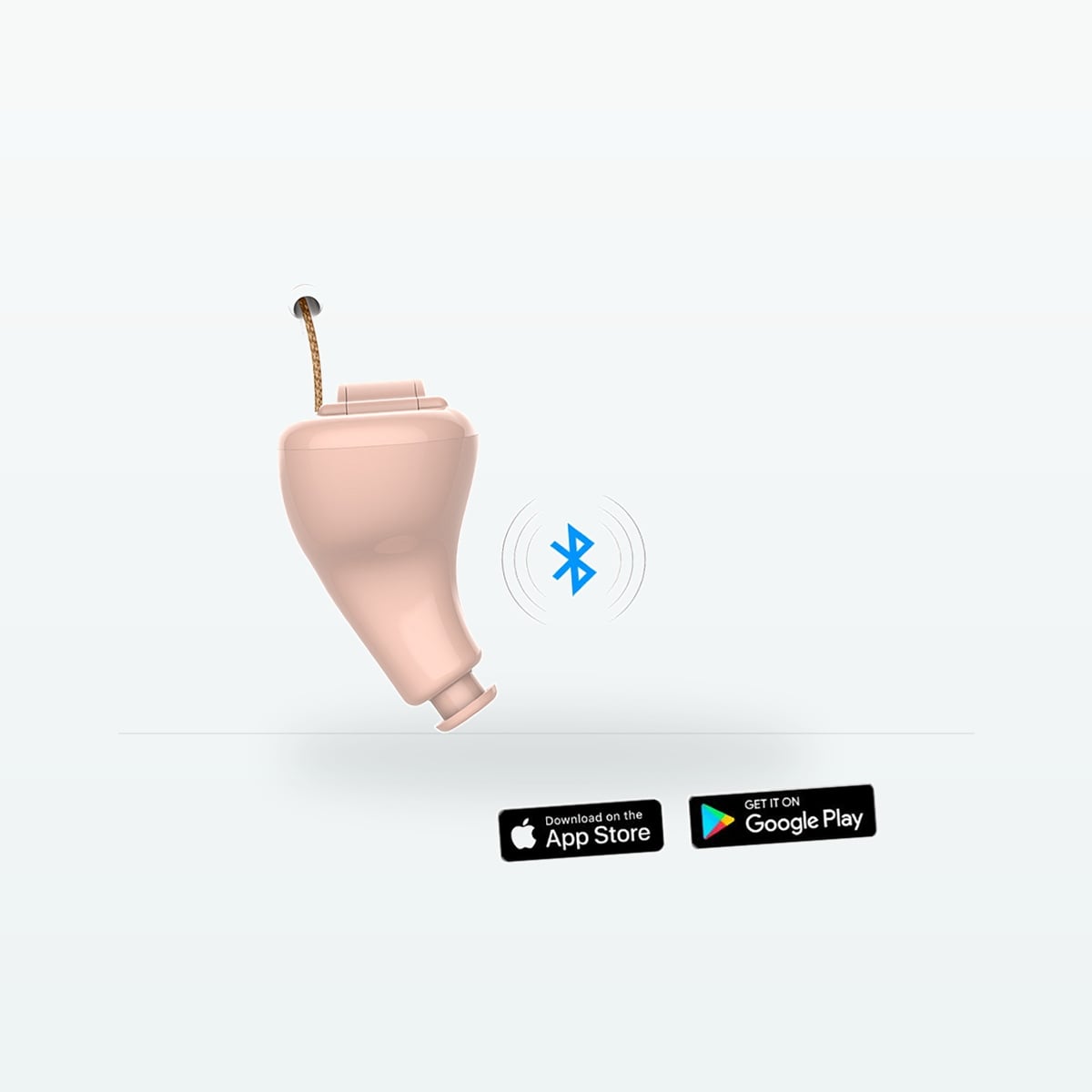
Selecting the right hearing aids requires understanding which features genuinely impact user experience and long-term satisfaction. Many people approaching hearing aids for the first time feel overwhelmed by technical specifications, style options, and functionality variations. The decision becomes clearer when you focus on features that directly affect how well hearing aids perform in daily life, how comfortable they feel, and whether they integrate seamlessly with the devices you already use.
This guide walks you through the most important hearing aids features to evaluate when making your selection. Rather than chasing every bells-and-whistle feature, understanding what matters most helps you invest in hearing aids that truly match your lifestyle, environment, and hearing needs. Whether you prioritize discreetness, battery life, connectivity, or advanced sound processing, the features outlined here will help you narrow down your choices effectively.
Sound Quality and Processing Features
Frequency Response and Noise Reduction
Sound quality stands as the foundation of any effective hearing aids solution. Modern hearing aids use multi-channel sound processing to deliver clearer speech while minimizing background noise. When evaluating hearing aids, examine how they handle speech clarity in noisy environments like restaurants, coffee shops, and offices. Advanced hearing aids employ directional microphones that focus on sounds coming from in front of the user while suppressing noise from the sides and rear. This feature significantly improves the listening experience in complex acoustic environments where most users spend their daily time.
Frequency response capabilities determine how naturally hearing aids reproduce the full spectrum of human speech and environmental sounds. Quality hearing aids typically offer adjustable frequency processing that can be fine-tuned during fitting to match your unique hearing loss pattern. Look for hearing aids that separate speech from background noise intelligently rather than simply amplifying everything equally. Digital signal processing in premium hearing aids can identify speech patterns and enhance them while suppressing ambient noise, creating a more natural listening experience than older analog hearing aids.
Feedback Management
Feedback, that unpleasant whistling sound, occurs when amplified sound from the speaker re-enters the microphone. Quality hearing aids incorporate active feedback cancellation technology that detects and eliminates this problem in real-time. This feature becomes especially important when you're on phone calls, hugging someone, or wearing hats that might change how hearing aids sit in your ear. Modern hearing aids with advanced feedback management allow you to enjoy amplification without the frustrating squealing that plagued older hearing aids models and can discourage consistent use.
Fit, Comfort, and Wearing Style
Physical Design and Hearing Aid Styles
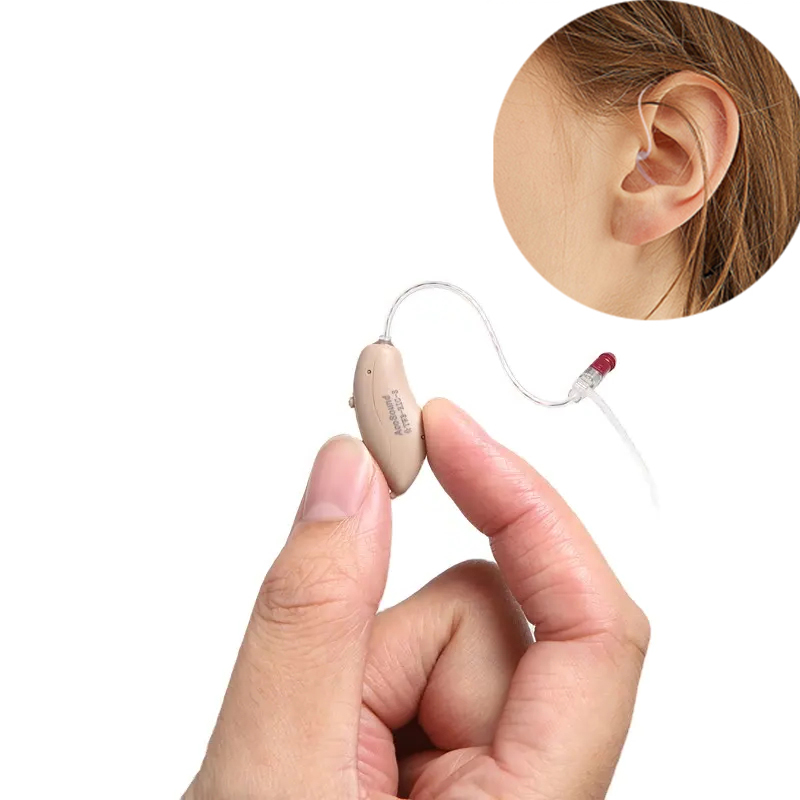
The physical style of hearing aids dramatically impacts whether users will wear them consistently. Behind-the-ear (BTE) hearing aids appeal to those wanting robust functionality and longer battery life, while receiver-in-canal (RIC) hearing aids provide a more discreet appearance with excellent sound quality. In-the-ear (ITE) hearing aids sit entirely in the ear canal and offer maximum discretion, though they typically provide less battery life than hearing aids with larger housings. When selecting hearing aids, consider your lifestyle, visibility preferences, and manual dexterity, as these factors influence which style you'll actually wear every day.
Comfort during extended wearing represents a critical selection factor often overlooked in favor of technical features. Quality hearing aids feature soft, hypoallergenic ear molds or domes that won't irritate the ear canal during all-day wear. Proper fitting ensures that hearing aids stay securely in place during normal activities like exercising, talking, or bending forward. Ill-fitting hearing aids cause discomfort, feedback problems, and poor sound quality, making professional fitting as important as the hearing aids themselves. When choosing hearing aids, prioritize those offering multiple dome sizes or custom ear mold options so adjustments can be made to achieve optimal comfort.
Weight and Convenience
Modern hearing aids weigh remarkably little, with many premium models weighing just a few grams. However, weight distribution matters more than absolute weight, especially for behind-the-ear hearing aids where improper balance can cause discomfort. Evaluate how easy it is to insert and remove your hearing aids, as this daily routine significantly impacts your willingness to wear them consistently. Some hearing aids designs feature easy push-button controls for volume and mode changes, while others rely on smartphone apps for adjustment, offering different convenience levels depending on your tech comfort and manual dexterity.
Connectivity and Smart Features
Bluetooth and Device Integration
Connectivity transforms hearing aids from simple amplifiers into smart devices that integrate with your digital life. Bluetooth-enabled hearing aids can stream phone calls, music, and podcasts directly from your smartphone, eliminating the need for intermediary devices. This feature proves invaluable for users who spend significant time on calls or listening to audio content. When selecting hearing aids with Bluetooth capabilities, confirm compatibility with your specific smartphone operating system and whether the hearing aids support both Android and Apple devices. Some hearing aids offer more stable connections and faster pairing than others, so read user reviews regarding real-world connectivity reliability.
Smart app connectivity allows you to adjust hearing aids settings, check battery status, and even locate your hearing aids if misplaced. Premium hearing aids integrate with remote care services, enabling your audiologist to fine-tune settings without an in-person visit. This remote adjustment capability has become increasingly important, especially for users in rural areas or those with mobility challenges. When evaluating hearing aids, consider whether the associated app offers intuitive controls and whether it supports key features you'll actually use regularly.
Battery Technology
Battery life directly affects how often you need to replace or recharge your hearing aids, influencing both cost and convenience. Traditional zinc-air batteries require daily replacement and cost several dollars per set, while rechargeable hearing aids eliminate ongoing battery purchases and environmental waste. Modern rechargeable hearing aids typically provide full-day operation with a single overnight charge, matching the battery life of traditional hearing aids while offering superior convenience. When selecting hearing aids, weigh the cost savings and environmental benefits of rechargeable options against any potential concerns about charging infrastructure and battery degradation over time.
Battery capacity varies significantly across hearing aids styles and brands. Larger devices like behind-the-ear hearing aids typically offer longer battery life than smaller in-canal models. For users who travel frequently or don't have reliable access to charging overnight, zinc-air battery options might prove more practical despite higher ongoing costs. Premium hearing aids often include battery savers that extend operation time, while others provide quick-charge technology for emergency top-ups. Understanding your daily routine and charging environment helps match you with the battery solution that best fits your lifestyle.
FAQ
What hearing aids features provide the biggest improvement in speech clarity?
The most impactful hearing aids features for speech clarity include multi-channel noise reduction, directional microphones, and advanced digital signal processing. These hearing aids technologies work together to enhance speech while suppressing background noise, creating dramatically improved understanding in noisy environments. Combined with proper fitting and professional programming, these hearing aids features address the primary complaint that drives most people to seek amplification in the first place.
Do all hearing aids styles offer the same functionality and features?
While hearing aids styles differ in size and aesthetic appeal, modern designs across all categories offer comparable core features including digital signal processing, noise reduction, and feedback management. The primary functional differences lie in battery life and total processing power, with larger hearing aids typically offering more advanced features and longer battery life than smaller in-canal models. Your selection should balance desired features against your style preferences and comfort priorities, as the best hearing aids are those you'll wear consistently.
How often can hearing aids features be adjusted after initial fitting?
Quality hearing aids allow unlimited feature adjustments and fine-tuning throughout their lifespan, typically four to six years. Professional adjustments can be made during office visits, while many modern hearing aids also enable remote adjustments through your audiologist's software. This flexibility means you're not locked into your initial hearing aids programming and can adapt settings as your hearing changes, your environment shifts, or you develop new preferences based on real-world wearing experience.
 EN
EN