The effectiveness of noise-cancelling hearing aids depends on multiple interconnected technical and design factors. Users seeking better hearing support in challenging acoustic environments need to understand what distinguishes high-quality devices from basic alternatives. The performance difference can significantly impact daily communication, comfort, and overall hearing health outcomes
The quality of hearing aids designed for noisy environments involves advanced digital processing, acoustic engineering, and user-centered design principles. Understanding these factors helps individuals make informed decisions when evaluating devices for their specific hearing needs and lifestyle demands.
Sound Processing Technology and Acoustic Performance
Digital Signal Processing Capabilities
Modern hearing aid feedback suppression systems use sophisticated algorithms to distinguish between desired speech signals and unwanted background noise. The quality of this processing directly determines how well users can hear conversations in restaurants, offices, and public spaces. Premium devices employ multi-channel processing that analyzes sound frequencies independently, allowing targeted noise reduction without compromising speech clarity.
Advanced digital platforms process sound in real-time, adapting to changing acoustic environments within milliseconds. Devices with higher processing power can handle more complex noise patterns, delivering superior performance for users exposed to variable sound conditions. The computational architecture influences battery life, so quality devices balance processing sophistication with energy efficiency.
Microphone Array Design
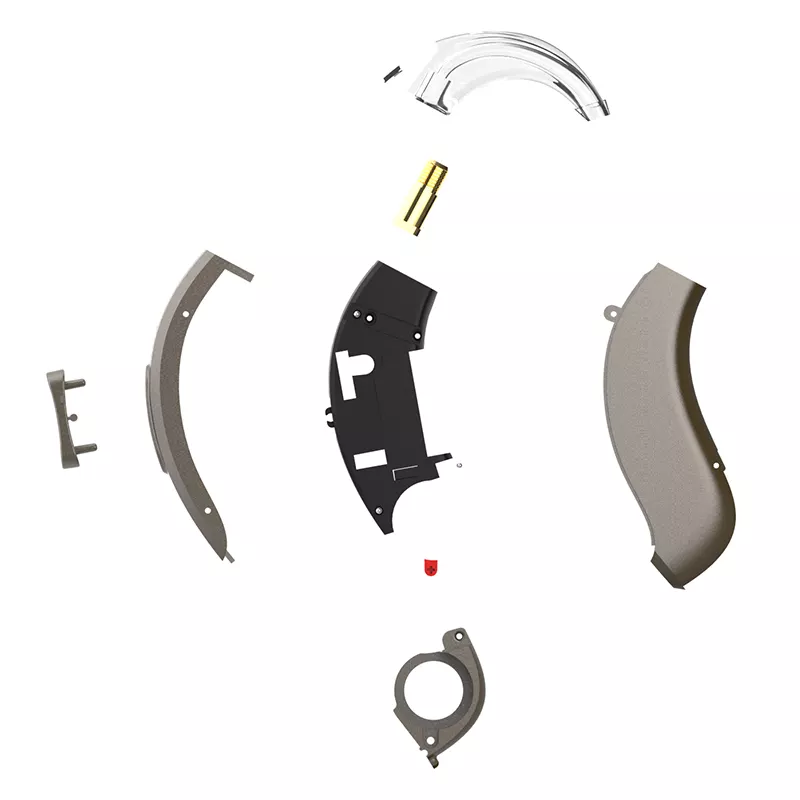
The physical arrangement and quality of microphones significantly impact hearing aid feedback suppression performance. Directional microphone arrays capture sounds from specific directions while rejecting noise from other angles, making them essential for best hearing aids for noisy environments. Dual-microphone systems provide better spatial awareness than single-microphone designs, enabling more precise noise isolation.
Premium hearing aid models use premium-grade microphones with superior frequency response characteristics. The placement, spacing, and acoustic design of microphone housings influence how effectively devices detect and filter unwanted sounds. Higher-quality materials and precision manufacturing reduce microphone noise floor, resulting in clearer signal capture in quiet and moderately noisy settings.
Feedback Management and Comfort Factors
Hearing Aid Feedback Suppression Systems
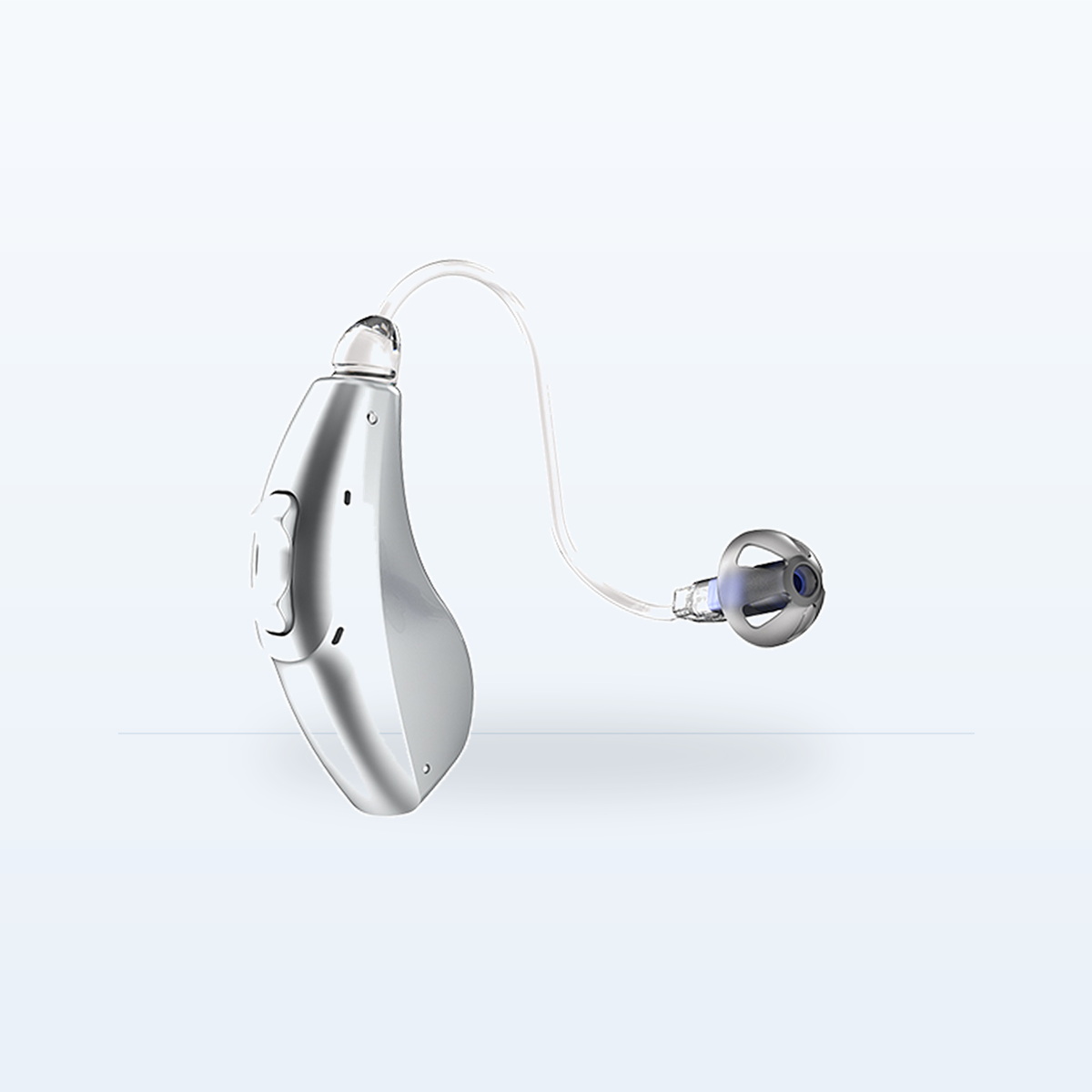
Feedback occurs when amplified sound leaks from the speaker and re-enters the microphone, creating the characteristic whistling sound. Effective hearing aid feedback suppression requires multiple defensive layers including seal quality, signal processing algorithms, and phase cancellation techniques. Quality devices use predictive feedback detection that identifies feedback risk before it becomes audible, maintaining seamless listening comfort.
Advanced feedback suppression algorithms analyze signal patterns to distinguish between feedback and desired speech frequencies. Some premium systems employ frequency shifting methods that move feedback sounds outside the hearing range, while others use gain reduction strategies triggered at specific frequencies. The sophistication of these algorithms directly impacts how comfortably users can wear their devices at higher amplification levels without experiencing feedback episodes.
Acoustic Comfort and Natural Sound Perception
Quality noise-cancelling hearing aids balance aggressive noise reduction with natural sound perception, preventing the uncomfortable sensation of isolation or artificial audio. Users should hear wind as wind, not as a processed artifact, and conversation should sound crisp without excessive filtering. Devices that overprocess sound often cause listening fatigue, headaches, and reduced user satisfaction despite technically excellent noise rejection.
The best hearing aids for noisy environments preserve speech dynamics while reducing steady-state background noise. This selective processing approach maintains the natural rhythm and emotional tone of speech. Quality devices include adaptive noise management that adjusts processing intensity based on actual acoustic conditions, preventing over-processing in moderately noisy situations.
Battery Performance and Tinnitus Relief Integration
Power Efficiency and Operating Duration
Advanced noise cancellation demands significant battery power, making energy efficiency a critical quality factor. Premium hearing aids achieve extended operating times despite complex signal processing through optimized algorithm implementation and efficient microprocessor design. Rechargeable models offer convenience while maintaining consistent daily performance without battery changes.
Quality battery management systems prevent unexpected power loss during critical listening moments. Some advanced devices include charging case integration and fast-charge capability, ensuring users maintain device availability throughout daily routines. The actual battery performance in real-world conditions directly influences user reliability and satisfaction with noise-cancelling hearing aids.
Tinnitus Relief Hearing Devices Features
Many users benefit when their devices combine noise suppression with tinnitus relief hearing devices capabilities. These devices generate customized sound therapy signals that mask or reduce tinnitus perception while simultaneously managing environmental noise. Quality integration of both functions prevents conflicting signal processing that could worsen tinnitus symptoms.
Effective tinnitus relief hearing devices allow individual frequency customization tailored to each user's specific tinnitus characteristics. Advanced systems learn from user feedback, automatically adjusting therapy parameters to optimize comfort over time. For individuals experiencing both hearing loss and tinnitus, devices that seamlessly combine noise suppression with therapeutic sound generation deliver substantially better outcomes than devices handling these functions separately.
FAQ
What makes noise-cancelling hearing aids more expensive than standard devices?
Premium noise-cancelling hearing aids incorporate advanced digital processors, sophisticated algorithms, superior-quality microphone arrays, and refined acoustic engineering. The research, development, and precision manufacturing required to achieve reliable feedback suppression and natural sound reproduction add significant costs. Additionally, devices offering tinnitus relief hearing devices functionality require additional processing capability, further increasing device complexity and price.
How do hearing aid feedback suppression systems prevent whistling sounds?
Modern hearing aid feedback suppression uses multiple coordinated strategies including adaptive algorithms that detect feedback patterns in real-time, phase cancellation that inverts and cancels feedback frequencies, and automatic gain reduction triggered at susceptible frequencies. Premium systems employ predictive analysis that identifies feedback risk before audible whistling occurs. The combination of hardware design elements including proper ear canal sealing and microphone-speaker separation works alongside sophisticated software processing to maintain feedback-free operation throughout the day.
Can noise-cancelling hearing aids provide tinnitus relief as well?
Yes, many quality noise-cancelling hearing aids integrate tinnitus relief hearing devices capabilities by generating customized masking sounds or therapeutic signals. These integrated systems manage both hearing loss and tinnitus symptoms simultaneously through coordinated processing. However, effectiveness varies based on individual tinnitus characteristics and device programming flexibility, so selecting devices specifically designed with both functions produces better results than attempting to retrofit standard noise-suppression devices for tinnitus relief.
 EN
EN