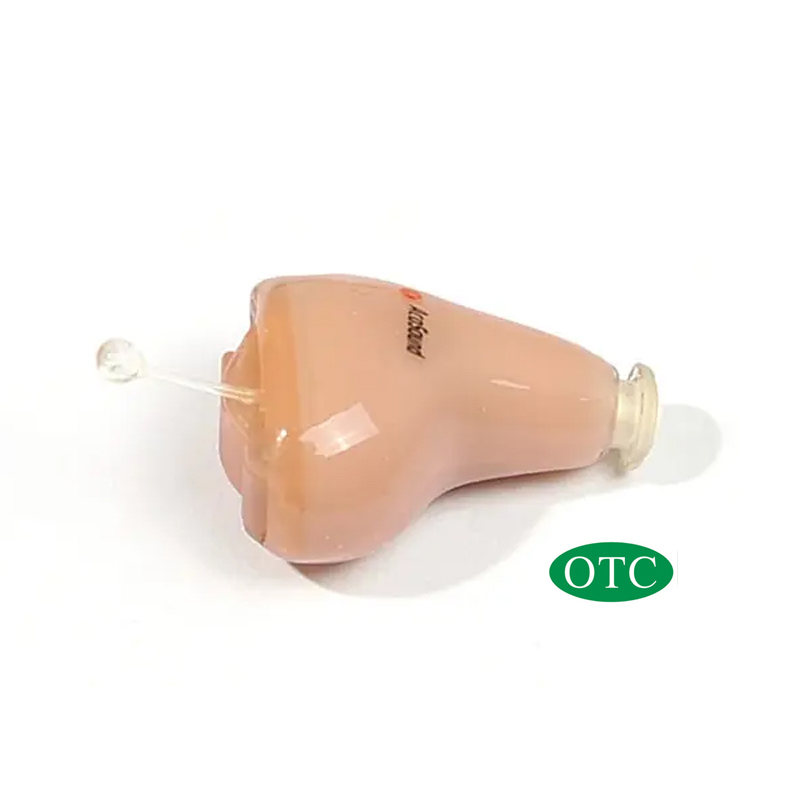
In-the-ear, or ITE hearing aids, represent one of the most popular and practical hearing solution categories in today's audiology market. These compact devices sit directly inside the ear canal or concha, delivering sound amplification with a design that appeals to users seeking both discretion and functionality. Understanding the key advantages of ITE hearing aids helps patients and practitioners make informed decisions about which hearing technology best serves their specific needs and lifestyle preferences.
The market adoption of ITE hearing aids continues to grow because they offer a compelling balance between aesthetic appeal, sound quality, and ease of use. Unlike behind-the-ear models, these devices provide a nearly invisible appearance while maintaining the acoustic advantages of direct ear canal placement. Whether addressing mild to moderate hearing loss or supporting existing auditory function, ite hearing aids deliver practical performance improvements that enhance daily communication and confidence.
Discreet Design and Cosmetic Appeal
Nearly Invisible Appearance
One of the most celebrated advantages of ITE hearing aids is their cosmetic profile. By sitting inside the ear, these devices remain largely hidden from view, making them appealing to users who feel self-conscious about wearing visible hearing technology. The invisible hearing aid fitting achieves this discretion without requiring surgical implantation or complex fitting procedures. Users benefit from a natural appearance while enjoying modern hearing amplification benefits.
Comfortable In-Ear Positioning
The direct placement of ITE hearing aids inside the ear canal improves comfort during extended wear periods. Because the device occupies the ear canal space rather than resting on external ear structures, users experience fewer pressure points and irritation issues common with other styles. This positioning also reduces wind noise sensitivity, making invisible hearing aid fitting particularly valuable for active users who spend time outdoors.
Superior Sound Quality and Acoustic Performance
Natural Sound Delivery Mechanism
ITE hearing aids benefit from their proximity to the eardrum, which creates a more natural acoustic pathway for amplified sound. This direct delivery reduces the delay and distortion sometimes associated with behind-the-ear models that route sound through tubing. Users experience clearer speech recognition and more natural music reproduction, essential factors for maintaining auditory satisfaction and preventing hearing aid abandonment.
Reducing Feedback and Distortion Issues
Hearing aid feedback problems occur when amplified sound escapes and re-enters the microphone, creating whistling or buzzing sounds that degrade listening experience. ITE devices minimize this concern through their internal positioning, which naturally contains sound within the ear canal. Modern digital processing in ITE models further addresses hearing aid feedback problems through automatic feedback cancellation algorithms, ensuring consistent, distortion-free amplification throughout daily activities.
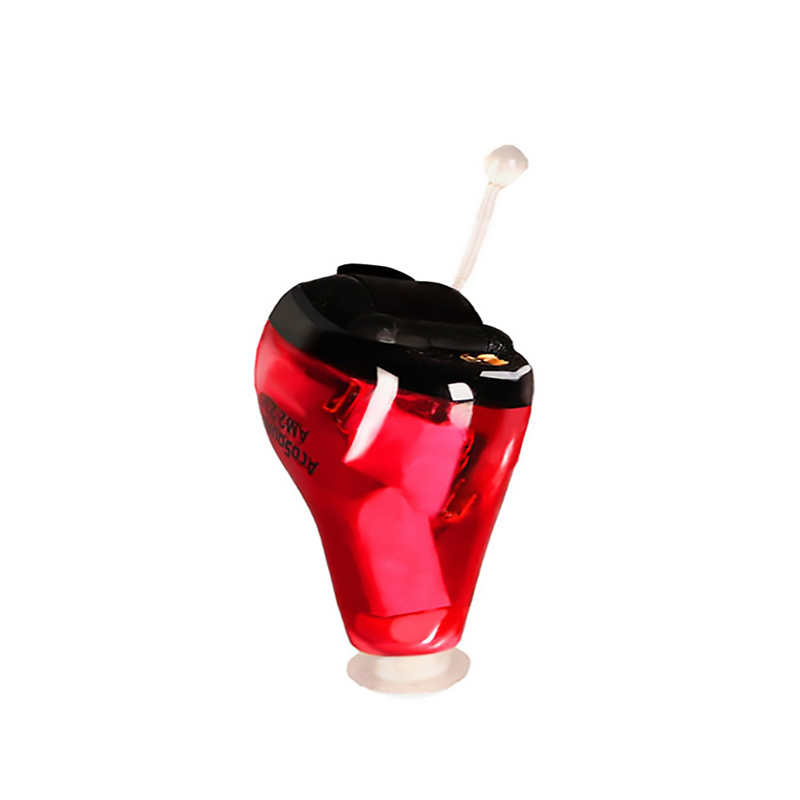
Extended Battery Performance and Practical Advantages
Reliable Hearing Aid Battery Life
Contemporary ITE hearing aids feature improved hearing aid battery life thanks to advances in miniaturized electronics and rechargeable battery technology. Standard zinc-air cells in conventional ITE models typically provide five to seven days of continuous use, while rechargeable variants can deliver full-day performance with overnight charging cycles. Users benefit from predictable battery performance and reduced replacement costs compared to earlier-generation devices, making long-term ownership more economical.
Easy Daily Maintenance and Handling
The compact size of ITE hearing aids makes battery insertion and device cleaning straightforward tasks suited to users with varying manual dexterity levels. Larger battery compartments compared to receiver-in-canal models reduce fumbling and frustration during routine maintenance. Combined with modern protective coatings that resist moisture and cerumen buildup, the practical advantages extend beyond hearing aid battery life to encompass overall device longevity and user satisfaction.
Market Accessibility and Clinical Suitability
Broad Hearing Loss Coverage
ITE hearing aids effectively address mild to moderate hearing loss across multiple frequencies, covering a significant portion of the audiology market. Their acoustic properties make them particularly suitable for patients with high-frequency hearing loss patterns common in age-related and noise-induced cases. This versatility ensures that clinicians can recommend ITE solutions confidently across diverse patient populations and hearing profiles.
Streamlined Fitting and Customization
The invisible hearing aid fitting process for ITE models has become increasingly standardized, reducing fitting time and improving consistency across clinics. Digital impression systems and computer-aided design now enable precise ear canal mapping that ensures optimal device comfort and acoustic seal. Users receive devices customized specifically to their ear anatomy, maximizing performance while minimizing adjustment visits and adaptation challenges.
FAQ
How does hearing aid battery life compare between ITE and other hearing aid styles?
Hearing aid battery life in ITE models typically ranges from five to seven days for standard zinc-air batteries, which is competitive with behind-the-ear devices. Rechargeable ITE options now provide full-day battery performance with overnight charging, matching or exceeding conventional battery-powered alternatives. The advantage lies in predictability and reduced replacement frequency compared to smaller hearing aid styles.
Can invisible hearing aid fitting address all types of hearing loss?
Invisible hearing aid fitting works optimally for mild to moderate hearing loss cases. Severe hearing loss may require larger devices with greater amplification capacity, potentially limiting the discretion that ITE models provide. Audiology professionals assess individual hearing profiles during fitting to determine whether an invisible hearing aid fitting approach meets acoustic and comfort requirements.
What solutions exist for hearing aid feedback problems in ITE devices?
Modern ITE hearing aids address hearing aid feedback problems through digital feedback cancellation algorithms that detect and suppress feedback signals in real time. Proper ear canal seal during invisible hearing aid fitting also prevents acoustic leakage that triggers feedback. Users experiencing feedback should contact their audiologist to verify proper device placement and fitting consistency.
 EN
EN