EN

Bluetooth Hearing Aids: A B2B Buyer’s Guide
2026/11/02
A practical guide to Bluetooth hearing aid functions, app control, audio streaming, phone compatibility and supplier checks for distributors.
2026/10/28
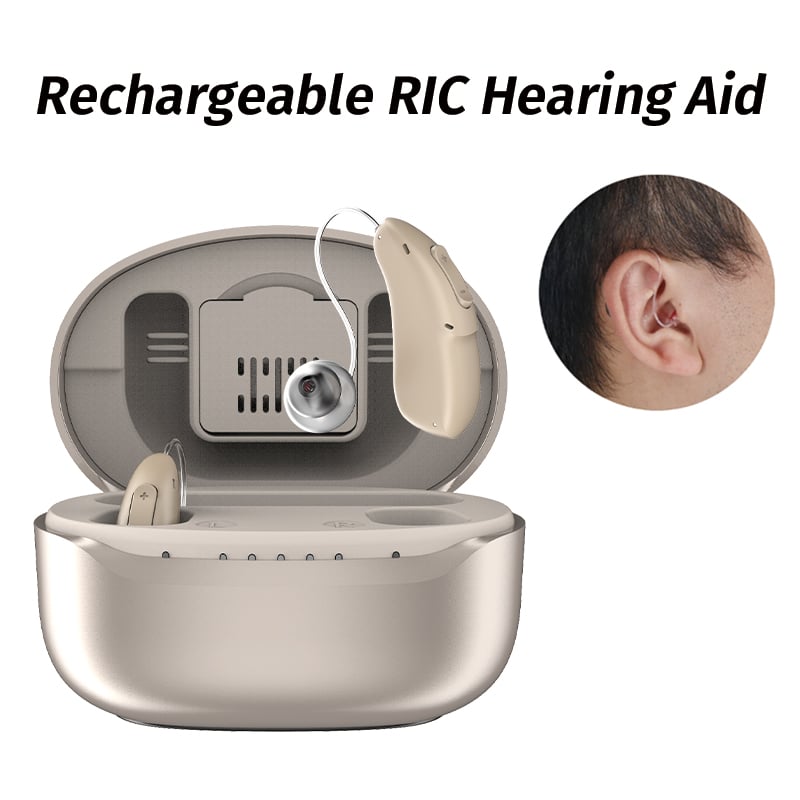
For hearing aid distributors, choosing between rechargeable hearing aids and models that use replaceable batteries is not simply a question of which technology is newer. When evaluating rechargeable hearing aids, buyers should look at the whole ownership and support experience, not just the charging feature. The right option depends on the target customer, local usage habits, access to charging, product configuration, and the support a sales channel can provide.
A balanced product portfolio may include more than one power option. Instead of assuming that one design suits every buyer, distributors should compare day-to-day convenience, maintenance, charging requirements, replacement supplies, and the specific needs of the markets they serve.
Rechargeable hearing aids use an internal rechargeable battery and are placed in a compatible charger when power is needed. Depending on the model, the charging system may be a desktop dock or a portable case. The Australian Government’s Guide to Understanding Hearing Aid Technology, prepared with the National Acoustic Laboratories, explains that rechargeable devices use battery technologies such as lithium-ion instead of disposable zinc-air batteries. The guide also notes that charging designs and features vary between brands.
Replaceable battery hearing aids use disposable batteries that must be changed when depleted. The exact battery size and expected service life depend on the device and its power consumption. Buyers should confirm the specified battery type for each model rather than assume that batteries are interchangeable across a product range.
Both options can work; rechargeable hearing aids should be assessed against a specific market's needs, not treated as a universal upgrade.
Rechargeable hearing aids can reduce the need to handle small disposable batteries. This may be useful for users who find tiny batteries difficult to open, position, or replace. A charging routine can also be straightforward when users have a consistent place to charge their devices overnight.
However, charging becomes part of the daily routine. Users need access to a compatible charger and a reliable way to recharge the devices. Travel, power access, forgotten charging, or an incorrectly seated device can affect readiness for use. Distributors should check whether a model includes a portable charging option and confirm the actual charging instructions in its documentation.
Replaceable battery designs allow users to fit fresh batteries when needed, provided the correct type is available. This can be practical in locations where disposable batteries are easy to purchase or where users prefer not to depend on a charging routine.
The trade-off is ongoing battery handling and supply. Small batteries can be difficult for some users to manage, and customers may need to carry spares. Retailers should be ready to explain the correct battery size, replacement procedure, and safe storage instructions.
Neither option is automatically more convenient for everyone. The best fit depends on how customers use and maintain their devices.
Power design affects the questions customers ask after purchase. For rechargeable hearing aids, staff should know how to check the charger connection, confirm that the devices are seated correctly, and follow the manufacturer's charging guidance. The American Speech-Language-Hearing Association’s troubleshooting guidance identifies charger connection, correct placement, and sufficient charging time as useful checks when a rechargeable device does not power on as expected.
For replaceable-battery models, support may involve checking the battery type, orientation, contact condition, and replacement procedure. In both cases, customers should follow the model-specific user manual rather than use a generic procedure for every device.
Distributors should clarify warranty terms, service procedures, and the availability of compatible chargers or replacement batteries.
The retail or wholesale unit price is only one part of the commercial comparison. When assessing rechargeable hearing aids, consider whether a charger is included, whether an additional charger is optional, and whether a portable charging case is available for the target model. Confirm the package contents before comparing quotations.
For replaceable-battery models, consider whether the business will sell compatible batteries separately, how customers can source them locally, and whether the battery type is clearly stated in the product information. Avoid making a cost-saving claim without comparing the actual product price, battery costs, charger costs, expected replacement needs, and the time period being evaluated.
For both designs, confirm included accessories, warranty coverage, spare-part policies, and any minimum order quantities for chargers or batteries.
Hearing aid distributors should begin with customer and channel evidence rather than a general claim that one power type is superior. Consider the age range and needs of your target users, their comfort with charging or battery replacement, local access to supplies, typical travel patterns, and the support available from retailers or hearing-care professionals.
A practical product portfolio review can use these questions:
User routine: Are customers likely to prefer a regular charging habit or replaceable batteries?
Local access: Are compatible batteries and chargers easy to obtain in the target market?
Product documentation: Are charging instructions, battery specifications, and maintenance guidance clear?
Retail training: Can staff explain power management and troubleshoot common issues?
Accessories: Are chargers, cables, spare batteries, and replacement parts available as required?
Commercial fit: Do the product configuration, price position, MOQ, and warranty terms match the channel?
Use retailer feedback, demonstrations, and sample evaluations to refine the range. If rechargeable hearing aids are increasingly requested, verify why before expanding inventory. Track pre-purchase questions and power-related support requests rather than relying on assumptions about customer preferences.
Before ordering, ask the supplier for model-specific information:
What battery technology or replaceable battery type does the model use?
What are the documented charging time and expected operating time, if applicable?
Which charger, cable, or portable charging accessories are included?
What are the correct user instructions for charging or replacing batteries?
Which spare parts and accessories can be ordered separately?
What warranty conditions apply to the device and its charging accessories?
What product documents and market-specific compliance information are available?
Do not publish a fixed runtime or charging-time claim unless it is supported by the approved specification for that model and reflects the stated test conditions. Battery performance can vary with device design, usage patterns, and features in use. Clear, model-specific information supports more reliable purchasing decisions.
Not in every situation. Rechargeable designs can reduce battery handling, while replaceable batteries can suit users who prefer to change batteries and have easy access to supplies. The best option depends on the user, device, and local support.
No. Charger design and compatibility vary by model. Buyers should confirm the exact charger and accessories listed in the manufacturer's documentation.
That depends on customer demand, channel capability, local supply access, and the range of models available. Retail feedback and sample evaluations can help determine whether both options are needed.
Confirm the power configuration, package contents, battery or charging specifications, accessories, warranty terms, minimum order quantities, and applicable documentation for the intended market.
Rechargeable hearing aids and replaceable-battery models address different usage preferences. The right mix of rechargeable hearing aids and replaceable-battery products should reflect documented customer needs, local supply conditions, and service capability.
AcoSound offers hearing aid products for business customers. Buyers should review the specifications for each model and confirm its power configuration, package contents, accessories, and support terms before placing an order.
Planning your product range? Explore the AcoSound product range or contact the team to discuss your target market and product requirements.
2026/11/02
A practical guide to Bluetooth hearing aid functions, app control, audio streaming, phone compatibility and supplier checks for distributors.
2026/10/29
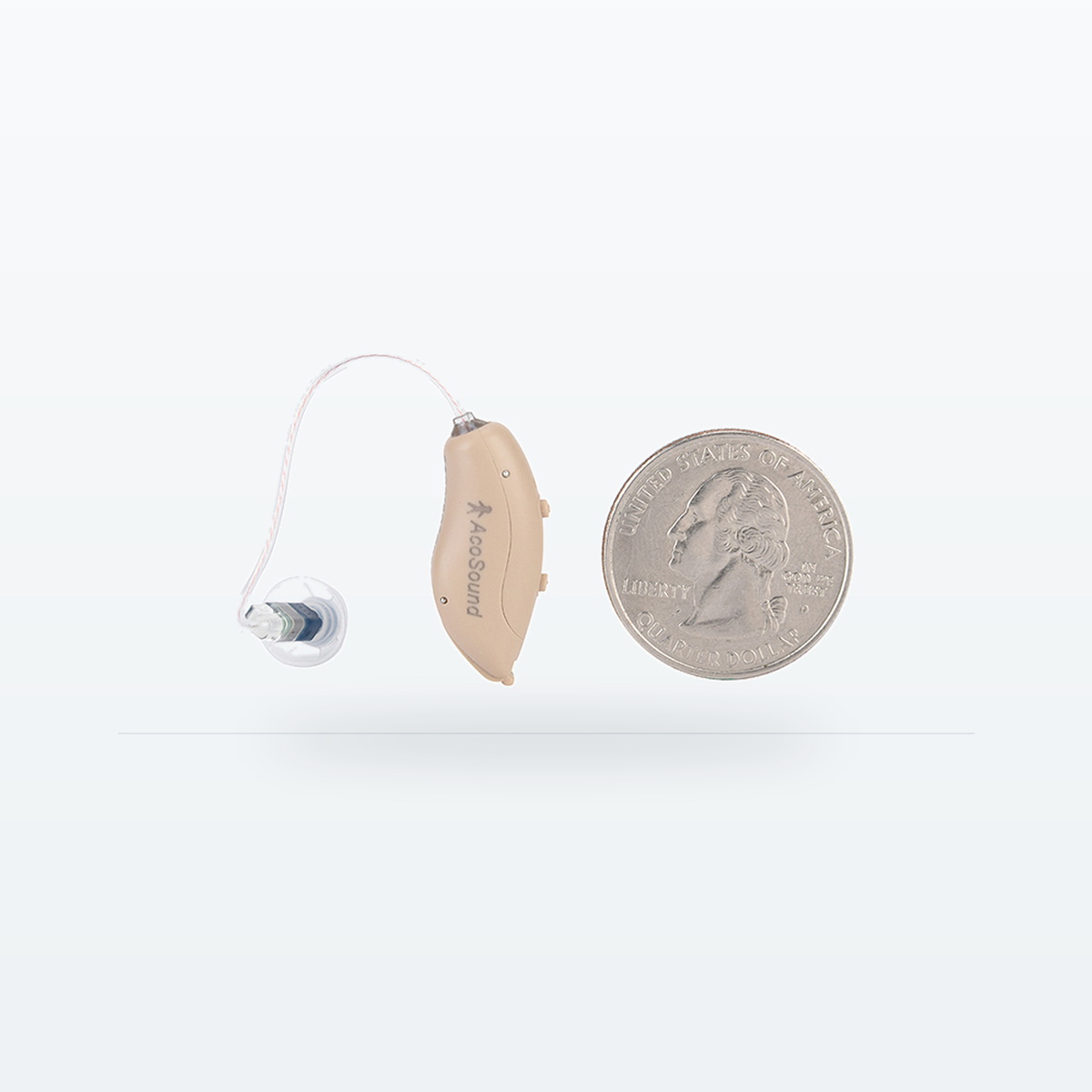
Struggling with unreliable suppliers? Discover 10 proven criteria to evaluate hearing aid distributors. Start choosing strategically today.
2026/10/15
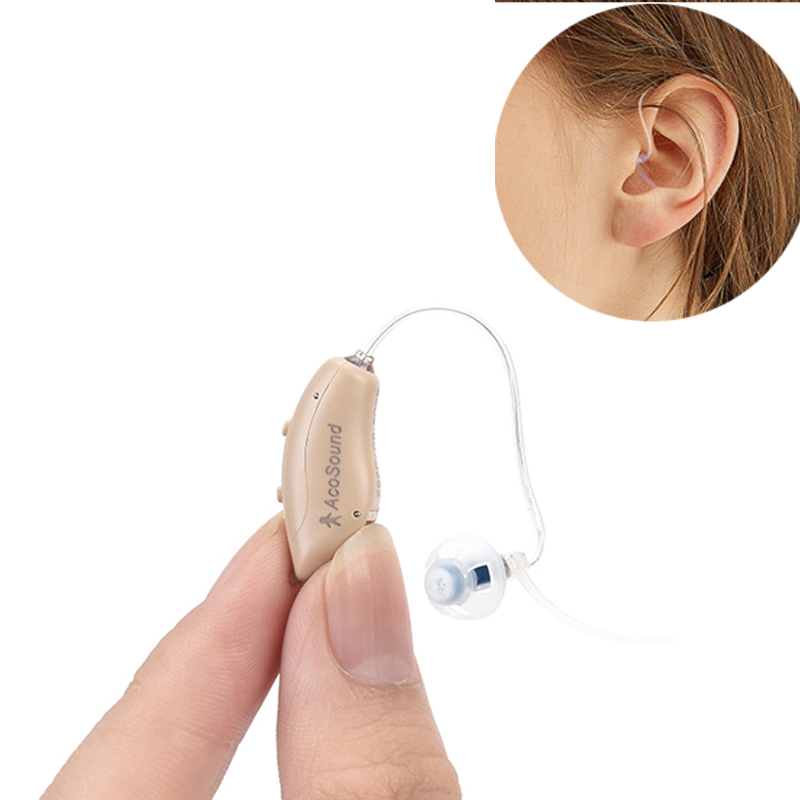
Why are wholesale hearing aids surging worldwide? Discover the data-backed trends shaping hearing healthcare distribution.
2026/10/22
How do wholesale hearing aids deliver clinical-grade performance without premium pricing? Discover the tech tiers, QA standards, and strategic sourcing. Learn now.
2026/10/01
Discover how wholesale hearing aids drive revenue diversification. Unlock underserved markets—get your expansion roadmap now.