EN

Bluetooth Hearing Aids: A B2B Buyer’s Guide
2026/11/02
A practical guide to Bluetooth hearing aid functions, app control, audio streaming, phone compatibility and supplier checks for distributors.
2026/10/22
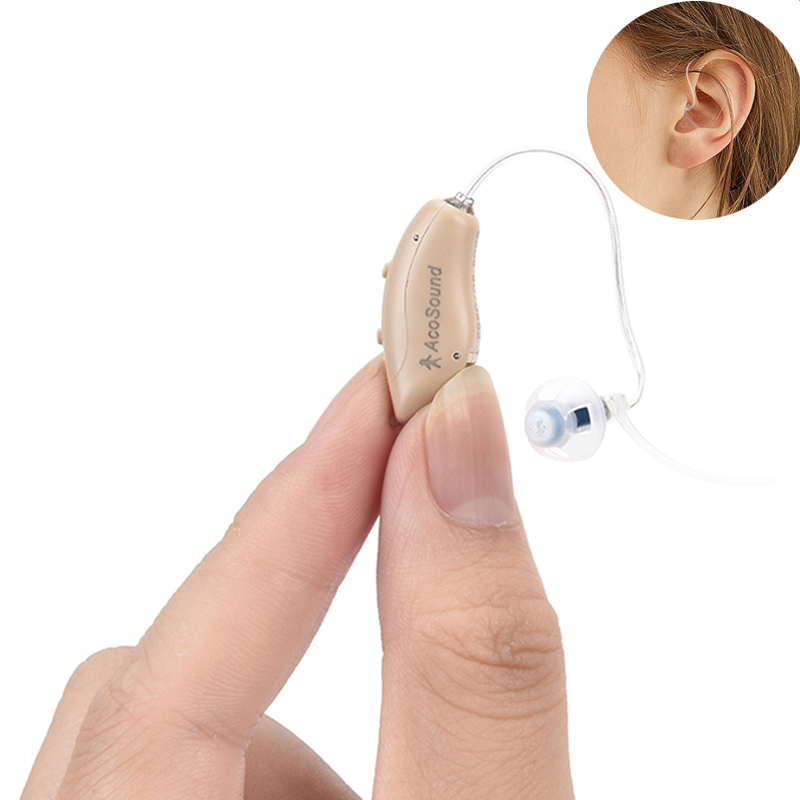
The market for wholesale hearing aids has transformed dramatically over the past decade. Healthcare providers, audiologists, and hearing aid dispensers face a critical challenge: sourcing devices that deliver exceptional sound quality without inflating operational costs. This balance between affordability and performance defines success in today's competitive hearing healthcare landscape. Understanding how wholesale hearing aids achieve this equilibrium requires insight into manufacturing innovation, distribution channels, and technology scaling.
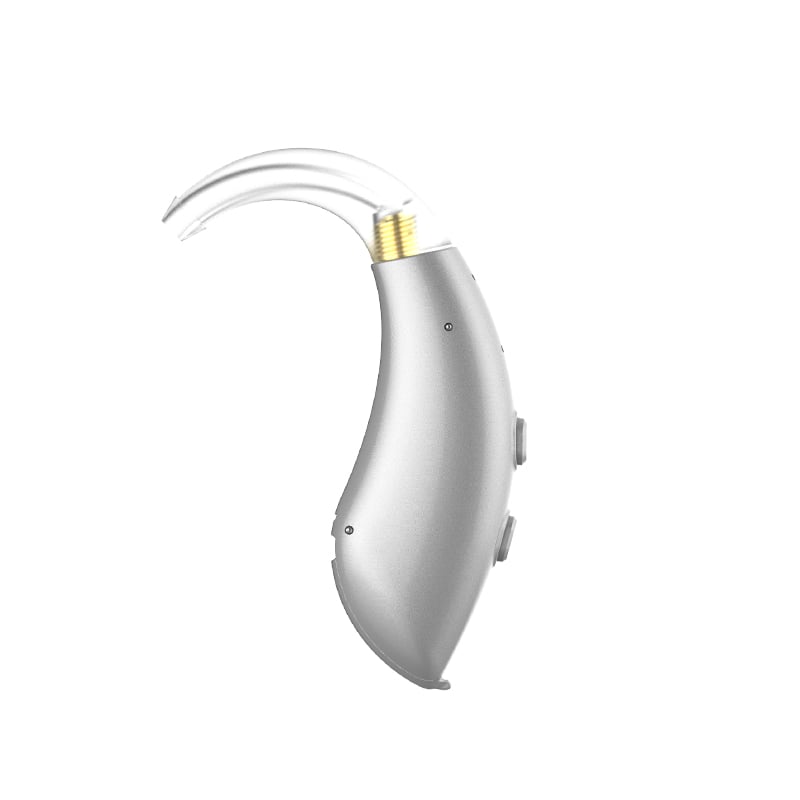
Wholesale hearing aids represent a strategic opportunity for businesses seeking to expand patient reach while maintaining healthy margins. The key lies in recognizing that volume purchasing, direct manufacturer relationships, and thoughtful technology selection allow providers to deliver premium sound processing at competitive price points. This article explores the mechanisms that enable wholesale hearing aids to combine cost efficiency with clinically sound performance, examining technology tiers, quality assurance standards, and decision frameworks that separate high-value purchases from problematic compromises.
Wholesale hearing aids operate across distinct technology platforms, each designed for specific patient needs and budget parameters. Entry-level wholesale hearing aids typically feature 8 to 12 processing channels, basic directional microphone systems, and essential feedback management. These devices excel at fundamental sound amplification and noise reduction, making them suitable for mild to moderate hearing loss in less demanding environments. Mid-range wholesale hearing aids introduce 16 to 20 channels, enabling more sophisticated sound scene analysis and adaptive processing. The manufacturing philosophy behind these tiers emphasizes eliminating unnecessary complexity while preserving core performance metrics that patients depend on daily.
Premium wholesale hearing aids incorporate 24 or more processing channels alongside advanced algorithms for speech clarity, wind noise management, and personalized sound profiles. These devices employ digital signal processing that rivals consumer retail pricing while maintaining wholesale cost structures through efficient component sourcing and streamlined distribution. The performance advantage comes from refined sound quality, reduced listening fatigue, and connectivity features that integrate with smartphones and assistive listening systems. Wholesale hearing aids at this level demonstrate that performance scaling does not require exponential cost increases when manufacturers prioritize essential features over unnecessary complexity.
Wholesale hearing aids must meet stringent regulatory standards established by healthcare authorities and industry certification bodies. Reputable manufacturers subject wholesale hearing aids to comprehensive testing protocols covering acoustic accuracy, battery longevity, moisture resistance, and durability under real-world usage conditions. Quality assurance programs include acoustic verification that devices perform within specification across frequency ranges essential for speech comprehension. Wholesale hearing aids from certified manufacturers undergo environmental testing to ensure consistent performance in temperature extremes, humidity exposure, and physical stress scenarios that patients encounter. These rigorous standards create the foundation enabling wholesale hearing aids to maintain performance parity with devices sold through traditional retail channels.
The reliability of wholesale hearing aids depends significantly on manufacturer support structures and warranty frameworks. Established manufacturers provide comprehensive warranty coverage, repair services, and replacement protocols that ensure patient satisfaction and operational continuity for dispensing practices. Wholesale hearing aids backed by responsive service networks reduce patient dissatisfaction related to device malfunction and create long-term competitive advantages for providers. Service infrastructure investment signals manufacturer confidence in wholesale hearing aids quality and commitment to end-user outcomes. Providers selecting wholesale hearing aids must prioritize vendors offering accessible repair services, rapid turnaround times, and transparent warranty terms that protect patient relationships.
Cost represents only one dimension when assessing wholesale hearing aids value. Providers must evaluate per-unit acquisition costs alongside performance capabilities, patient satisfaction rates, warranty terms, and training requirements necessary for proper fitting and adjustment. Wholesale hearing aids offering strong cost advantages paired with inferior sound quality or limited features create false economy that damages practice reputation and patient outcomes. Strategic purchasing involves comparing wholesale hearing aids feature sets against patient populations served, identifying technology tiers that address the greatest percentage of cases while minimizing unnecessary premium spending. Volume discounts associated with wholesale hearing aids purchasing must be weighed against inventory carrying costs and obsolescence risk when selecting procurement quantities.
Sustainable competitive advantage in wholesale hearing aids sourcing emerges from establishing collaborative relationships with manufacturers. Direct partnerships enable access to product development timelines, early awareness of technology upgrades, and preferential pricing on wholesale hearing aids as volume commitments increase. Manufacturers value consistent wholesale hearing aids partners who provide reliable feedback regarding clinical performance, patient outcomes, and market demand patterns. These relationships facilitate customized wholesale hearing aids offerings tailored to specific practice demographics and clinical specializations. Providers investing in long-term manufacturer partnerships secure access to emerging innovations in wholesale hearing aids technology, positioning their practices at the forefront of hearing healthcare delivery.
Focus on acoustic accuracy specifications, speech clarity metrics, directional microphone performance, and battery longevity as primary performance indicators. Evaluate wholesale hearing aids across these dimensions relative to your patient population's hearing loss profiles and lifestyle demands. Request acoustic verification data and comparative performance documentation from manufacturers to ensure wholesale hearing aids selections align with clinical needs. Patient satisfaction scores and long-term outcomes from practices using identical wholesale hearing aids models provide valuable real-world performance insight beyond technical specifications.
Wholesale hearing aids achieve cost efficiency through volume manufacturing, streamlined distribution channels, and strategic technology prioritization rather than quality compromise. Manufacturers focus engineering resources on essential processing algorithms and essential features rather than unnecessary complexity. Wholesale hearing aids benefit from optimized component sourcing and manufacturing processes that reduce waste while maintaining acoustic precision. Large-scale production of wholesale hearing aids enables fixed cost spreading across higher unit volumes, directly translating to lower per-unit pricing without performance sacrifice.
Prioritize manufacturers offering comprehensive warranty coverage, rapid repair turnaround, and accessible service networks when evaluating wholesale hearing aids. Investigate warranty terms covering device malfunction, acoustic performance degradation, and physical damage to understand your financial exposure. Wholesale hearing aids from manufacturers with dedicated customer support teams and service infrastructure investment provide greater operational reliability and patient satisfaction. Verify whether manufacturers offer training programs and technical support for your fitting staff, ensuring your team maximizes wholesale hearing aids capabilities and addresses patient concerns effectively.
2026/11/02
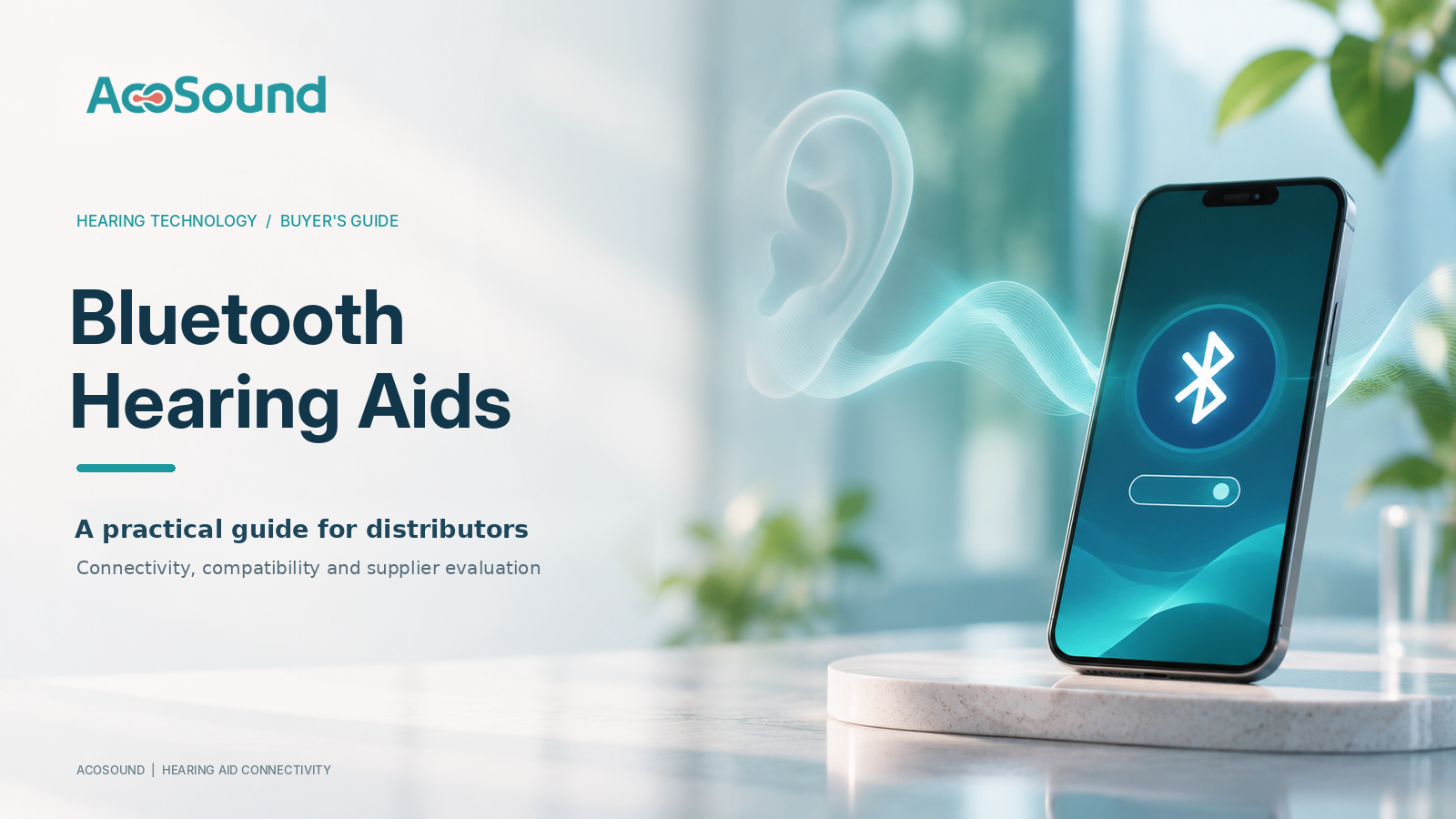
A practical guide to Bluetooth hearing aid functions, app control, audio streaming, phone compatibility and supplier checks for distributors.
2026/10/29
Struggling with unreliable suppliers? Discover 10 proven criteria to evaluate hearing aid distributors. Start choosing strategically today.
2026/10/15
Why are wholesale hearing aids surging worldwide? Discover the data-backed trends shaping hearing healthcare distribution.
2026/10/01
Discover how wholesale hearing aids drive revenue diversification. Unlock underserved markets—get your expansion roadmap now.