EN

Bluetooth Hearing Aids: A B2B Buyer’s Guide
2026/11/02
A practical guide to Bluetooth hearing aid functions, app control, audio streaming, phone compatibility and supplier checks for distributors.
2026/10/29
Selecting the right hearing aid distributor is one of the most critical decisions for retailers, clinics, and audiologists seeking sustainable business growth. A reliable partner directly impacts your product quality, customer satisfaction, operational efficiency, and ultimately your bottom line. Unlike transactional supplier relationships, the best hearing aid distributor becomes a strategic partner aligned with your long-term vision and operational needs.
The process of evaluating a hearing aid distributor requires examining multiple dimensions: product portfolio breadth, technical support infrastructure, pricing transparency, delivery reliability, training capabilities, and genuine commitment to your success. This guide walks through the essential criteria that separate trustworthy distributors from those that may compromise your reputation, finances, or customer relationships over time.
A trustworthy hearing aid distributor operates with transparency, consistency, and genuine partnership mindset. They maintain accurate inventory records, honor delivery commitments, provide honest product recommendations based on clinical merit rather than inventory pressure, and stand behind their products with proper warranty support. The most reliable distributors also invest in ongoing training, respond promptly to technical issues, and maintain clear communication channels during supply disruptions or product recalls.
Beyond basic competence, a quality hearing aid distributor demonstrates industry knowledge, understands your specific market challenges, and proactively offers solutions tailored to your patient demographics. They maintain compliance with regulatory requirements, provide comprehensive product documentation, and facilitate access to manufacturer support when complex issues arise. Trust is built gradually through consistent performance, transparent communication, and willingness to resolve problems fairly.
Choosing a hearing aid distributor based solely on lowest price often backfires through hidden costs, service gaps, and compromised patient outcomes. Strategic distributors invest in your success through collaborative planning, volume incentives that reward loyalty, priority allocation during high-demand periods, and co-marketing support that amplifies your reach. These benefits compound over years, creating operational advantages and profitability that far exceed short-term savings from cheaper alternatives.
Long-term partnerships reduce your administrative burden by establishing predictable ordering processes, streamlined billing, dedicated account management, and priority access to new products. Your hearing aid distributor should become a trusted advisor who understands your clinic culture, patient base, clinical protocols, and growth aspirations. This enables personalized recommendations, flexible terms that adapt to seasonal fluctuations, and collaborative problem-solving that transforms your distributor relationship into a genuine competitive advantage.
Examine whether your prospective hearing aid distributor carries products from established manufacturers with strong clinical reputations and proven outcomes. Quality distributors maintain relationships with multiple leading brands, allowing them to offer your patients genuine choice rather than steering toward specific products for inventory reasons. Request detailed information about their product sourcing, quality control processes, and how they verify authenticity of hearing aids, particularly if sourcing internationally.
A reputable hearing aid distributor should provide comprehensive technical specifications, clinical evidence summaries, comparative product matrices, and clear guidance on which devices suit different patient profiles, budgets, and hearing loss configurations. They maintain product demo units, support your trial periods, and facilitate easy returns or exchanges when patient fit requires adjustment. Ask about their warranty processes, handling of defective units, and replacement timeframes to ensure patients never experience extended downtime without hearing aids.
Established hearing aid distributors maintain diverse portfolios spanning entry-level to premium devices, behind-the-ear styles, in-the-ear options, rechargeable technologies, and emerging solutions like OTC-compliant devices. They provide early access to new technology launches, allowing your clinic to stay competitive and offer patients cutting-edge solutions. This breadth prevents you from relying on single suppliers and ensures your ability to serve diverse patient needs regardless of budget constraints or preference.
Evaluate whether your hearing aid distributor invests in training on new product features, conducts regular technology updates, and proactively communicates upcoming innovations. Leading distributors host quarterly business reviews, share market trend analysis, and collaborate on strategic planning that ensures your inventory aligns with anticipated patient demand. This forward-looking approach prevents overstocking on aging technologies and ensures your clinic maintains reputation for offering modern, effective hearing solutions.
Your hearing aid distributor must offer responsive technical support for troubleshooting patient issues, handling programming complications, managing firmware updates, and coordinating manufacturer escalation when needed. Evaluate response time guarantees, available support hours, escalation pathways, and whether they maintain direct relationships with manufacturer technical teams. During your evaluation, test their responsiveness by asking detailed technical questions and assessing whether they provide thorough answers or simply refer you to manufacturer literature.
Strong hearing aid distributors maintain comprehensive knowledge bases, video training libraries, webinar schedules, and one-on-one coaching to help your team master device programming, troubleshooting, and patient fitting protocols. They proactively communicate known issues, firmware updates, and recalls before problems impact your patients. When complications arise, reliable distributors coordinate efficiently with manufacturers, provide loaner units if needed, and ensure minimal disruption to your patient care and revenue flow.
Reliable hearing aid distributors maintain consistent inventory levels, provide accurate delivery timeframes, and rarely surprise you with backorders or extended lead times. Investigate their warehouse locations, inventory management systems, and backup suppliers for high-demand products. Ask about their typical order fulfillment times, minimum order quantities, rush order capabilities, and how they handle peak demand periods like the annual hearing aid dispensing cycle.
Your hearing aid distributor should offer flexible ordering options including standing orders for consistent items, emergency restocking capabilities, and transparent communication when supply constraints require modified timelines. Review their packaging standards to ensure products arrive in excellent condition, their return processes for damaged shipments, and whether they provide tracking information. Logistics reliability directly impacts your ability to serve patients promptly, manage cash flow effectively, and maintain the inventory levels necessary for operational efficiency.
Request specifics on their manufacturer relationships, average order fulfillment times, technical support availability, training programs, warranty handling, and volume-based pricing structures. Ask for client references, details about their inventory management systems, contingency plans for supply disruptions, and their approach to handling product recalls. Inquire whether they offer dedicated account management, participate in your clinic's strategic planning, and provide market analysis to support your business decisions. These conversations reveal their partnership commitment and operational maturity.
Confirm they maintain proper licensing, FDA registration, and appropriate regulatory certifications for your jurisdiction. Verify their manufacturer authorizations, review their privacy practices and data security measures, and confirm they maintain proper insurance coverage. Check industry credentials, verify references with established clinics, and research any regulatory violations or complaints through appropriate health boards. Reputable hearing aid distributors welcome verification inquiries and maintain transparent documentation of their compliance status and certifications.
Be cautious of distributors offering suspiciously low pricing without clear justification, those with limited manufacturer relationships or narrow product portfolios, and those unable to provide technical support or training. Avoid partners with poor communication responsiveness, unclear return policies, or reluctance to provide client references. Watch for distributors pressuring you toward specific products, those with history of supply disruptions, or those offering unclear contract terms. These warning signs often indicate future operational problems, service gaps, or partnership conflicts that will impact your business negatively.
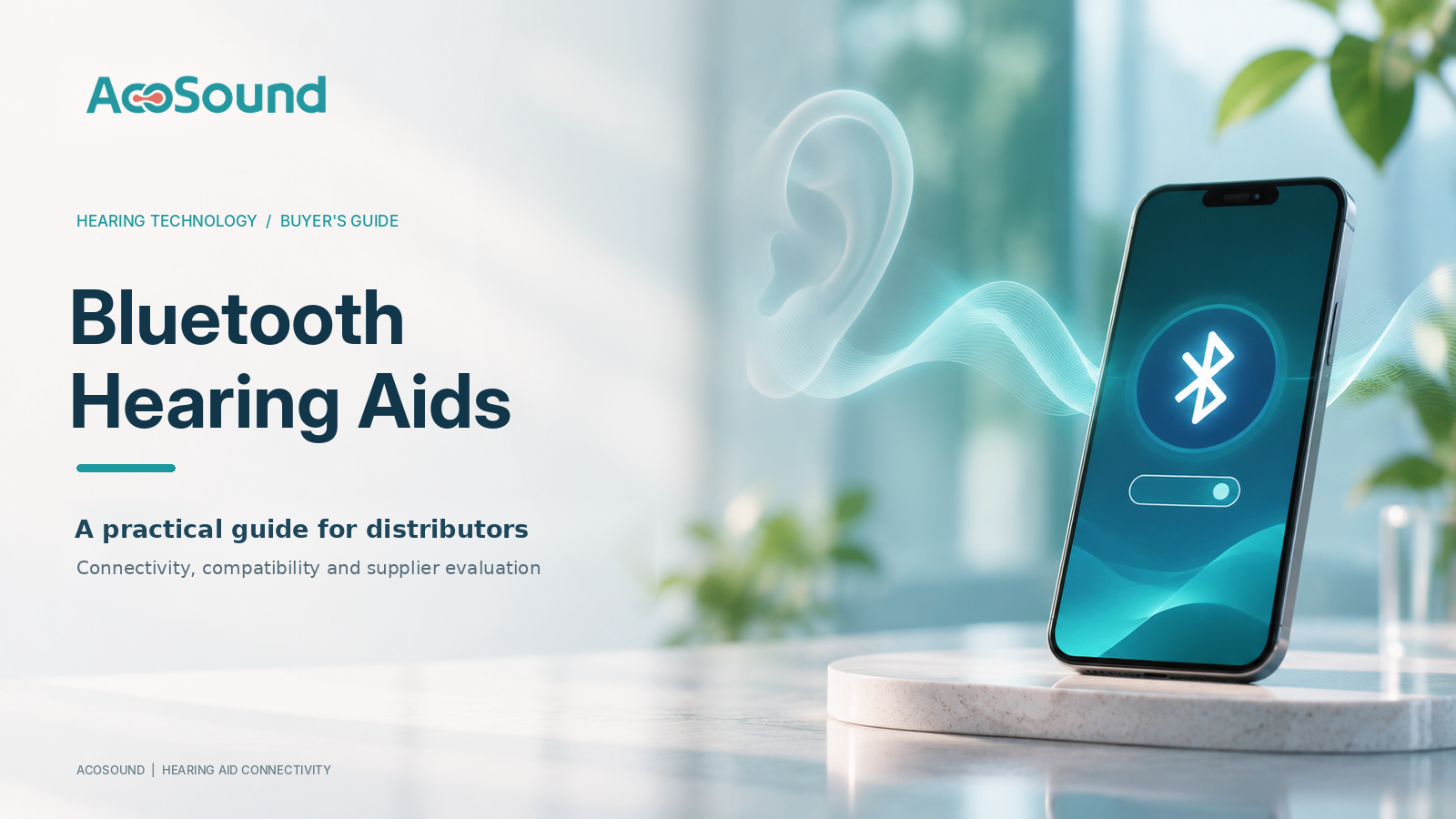
2026/11/02
A practical guide to Bluetooth hearing aid functions, app control, audio streaming, phone compatibility and supplier checks for distributors.
2026/10/15
Why are wholesale hearing aids surging worldwide? Discover the data-backed trends shaping hearing healthcare distribution.
2026/10/22
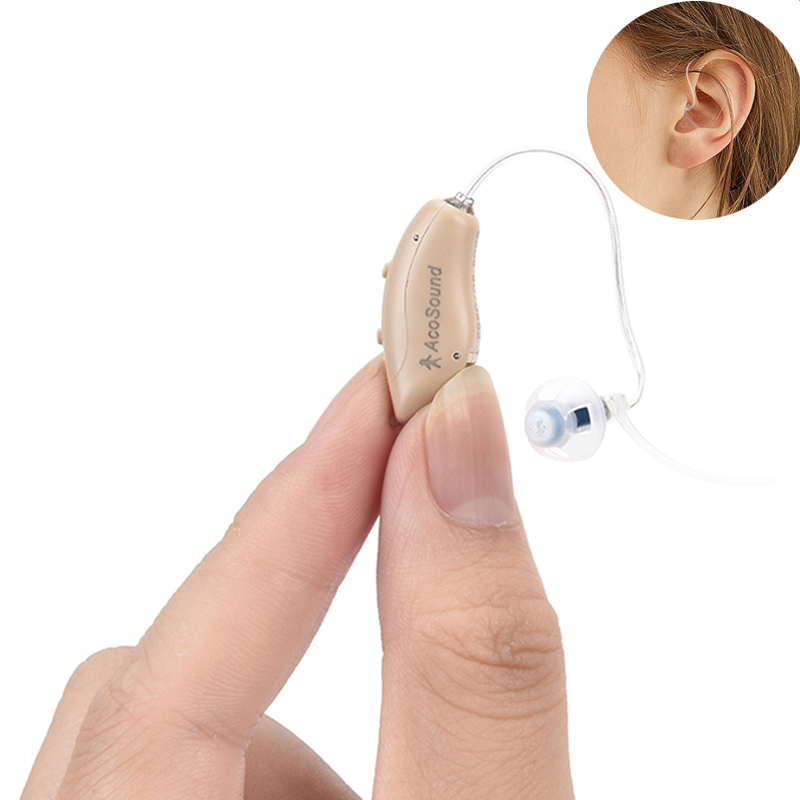
How do wholesale hearing aids deliver clinical-grade performance without premium pricing? Discover the tech tiers, QA standards, and strategic sourcing. Learn now.
2026/10/01
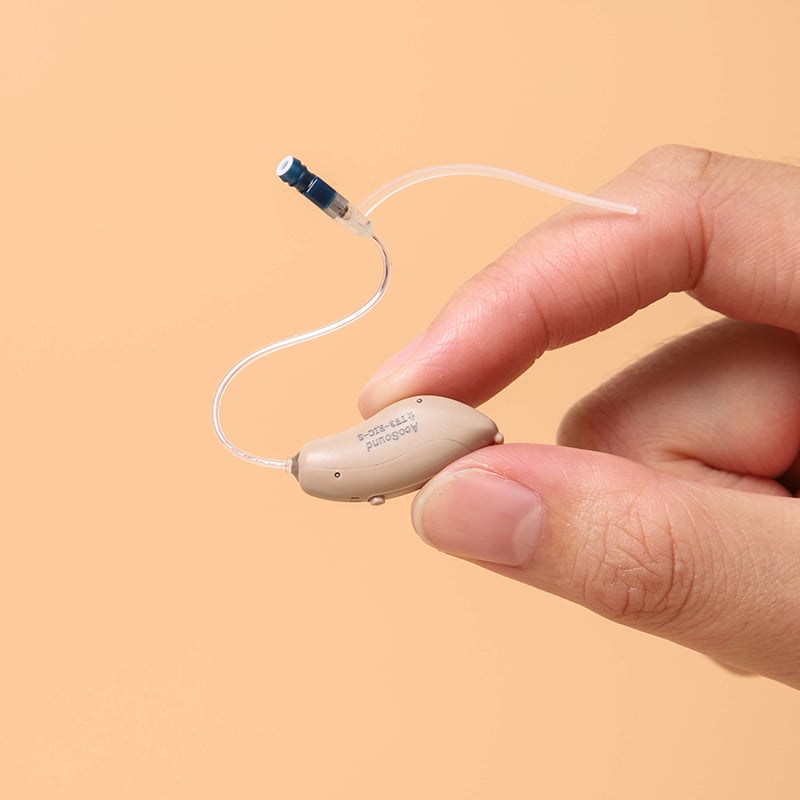
Discover how wholesale hearing aids drive revenue diversification. Unlock underserved markets—get your expansion roadmap now.