EN

Bluetooth Hearing Aids: A B2B Buyer’s Guide
2026/11/02
A practical guide to Bluetooth hearing aid functions, app control, audio streaming, phone compatibility and supplier checks for distributors.
2026/10/01
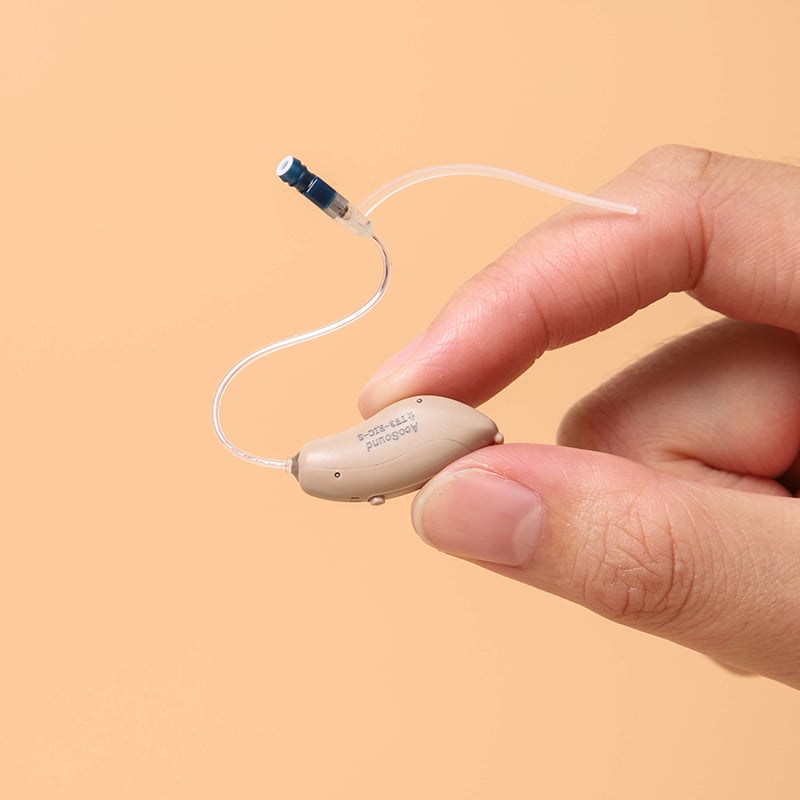
Retailers and healthcare providers seeking to expand their product portfolios often overlook one of the most accessible growth opportunities in the health technology sector. Adding wholesale hearing aids to your business model opens doors to underserved customer segments, improves revenue diversification, and strengthens your competitive position in an aging marketplace. The global hearing aid market continues to expand as baby boomers age and awareness of hearing health grows, making this an opportune time for businesses to enter or deepen their involvement in this category.
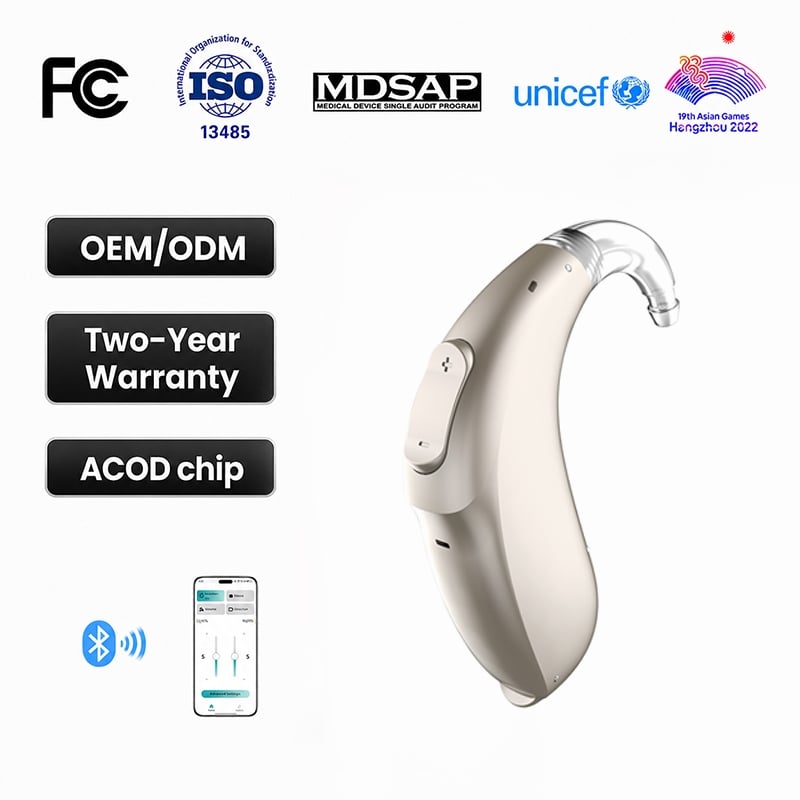
The decision to incorporate wholesale hearing aids into your business requires understanding market demand, pricing structures, regulatory considerations, and customer education needs. Unlike many consumer electronics, hearing aids represent a high-touch product category where customer support, fitting expertise, and after-sales service significantly influence purchasing decisions. Businesses that successfully integrate wholesale hearing aids demonstrate measurable gains in customer lifetime value, cross-selling opportunities, and brand loyalty. This article explores how adding wholesale hearing aids strengthens business growth and outlines the practical steps to execute this expansion strategy effectively.
The hearing aid industry represents a resilient, growing market segment with favorable demographic tailwinds. Approximately one in five adults experience some degree of hearing loss, yet adoption rates remain well below market potential. For businesses, this gap between need and actual product penetration creates a significant sales opportunity. Wholesale hearing aids allow retailers to capture margin across this underserved population segment without requiring substantial internal research and development investment. The category generates consistent, recurring revenue through initial sales, maintenance services, battery sales, and replacement cycles.
Healthcare-focused retailers, audiologists, and general consumer goods businesses can all benefit from wholesale hearing aids integration. The product category attracts customers with higher purchasing power and strong motivation, as hearing health directly impacts quality of life and workplace productivity. Wholesale hearing aids also enable businesses to bundle complementary services, including hearing tests, device fitting, and ongoing technical support, creating comprehensive customer solutions that differentiate from competitors.
Wholesale hearing aids appeal to multiple customer demographics that may not currently overlap with your existing business operations. Aging populations in developed markets represent the primary consumer base, but younger adults with occupational hearing loss and noise-exposed professionals also represent valuable segments. Veterans, industrial workers, and musicians seeking affordable hearing protection and amplification solutions expand the addressable market beyond traditional audiology channels. By offering wholesale hearing aids, businesses access new customer segments who may eventually purchase additional products and services, increasing overall customer lifetime value.
Adding wholesale hearing aids to your inventory creates a new revenue stream with healthy margin potential compared to many commodity products. The hearing aid category combines product sales with service delivery, allowing businesses to capture value across multiple touchpoints. Initial device sales generate immediate revenue, while ongoing battery sales, maintenance, repairs, and replacement cycles create predictable recurring income. Wholesale hearing aids typically feature higher profit margins than mass-market consumer goods, improving overall business profitability and financial resilience during economic downturns.
Businesses that diversify into wholesale hearing aids often discover unexpected cross-selling opportunities with existing customer bases. Older customers purchasing other products frequently experience undiagnosed hearing loss, and offering wholesale hearing aids positions your business as a comprehensive health solutions provider. This bundling approach increases basket size per transaction and strengthens customer switching costs, as multi-product relationships create higher switching friction than single-product purchases.
In an increasingly commoditized retail environment, wholesale hearing aids provide a differentiation lever that competitors may not easily replicate. The category requires specialized knowledge, regulatory compliance expertise, and customer relationship management capabilities that create barriers to entry. Businesses offering wholesale hearing aids position themselves as trusted healthcare advisors rather than generic retailers, elevating brand perception and customer expectations. This repositioning often enables premium pricing and strengthens customer loyalty beyond price-based competition.
Adding wholesale hearing aids also expands your business's addressable market geographically and demographically. Rural and underserved areas often lack convenient access to audiological services, creating opportunities for retailers to serve previously inaccessible customer populations. Wholesale hearing aids distribution networks can extend your reach into new markets without requiring additional physical locations, as many customers now accept remote fitting services and mail-based device delivery.
Successfully integrating wholesale hearing aids requires navigating regulatory frameworks, including FDA clearance requirements, device classification standards, and professional licensing regulations. Businesses must ensure all products meet applicable regulatory standards and maintain proper documentation throughout the supply chain. Partnering with established wholesale hearing aids suppliers who carry certified, cleared devices significantly simplifies compliance management and reduces legal exposure. Product selection should balance feature sophistication with affordability, as price sensitivity influences many hearing aid purchasing decisions among seniors on fixed incomes.
Training and certification requirements for staff members represent important implementation considerations when adding wholesale hearing aids to your business. While fitting complex digital hearing aids requires professional audiology credentials, basic customer education, device setup, and troubleshooting support often can be handled by trained retail personnel. Investing in employee training ensures consistent customer experiences and reduces return rates associated with improper device setup or unrealistic user expectations. Many wholesale hearing aids suppliers offer training resources and certification programs that help retailers build internal expertise quickly.
Wholesale hearing aids succeed or fail based on customer experience quality and ongoing technical support availability. Unlike transactional retail categories, hearing aids require patient-centered follow-up care, adjustment services, and troubleshooting support over months and years. Businesses must establish clear customer support processes, including device setup guidance, battery replacement services, cleaning and maintenance protocols, and repair referral workflows. Investing in support infrastructure demonstrates commitment to customer success and generates positive word-of-mouth referrals that drive future sales.
Remote customer support capabilities increasingly matter for wholesale hearing aids distribution, particularly in smaller markets or underserved regions. Video consultation tools, phone support hotlines, and detailed user guides help customers troubleshoot common issues independently, reducing operational burden on retail staff. Businesses that combine in-person fitting services with robust remote support options create seamless omnichannel experiences that appeal to digitally-native customers while maintaining accessibility for less technology-comfortable populations.
Wholesale hearing aids typically offer better value than direct-to-consumer models sold online without professional fitting services. While some online retailers offer lower nominal prices, wholesale hearing aids through established retailers include professional fitting, device adjustment, and ongoing support, which justify slightly higher price points. Customers purchasing wholesale hearing aids benefit from in-person consultation, hearing testing, and customized device programming rather than self-fitting generic devices. The total value proposition often favors wholesale hearing aids despite higher initial purchase prices, as professional fitting reduces adjustment frustration and improves long-term device satisfaction.
Selling wholesale hearing aids requires ensuring all devices carry appropriate FDA clearance or approval and comply with applicable medical device regulations. Depending on your jurisdiction and business structure, you may need state licensing for hearing aid dispensers or audiology supervision requirements. Working with established wholesale hearing aids distributors who handle regulatory certification significantly simplifies compliance management. Retailers should maintain clear documentation of device clearance status, customer records, and any adverse event reporting obligations to ensure ongoing regulatory compliance and mitigate legal liability.
Many modern wholesale hearing aids support remote fitting and adjustment through smartphone apps and internet connectivity, enabling businesses to serve customers without in-person visits. While initial hearing testing typically requires professional equipment and expertise, follow-up adjustments and troubleshooting increasingly occur remotely. Hybrid models combining initial in-person consultation with remote follow-up care offer convenience while maintaining professional oversight. Businesses adding wholesale hearing aids should evaluate which product platforms support remote capabilities and develop processes that balance convenience with clinical quality for optimal customer outcomes.
2026/11/02
A practical guide to Bluetooth hearing aid functions, app control, audio streaming, phone compatibility and supplier checks for distributors.
2026/10/29
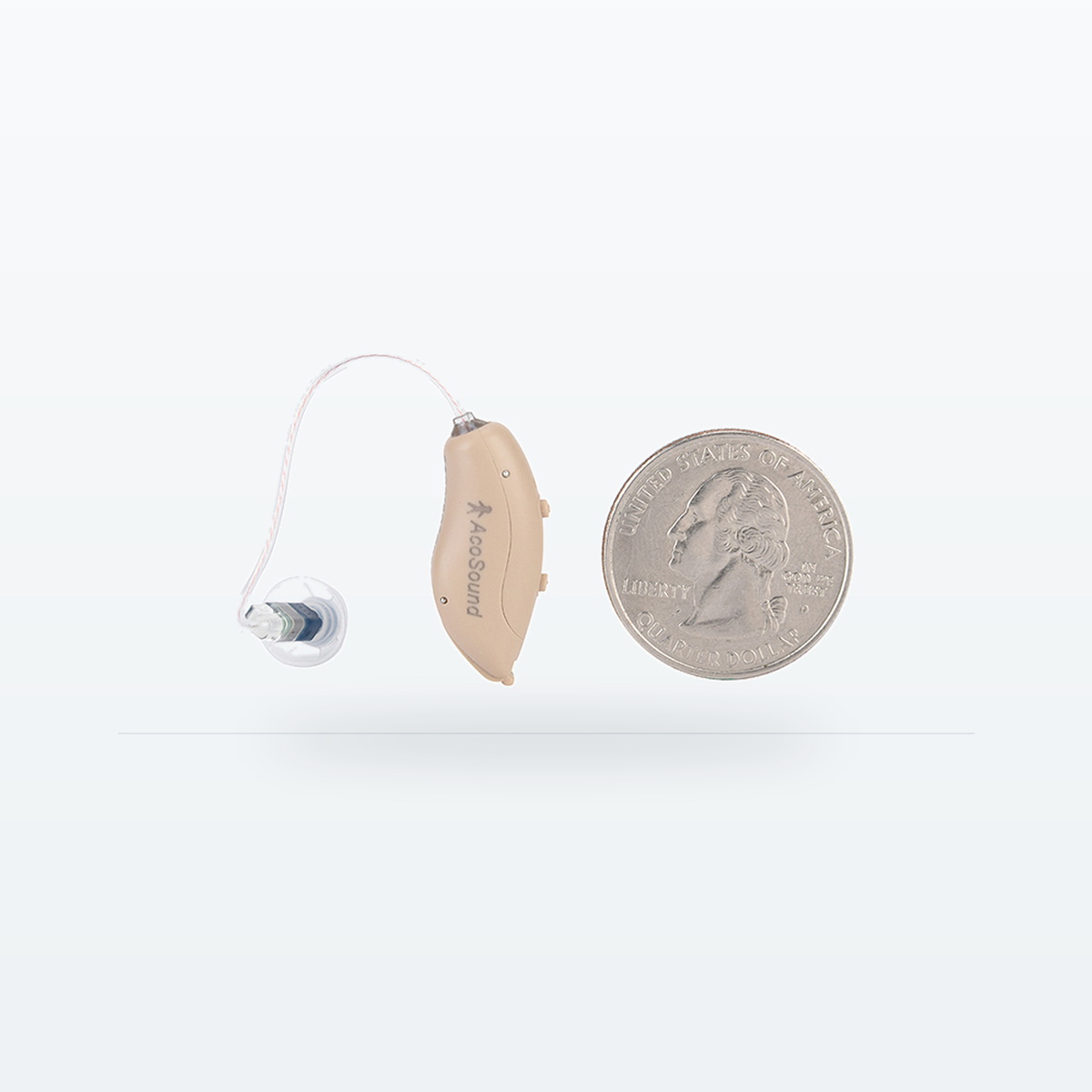
Struggling with unreliable suppliers? Discover 10 proven criteria to evaluate hearing aid distributors. Start choosing strategically today.
2026/10/15
Why are wholesale hearing aids surging worldwide? Discover the data-backed trends shaping hearing healthcare distribution.
2026/10/22
How do wholesale hearing aids deliver clinical-grade performance without premium pricing? Discover the tech tiers, QA standards, and strategic sourcing. Learn now.