EN

Bluetooth Hearing Aids: A B2B Buyer’s Guide
2026/11/02
A practical guide to Bluetooth hearing aid functions, app control, audio streaming, phone compatibility and supplier checks for distributors.
2026/10/15
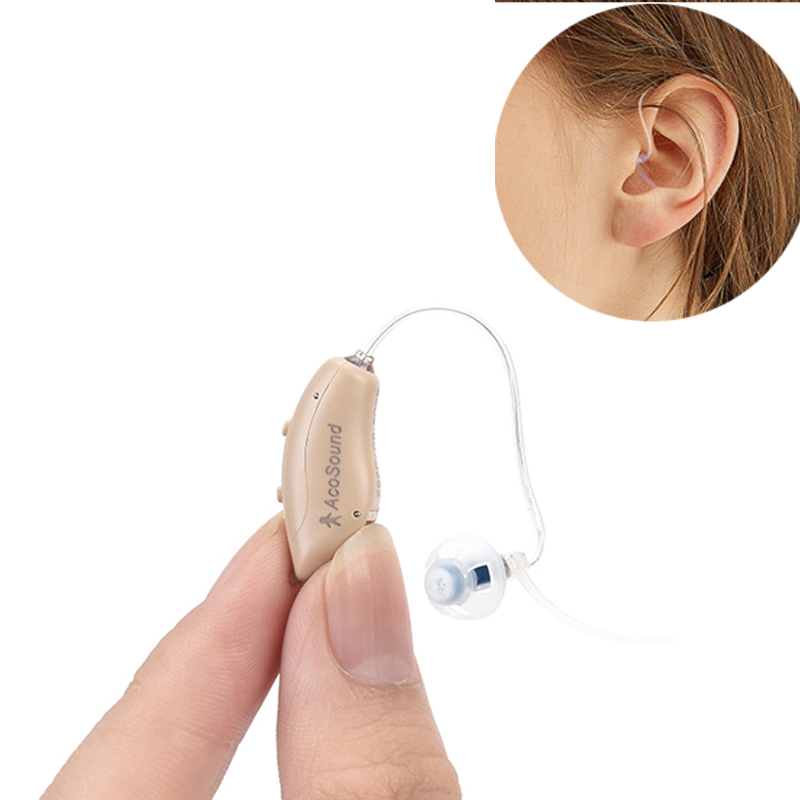
The global hearing aid market is experiencing unprecedented growth, with wholesale hearing aids becoming a cornerstone of this expansion. As populations age worldwide and hearing loss awareness increases, the demand for affordable, accessible hearing solutions has never been stronger. Wholesale hearing aids represent a critical pathway for manufacturers, retailers, and audiologists to meet this surging need while maintaining competitive pricing and profitability. This shift reflects both demographic pressures and evolving consumer expectations around cost-effectiveness and product availability.
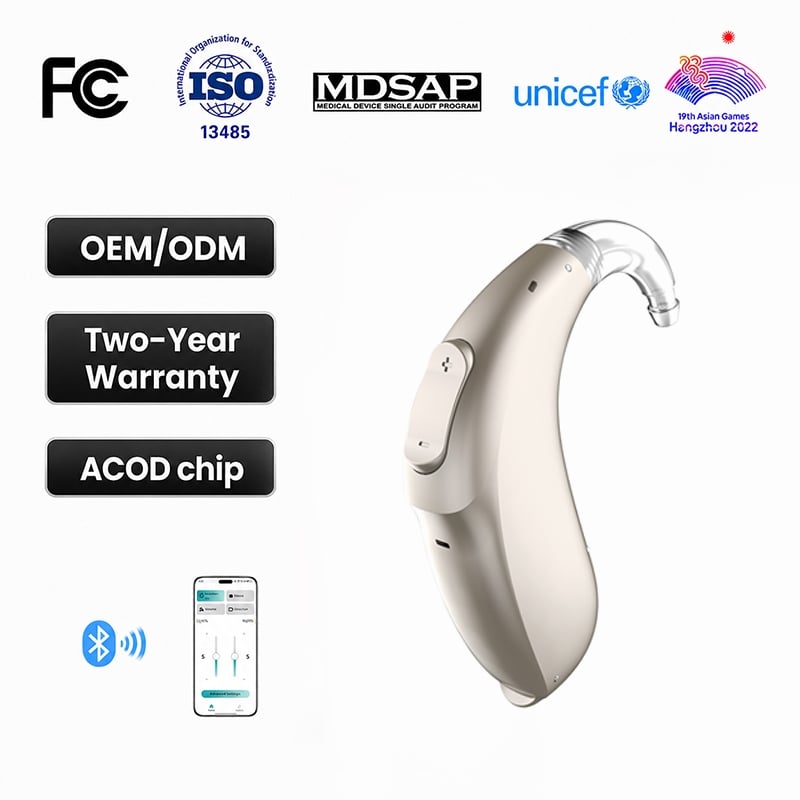
Understanding why wholesale hearing aids continue to dominate global markets requires examining multiple interconnected factors. Economic pressures, technological advancement, regulatory changes, and demographic shifts all contribute to this phenomenon. The market dynamics reveal not just temporary trends but fundamental restructuring of how hearing healthcare reaches consumers worldwide.
The world's aging demographic profile remains the primary catalyst for wholesale hearing aids expansion, as longer life expectancy and declining birth rates steadily reshape population structures across both developed and developing nations. By 2050, the global population aged 60 and above will reach approximately 2.1 billion individuals, more than double today's figure, creating an unprecedented surge in demand for age-related health products and services. Age-related hearing loss, known as presbycusis, affects a substantial percentage of this demographic, gradually eroding the ability to hear high-frequency sounds and conversational speech, which can lead to social isolation, reduced cognitive stimulation, and diminished quality of life if left unaddressed. This creates enormous demand for hearing solutions that are accessible, affordable, and easy to use, particularly in regions where traditional clinical distribution channels are limited or prohibitively expensive. Wholesale hearing aids address this challenge by providing cost-effective solutions that scale across diverse income levels and geographic regions, removing many of the financial barriers that have historically kept hearing care out of reach for large segments of the population. By supplying products in bulk to retailers, clinics, and distributors, wholesale channels lower per-unit costs and make it possible to serve price-sensitive markets without sacrificing quality. This scalability also supports emerging markets, where growing aging populations and expanding middle classes are driving new demand, and where flexible, volume-based distribution models can adapt to local purchasing power and infrastructure constraints. As the global population continues to age, wholesale hearing aids are positioned to play an increasingly central role in expanding access to hearing care worldwide.
Public health campaigns and improved awareness initiatives have transformed hearing loss from a silent stigma into a recognized medical concern. More individuals actively seek hearing solutions than ever before. This behavioral shift expands the addressable market for wholesale hearing aids significantly. Healthcare providers and retailers now recognize hearing correction as essential to quality of life, not optional treatment, driving procurement of wholesale hearing aids at higher volumes.
Wholesale hearing aids democratize access to hearing technology across income levels and geographic markets. By removing retail markup layers, wholesale pricing enables manufacturers to reach emerging markets where traditional retail channels prove economically unfeasible. This cost advantage drives adoption in developing regions where hearing loss prevalence is high but disposable income remains limited. The wholesale model creates sustainable margins while maintaining accessibility, explaining strong demand across global markets.
Rapid urbanization in Asia, Africa, and Latin America has created massive new markets for hearing solutions. Wholesale hearing aids provide the optimal distribution mechanism for these regions. Local retailers, clinics, and healthcare networks can acquire hearing aids at volumes and prices that make business models viable. This geographic expansion represents a permanent shift in where hearing aid demand originates, with wholesale channels leading this penetration.
Modern manufacturing processes have transformed wholesale hearing aids from commodity products into customizable, digitally-optimized devices. Automated production facilities can manufacture diverse hearing aid configurations at scale while maintaining quality consistency. Advanced fitting software allows practitioners to personalize wholesale hearing aids for individual patient needs remotely. This combination of technology and efficiency makes wholesale hearing aids economically attractive for bulk procurement while delivering performance comparable to premium retail offerings.
Supply chain innovation has made wholesale hearing aids distribution faster, more reliable, and more cost-effective globally. Digital inventory management, improved logistics infrastructure, and international trade agreements facilitate bulk shipments to retail partners and practitioners worldwide. Manufacturers can now reach distant markets with consistent availability of wholesale hearing aids, reducing stockouts and enabling retailers to confidently commit to inventory. This operational efficiency supports the sustained growth in wholesale hearing aids demand across regions.
Wholesale hearing aids eliminate retail markup layers, allowing manufacturers to pass savings directly to bulk buyers. Distribution consolidation, reduced administrative overhead, and higher production volumes create economies of scale that lower per-unit costs. Retailers purchasing wholesale hearing aids can maintain healthy margins while offering competitive pricing to end consumers, making hearing solutions accessible to broader populations.
Asia-Pacific regions, particularly China and India, lead global growth in wholesale hearing aids demand due to large aging populations and rising healthcare spending. Latin America and parts of Africa also experience accelerating adoption as hearing healthcare infrastructure develops. These emerging markets prefer wholesale hearing aids because they enable local businesses to establish sustainable hearing aid distribution without requiring capital-intensive retail networks.
Wholesale hearing aids benefit from standardized manufacturing processes, automated quality control systems, and elimination of expensive retail infrastructure. Digital fitting technology allows practitioners to optimize performance for individual users without requiring premium device positioning. Modern wholesale hearing aids incorporate advanced features like noise reduction, Bluetooth connectivity, and rechargeable batteries while maintaining cost-effectiveness through efficient production and distribution channels.

2026/11/02
A practical guide to Bluetooth hearing aid functions, app control, audio streaming, phone compatibility and supplier checks for distributors.
2026/10/29
Struggling with unreliable suppliers? Discover 10 proven criteria to evaluate hearing aid distributors. Start choosing strategically today.
2026/10/22
How do wholesale hearing aids deliver clinical-grade performance without premium pricing? Discover the tech tiers, QA standards, and strategic sourcing. Learn now.
2026/10/01
Discover how wholesale hearing aids drive revenue diversification. Unlock underserved markets—get your expansion roadmap now.