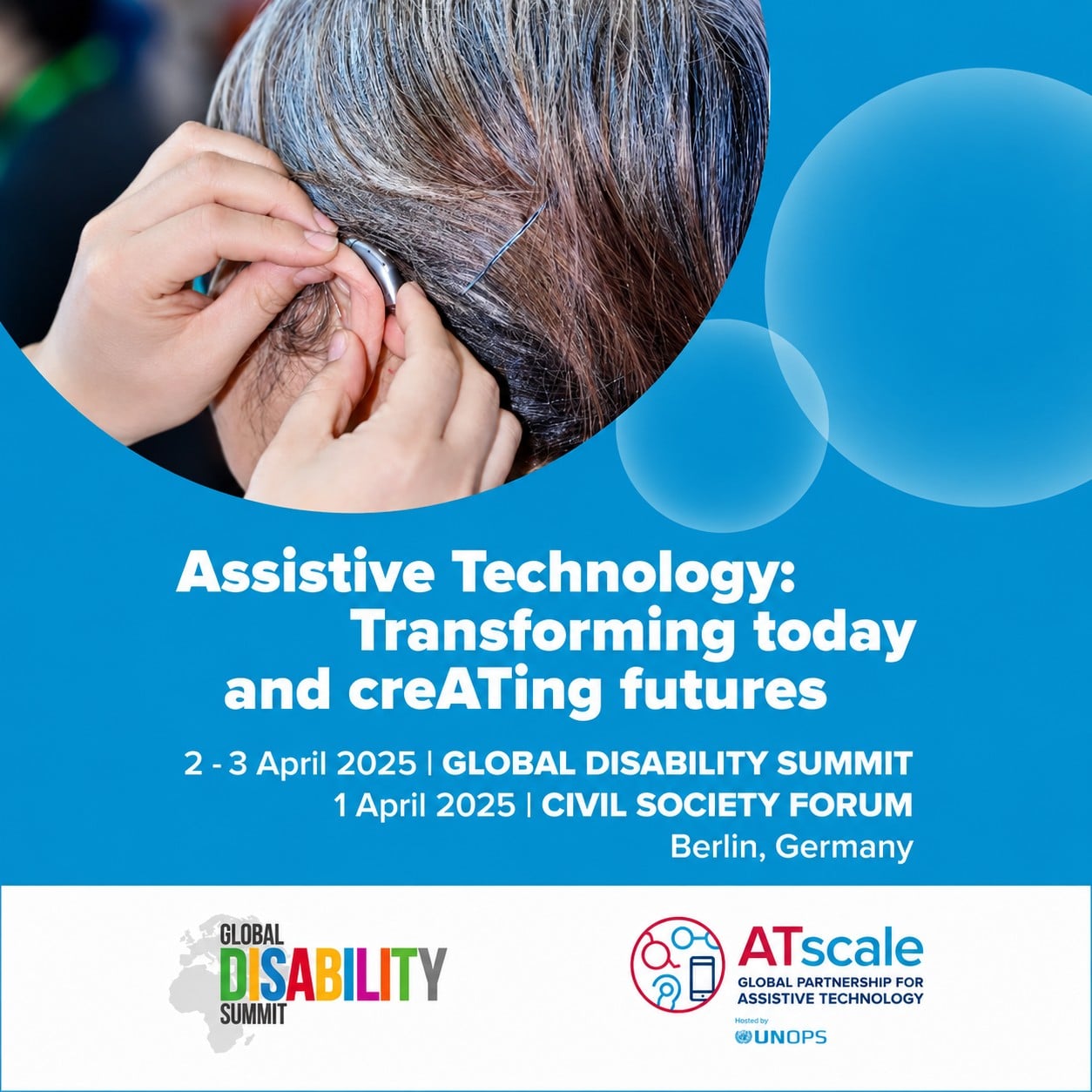
For hearing aid distributors, hearing care providers, and professional partners, product specifications are only part of the story. Real-world fitting experience shows how a hearing aid performs when it meets the individual needs, listening environments, and daily habits of an actual user.
This case follows a 55-year-old woman with significant hearing difficulties who received professional hearing assessment, RIC hearing aid fitting, user training, and two follow-up adjustments.
Her experience demonstrates why successful hearing care depends not only on selecting a suitable device, but also on accurate fitting, listening feedback, and continued support after delivery.
From Long-Term Hearing Difficulty to Professional Assessment
The user had worked for many years in a noisy workshop environment. Earlier in life, she had also used an inappropriate home remedy involving liquid placed in the ear.
Over time, her hearing gradually declined.
By middle age, the problem had begun to affect everyday communication. Conversations with family members became harder to follow, daily activities were less convenient, and she often needed to increase the volume when watching short videos on her phone.
After seeking medical advice, she was recommended to consider hearing aid intervention.
A professional hearing evaluation was then carried out.
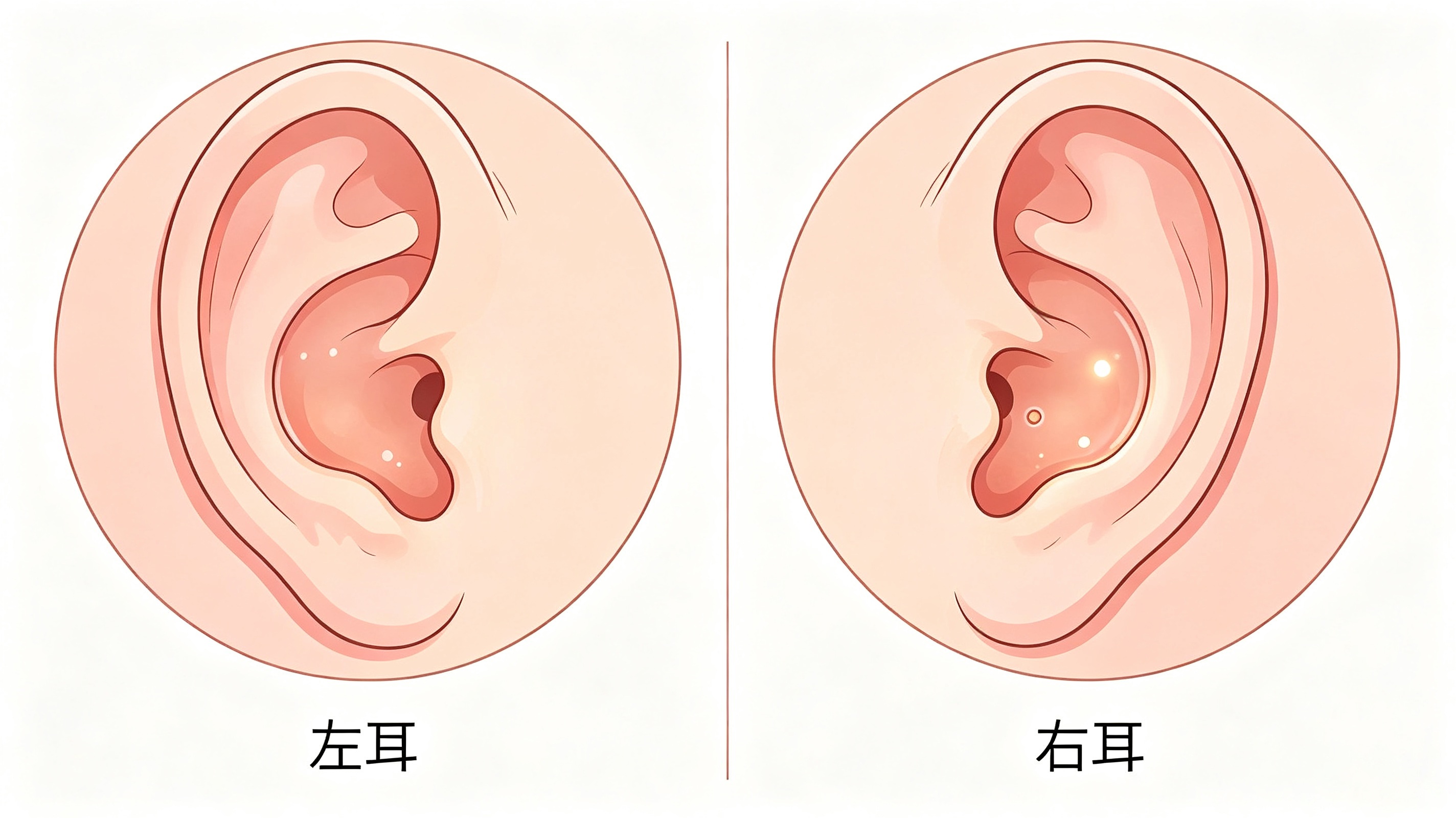
Otoscopy showed normal ear canals and tympanic membrane conditions. Pure-tone audiometry indicated severe bilateral sensorineural hearing loss.
The assessment provided a clear basis for selecting and programming an appropriate hearing solution.
Understanding the User's Real Listening Needs
Successful hearing aid fitting begins with more than an audiogram.
The fitting team also discussed the situations in which the user most wanted improvement.
Her priorities were practical and closely connected to everyday life:
She wanted to follow conversations more easily without reacting slowly.
She wanted to communicate naturally with her husband and son without requiring family members to raise their voices.
She also wanted a better mobile audio experience so that she would not need to set short-video volume unusually high.
Her unaided speech recognition foundation was considered relatively good, suggesting that an appropriately fitted hearing aid could help her make better use of speech information.
For hearing care professionals, this type of needs assessment is important because two users with similar audiograms may still require very different fitting strategies.
Starting with a RIC Hearing Aid Trial
The user first tried a basic RIC hearing aid.
Initial performance was encouraging.
Face-to-face communication became easier, group conversation improved, and outdoor walking also felt more comfortable.
However, one issue remained: her own voice sounded somewhat heavy.
This type of feedback is an important part of the fitting process. A hearing aid may provide sufficient amplification while still requiring further optimization for sound quality, environmental noise, or specific listening situations.
Because the user frequently encountered noisy environments and also wanted a better experience when listening to mobile video content, the fitting team recommended a higher-level device with stronger speech processing and improved handling of sudden noise.
After comparing the listening experience, she selected the upgraded solution.
The fitting team then provided hands-on instruction covering charging, power controls, compatible app operation, gradual wearing adaptation, moisture protection, and earwax-related maintenance.
Why Hearing Aid Fitting Does Not End at Delivery
One of the most important points in this case appeared after the initial fitting.
The user returned for further adjustment because real-world use revealed listening issues that were difficult to identify during the first appointment.
During the first follow-up, she reported that sudden unexpected sounds could feel sharp and uncomfortable. She also continued to use a relatively high volume when watching short videos.
The fitting professional adjusted noise reduction settings and the multimedia listening channel.
After this adjustment, the sharpness of sudden sounds was reduced and the mobile listening experience improved.
During the second follow-up, the user reported another issue: sound level sometimes felt inconsistent, and speech clarity was not always stable.
The fitting team recalibrated gain parameters.
Following the adjustment, sound became more balanced and comfortable, and the user reported no further significant discomfort.
This demonstrates an important principle in professional hearing aid fitting:
Initial programming provides a starting point. Real-world feedback helps refine the final listening experience.
What This Case Shows About Real-World Hearing Aid Performance
For a hearing aid manufacturer, distributor, or professional hearing care provider, real-world fitting cases provide information that product specifications alone cannot fully show.
Several factors were important in this user's experience.
First, hearing aid selection was based on both hearing loss and daily listening scenarios.
Second, the RIC hearing aid trial helped establish the user's expectations before a higher-level solution was selected.
Third, user education reduced uncertainty around charging, app operation, daily wearing, and maintenance.
Most importantly, follow-up fitting allowed the device to be adjusted according to actual listening feedback.
Sudden-noise discomfort, multimedia listening, speech clarity, and gain balance were not treated as isolated complaints. They became part of an iterative fitting process.
For B2B partners, this type of service experience is relevant because product satisfaction depends on the relationship between device performance, fitting flexibility, professional support, and end-user adaptation.
The Value of Continued Hearing Care Support
Hearing aid delivery should not be viewed as the end of the service process.
In this case, continued adjustment helped the user move from simply hearing more sound to achieving a more comfortable and practical listening experience.
The service team also provided ongoing maintenance support and periodic invitations for device care.
This type of after-sales support is important for long-term hearing aid use because users may experience changing needs as they become more familiar with amplification in everyday environments.
For manufacturers and distributors, reliable fitting support can also help reduce unnecessary product dissatisfaction that may actually result from programming, adaptation, or maintenance issues rather than hardware performance.

What This Means for AcoSound B2B Partners
AcoSound develops hearing solutions for professional hearing care markets and works with distributors, importers, hearing care providers, and brands serving different user groups.
Real-world fitting experience helps connect product development with practical user needs.
For B2B partners, this means evaluating a hearing aid not only by channel count, output, battery life, connectivity, or other technical parameters, but also by how effectively the product can be fitted and supported in real-life use.
AcoSound supports professional cooperation including distribution, private label, OEM, and ODM projects for partners seeking hearing aid solutions for their target markets.
By combining product development with practical fitting experience and continued user feedback, AcoSound aims to support partners in delivering more consistent and reliable hearing care experiences.
Better hearing technology creates greater value when it is supported by professional fitting and long-term care.
Looking for a Professional Hearing Aid Partner?
If you are a hearing aid distributor, importer, hearing care provider, or brand looking for reliable RIC hearing aids and flexible cooperation solutions, AcoSound welcomes opportunities for long-term partnership.
Contact AcoSound to discuss product selection, OEM/ODM requirements, target-market needs, or professional hearing aid solutions.
Contact AcoSound to Start a Conversation
 EN
EN