EN

Bluetooth Hearing Aids: A B2B Buyer’s Guide
2026/11/02
A practical guide to Bluetooth hearing aid functions, app control, audio streaming, phone compatibility and supplier checks for distributors.
2026/10/27
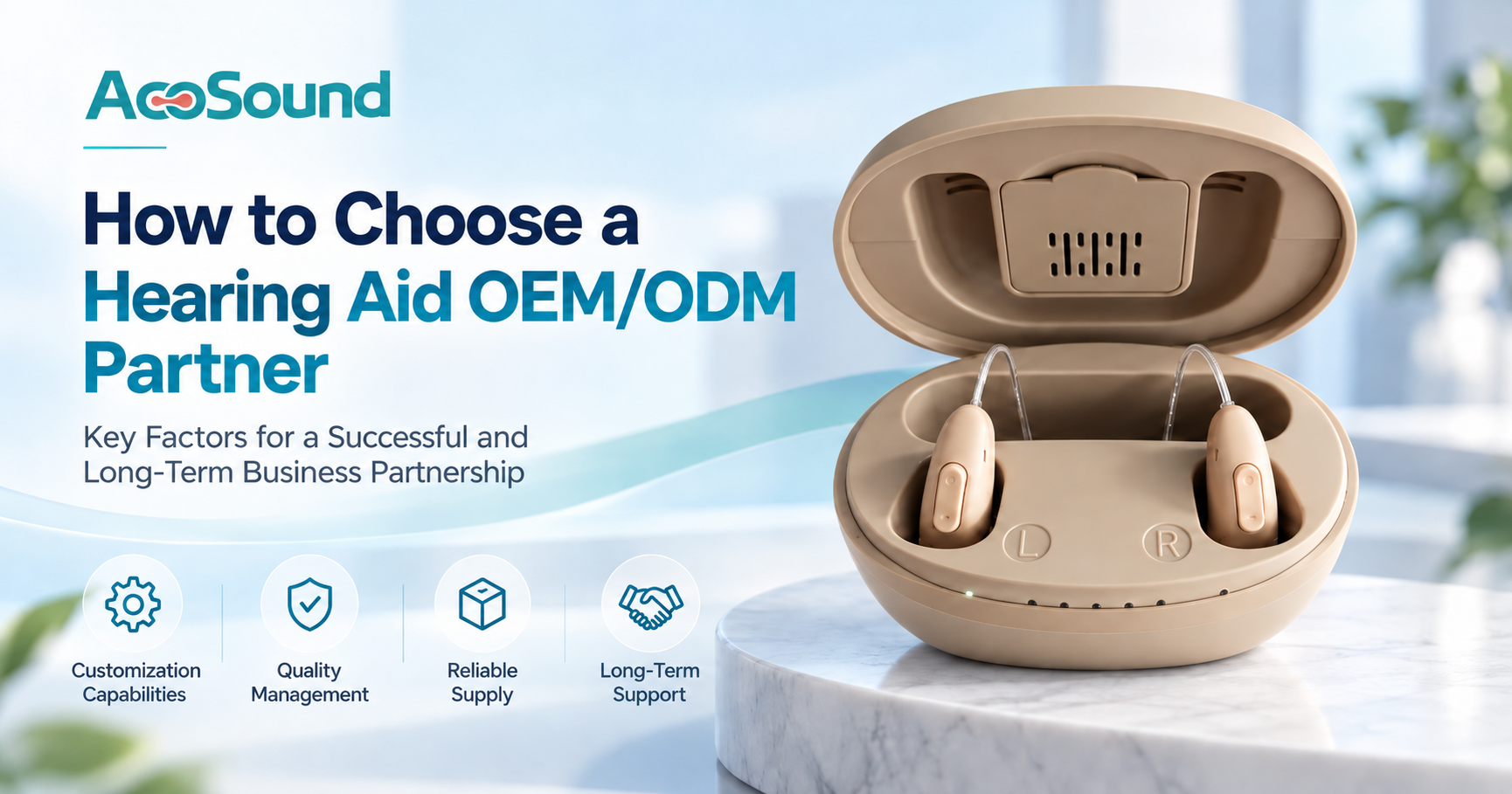
Choosing a hearing aid OEM/ODM partner is an important decision for distributors, retailers, and private-label brands. Beyond unit price, buyers need to assess product options, customization, quality processes, delivery terms, and after-sales support. A structured review helps a business select a hearing aid supplier whose capabilities match its target market and commercial plan.
Before contacting a hearing aid manufacturer, prepare a product brief. Include your target country, intended customers, price position, estimated order quantity, preferred style, required features, packaging, language needs, and delivery expectations. This hearing aid brief should be specific enough for suppliers to quote against the same requirements.
Your brief may cover RIC, BTE, ITE, or CIC hearing aid styles, rechargeable or battery-powered options, connectivity, accessories, and fitting requirements. Specify the intended role of each hearing aid model in your portfolio. Separate essential features from optional requests. This helps each hearing aid supplier provide a comparable proposal and makes gaps easier to identify.
OEM and ODM can mean different things to different manufacturers. OEM commonly involves production according to a customer's specifications or brand requirements, while ODM may include more product design and development by the supplier. Ask the hearing aid manufacturer to define the exact scope, including which parts are standard and which can be customized. Request written confirmation for any hearing aid feature that is essential to your launch.
Request current, model-specific documentation before selecting a hearing aid. Depending on the product, relevant information may include gain, maximum output, fitting options, programs, connectivity, power arrangements, and compatible accessories. Compare actual specifications rather than relying on broad marketing claims. Make sure the hearing aid data sheet matches the exact model and configuration being quoted.
Ask how the hearing aid supplier manages inspections, nonconforming products, corrective actions, and changes to components or specifications. If the manufacturer refers to ISO 13485, request the applicable certificate and verify its validity, scope, legal entity, and manufacturing site. ISO 13485 is a quality management system standard for medical devices; a certificate alone does not establish that every hearing aid is approved for every market.
Confirm which product documents, labels, and approvals are required in your target country. Clarify the responsibilities of the manufacturer, importer, distributor, and brand owner before placing an order. Ask for the hearing aid documentation that is relevant to your intended market. A capable hearing aid OEM/ODM partner should explain what documentation is available and what remains the buyer's responsibility.
A sample lets your team compare the actual hearing aid with the agreed requirements. Review the device, controls, accessories, packaging, labels, and user documentation. Where appropriate, involve qualified hearing-care professionals in fitting-related evaluation.
Before approving production, record the exact model and configuration, including accessories and branding. Keep written feedback on the hearing aid sample so the final approval can be traced to the agreed requirements. Ask how changes will be communicated and approved. A reliable hearing aid manufacturer should explain how the approved sample and specifications will be carried through to production.
For private-label projects, ask which elements can be customized. Options may include logo placement, packaging, manuals, accessories, product appearance, or selected app elements. Availability varies by hearing aid model, and not every feature can be changed. Confirm whether customization affects development costs, minimum order quantities, or lead times.
The lowest unit price may not represent the lowest overall project cost. Consider sample and development charges, customized packaging, accessories, testing, shipping, import costs, training, warranty handling, and spare parts. Ask suppliers to separate one-time charges from recurring production costs.
Confirm minimum order quantities for standard and customized products, sample timing, production lead time after approval, payment terms, and order-change conditions. Clear written terms help you compare each hearing aid proposal and plan inventory and cash flow. Ask whether the hearing aid price includes the accessories and packaging specified in your brief.
Support matters after a hearing aid leaves the factory. Ask how technical questions, spare-part requests, warranty claims, and product complaints are handled. Confirm the contact process, information required to report an issue, response arrangements, and how recurring problems are investigated. Ask whether hearing aid service parts and technical guidance will remain available for repeat orders.
For private-label projects, check whether the supplier can provide hearing aid manuals, fitting guidance, training materials, and local-language documentation suitable for your sales channel. Confirm how revisions to products, packaging, and documents are tracked so outdated versions are not used unintentionally.
A long-term relationship depends on clear responsibilities and practical communication. When comparing a hearing aid OEM/ODM partner, look for specific procedures and evidence rather than broad promises that problems will never occur.
Use the same criteria for each shortlisted hearing aid supplier:
Product fit: Does the hearing aid model meet your documented technical and commercial needs?
Customization: Which product, packaging, branding, and app elements can be changed?
Quality: What quality procedures and supporting documents can be reviewed?
Compliance: Which documents apply to your target market, and who is responsible for each requirement?
Samples: Can you evaluate and approve the final hearing aid configuration before production?
Commercial terms: Are price, minimum order quantity, lead time, and payment conditions clear?
Support: Are warranty handling, spare parts, and technical assistance defined?
Mark each answer as confirmed, pending, or unavailable. Use the same checklist for every hearing aid manufacturer you consider. This makes information gaps visible and prevents assumptions from being mistaken for verified capabilities.
OEM generally refers to manufacturing according to a customer's specifications or brand requirements. ODM may include a greater role for the supplier in design and development. Confirm the exact hearing aid services in writing.
No. Review the certificate's scope and validity, as well as hearing aid documentation, market-specific requirements, sample results, and support arrangements.
Yes. Evaluate hearing aid samples against agreed criteria and document the approved product, accessories, packaging, and specifications before authorizing production.
Choosing a hearing aid OEM/ODM partner requires a clear product brief, verifiable documentation, sample evaluation, transparent commercial terms, and defined after-sales support. A structured review helps distributors and private-label brands compare suppliers fairly and resolve unanswered questions before committing to production.
AcoSound publishes information about its OEM/ODM hearing aid solutions, including product customization, branding, packaging, accessories, sampling, quality inspection, and after-sales support. Confirm available options for the specific model and project.
Planning a hearing aid project?
Explore AcoSound's OEM/ODM solutions or product range to discuss your target market, product requirements, and customization needs.
2026/11/02
A practical guide to Bluetooth hearing aid functions, app control, audio streaming, phone compatibility and supplier checks for distributors.
2026/10/29
Struggling with unreliable suppliers? Discover 10 proven criteria to evaluate hearing aid distributors. Start choosing strategically today.
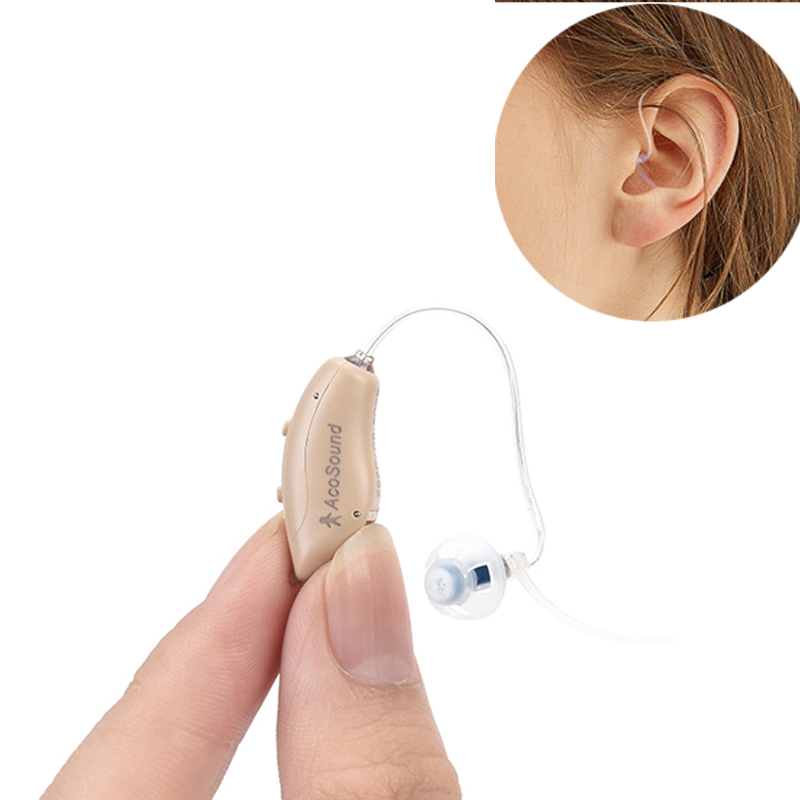
2026/10/15
Why are wholesale hearing aids surging worldwide? Discover the data-backed trends shaping hearing healthcare distribution.
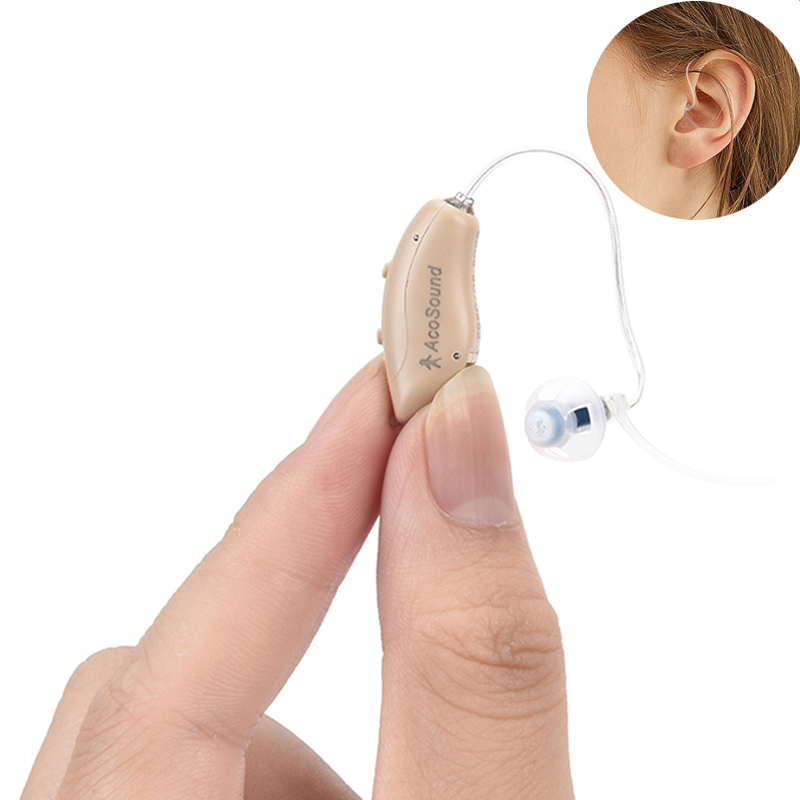
2026/10/22
How do wholesale hearing aids deliver clinical-grade performance without premium pricing? Discover the tech tiers, QA standards, and strategic sourcing. Learn now.
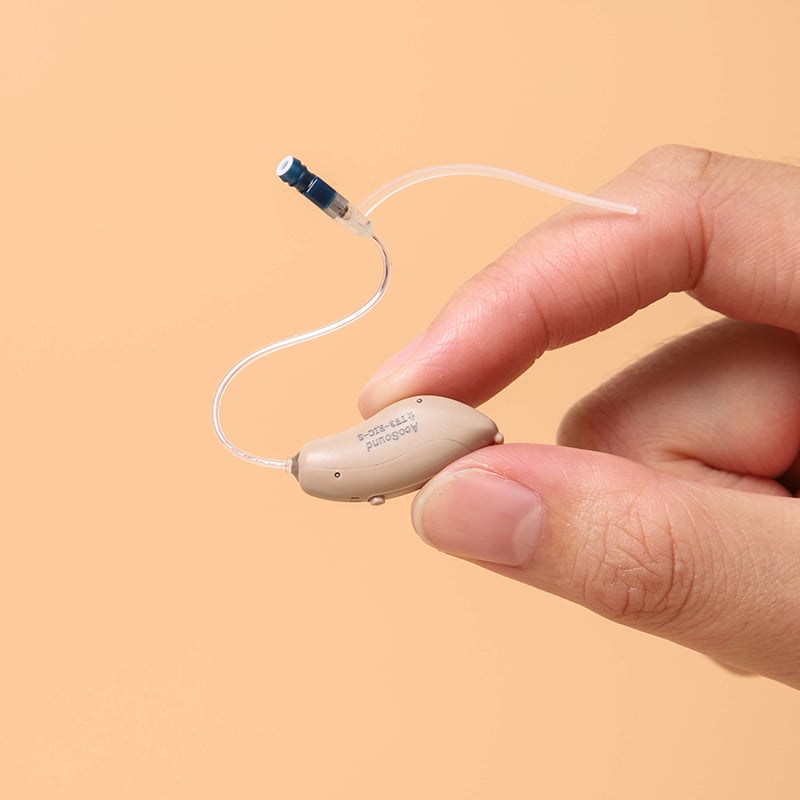
2026/10/01
Discover how wholesale hearing aids drive revenue diversification. Unlock underserved markets—get your expansion roadmap now.