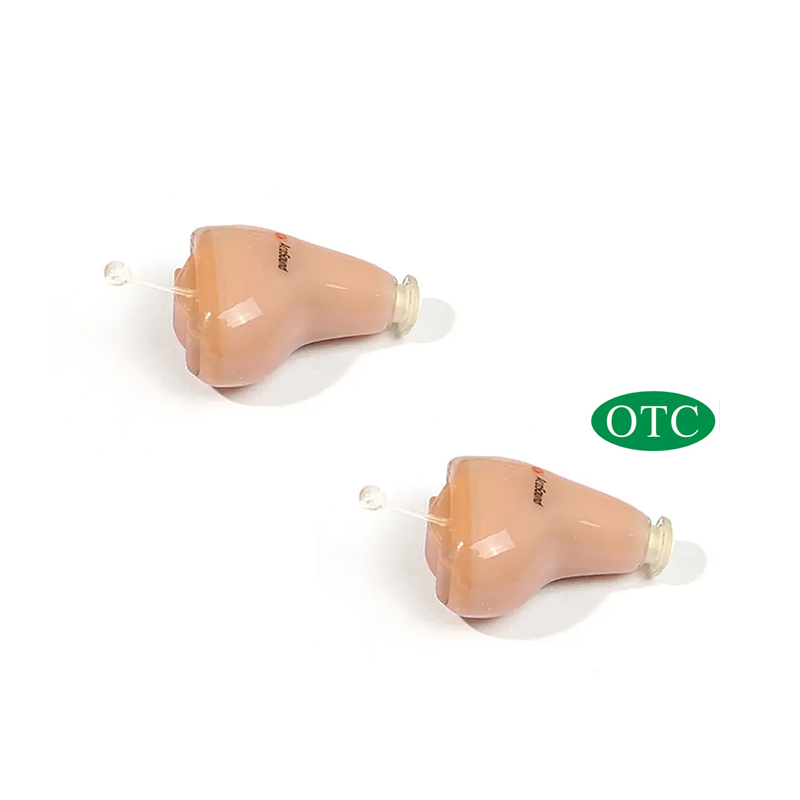
Hearing aids manufacturers face significant responsibility in delivering devices that restore one of our most vital senses. The process of ensuring quality and performance in hearing aids goes far beyond basic assembly. Manufacturers invest heavily in precision engineering, rigorous testing protocols, and continuous innovation to guarantee that every pair of hearing aids meets strict performance benchmarks. This commitment to excellence directly impacts the lives of millions of users who depend on these devices daily. Understanding how hearing aids are manufactured and quality-assured provides valuable insight into why professional hearing aids command their price point and why users can trust the technology.
The manufacturing landscape for hearing aids has evolved dramatically over the past two decades. Today's hearing aids represent the culmination of advanced materials science, digital signal processing, and biocompatible engineering. Leading manufacturers implement multi-layered quality assurance systems that begin during the design phase and continue through production, testing, and post-sale monitoring. Each hearing aids unit undergoes individual validation before reaching consumers, ensuring that quality standards remain consistent across every production batch and model line.
Design Validation and Component Selection
Precision Engineering Standards
Hearing aids manufacturers start quality assurance during the design phase, well before manufacturing begins. Engineers specify materials and components that meet international biocompatibility standards, particularly for devices that contact skin directly. The hearing aids housing materials must withstand moisture, temperature fluctuations, and frequent handling without degrading sound quality or causing allergic reactions. Manufacturers conduct extensive material testing to confirm that plastics, metals, and coatings maintain their properties throughout the device's operational lifespan. Hearing aids circuit boards and microchips are selected from suppliers who maintain ISO certification and provide documented quality metrics. This upstream component selection is foundational to ensuring that hearing aids will perform reliably in real-world conditions for years of daily use.
Acoustic Simulation and Modeling
Before physical prototypes exist, hearing aids manufacturers use advanced computational modeling to predict acoustic performance. Digital simulations help engineers optimize microphone placement, speaker positioning, and acoustic chambers to achieve target frequency response curves. These simulations allow manufacturers to identify potential acoustic issues—such as feedback loops, frequency peaks, or bass distortion—before manufacturing hearing aids prototypes. Once hearing aids prototypes are built, manufacturers validate simulations against real-world acoustic measurements, ensuring that design predictions translate accurately into finished products. This virtual testing phase reduces costly revisions and accelerates the path to manufacturing consistent hearing aids that meet performance specifications from the first production run.
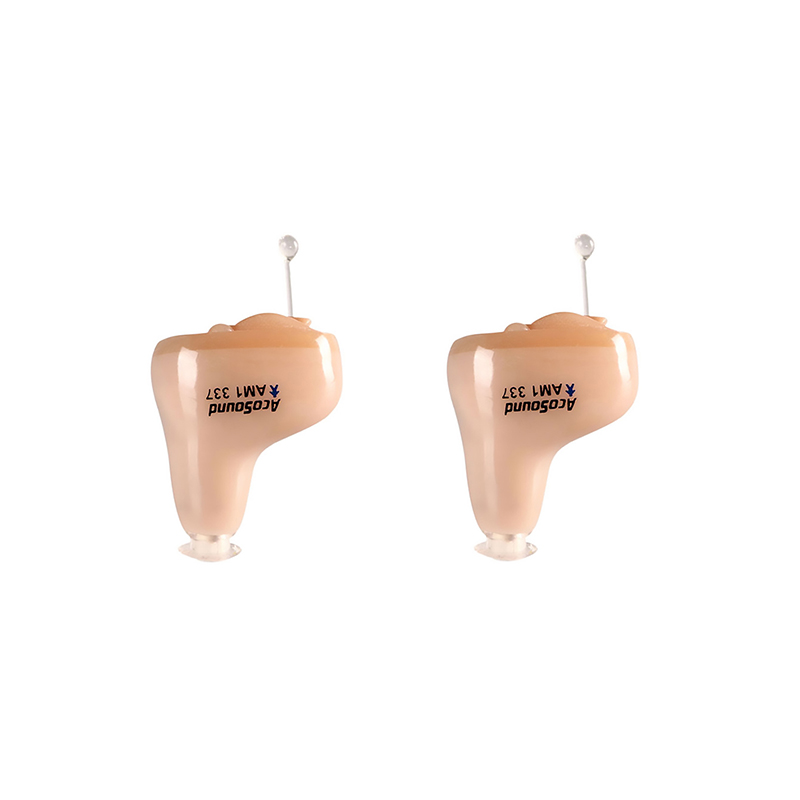
Manufacturing Quality Control Processes
Component Assembly and Inspection
Once hearing aids designs are finalized, manufacturing begins with strict component inspection protocols. Every microphone, amplifier chip, battery contact, and receiver component entering the assembly line is tested against specification before installation. Hearing aids manufacturers employ automated vision systems to verify component placement accuracy, solder joint quality, and dimensional tolerances. These systems catch defects that human inspection might miss, including microscopically small solder bridges or misaligned components that could compromise hearing aids performance. Workers on hearing aids assembly lines receive extensive training in handling delicate microelectronics and understanding why precision matters at every step. The culture of quality within hearing aids manufacturing facilities emphasizes that each worker is responsible for ensuring that hearing aids leaving their workstation meet company standards. This personal accountability drives consistent output quality across hearing aids production batches.
Environmental Stress Testing
Hearing aids manufacturers subject finished units to environmental stress testing before shipping to distributors. These hearing aids devices must survive temperature cycling from freezing to above-body temperature, sudden humidity spikes, and mechanical vibration that simulates real-world use patterns. Manufacturers operate hearing aids test chambers that replicate the moisture exposure users experience in humid climates or during physical activity. Hearing aids are subjected to thermal shock testing where rapid temperature changes verify that internal components remain bonded and functional. Some manufacturers even test hearing aids by submerging them in saltwater solutions to verify corrosion resistance for users who live in coastal environments. These rigorous environmental tests ensure that hearing aids will not fail prematurely due to exposure conditions that users cannot always prevent.
Performance Testing and Calibration
Acoustic Output Verification
Every pair of hearing aids manufactured must pass individual acoustic output testing before leaving the factory. Manufacturers place hearing aids into acoustic test couplers—standardized cavities that simulate the human ear canal—and measure sound pressure levels across the entire frequency spectrum. These measurements confirm that hearing aids deliver the prescribed gain and output within tolerance bands specified during device programming. Hearing aids that deviate from specification are identified and either recalibrated or removed from inventory. Some manufacturers maintain reference hearing aids as calibration standards, comparing production units against these known-good devices to verify measurement consistency. This individual verification of hearing aids acoustic performance ensures that users receive devices functioning within their prescribed parameters rather than average performance across batches.
Software Validation and Algorithm Testing
Modern hearing aids rely on sophisticated digital signal processing algorithms that filter noise, enhance speech, and adapt to changing acoustic environments. Manufacturers validate hearing aids software through extensive testing protocols before releasing firmware updates. Hearing aids algorithms are tested against hundreds of real-world audio recordings—including restaurant noise, traffic, speech in quiet environments, and music—to verify that hearing aids processing remains clear and natural. Manufacturers evaluate hearing aids performance metrics including frequency response flatness, noise reduction effectiveness, and speech intelligibility using standardized measures. Any hearing aids software update must pass identical validation protocols as the original design before customers receive the update. This rigorous algorithm testing ensures that hearing aids users benefit from processing improvements while avoiding regressions in performance.
Post-Manufacturing Quality Assurance
Field Performance Monitoring
Quality assurance does not end when hearing aids leave the manufacturing facility. Progressive hearing aids manufacturers implement telemetry systems that collect performance data from deployed hearing aids devices. This real-world hearing aids data feeds back to engineering teams who analyze usage patterns, battery longevity, and any error logs indicating potential issues. Manufacturers use this hearing aids field data to identify reliability trends, validate product assumptions against actual user experience, and prioritize improvements for next-generation hearing aids models. Some manufacturers proactively contact users whose hearing aids telemetry indicates potential problems, offering support or device replacement before the user experiences service failure. This continuous hearing aids monitoring represents a modern quality evolution beyond traditional manufacturing quality control.
Regulatory Compliance and Certification
Hearing aids manufacturers operate under strict regulatory oversight from health authorities in each market where they distribute devices. Manufacturers must document that hearing aids meet international standards for electromagnetic compatibility, electrical safety, and acoustic output limits. These hearing aids certifications require independent testing laboratories to verify performance claims made by manufacturers. Regulatory agencies conduct periodic audits of hearing aids manufacturing facilities to verify that quality systems are functioning effectively and that documented procedures are actually being followed. Some manufacturers pursue voluntary certification programs exceeding regulatory minimums, such as ISO quality management certifications, to demonstrate commitment to hearing aids quality beyond what regulations mandate. This multi-level compliance framework ensures that hearing aids meet consistent safety and performance standards across different countries and healthcare systems.
FAQ
Why do hearing aids manufacturers test devices in so many different ways?
Multiple testing approaches are necessary because hearing aids must perform reliably across countless unpredictable real-world conditions. A single test cannot verify that hearing aids will work equally well in a quiet office, a noisy restaurant, humid coastal climates, and dry high-altitude environments. Comprehensive hearing aids testing addresses acoustic performance, environmental durability, software stability, and regulatory compliance—each requiring different measurement approaches. Manufacturers recognize that a failure in any single dimension could render hearing aids unsatisfactory for users, so hearing aids quality processes test across all critical performance dimensions.
Can hearing aids manufacturers guarantee their devices will last for a specific duration?
Manufacturers cannot guarantee hearing aids lifespan because durability depends heavily on user care, environmental exposure, and individual usage patterns. However, hearing aids manufacturers conduct accelerated life testing that simulates years of use within controlled laboratory timeframes. These hearing aids tests use data to publish expected service life ranges and warranty terms. A hearing aids warranty typically covers defects in materials and workmanship for a specified period, while environmental damage or wear from normal use may not be covered. Users can extend hearing aids longevity by following manufacturer guidance on moisture protection, battery handling, and regular cleaning.
How do hearing aids manufacturers ensure consistency between different production batches?
Manufacturers maintain consistency through documented standard operating procedures that every technician follows during hearing aids assembly, individual acoustic verification of every device, and ongoing statistical process control monitoring. Hearing aids manufacturers collect performance data from every batch and analyze trends to identify any drift from specifications. If hearing aids performance metrics begin trending outside acceptable bands, manufacturing processes are investigated and adjusted before quality degrades. Some manufacturers maintain reference samples from each production batch archived for future comparison, allowing investigation if hearing aids from specific batches later show unexpected failure patterns.
 EN
EN