Selecting the right hearing aid manufacturer is one of the most critical decisions your business can make, whether you operate an audiology clinic, retail hearing center, or distributor network. The quality of devices, customer support, regulatory compliance, and innovation capabilities directly impact your reputation, profitability, and patient outcomes. A reliable partner provides not only superior products but also comprehensive training, responsive logistics, and transparent communication. This guide walks you through the essential evaluation criteria to identify manufacturers that align with your business needs and deliver lasting value.
The hearing aid industry has evolved dramatically over the past decade, driven by advances in hearing aid technology innovation and increasing consumer expectations for better sound quality, connectivity, and personalized solutions. Modern manufacturers must demonstrate mastery across multiple domains: digital signal processing, wireless protocols, battery efficiency, miniaturization, and user-centered design. Beyond product excellence, a credible hearing aid manufacturer must navigate complex regulatory frameworks, maintain robust quality assurance systems, and invest continuously in research and development. Understanding what separates premium providers from mediocre ones requires examining their commitment to innovation, their manufacturing standards, and their ability to support your custom hearing aid fitting process with appropriate training and resources.
Evaluating Hearing Aid Technology Innovation and Product Quality
Core Technology Platforms and Processing Capabilities
The foundation of any hearing aid manufacturer's credibility lies in its underlying technology platform. Leading manufacturers invest heavily in proprietary signal processing algorithms, artificial intelligence for adaptive sound management, and noise reduction systems that genuinely improve user experience. When evaluating a potential partner, request detailed specifications about their hearing aid technology innovation roadmap—what processing chips they use, how frequently they release firmware updates, and what feature sets differentiate their products across price tiers. Advanced manufacturers offer multiple technology levels, from basic amplification for budget-conscious customers to premium solutions with machine learning capabilities, directional microphone arrays, and real-time speech enhancement. Understanding their R&D investment and product refresh cycles reveals whether they are genuinely innovating or merely repackaging older technology under new model names.
Connectivity and User Interface Features
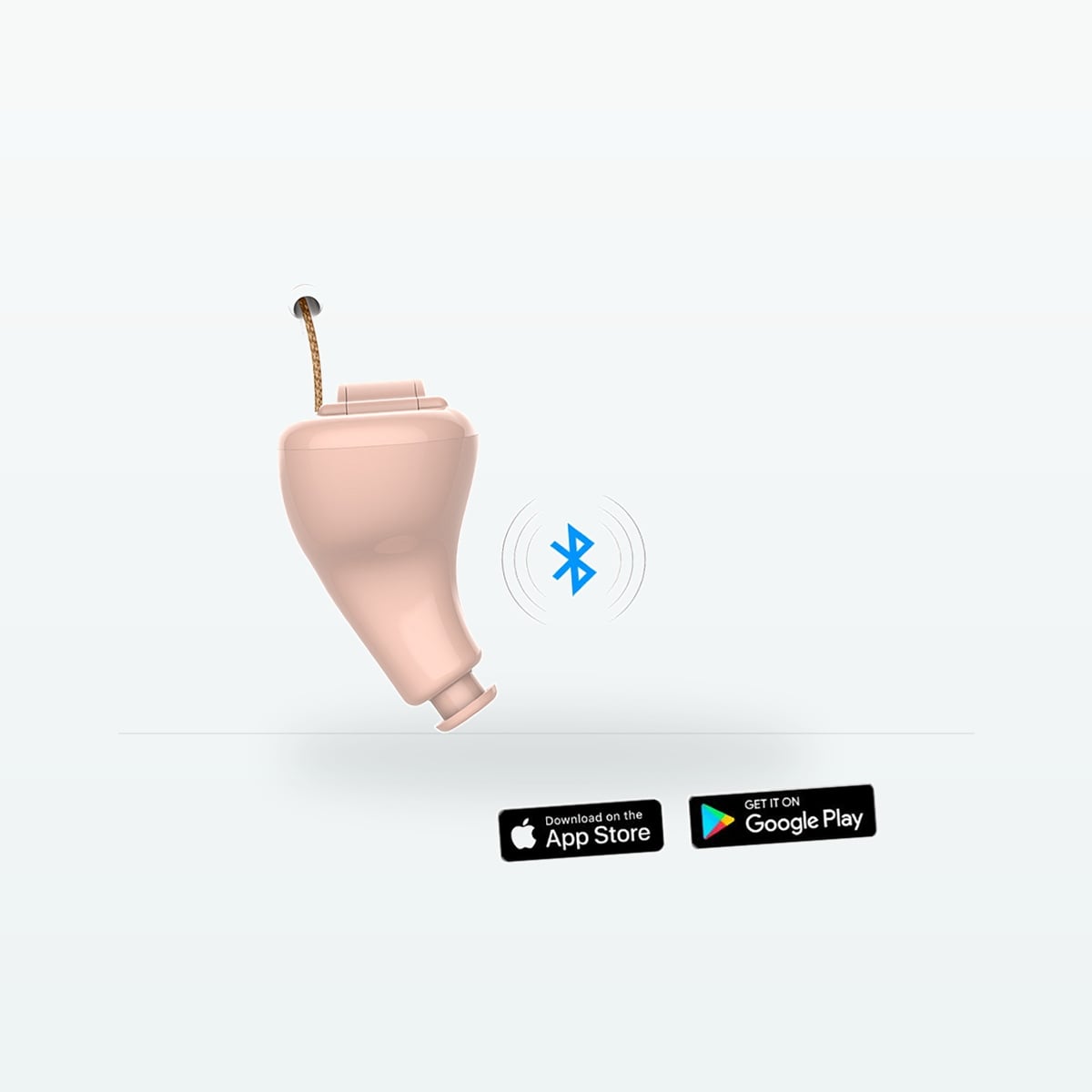
Modern hearing aid users expect seamless integration with smartphones, televisions, and other digital devices. A progressive hearing aid manufacturer should offer Bluetooth connectivity, direct audio streaming, remote fitting capabilities through mobile apps, and cloud-based data management. These features improve user satisfaction, reduce clinic appointment friction, and create opportunities for ongoing engagement. Evaluate whether the manufacturer's connectivity solutions are truly proprietary or rely on open-source standards, as this affects long-term compatibility and upgrade pathways. Additionally, assess the intuitive design of their remote fitting software—can your clinical staff efficiently adjust settings, monitor device performance, and provide real-time troubleshooting support? Manufacturers committed to hearing aid technology innovation typically release regular updates to their mobile applications and offer integration with popular telehealth platforms, reflecting their understanding of modern clinic operations.
Assessing Regulatory Compliance and Quality Standards
Certification and Hearing Aid Quality Standards and Regulations
A fundamental requirement for any hearing aid manufacturer is full compliance with international hearing aid quality standards and regulations. In the United States, devices must meet FDA requirements and comply with ANSI standards for electroacoustic performance. In Europe and other regions, manufacturers must achieve CE marking and adhere to EU Medical Device Regulation standards. When evaluating potential partners, request copies of their certifications, audit reports, and quality management documentation. Leading manufacturers maintain ISO 13485 certification for medical device quality management systems, demonstrating systematic approaches to design control, production processes, risk management, and traceability. Ask specific questions about their testing protocols: how do they validate device performance under extreme conditions, ensure consistent manufacturing across multiple facilities, and implement corrective action procedures when quality issues arise? Manufacturers with transparent, well-documented quality systems provide confidence that devices meeting your specifications will maintain consistent performance across inventory batches.
Supply Chain Transparency and Traceability
Reliable hearing aid manufacturers maintain transparent supply chains and can provide full traceability from component sourcing through final assembly. Request information about their key suppliers, component sourcing strategies, and quality control checkpoints throughout manufacturing. A trustworthy partner should offer batch traceability systems, allowing you to identify exactly when and where specific devices were manufactured and which components were used. Understanding their approach to supply chain management reveals their resilience during component shortages, their ability to scale production to meet demand, and their commitment to ethical sourcing practices. Additionally, inquire about their warranty support, return procedures, and how they handle defective units—a well-organized hearing aid manufacturer maintains streamlined processes for investigating failures, replacing devices, and preventing recurrence of quality issues.
Evaluating Support Infrastructure for the Custom Hearing Aid Fitting Process
Clinical Training and Ongoing Technical Support
The success of your partnership depends significantly on how well the hearing aid manufacturer supports your custom hearing aid fitting process. Reputable manufacturers offer comprehensive training programs for audiologists and hearing aid dispensers, covering product specifications, fitting protocols, troubleshooting techniques, and best practices for patient counseling. Evaluate whether their training is delivered in-person, online, or hybrid format, and confirm that they provide ongoing education as product lines evolve. A manufacturer genuinely invested in your success maintains responsive technical support—fast response times for fitting questions, rapid problem resolution for device malfunctions, and proactive communication about product updates or potential issues. Request references from existing clinic partners and ask specifically about their experience with the custom hearing aid fitting process. Do representatives respond quickly to fitting questions? Are there resources available outside standard business hours? Does the manufacturer offer remote fitting assistance or consultation with senior audiologists to address complex cases?
Fitting Software and Clinical Tools
Modern custom hearing aid fitting process requires intuitive, powerful software that streamlines clinical workflow without compromising accuracy. Leading hearing aid manufacturers provide proprietary fitting software with features such as real-ear measurements integration, automated verification against prescribed targets, and patient-specific preference learning algorithms. The software should allow efficient management of multiple patient profiles, quick adjustments during office visits, and detailed session notes for medical records. Assess the software's ease of use by requesting a demonstration or trial—does it require extensive training, or can new staff members quickly become productive? Quality manufacturers continuously update their fitting software, incorporate user feedback, and maintain compatibility across multiple computer systems and operating systems. Additionally, confirm that the manufacturer provides backup procedures and data security measures, protecting patient information and ensuring continuity of care if your primary fitting system experiences technical issues.
Building Long-Term Business Relationships with Your Manufacturer
Pricing Transparency and Volume Economics
A reliable hearing aid manufacturer operates with transparent pricing models that reward business volume, allow predictable budgeting, and create opportunities for margin improvement as your business grows. Request detailed pricing breakdowns showing costs at various volume levels, payment terms, freight policies, and any promotional allowances or rebate programs. Understand whether the manufacturer offers exclusive territory agreements, preferred partner pricing, or other incentives for committed business relationships. Avoid manufacturers whose pricing structure is opaque or who pressure you into large upfront inventory commitments without clear return policies. A trustworthy partner balances their profitability with yours, recognizing that your success ultimately drives their success.
Long-Term Partnership and Innovation Alignment
Selecting a hearing aid manufacturer is not a transaction but the beginning of a long-term business partnership. Evaluate the manufacturer's vision for the industry over the next five to ten years—where are they investing in hearing aid technology innovation? Are they exploring new form factors, expanding into adjacent markets like over-the-counter hearing aids, or developing artificial intelligence solutions for predictive health monitoring? Alignment with your business vision ensures that your partnership grows and evolves together rather than stagnating. Request information about their customer advisory boards or partnership councils—do they create forums where you can provide input on product development priorities? Manufacturers genuinely committed to long-term relationships actively solicit partner feedback and incorporate it into their strategic planning.
FAQ
What specific certifications should I verify before partnering with a hearing aid manufacturer?
You should verify FDA clearance for U.S. operations, ISO 13485 certification for quality management systems, and compliance with hearing aid quality standards and regulations specific to your target markets. Additionally, confirm CE marking if you operate in Europe and check for compliance with industry standards such as ANSI and IEC specifications for electroacoustic performance. Request audit reports and documentation demonstrating successful third-party assessments of their manufacturing facilities and quality control procedures.
How can I assess the quality of a manufacturer's custom hearing aid fitting process support?
Request product training demonstrations, ask for customer references, and evaluate their fitting software firsthand. A quality hearing aid manufacturer should provide comprehensive training programs, responsive technical support, remote fitting consultation capabilities, and regular software updates that reflect hearing aid technology innovation. Ask existing partners about average response times for support questions, availability of senior audiologist consultation, and their overall satisfaction with ongoing support after purchase.
 EN
EN