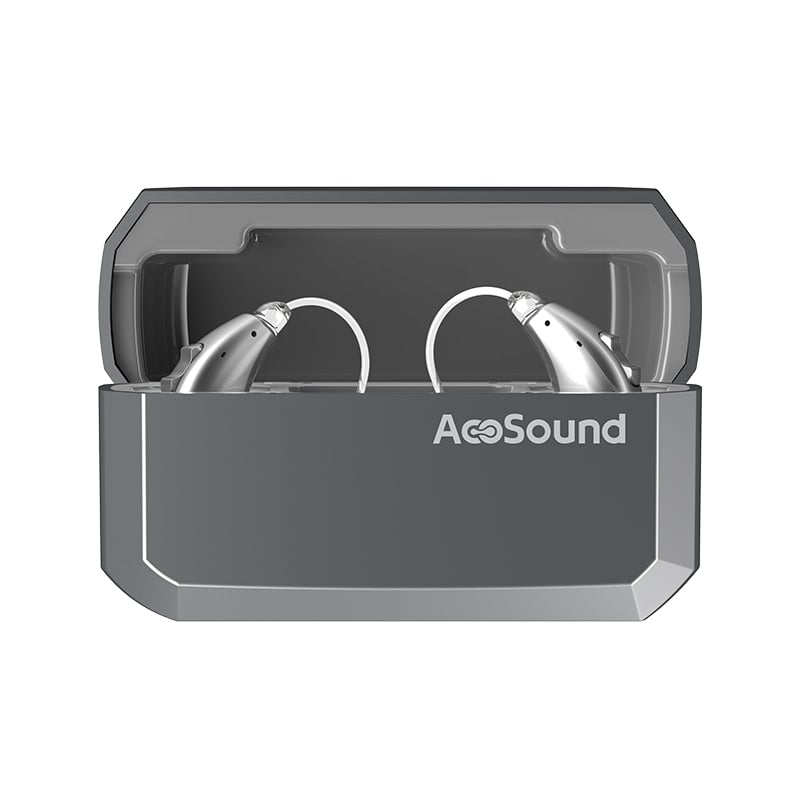
Hearing loss affects millions of people worldwide, yet many remain unaware that hearing aids can be customized to address specific severity levels. The connection between hearing loss degree and hearing aid effectiveness is direct and measurable. Understanding how hearing aids support different levels of hearing loss empowers individuals to seek appropriate treatment and reclaim their quality of life. Whether someone experiences mild difficulty in noisy environments or profound communication challenges, hearing aids offer tailored solutions designed to match their unique audiological profile. This article explores how hearing aids work at every hearing loss level and why selecting the right device matters for long-term success.
Hearing loss severity ranges from mild to profound, and hearing aids are engineered with amplification power, frequency response, and processing capabilities that scale accordingly. Not all hearing aids deliver the same level of support, which is why audiologists conduct comprehensive testing to determine which hearing aids best fit each patient's audiogram and lifestyle. The relationship between hearing loss category and hearing aid performance is fundamental to modern audiology, ensuring that people at every stage of hearing decline receive devices capable of restoring meaningful sound perception and social engagement.
Understanding Hearing Loss Categories and Hearing Aid Capabilities
Mild Hearing Loss and Entry-Level Hearing Aid Support
Mild hearing loss typically involves difficulty understanding speech in noisy settings, missing soft sounds, or struggling during phone conversations. People with mild hearing loss often benefit from hearing aids that provide gentle amplification without overwhelming the auditory system. Modern hearing aids designed for mild loss include noise-reduction algorithms and directional microphones that help users focus on desired speech while suppressing background noise. These hearing aids are often smaller, more discreet, and consume less power than devices for severe loss. Entry-level hearing aids still incorporate advanced features like wireless connectivity, automatic volume adjustment, and feedback management, making them practical choices for professionals and active adults managing mild hearing loss.
Moderate Hearing Loss and Mid-Range Hearing Aid Solutions
Moderate hearing loss creates noticeable communication barriers in everyday situations, affecting workplace meetings, family gatherings, and entertainment enjoyment. Hearing aids for moderate loss require greater amplification power and more sophisticated signal processing than mild-loss devices. These hearing aids typically feature larger battery capacities, multiple listening programs for different environments, and advanced speech enhancement technology. Users with moderate hearing loss rely on hearing aids to restore clarity across a broader frequency range, enabling them to participate fully in conversations without constantly asking for repetition. The investment in hearing aids for moderate loss represents a significant quality-of-life improvement, as users regain confidence in social and professional settings.
Severe and Profound Hearing Loss: Advanced Hearing Aid Engineering
Severe Hearing Loss Requiring Powerful Hearing Aid Technology
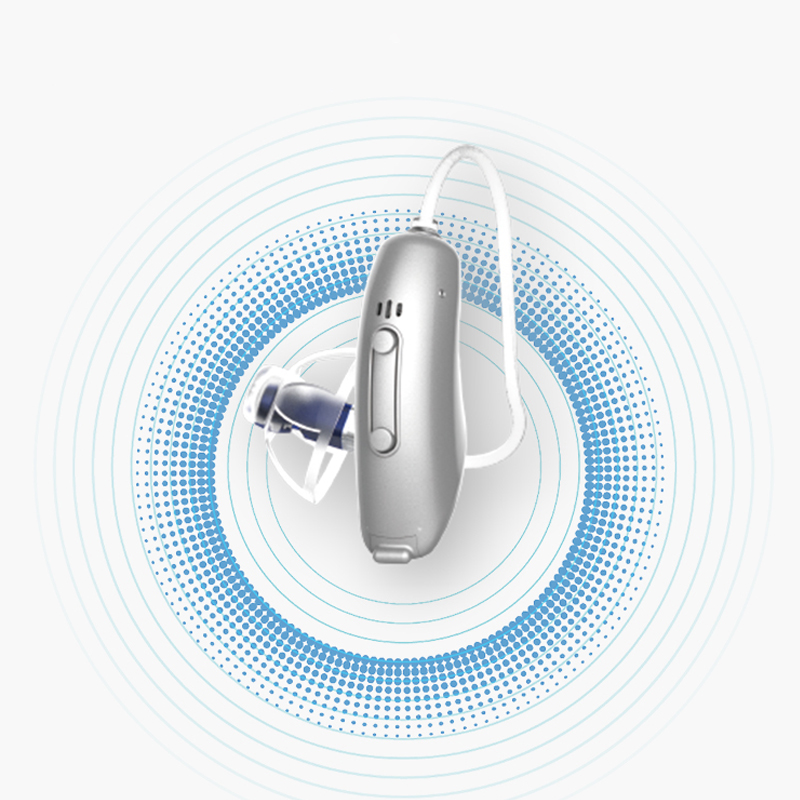
Severe hearing loss demands the most powerful hearing aids available in the standard hearing aid category. Individuals with severe loss experience profound difficulty understanding speech even in quiet environments and may struggle to perceive normal conversation levels. Hearing aids engineered for severe loss incorporate maximum amplification output, multi-channel processing for precise frequency control, and robust feedback suppression systems. Behind-the-ear (BTE) style hearing aids are often preferred for severe loss because their larger size accommodates bigger batteries and more powerful components. Advanced hearing aids for severe loss also integrate artificial intelligence and machine learning to automatically adapt to changing environments, providing consistent support throughout the user's day. The technology within these hearing aids continuously analyzes incoming sound and adjusts amplification dynamically to maintain speech intelligibility.
Profound Hearing Loss and Specialized Hearing Aid Approaches
Profound hearing loss represents the most severe category, where individuals may perceive only very loud sounds or vibrations. While traditional hearing aids may reach their practical limits with profound loss, specialized high-power hearing aids push the boundaries of amplification technology. Some individuals with profound hearing loss benefit from bone-conduction hearing aids, which bypass damaged inner ear structures by transmitting vibrations directly to the skull. Others may qualify for cochlear implants if hearing aids prove insufficient. However, modern high-power hearing aids continue to evolve, offering enhanced directional processing and clearer signal transmission that can benefit some users with profound loss. Audiologists work closely with individuals to explore all available hearing aid options and determine whether hearing aids, implants, or combination approaches offer the best functional outcomes.
Matching Hearing Aids to Individual Hearing Loss Profiles
Audiological Testing and Hearing Aid Selection Criteria
Selecting appropriate hearing aids begins with comprehensive audiological evaluation, including pure-tone audiometry, speech discrimination testing, and real-world listening assessment. The audiogram produced during testing reveals the specific frequencies where hearing loss occurs and its severity at each frequency, directly informing which hearing aids will provide adequate amplification. Audiologists consider not only hearing loss severity but also the patient's lifestyle, manual dexterity, aesthetic preferences, and technological comfort when recommending hearing aids. Some individuals prefer discreet in-the-ear hearing aids despite having moderate loss, while others with mild loss might choose robust BTE hearing aids for maximum durability. The goal is finding hearing aids that the user will consistently wear and that genuinely improve their listening experience across daily situations.
Technology Features That Scale With Hearing Loss Severity
Hearing aids designed for different loss levels incorporate progressively advanced features that support more challenging listening situations. Basic hearing aids for mild loss focus on speech clarity and noise reduction in specific environments. Mid-range hearing aids add multiple listening programs, improved feedback cancellation, and wireless streaming capabilities. Advanced hearing aids for severe loss integrate artificial intelligence, real-time environmental analysis, and personalized learning algorithms that adapt automatically over time. Premium hearing aids across all severity categories offer connectivity with smartphones, telehealth integration, and cloud-based hearing aid adjustment capabilities. These layered features ensure that users with moderate, severe, or profound hearing loss have access to technology sophisticated enough to address their specific auditory challenges. The investment in appropriate-tier hearing aids pays dividends through improved hearing aid satisfaction and consistent daily use.
FAQ
How do audiologists determine which hearing aids work best for my hearing loss level?
Audiologists use comprehensive hearing testing including audiometry, speech discrimination assessment, and lifestyle evaluation to determine appropriate hearing aids for your specific loss. The audiogram shows exactly which frequencies and at what decibel levels your hearing is affected, directly guiding the amplification power and frequency response needed from your hearing aids. Audiologists also consider your daily activities, manual dexterity, technology comfort, and aesthetic preferences to recommend hearing aids you will actually use consistently. Trial periods with demonstration hearing aids allow you to experience how different devices perform in your real-world environments before making a final selection.
Are there different styles of hearing aids for different severity levels of hearing loss?
Yes, hearing aid styles vary significantly in power capacity and suitability for different loss levels. Behind-the-ear (BTE) hearing aids accommodate the most powerful amplification and battery capacity, making them ideal for severe or profound loss. In-the-ear and in-the-canal hearing aids work well for mild to moderate hearing loss but cannot provide the amplification power needed for severe loss. Receiver-in-the-ear (RITE) hearing aids offer a middle ground with moderate power in a compact design. Your audiologist recommends the hearing aid style and technology level matched to your hearing loss severity, ensuring the device can effectively address your specific auditory needs.
 EN
EN