Selecting the right manufacturing partner is one of the most critical decisions hearing aids distributors face. The quality, reliability, and long-term success of your hearing aids business depend directly on the suppliers you choose. A dependable hearing aids manufacturer can strengthen your market position, ensure consistent product quality, and build customer trust that lasts for years. Conversely, partnering with an unreliable manufacturer can damage your reputation, increase costs, and create supply chain vulnerabilities that threaten your bottom line.
Finding reliable manufacturing partners for hearing aids requires a structured, research-driven approach. This process involves evaluating technical capabilities, certifications, production standards, financial stability, and communication practices. Distributors who invest time upfront in vetting potential hearing aids partners will save significantly on operational headaches, product recalls, and customer service issues down the road. The goal is to build a partnership based on mutual respect, transparency, and shared commitment to quality.
Assessing Technical Capabilities and Certifications
Verifying Manufacturing Standards for Hearing Aids
The foundation of any reliable hearing aids manufacturer is their adherence to international quality standards. ISO 13485 certification is the gold standard for medical device manufacturers, including hearing aids producers. When evaluating hearing aids partners, request proof of this certification and verify its current validity through independent databases. Ask potential hearing aids manufacturers about their quality management systems, testing protocols, and how they handle product defects. A trustworthy hearing aids supplier will openly share documentation about their manufacturing processes and quality control measures.
Beyond ISO certifications, hearing aids manufacturers must comply with FDA regulations in the United States and corresponding regulatory bodies in other regions. Request information about clinical trials, safety data, and regulatory approvals for specific hearing aids models you plan to distribute. A reliable hearing aids partner will maintain detailed records of all certifications and be transparent about any compliance audits or inspections. This documentation becomes essential when you need to respond to customer inquiries or regulatory questions about your hearing aids products.
Evaluating Production Capacity and Technology
Production capacity directly impacts your ability to meet market demand for hearing aids. During partner evaluation, ask about manufacturing facilities, equipment age, production volume capabilities, and lead times for hearing aids orders. Visit the manufacturing facility if possible to observe operations firsthand. Ask about their investment in research and development for hearing aids technology, as this indicates their commitment to innovation. A hearing aids manufacturer that continuously upgrades their equipment and processes is more likely to deliver competitive products and adapt to market changes.
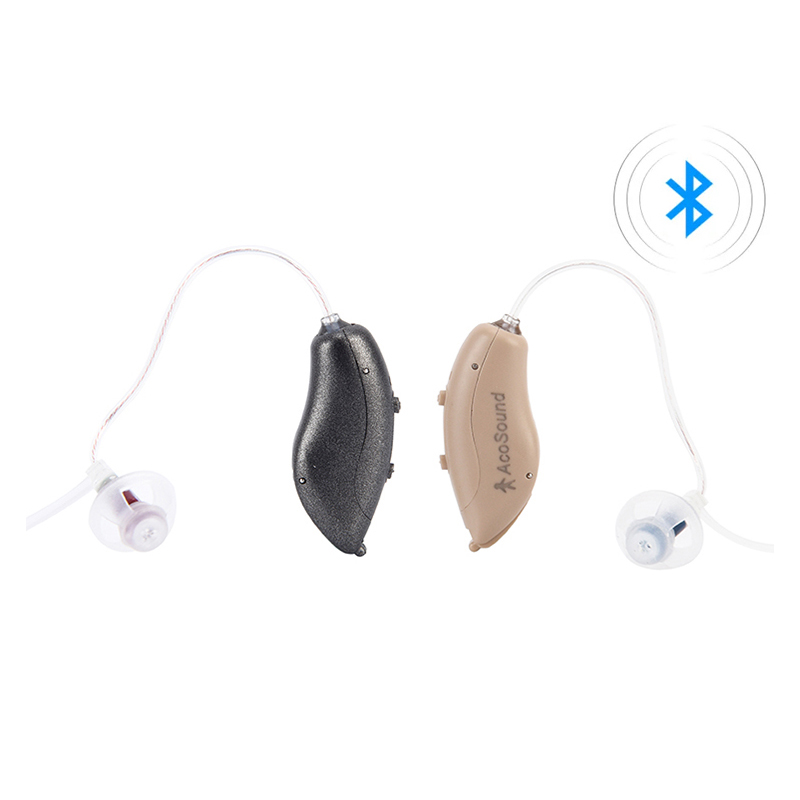
Technology matters significantly in the hearing aids industry. Evaluate whether potential hearing aids partners use digital signal processing, offer wireless connectivity, and can support advanced features like direct smartphone integration. Ask about their roadmap for hearing aids product development and how quickly they can incorporate new features requested by distributors. A forward-thinking hearing aids manufacturer will demonstrate awareness of market trends, customer preferences, and emerging technologies in the hearing aids sector.
Investigating Financial Stability and Supply Chain Resilience
Assessing Financial Health of Hearing Aids Manufacturers
A manufacturer's financial stability directly affects your business continuity. Request financial statements or credit reports from potential hearing aids suppliers to confirm their economic strength. A financially unstable hearing aids manufacturer may face sudden operational disruptions, equipment failures, or unexpected price increases. Ask about their banking relationships, payment terms flexibility, and history of meeting financial obligations. Consider requesting references from other hearing aids distributors who have worked with the manufacturer to learn about their payment reliability and business stability.
Long-term partnership viability depends on the hearing aids manufacturer's ability to weather market fluctuations and industry challenges. Ask about their contingency plans for supply disruptions, natural disasters, or geopolitical issues. A resilient hearing aids partner will have multiple suppliers for critical components, diversified customer bases, and adequate insurance coverage. Understanding their risk management approach gives you confidence that your hearing aids supply will remain consistent even during difficult periods.
Evaluating Supply Chain Transparency
Supply chain visibility is crucial when working with hearing aids manufacturers. Ask about their component sourcing practices, lead times from raw material suppliers, and inventory management systems. A transparent hearing aids manufacturer will provide visibility into their supply chain and alert you to potential delays before they impact your hearing aids orders. Request information about their relationships with key component suppliers and whether they have backup suppliers for critical hearing aids parts. Understanding supply chain dependencies helps you anticipate potential disruptions to your hearing aids distribution business.
Data security in the supply chain is increasingly important for hearing aids manufacturers. Ask about their systems for tracking inventory, managing orders, and handling customer data for hearing aids products. Reliable hearing aids partners will use modern enterprise systems with backup capabilities, encryption, and regular security audits. This protection extends to your business information and your customers' personal health data related to hearing aids purchases and usage.
Building Communication and Partnership Foundations
Establishing Clear Communication Protocols
Effective communication is the backbone of successful hearing aids distribution partnerships. Define clear communication channels, response times, and escalation procedures with potential hearing aids manufacturers before committing to an agreement. Ask how they handle urgent requests, technical support questions, and issue resolution for hearing aids products. A reliable hearing aids partner will assign dedicated account managers, provide multiple contact points, and establish regular check-in schedules. Regular communication prevents misunderstandings and allows early problem-solving when issues with hearing aids inventory or quality arise.
Technical support capability is essential when partnering with hearing aids manufacturers. Ask about their ability to support your team's training, troubleshoot hearing aids issues, and provide detailed product documentation. A responsive hearing aids manufacturer will offer video consultations, documentation in multiple languages, and quick turnaround on technical inquiries. This support infrastructure becomes invaluable when your hearing aids customers have questions or encounter problems with their devices.
Negotiating Contract Terms and Flexibility
Contract terms significantly shape the long-term viability of hearing aids partnerships. Negotiate minimum order quantities that align with your market size and cash flow capabilities. Request flexible payment terms, volume-based discounts for hearing aids orders, and clear pricing transparency. A fair-dealing hearing aids manufacturer will be willing to negotiate reasonable terms rather than imposing rigid, one-sided conditions. Ensure contracts include provisions for quality guarantees, warranty coverage for hearing aids products, and clear procedures for handling defective units.
Long-term partnership agreements should build in flexibility for growth and market changes. Discuss how pricing adjustments work for hearing aids products, how new models get introduced, and what happens if market demand shifts significantly. A collaborative hearing aids partner will view growth opportunities as mutual successes rather than reasons to impose punitive terms. Clear, flexible contracts prevent disputes and create a foundation for expanding your hearing aids distribution business together over time.
FAQ
What certifications must reliable hearing aids manufacturers have?
The most critical certification for hearing aids manufacturers is ISO 13485, which covers medical device quality management systems. Additionally, manufacturers must comply with FDA regulations in the United States and equivalent regulatory requirements in other markets. Look for CE marking in Europe, Health Canada approvals, and TGA certification in Australia for hearing aids products. Request documentation proving current, valid certifications and ask about recent audits or compliance reviews.
How can distributors verify manufacturing quality for hearing aids products?
Visit the manufacturing facility to observe operations firsthand and assess equipment, cleanliness, and worker competence. Request information about quality control processes, defect rates, and product testing procedures for hearing aids manufacturing. Ask for samples and conduct your own independent testing or validation. Reference calls with other hearing aids distributors provide valuable insights into actual product quality and manufacturer reliability. Regular quality audits and ongoing communication about hearing aids standards help maintain consistent quality throughout your partnership.
What red flags should distributors watch for when evaluating hearing aids manufacturers?
Be cautious of hearing aids manufacturers who cannot provide current certifications, refuse facility visits, or are evasive about their supply chain. Red flags include unrealistically low pricing, frequent changes in management or ownership, poor communication responsiveness, or unwillingness to negotiate reasonable contract terms for hearing aids partnerships. References who report quality issues, missed hearing aids delivery dates, or payment disputes suggest serious concerns. Trust your instincts and continue evaluating other options if something feels off about a potential hearing aids partner.
 EN
EN