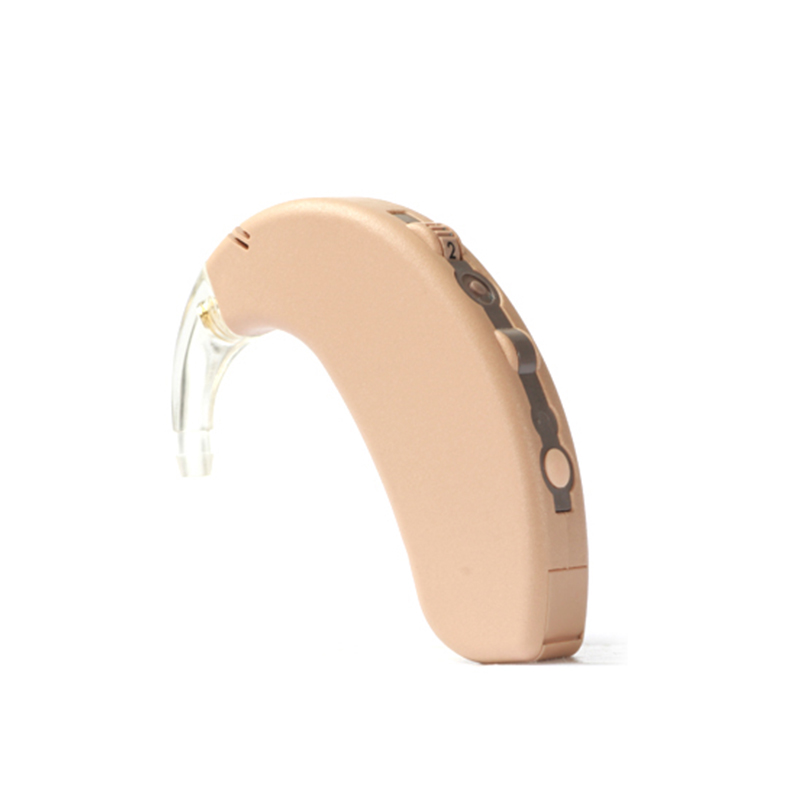
When it comes to managing hearing loss, bte hearing aids have emerged as one of the most versatile and widely adopted solutions across diverse audiological needs. Behind-the-ear hearing aids offer a compelling combination of power, flexibility, and practical features that make them suitable for mild to profound hearing loss. Understanding why these devices remain so popular requires examining their technical advantages, practical fitting benefits, and how manufacturers continuously address common user concerns like feedback problems and battery longevity.
The widespread adoption of behind-the-ear hearing aid fitting reflects both clinical effectiveness and user satisfaction across age groups and hearing loss profiles. These devices deliver consistent amplification, accommodate larger batteries for extended hearing aid battery life, and provide audiologists with the flexibility needed to match individual hearing patterns. For patients navigating the complex landscape of hearing healthcare, understanding the practical strengths of this technology helps inform confident treatment decisions and better long-term outcomes.
Power and Versatility Across Hearing Loss Severity
Accommodating Mild to Profound Hearing Loss
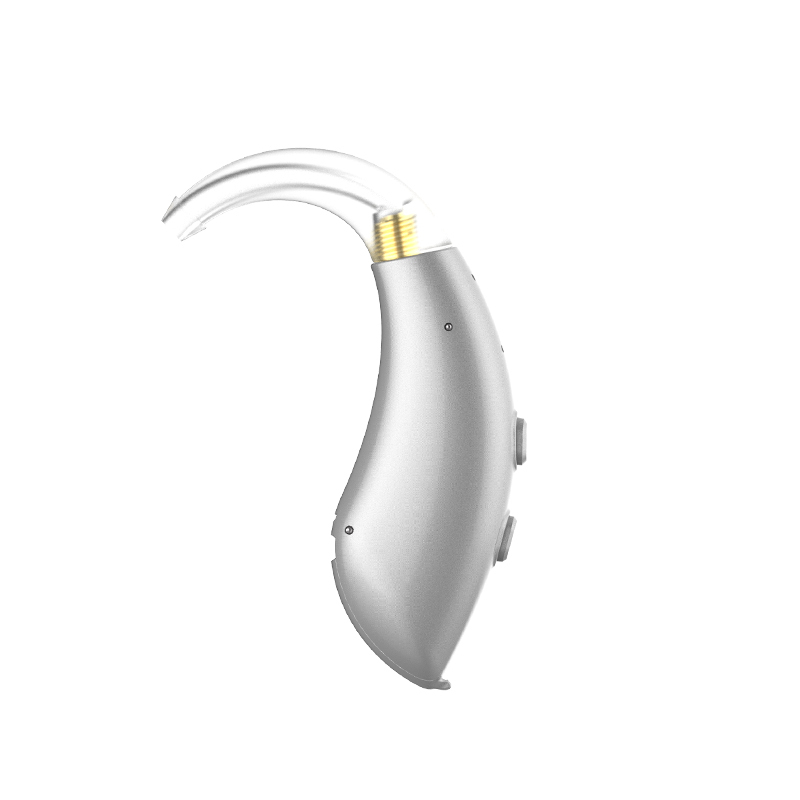
One fundamental reason bte hearing aids dominate the market is their ability to deliver sufficient amplification across the entire spectrum of hearing loss severity. Unlike smaller in-the-ear models, behind-the-ear hearing aid fitting designs position the speaker and amplifier in a housing that sits comfortably behind the pinna, allowing engineers to incorporate larger components without compromising comfort. This architecture enables the delivery of higher output levels necessary for patients with severe or profound hearing loss, while maintaining precision tuning for those with mild to moderate impairment.
The flexibility of bte hearing aids extends to directional microphone placement and signal processing capabilities. Audiologists performing behind-the-ear hearing aid fitting can select from multiple microphone configurations, fine-tune frequency responses, and adjust feedback suppression algorithms with greater precision than miniaturized alternatives. This versatility ensures that whether a patient presents with high-frequency loss, low-frequency loss, or a mixed configuration, the device can be optimized to match their unique audiogram.
Digital Signal Processing Integration
Modern bte hearing aids incorporate sophisticated digital signal processing that extends far beyond simple volume amplification. These devices analyze incoming sound in real time, distinguish between speech and background noise, and dynamically adjust output levels across multiple frequency bands. For behind-the-ear hearing aid fitting professionals, this means they can recommend devices that automatically adapt to restaurant environments, quiet conversations, or outdoor settings, significantly improving the user experience and satisfaction rates.
The processing architecture also directly addresses one of the most frustrating user experiences: hearing aid feedback problems. Digital feedback cancellation algorithms detect the acoustic loop where amplified sound leaks back into the microphone and automatically suppress it before it becomes audible. This continuous innovation in hearing aid feedback problems reduction has made bte hearing aids increasingly comfortable for extended daily wear.
Extended Battery Performance and Practical Reliability
Hearing Aid Battery Life Advantages
Behind-the-ear designs can accommodate significantly larger battery compartments than their compact in-the-ear counterparts, directly translating to extended hearing aid battery life. Standard behind-the-ear hearing aid fitting typically uses size 13 or size 312 batteries, providing several days to over a week of continuous use depending on device features, user listening habits, and battery technology. This practical advantage reduces the frequency of battery replacement, lowering ongoing costs and minimizing the risk of being without amplification due to battery depletion.
The relationship between hearing aid battery life and user satisfaction cannot be overstated. Patients who experience reliable daily operation without unexpected power loss develop greater confidence in their devices and demonstrate higher long-term compliance rates. For behind-the-ear hearing aid fitting specialists, this means they can counsel patients on realistic usage expectations and help them establish reliable battery management routines that fit their lifestyle.
Rechargeable Technology Expansion
The introduction of rechargeable bte hearing aids has further enhanced the appeal of this format. Lithium-ion battery technology now enables full days of operation on a single overnight charge, eliminating the need for disposable battery management altogether. Many hearing aid battery life advancements in recent years have focused specifically on rechargeable behind-the-ear hearing aid fitting options, recognizing that patients value convenience and predictability in their daily routines.
Rechargeable systems also simplify the behind-the-ear hearing aid fitting process for older adults or patients with limited dexterity, who might struggle to manipulate tiny disposable batteries. This inclusive design consideration explains why bte hearing aids continue to appeal across diverse age demographics and physical capability levels.
Addressing Common Concerns and User Experience
Solving Hearing Aid Feedback Problems
Hearing aid feedback problems occur when amplified sound escapes from the ear canal, re-enters the microphone, and creates an audible whistle. This issue has historically frustrated users and challenged audiologists during behind-the-ear hearing aid fitting adjustments. Modern bte hearing aids employ multiple layers of feedback management: improved ear mold fit, adaptive feedback cancellation algorithms, and phase inversion technology that specifically targets the frequencies most prone to feedback.
During behind-the-ear hearing aid fitting sessions, audiologists now have access to real-time feedback monitoring software that identifies potential instability before it becomes an audible problem. They can adjust gain levels, modify the ear mold acoustic properties, and test various feedback suppression settings during the fitting appointment. This proactive approach means that most patients leave their behind-the-ear hearing aid fitting appointment without experiencing significant hearing aid feedback problems during daily use.
Comfort and Cosmetic Considerations
While some patients express initial concerns about the visibility of bte hearing aids, many value the proven reliability and performance over cosmetic discreteness. Manufacturers have responded by offering diverse color options, sleeker case designs, and materials that blend better with skin tones or hair color. For behind-the-ear hearing aid fitting professionals, this means they can have candid discussions with patients about their priorities, presenting hearing aid battery life advantages, reduced hearing aid feedback problems, and processing power as meaningful trade-offs for devices that sit slightly more visibly.
The practical functionality of bte hearing aids often outweighs cosmetic preferences once patients experience the performance difference. Users consistently report that the extended hearing aid battery life, superior sound quality, and freedom from hearing aid feedback problems justify wearing a slightly more visible device compared to competing formats.
FAQ
What types of hearing loss can bte hearing aids address?
Behind-the-ear hearing aid fitting can effectively address mild, moderate, severe, and profound hearing loss. The amplification power, flexibility of ear mold selection, and digital processing capabilities make bte hearing aids suitable for nearly all hearing loss configurations, from high-frequency loss to low-frequency loss to mixed patterns. Audiologists can customize gain, frequency response, and output levels during fitting to match individual patient needs.
How long does hearing aid battery life typically last with bte models?
Hearing aid battery life with traditional bte hearing aids typically ranges from three to ten days of continuous daily use, depending on device features, user listening volume, and battery size. Rechargeable bte hearing aids generally provide a full day of operation on a single overnight charge. Patients should expect to replace disposable batteries weekly or discuss overnight charging routines if they choose rechargeable options.
Can hearing aid feedback problems be completely eliminated?
While modern feedback cancellation technology has dramatically reduced hearing aid feedback problems, occasional feedback may occur in certain situations, particularly if the ear mold fits loosely or if the device is placed too close to a solid surface. During behind-the-ear hearing aid fitting, audiologists can minimize feedback risk through proper mold selection, verification testing, and patient counseling on device handling. Most patients experience minimal to no feedback after professional fitting and adjustment.
 EN
EN