EN
EN

What Are the Key Steps in a Successful Hearing Aid OEM Collaboration?
2026/07/24
Struggling with hearing aid OEM partnerships? Discover the 6 proven steps—from spec alignment to regulatory compliance—that drive product excellence & scalability.
2026/08/11
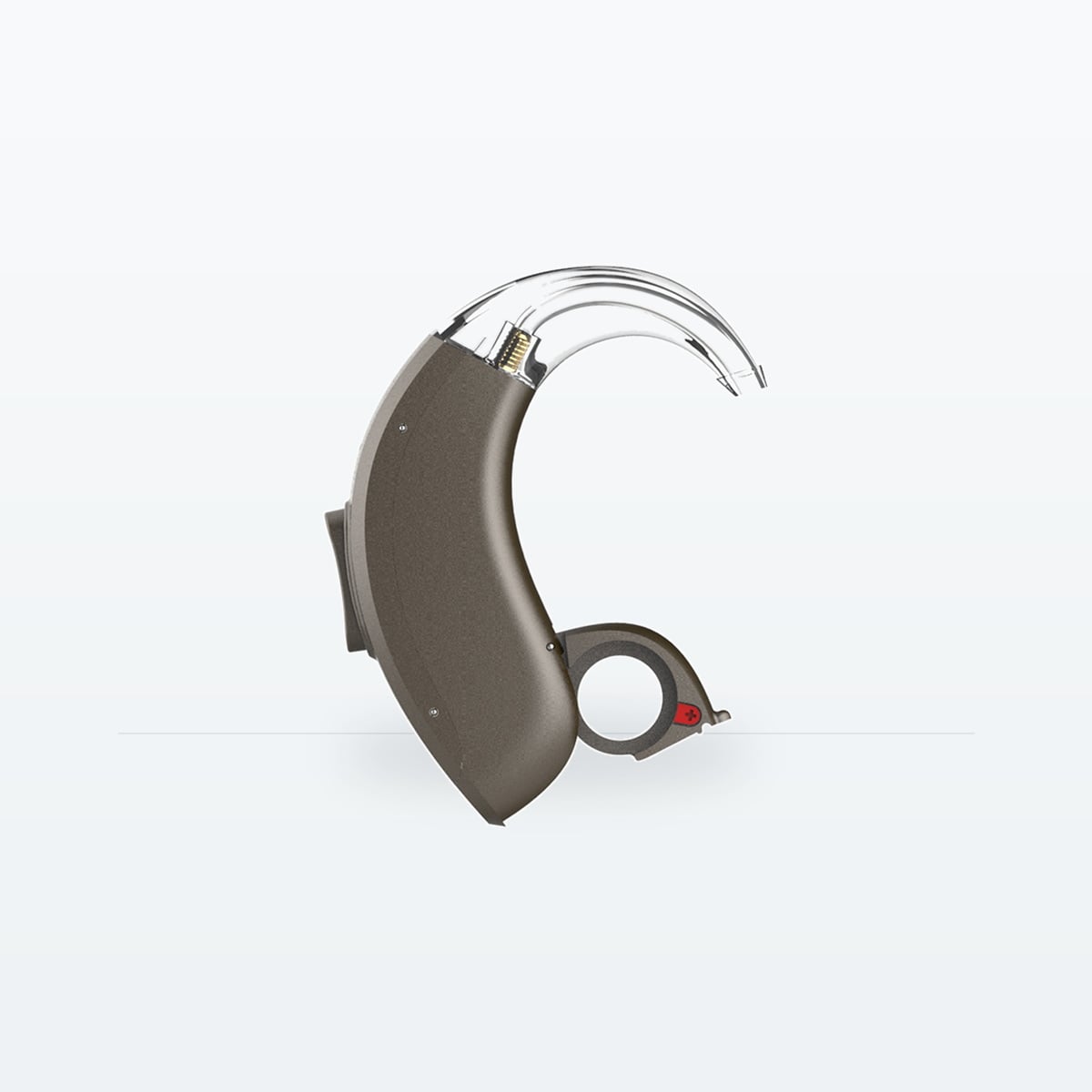
A successful hearing aid manufacturer must deliver comprehensive Original Equipment Manufacturing (OEM) and Original Design Manufacturing (ODM) services to meet the diverse needs of distributors, retailers, and end-users. These services extend far beyond basic device production and encompass design innovation, quality assurance, customization capabilities, and ongoing technical support. The modern hearing aid market demands that manufacturers provide solutions that combine advanced technology, reliability, and flexibility to help their partners succeed in a competitive landscape.
The distinction between OEM and ODM services is critical for understanding what a hearing aid manufacturer should provide. OEM services focus on manufacturing products designed by the client, while ODM services involve the manufacturer in designing and developing the product according to client specifications. A comprehensive hearing aid manufacturer typically offers both services alongside robust hearing aid technology and innovation capabilities, enabling partners to launch branded solutions quickly and cost-effectively without building internal R&D infrastructure.
A leading hearing aid manufacturer should offer extensive product development services tailored to partner requirements. This includes designing devices from scratch using the latest hearing aid technology and innovation principles or adapting existing platforms to meet specific market needs. Customization options should cover form factors, processing algorithms, feature sets, and user interfaces. Partners benefit from access to experienced acoustical engineers, firmware developers, and industrial designers who understand both clinical requirements and market demands.
The manufacturer must provide detailed hearing aid specifications and performance comparison data that allows partners to position products effectively. This documentation should include frequency response curves, maximum output levels, battery life projections, noise reduction capabilities, and compatibility with wireless accessories. Clear technical documentation ensures that distributors and retailers can confidently communicate product benefits to audiologists and consumers.
Hearing aid manufacturing demands strict adherence to international quality standards and regulatory requirements. A professional hearing aid manufacturer must maintain certified manufacturing facilities and implement rigorous quality control processes throughout production. This includes component testing, assembly verification, acoustic validation, and durability assessment. Regulatory compliance encompasses FDA approval in the United States, CE marking in Europe, and compliance with local requirements in other markets where products are distributed.
The manufacturer should provide comprehensive documentation supporting regulatory submissions and maintain traceability for all components and manufacturing processes. This capability protects partners from liability and ensures that products meet safety and performance standards expected by healthcare professionals and regulatory bodies.
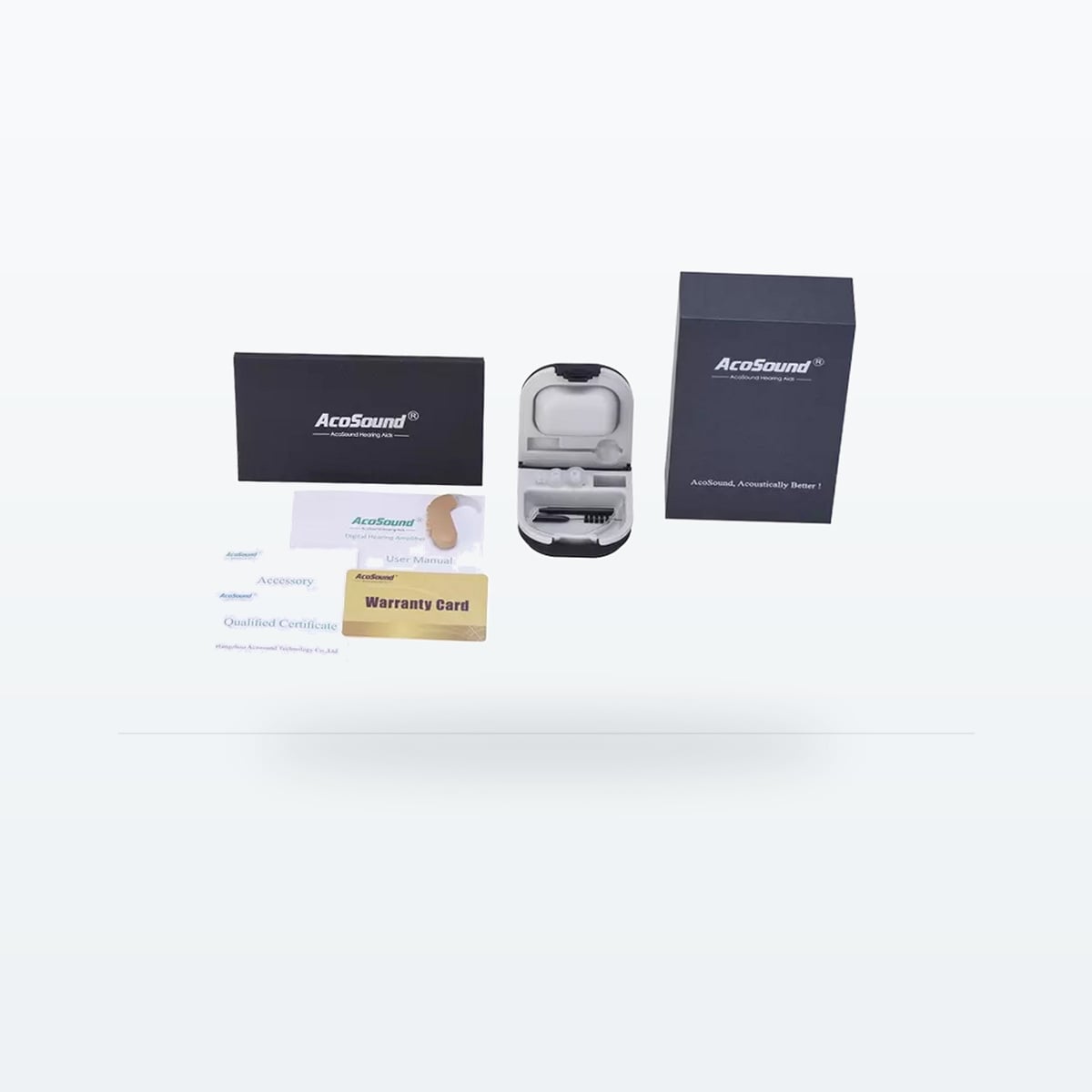
Beyond manufacturing, a hearing aid manufacturer should establish robust custom hearing aid fitting and audiologist services programs. This involves training audiologists and hearing aid specialists on product features, fitting procedures, and troubleshooting techniques. Comprehensive training materials, including online modules, webinars, and in-person sessions, should cover device programming, real-ear measurement integration, and patient counseling strategies. Partners with well-trained staff achieve better patient outcomes and higher satisfaction rates.
The manufacturer should offer ongoing technical support through multiple channels, including phone hotlines, email support, and online portals. Responsive support teams should resolve fitting challenges, address device malfunctions, and provide guidance on optimizing performance for individual patients. This level of service strengthens relationships with hearing care professionals and builds confidence in the brand.
Modern hearing aid manufacturers must provide sophisticated fitting software that integrates seamlessly with clinical workflows. Professional fitting platforms should allow audiologists to program hearing aid technology and innovation features with precision, access reference databases of real-ear measurements, and generate patient documentation automatically. Software updates and new algorithms should be delivered regularly to enhance performance and add new capabilities without requiring hardware replacement.
The manufacturer should also provide hearing aid specifications and performance comparison tools that help audiologists select the most appropriate device for each patient's hearing loss profile and lifestyle needs. These tools demonstrate commitment to clinical excellence and differentiate the manufacturer from competitors offering only basic products.
A responsive hearing aid manufacturer should offer flexible inventory solutions that accommodate partner business models. This includes just-in-time delivery for large distributors, consignment programs for smaller retailers, and efficient order processing systems. Forecasting tools and demand planning support help partners maintain optimal stock levels and minimize excess inventory. Clear communication about lead times, production schedules, and supply chain status keeps partners informed and enables reliable customer service.
The manufacturer must establish reliable logistics networks and provide tracking systems that allow partners to monitor shipments in real time. Damage-free delivery and proper packaging protect products during transit and reduce warranty claims. Strong logistics support demonstrates respect for partner time and investment.
Successful manufacturers provide marketing materials, product images, clinical data sheets, and promotional content that partners can adapt for their markets. This includes hearing aid specifications and performance comparison charts formatted for easy distribution to audiologists and consumers. Cooperative advertising support, trade show assistance, and digital marketing resources help partners build brand awareness and drive sales.
The manufacturer should collaborate with partners on product positioning, identifying market opportunities, and developing go-to-market strategies. Regular market analysis and competitive intelligence help partners understand trends in hearing aid technology and innovation and make informed business decisions. This collaborative approach transforms the manufacturer from a mere supplier into a strategic business partner.
OEM services involve manufacturing products designed by the client according to their specifications and branding requirements. ODM services mean the hearing aid manufacturer takes responsibility for designing the device, developing custom hearing aid fitting and audiologist services protocols, and manufacturing it under the client's brand. Many manufacturers offer both services, allowing clients to choose the level of involvement they want in product development and innovation.
A professional hearing aid manufacturer provides comprehensive training programs for audiologists, advanced fitting software with hearing aid specifications and performance comparison tools, responsive technical support, and professional resources for patient counseling. This support ensures that audiologists can fit devices accurately, troubleshoot issues confidently, and achieve optimal patient outcomes, which strengthens the entire distribution channel and builds brand loyalty.
Hearing aid technology and innovation drives product differentiation, attracts customers, and justifies market pricing. Manufacturers that invest in advanced algorithms, wireless connectivity, battery optimization, and feature development help partners compete effectively and meet evolving patient expectations. Partners benefit from access to cutting-edge innovations without funding R&D independently, making them more competitive in their markets.
2026/07/24
Struggling with hearing aid OEM partnerships? Discover the 6 proven steps—from spec alignment to regulatory compliance—that drive product excellence & scalability.
2026/07/22
Discover how hearing aid OEM partnerships speed market entry, cut costs, and enable custom solutions while improving scalability, compliance & private label growth.
2026/07/20
Why are 78% of hearing aid startups choosing OEM manufacturing? Discover how outsourcing accelerates time-to-market, cuts CAPEX, ensures compliance & boosts scalability.
2026/07/16
What gives modern hearing aid factories an edge? Automation, custom production, biocompatible materials, distributor integration & global compliance.
2026/07/14
Discover why 78% of global audiology brands now prioritize long-term hearing aid factory partnerships for supply stability, compliance, and custom innovation.