EN
EN

tw3-bte-m-16-channel-digital-bte-hearing-aid-for-premium-b2b-portfolios, tw3-bte-m-16-channel-digital-bte-hearing-aid-for-premium-b2b-portfolios, /tele-series
EN
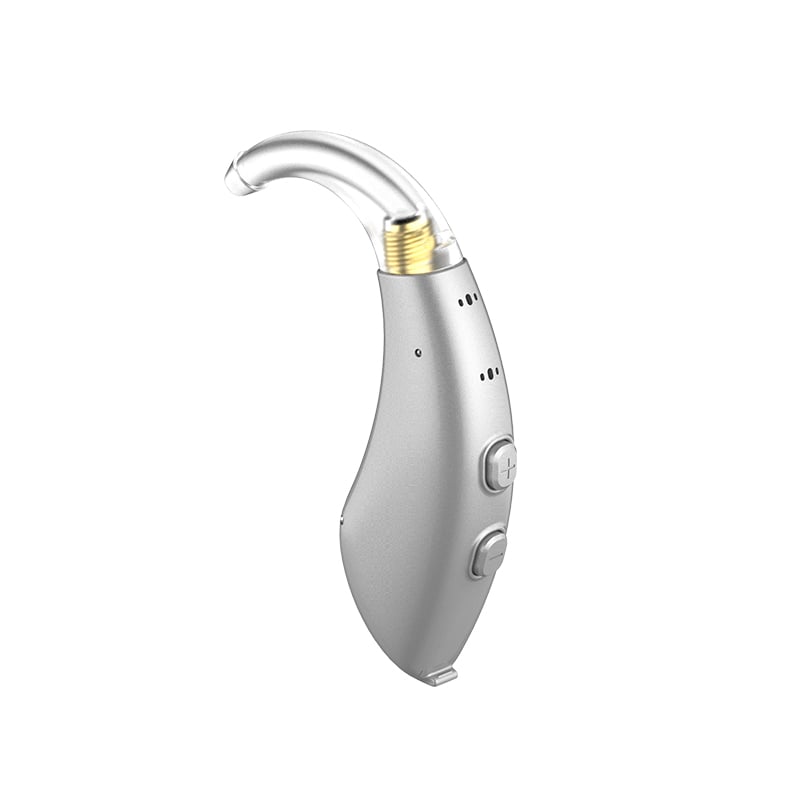
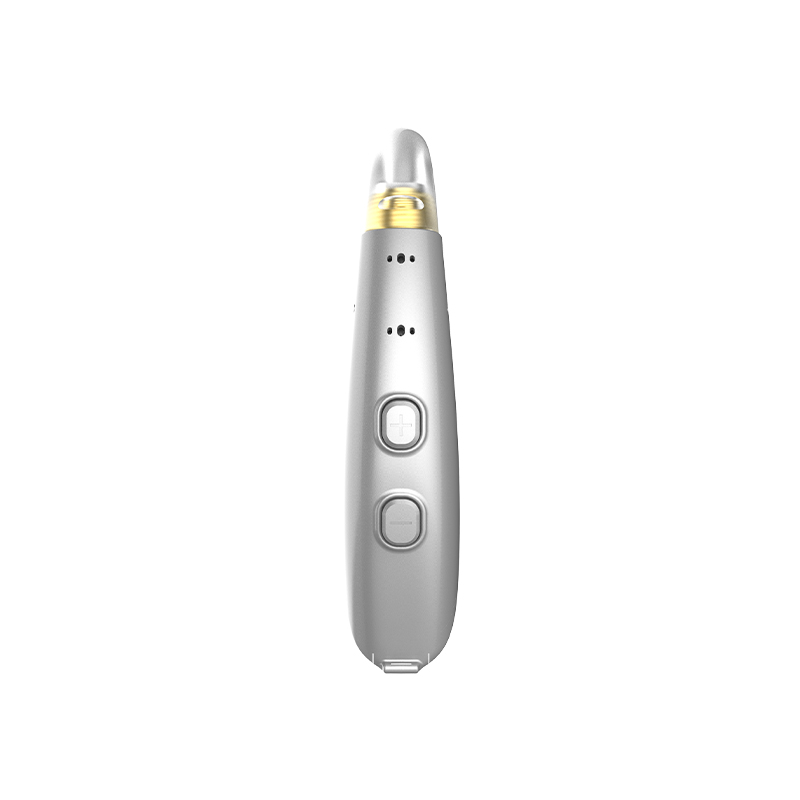
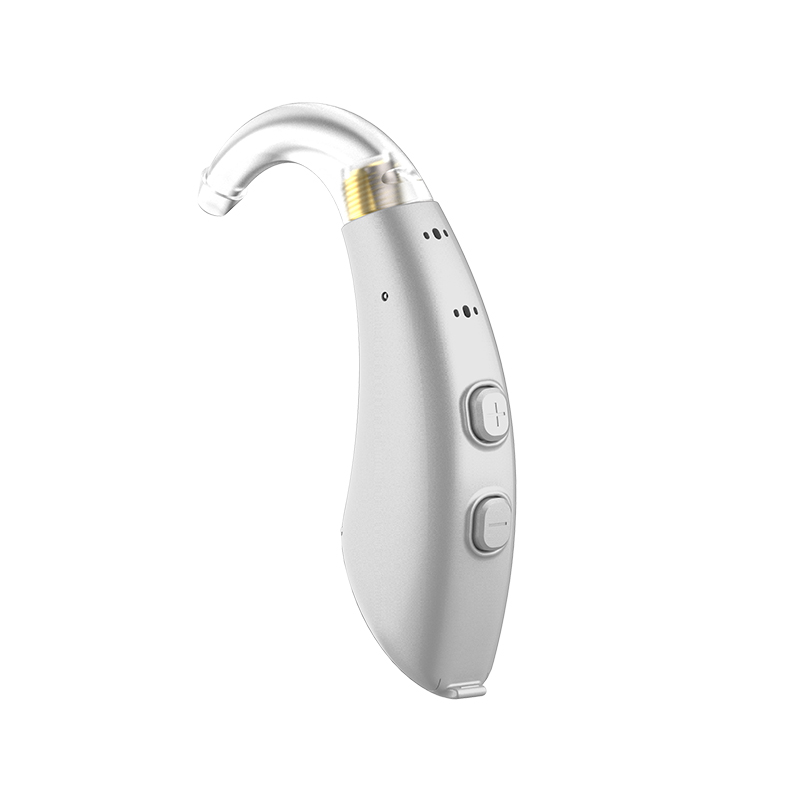
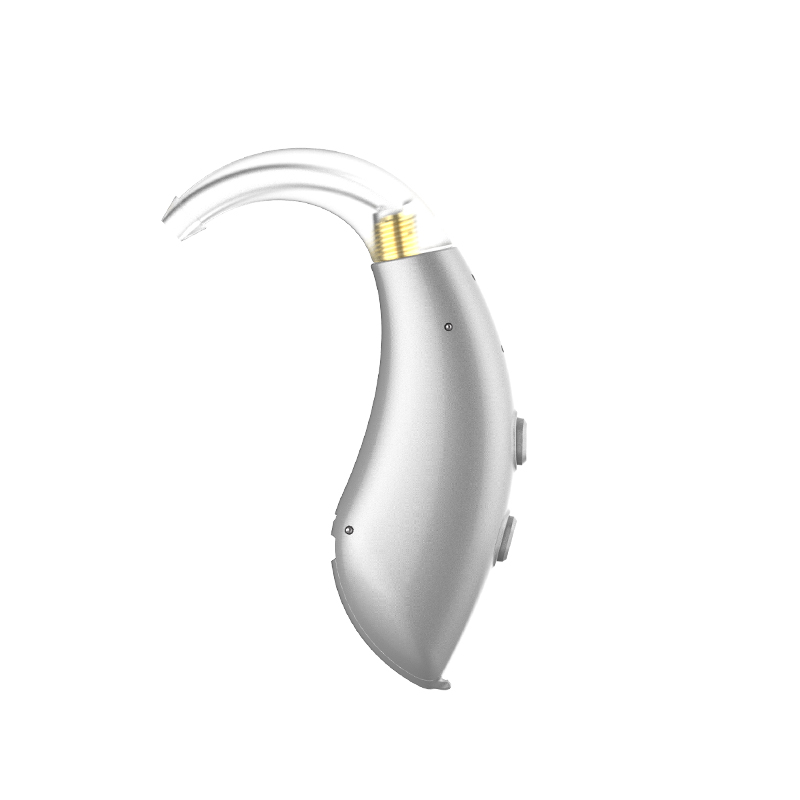
Self-adaptive processing, 64 DSP channels and three-level noise management for distributors, hearing-care providers and private-label programs.
TW3-BTE-M is the premium configuration in AcoSound’s BTE-M platform. This 16-channel digital BTE hearing aid is built for distributors, medical device importers, hearing-care providers and private-label brands seeking a technically differentiated portfolio option.
Its architecture brings together 16 independent compression and amplification channels, 32 independently adjustable bands and 64 DSP channels on the ACOD3101 intelligent multi-core processor. The processing stack also includes ERAC 2.0 multi-knee compression, two-level DFBC 3.0 Self-Adaptive feedback cancellation and Advanced SIW technology.
Premium differentiation includes self-adaptive environment recognition, ENDR 2.0 noise reduction up to 20 dB, three-level transient and wind-noise management, medium noise-source tracking, advanced dual-microphone directionality and advanced directional speech enhancement. These measurable features support portfolio positioning and professional service delivery.
The core value of TW3-BTE-M can be summarized through its 16/32/64 configuration:
| Processing layer | TW3-BTE-M configuration | Relevance to professional partners |
| Compression and amplification | 16 independent channels | Supports detailed organization of gain and compression behavior |
| Frequency shaping | 32 adjustable bands | Gives fitting teams additional control across the programmed response |
| Digital processing | 64 DSP channels | Provides the highest DSP-channel allocation in the BTE-M family |
This layout gives the 16-channel digital BTE hearing aid a clear technical identity: detailed fitting resolution for clinics and measurable premium-tier upgrade points for distributors.
ERAC 2.0 context-analysis-based intelligent multi-compression technology uses a multi-knee structure. It gives the fitting professional a flexible framework for organizing amplification across changing input levels while keeping final programming under professional control.
DFBC 3.0 Self-Adaptive feedback cancellation provides two levels of control. Working with Advanced SIW technology, it is designed to help maintain stable amplification and manage feedback behavior within the selected fitting configuration.
TW3-BTE-M uses self-adaptive environment recognition, the highest classification in this BTE-M range. Performance remains dependent on individual requirements, professional programming and the listening environment.
The environmental toolkit distinguishes the 16-channel digital BTE hearing aid from lower-tier configurations.
ENDR 2.0: Environment detection and noise reduction provides up to 20 dB of noise reduction.
Noise-source tracking: Medium-level tracking and suppression supports the wider environmental processing system.
Transient noise management: Three intelligent levels give fitting teams defined options for sudden, short-duration sounds.
Wind-noise management: Three intelligent levels provide additional control for wind-related interference.
Directional dual microphones: Advanced directional processing supports focused pickup strategies.
Directional speech enhancement: Advanced speech-oriented processing complements the dual-microphone system.
Bluetooth capability is centered on compatible app control and fitting. Instead of limiting connected functions to a single adjustment, TW3-BTE-M supports several stages of the service workflow:
| App function | Potential role in the service process |
| Volume control | Supports compatible app-based level adjustment |
| Program switching | Allows movement between configured listening programs |
| Remote fitting | Supports selected follow-up adjustments when appropriate |
| Auto fitting | Provides an additional fitting workflow option |
| Professional fitting | Supports provider-led configuration |
| Smart fitting | Adds another compatible programming pathway |
The app functions support initial setup, professional programming and selected follow-up services. App version, languages, account structure, regional implementation and any additional wireless requirements should be confirmed with AcoSound for the intended configuration.
TW3-BTE-M includes four selectable programs that can be prepared for different fitting objectives and expected listening situations. An internal sound-field assessment system and an internal audiometer system add assessment-support functions within the compatible product ecosystem.
Advanced personalized data storage supports continuity between programming sessions. Memory after power-off retains the selected operating state and programmed settings after shutdown. Additional management functions include:
Adjustable turn-on delay
Occlusion effect management
Low-battery notification
Adjustable notification volume
Volume control
Virtual program switching
Virtual volume control
Nano-coating protective treatment
Together, these functions support both acoustic programming and routine device management. They also give hearing-care partners more points to cover during product training, fitting and follow-up.
| Measurement | Rated value |
| Maximum OSPL90 | 123 dB SPL |
| HFA OSPL90 | 118 dB SPL |
| Maximum FOG50 | 46 dB |
| HFA FOG50 | 38 dB |
| Frequency range | 200–5000 Hz |
| THD at 500 Hz | 3% |
| THD at 800 Hz | 3% |
| THD at 1600 Hz | 3% |
| Reference test gain, target | 38 dB |
| Reference test gain, measured | 38 dB |
| Battery current | 2.4 mA |
| Selectable programs | 4 |
The output and gain values should be considered together with the processing architecture and intended professional fitting workflow. They provide B2B buyers with a verified basis for product comparison, sample evaluation and technical documentation.
Distributor portfolio planning: TW3-BTE-M can serve as the premium endpoint of an 8/12/16-channel BTE-M range. Its self-adaptive feedback and environment recognition, three-level noise controls and 64 DSP channels give sales teams clear upgrade points.
Clinic-led service delivery: The 16-channel digital BTE hearing aid combines detailed programming, four programs, assessment-support tools and compatible remote fitting. This allows clinics and fitting centers to place the product within a structured service pathway.
Private-label development: Brand owners can evaluate TW3-BTE-M as a technically defined OEM/ODM platform. Project discussions may cover app and software configuration, packaging, documentation, accessories, language requirements and intended market position. Regulatory requirements and commercial conditions are confirmed for each target market.
Before adding TW3-BTE-M to a product range, a business buyer can review:
The intended position of the 16-channel tier within the local portfolio.
Required app language, user-account and remote-fitting arrangements.
Professional fitting and after-sales training requirements.
Packaging, documentation, accessories and private-label scope.
Sample evaluation criteria based on the verified electroacoustic data.
Market-specific regulatory and commercial requirements.
This evaluation approach helps buyers compare the platform against their channel strategy and service capacity instead of making a decision from channel count alone.
TW3-BTE-M is best positioned as the premium option in the BTE-M family. Its 16 compression channels, 32 adjustable bands, 64 DSP channels, self-adaptive processing and three-level noise controls distinguish it from lower configurations.
The product includes DFBC 3.0 Self-Adaptive feedback cancellation with two levels and a self-adaptive environment recognition system. ERAC 2.0 uses multi-knee compression, while final fitting settings remain under professional control.
The 16-channel digital BTE hearing aid includes ENDR 2.0 noise reduction up to 20 dB, medium noise-source tracking, three-level transient noise management, three-level wind-noise management, advanced directional dual microphones and advanced directional speech enhancement.
Yes. Compatible app functions include volume control, program switching, remote fitting, auto fitting, professional fitting and smart fitting. Regional app implementation and service arrangements can be reviewed for the selected project.
The buyer should confirm the required software and app configuration, documentation, packaging, accessories, languages, regulatory pathway and commercial conditions. AcoSound can evaluate these requirements against the intended market and channel plan.
Maximum OSPL90 is 123 dB SPL, HFA OSPL90 is 118 dB SPL, maximum FOG50 is 46 dB and HFA FOG50 is 38 dB. Frequency range is 200–5000 Hz, reference test gain is 38 dB and battery current is 2.4 mA.
Contact AcoSound to request the current TW3-BTE-M datasheet, arrange product evaluation and discuss how the 16-channel digital BTE hearing aid can support your distribution, clinic or private-label program.
Self-adaptive processing, 64 DSP channels and three-level noise management for distributors, hearing-care providers and private-label programs.
This is a title description that can briefly introduce the module.