EN
EN

tw1-ric-m-8-channel-bluetooth-ric-hearing-aid, tw1-ric-m-8-channel-bluetooth-ric-hearing-aid, /ric-hearing-aids
EN
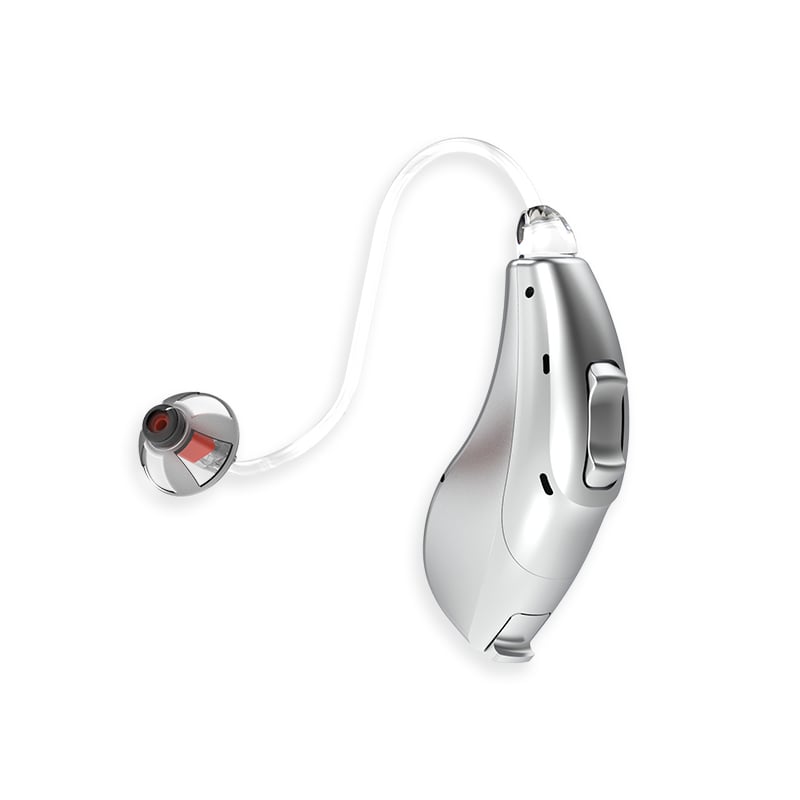
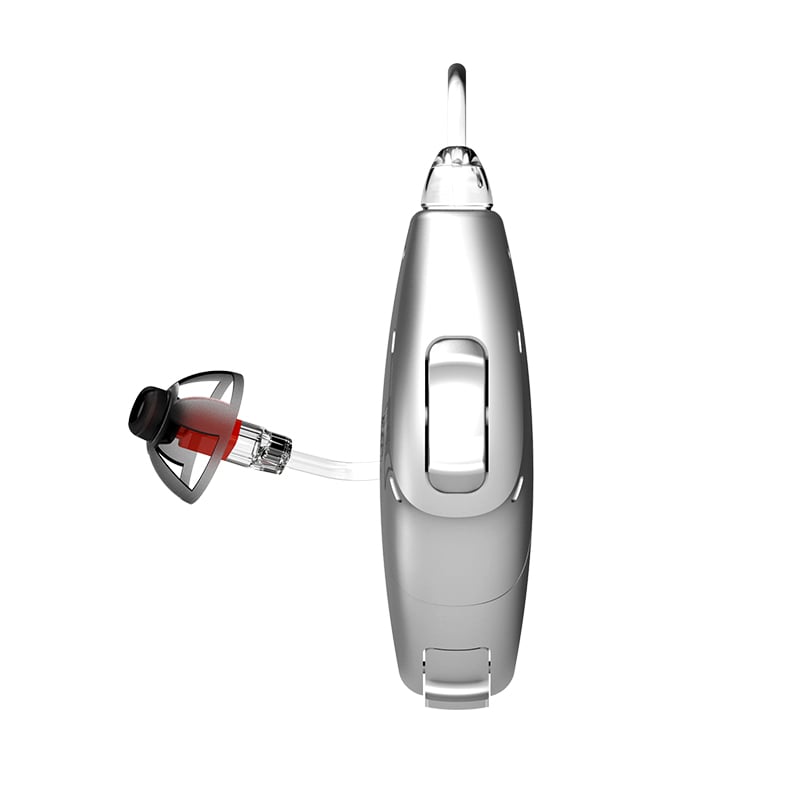
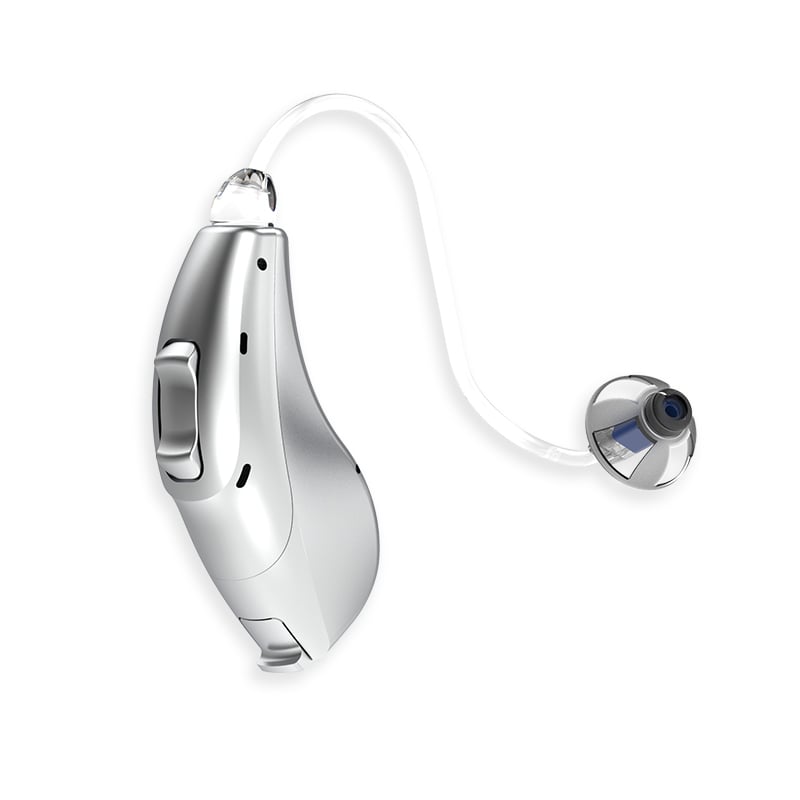
practical digital RIC solution with Bluetooth-enabled app fitting, 8-channel adjustment, adaptive feedback cancellation and essential noise management for distributors and professional hearing care providers.
The TW1-RIC-M is an 8 channel RIC hearing aid developed for professional fitting, distribution and hearing care markets that require a practical digital platform with essential adjustment functions.
Built on the ACOD3101 intelligent multi-core DSP, the device provides 8 independently adjustable compression and amplification channels, 16 adjustable bands and 32 DSP channels. This configuration gives hearing care professionals useful frequency-specific control while maintaining a straightforward architecture for routine fitting and portfolio planning.
Bluetooth-enabled app functions support volume control, program switching and multiple fitting workflows. The model also combines DFBC 2.0 adaptive feedback cancellation, ENDR 1.0 environmental noise reduction and standard transient-noise management.
For distributors building a multi-tier RIC portfolio, TW1-RIC-M offers a clearly positioned entry configuration with professional digital adjustment and wireless fitting support.
The product provides 8 independent compression and amplification channels together with 16 independently adjustable bands.
This structure allows fitting professionals to adjust different frequency areas separately instead of applying the same amplification response across the full spectrum.
For an 8 channel RIC hearing aid, this provides a practical level of fitting flexibility for standard professional applications.
The TW1-RIC-M uses the ACOD3101 intelligent multi-core DSP with 32 DSP channels.
The processing platform supports amplification, compression, feedback management, noise reduction and fitting-related functions.
ERAC 1.0 Context Analysis Based Intelligent Multi-Compression Technology uses a Dual-Knee structure.
This provides a defined compression architecture for managing different input sound levels during professional fitting and daily operation.
The model includes DFBC 2.0 Adaptive Feedback Cancellation with two adjustment levels.
The system is designed to manage acoustic feedback as part of the device's digital signal-processing configuration.
SIW technology is included as part of the signal-processing architecture.
The device uses the ENDR 1.0 Environment Detection and Noise Reduction System, with noise reduction specified at up to 17 dB.
This provides essential environmental noise management without the more advanced recognition and directional features available in higher models.
Standard transient-noise management is included to process sudden short-duration sounds within the system.
As a Bluetooth RIC hearing aid, TW1-RIC-M supports:
Additional professional functions include:
These functions give hearing care providers greater flexibility in fitting and follow-up service.
Bluetooth connectivity refers to confirmed wireless and app-related functionality. Bluetooth audio streaming or hands-free calling should only be stated when separately verified.
TW1-RIC-M also includes:
Nano coating provides additional protection for routine use but should not be interpreted as a defined waterproof or IP-rated specification without supporting documentation.
| Specification | TW1-RIC-M |
|---|---|
| Product Type | Digital RIC Hearing Aid |
| Channels | 8 |
| Adjustable Compression & Amplification Channels | 8 |
| Independent Adjustable Bands | 16 |
| DSP | ACOD3101 |
| DSP Channels | 32 |
| Compression Technology | ERAC 1.0, Dual-Knee |
| Feedback Cancellation | DFBC 2.0, 2 Levels |
| SIW Technology | SIW |
| Environment Recognition | No |
| Noise Reduction | ENDR 1.0, Max. 17 dB |
| Noise Source Tracking & Suppression | No |
| Transient Noise Management | Standard |
| Wind Noise Management | No |
| Directional Dual-Microphone Technology | No |
| Directional Speech Enhancement | No |
| Selectable Programs | 4 |
| Personalized Data Storage | Standard |
| Max. OSPL90 | 109 dB |
| HFA OSPL90 | 105 dB |
| Max. FOG50 | 45 dB |
| HFA FOG50 | 40 dB |
| Frequency Range | 200–5000 Hz |
| Battery Current | 2.3 mA |
| THD at 500 Hz | 3% |
| THD at 800 Hz | 3% |
| THD at 1600 Hz | 3% |
| Reference Test Gain – Target | 40 dB |
| Reference Test Gain – Measured | 40 dB |
| EQ | 25 dB |
TW1-RIC-M is suitable for:
For companies building a tiered product range, this 8 channel RIC hearing aid can serve as an accessible professional configuration below the more advanced TW2-RIC-M and TW3-RIC-M.
Businesses interested in customization, private-label or OEM/ODM cooperation can contact AcoSound to discuss available project options.
Key features include:
Compared with higher models in the family, TW1-RIC-M does not include directional dual-microphone technology, wind-noise management or environment recognition.
This gives distributors a clearly differentiated entry configuration rather than a product distinguished only by model number.
It provides 8 independently adjustable compression and amplification channels, 16 adjustable bands and 32 DSP channels.
Yes. It uses an 8-channel adjustment architecture together with 16 adjustable bands and 32 DSP channels.
Yes. Confirmed Bluetooth functions include supported app-based fitting, volume adjustment and program control.
The device uses ENDR 1.0, with noise reduction specified at up to 17 dB.
No. Directional dual-microphone technology and directional speech enhancement are not included in this configuration.
Yes. Remote fitting, automatic fitting, professional fitting and smart fitting are supported.
Looking for a practical RIC solution for your hearing aid portfolio?
Contact AcoSound to request specifications, samples, fitting information and available B2B cooperation options for TW1-RIC-M.
practical digital RIC solution with Bluetooth-enabled app fitting, 8-channel adjustment, adaptive feedback cancellation and essential noise management for distributors and professional hearing care providers.
This is a title description that can briefly introduce the module.