EN
EN

What Are the Key Steps in a Successful Hearing Aid OEM Collaboration?
2026/07/24
Struggling with hearing aid OEM partnerships? Discover the 6 proven steps—from spec alignment to regulatory compliance—that drive product excellence & scalability.
2026/08/04
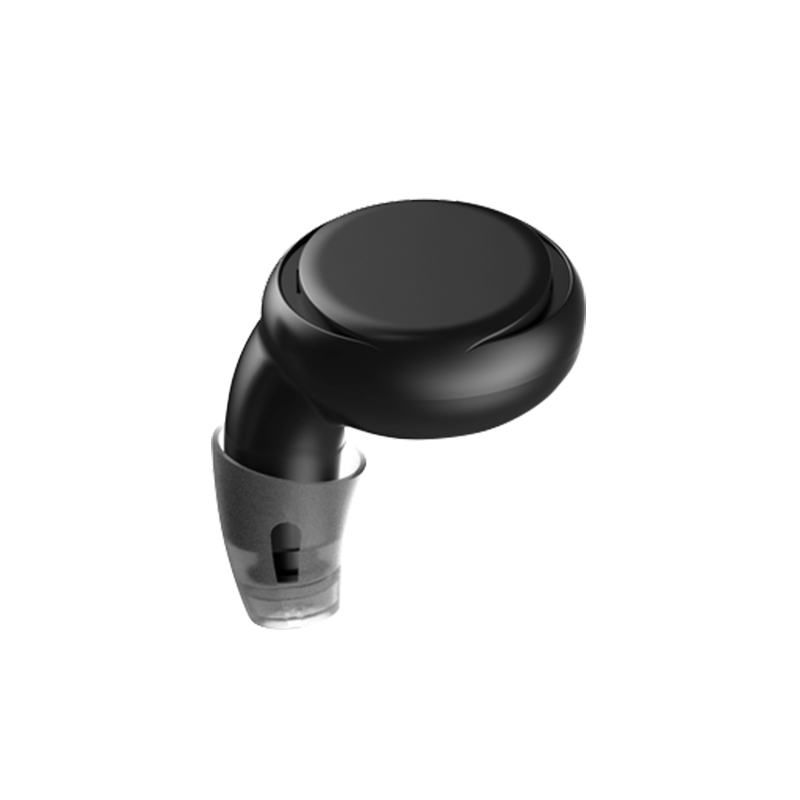
The global hearing aid market is undergoing a significant transformation, with rechargeable hearing aids rapidly becoming the preferred choice for millions of buyers worldwide. This shift reflects a fundamental change in how people approach hearing health management, driven by technological innovation, cost savings, and practical convenience. Unlike traditional disposable battery models, rechargeable systems offer users a seamless experience that integrates naturally into modern daily routines.
Understanding why rechargeable hearing aids have become a top choice requires examining multiple factors including hearing aid battery life advantages, affordability considerations, insurance accessibility, and suitability for different demographics. Best hearing aids for seniors increasingly feature rechargeable technology because this design removes the frustration of frequent battery replacements and reduces long-term expenses. The convergence of these practical benefits with improved performance has made rechargeable models the default recommendation for contemporary hearing care professionals.
One of the most compelling reasons buyers are switching to rechargeable hearing aids involves substantial cost reduction over time. Traditional disposable batteries require monthly or bi-monthly replacement, accumulating into significant annual expenses. Rechargeable systems eliminate this recurring cost entirely, requiring only an initial investment in the charging infrastructure. For budget-conscious consumers and families managing multiple devices, this cost structure represents a game-changing financial advantage that becomes increasingly apparent after the first year of use.
Hearing aid costs and insurance coverage scenarios have evolved favorably for rechargeable models in recent years. Many insurance providers now recognize the total-cost-of-ownership advantage and provide equivalent or better reimbursement for rechargeable systems compared to disposable alternatives. This shift in coverage policies has dramatically improved accessibility for seniors and working professionals. Additionally, manufacturers increasingly offer financing options and extended warranty programs for rechargeable hearing aids, further reducing the barrier to adoption and making these devices financially feasible for broader demographics.
Modern hearing aid battery life in rechargeable systems now extends 24 to 30 hours per single charge, effectively eliminating the mid-day battery anxiety that plagued users of disposable models. This reliability transforms the user experience, allowing individuals to focus on communication rather than device maintenance. The convenience factor extends beyond simply charging overnight; users benefit from reduced trips to retail stores, eliminated packaging waste, and the psychological comfort of knowing their device will function reliably throughout their day. For seniors and professionals requiring consistent hearing support, this dependability becomes non-negotiable.
Rechargeable hearing aids typically incorporate the latest digital technologies, including advanced noise cancellation, directional microphone systems, and wireless connectivity features. These innovations require stable power delivery that rechargeable systems provide more effectively than battery-dependent alternatives. Users can stream audio directly from smartphones, adjust settings through dedicated applications, and receive firmware updates that continuously enhance device performance. The integration of Bluetooth and similar wireless protocols makes rechargeable hearing aids natural complements to the smart devices that dominate modern life.
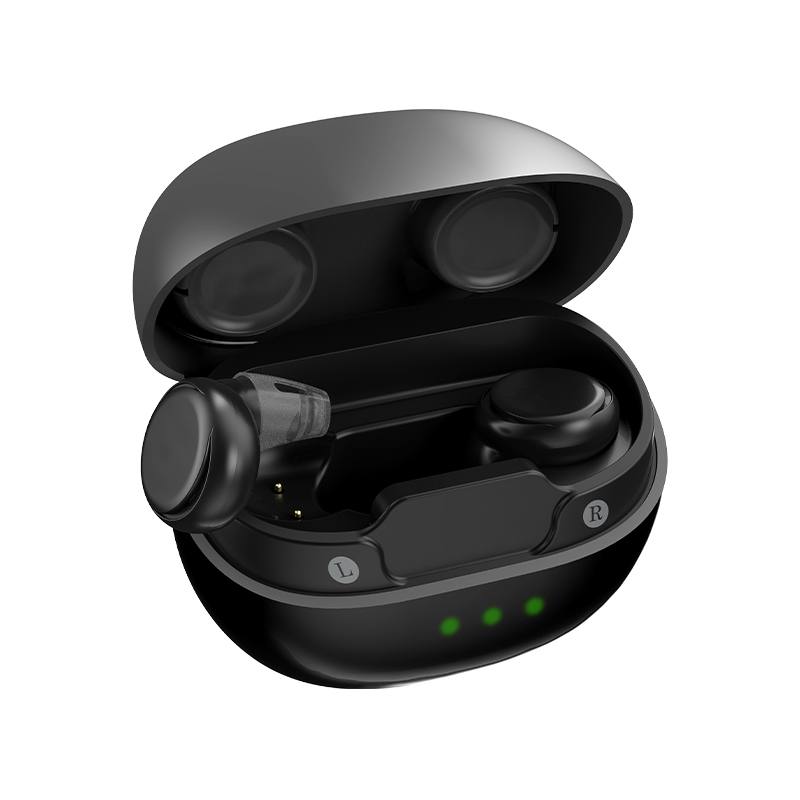
Best hearing aids for seniors must account for specific age-related factors that make rechargeable systems particularly valuable. Manual dexterity limitations common in older populations make changing tiny disposable batteries frustrating and sometimes impossible without assistance. Rechargeable models eliminate this barrier entirely, allowing seniors to maintain independence and dignity in managing their hearing health. Additionally, cognitive benefits emerge when users eliminate the mental burden of tracking battery inventory and remembering replacement schedules, freeing cognitive resources for other important activities and interactions.
The global expansion of rechargeable hearing aid adoption has created robust support infrastructure particularly beneficial for seniors. Charging stations are now standard features in hearing aid dispensaries, community centers, and senior facilities. Customer service teams have developed specialized support protocols for rechargeable device users, and family members can more easily assist with charging routines. This ecosystem of support makes rechargeable technology the natural choice for older adults who value both independence and access to reliable assistance when needed.
Data from hearing aid manufacturers and distributors worldwide consistently shows accelerating adoption of rechargeable technology across all demographic segments and geographic regions. Young professionals appreciate the environmental sustainability and tech-forward positioning, while older populations value the practical convenience and cost savings. This convergence of appeal across age groups and socioeconomic levels indicates that rechargeable models represent not a temporary trend but a fundamental evolution in hearing aid design. Manufacturers continue investing heavily in rechargeable technology development, signaling confidence in sustained market demand.
Beyond individual user benefits, rechargeable hearing aids address broader environmental and social concerns driving global adoption. Eliminating billions of disposable batteries reduces electronic waste and associated environmental harm from mining and manufacturing. This sustainability dimension increasingly influences purchasing decisions among environmentally conscious consumers and institutional buyers. Furthermore, improved accessibility and lower lifetime costs democratize hearing health management across socioeconomic boundaries, making quality hearing solutions available to populations previously priced out of the market. These factors collectively explain why rechargeable hearing aids have transcended niche adoption to become mainstream preference.
Most modern rechargeable hearing aids provide 24 to 30 hours of continuous operation per single charge, with some premium models extending to 36 hours depending on usage intensity and device configuration. Typical overnight charging takes two to three hours, and most users charge their devices every evening as part of their bedtime routine. This hearing aid battery life reliability means users can wear their devices throughout an entire day without concern about unexpected power loss, making rechargeable systems highly dependable for active lifestyles and professional environments.
Yes, many insurance providers now include rechargeable hearing aids under their coverage policies, often with parity to disposable battery alternatives or even preferential rates due to long-term cost savings. Medicare, private insurance carriers, and employer-sponsored plans increasingly recognize that hearing aid costs and insurance coverage should extend to rechargeable technology. Eligibility and coverage amounts vary significantly by specific insurance plan and geographic location, so users should contact their insurance provider directly to confirm coverage details. Many hearing aid dispensaries assist patients in navigating insurance claims and can explain coverage options for both rechargeable and traditional models.
Rechargeable hearing aids represent the best hearing aids for seniors across most demographics and functional levels, though individual suitability depends on specific circumstances. Seniors with moderate to severe hearing loss, limited manual dexterity, or cognitive concerns often benefit most from elimination of battery management tasks. However, individuals who travel extensively without reliable charging access or those preferring traditional disposable batteries retain those options. Hearing care professionals evaluate individual needs and preferences during consultations, ensuring that technology recommendations align with each person's lifestyle, capabilities, and comfort level with modern devices.
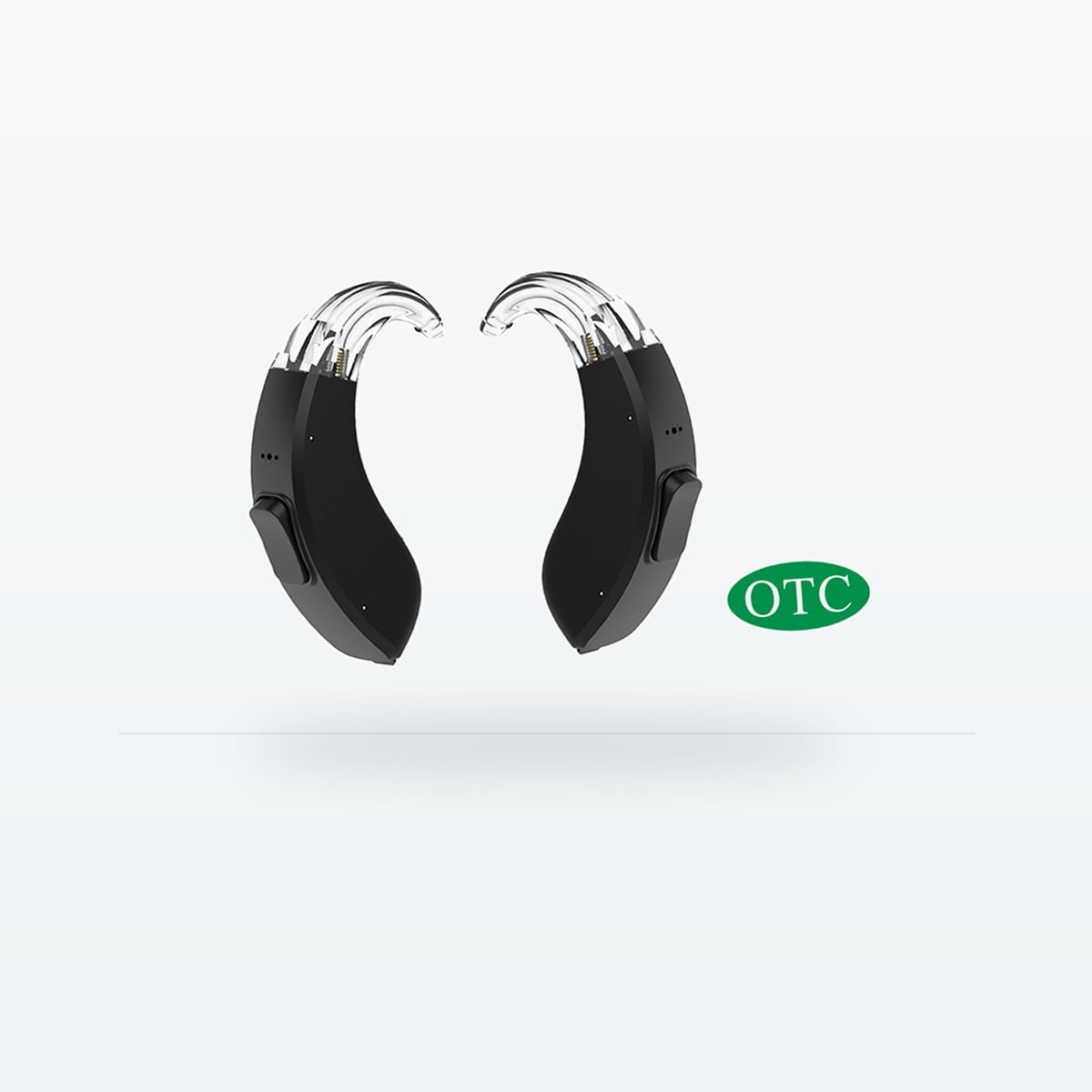
2026/07/24
Struggling with hearing aid OEM partnerships? Discover the 6 proven steps—from spec alignment to regulatory compliance—that drive product excellence & scalability.
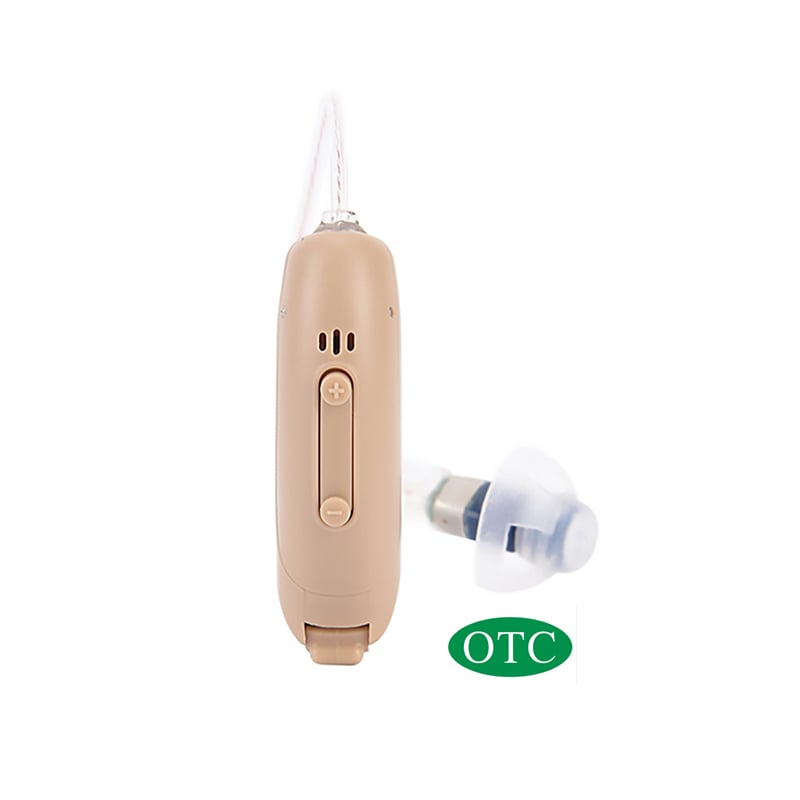
2026/07/22
Discover how hearing aid OEM partnerships speed market entry, cut costs, and enable custom solutions while improving scalability, compliance & private label growth.
2026/07/20
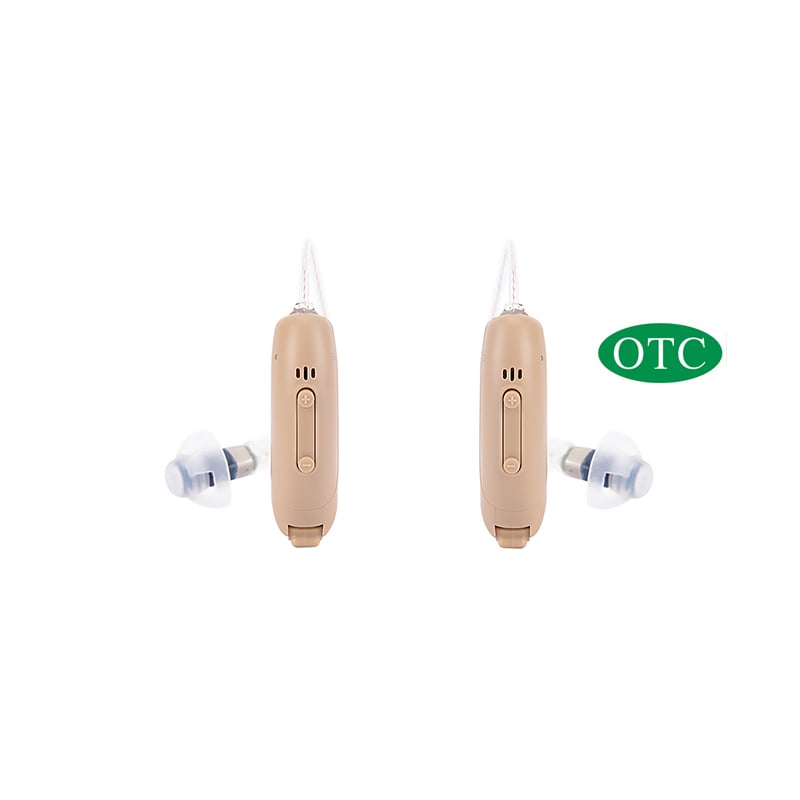
Why are 78% of hearing aid startups choosing OEM manufacturing? Discover how outsourcing accelerates time-to-market, cuts CAPEX, ensures compliance & boosts scalability.
2026/07/16
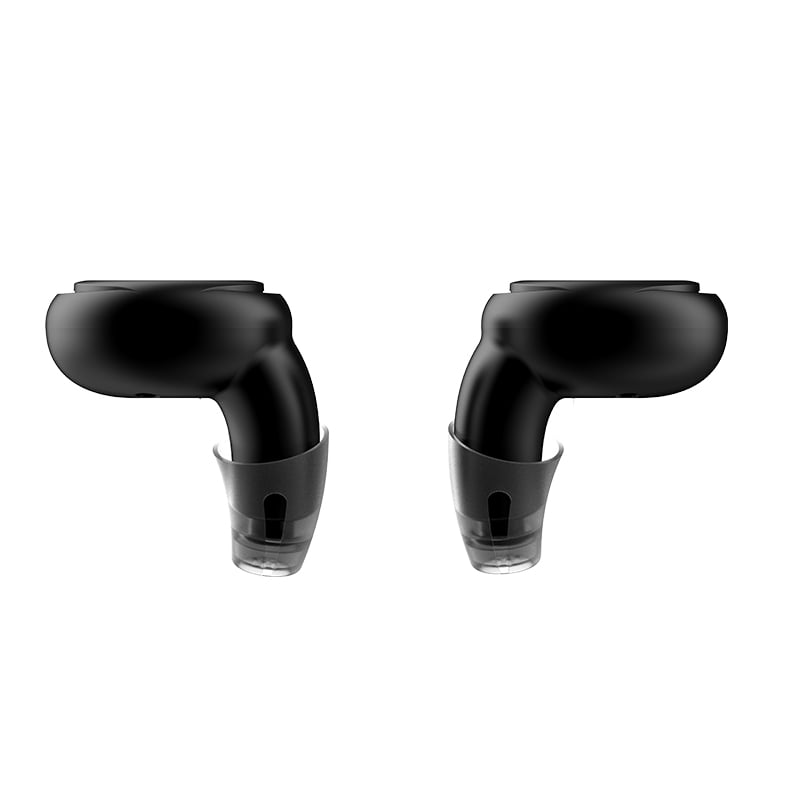
What gives modern hearing aid factories an edge? Automation, custom production, biocompatible materials, distributor integration & global compliance.
2026/07/14
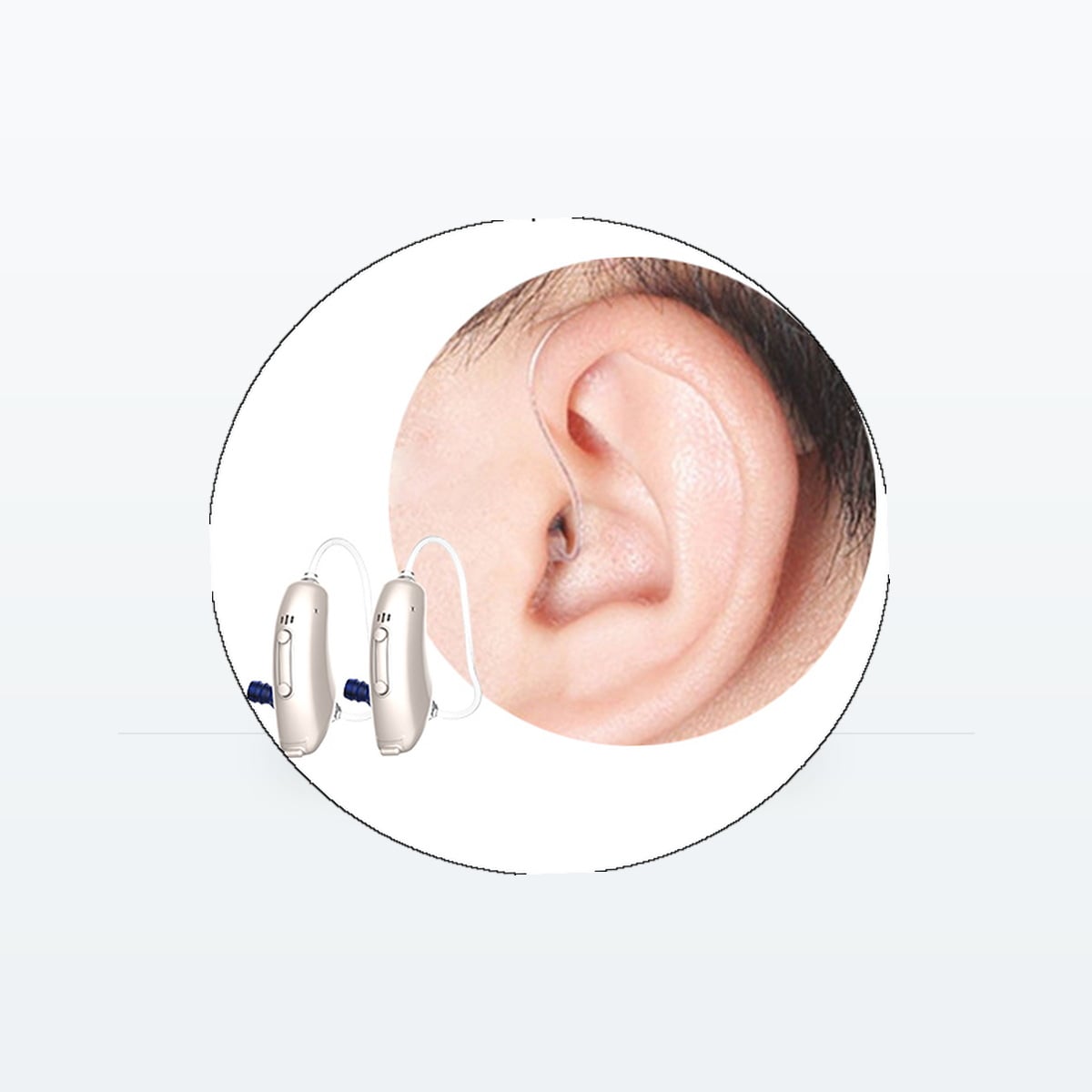
Discover why 78% of global audiology brands now prioritize long-term hearing aid factory partnerships for supply stability, compliance, and custom innovation.