EN
EN

What Are the Key Steps in a Successful Hearing Aid OEM Collaboration?
2026/07/24
Struggling with hearing aid OEM partnerships? Discover the 6 proven steps—from spec alignment to regulatory compliance—that drive product excellence & scalability.
2026/08/06
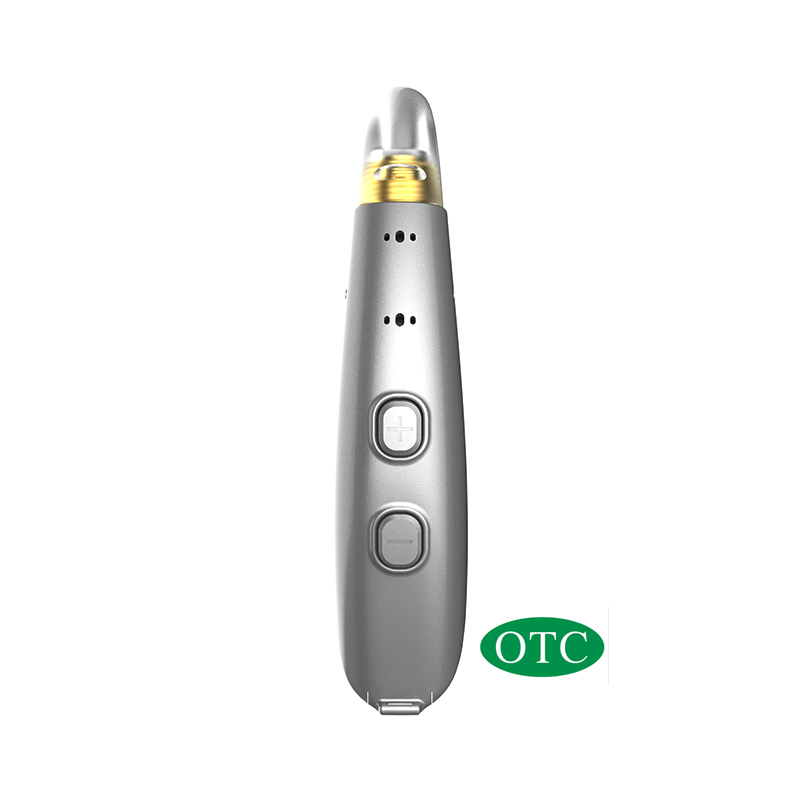
Selecting the right supplier for bluetooth hearing aids is one of the most critical decisions importers face in today's digital health market. The hearing aid industry has undergone dramatic transformation over the past decade, with wireless technology becoming not just a premium feature but a fundamental expectation among consumers. Importers who understand what distinguishes quality bluetooth hearing aids suppliers from mediocre ones gain significant competitive advantage, better profit margins, and stronger customer loyalty.
The modern hearing aid market is increasingly dominated by devices that integrate seamlessly with smartphones and other personal electronics. When evaluating potential suppliers, importers must assess far more than just price and basic specifications. Understanding the technical capabilities, manufacturing standards, customer support infrastructure, and innovation roadmap of a supplier directly impacts whether imported products will succeed or struggle in regional markets.
Wireless hearing aid connectivity represents the foundation of modern product viability. Suppliers must demonstrate robust support for Bluetooth 5.0 or newer standards, which ensure stable connections across diverse environments and minimize dropouts during critical moments. Importers should verify that potential suppliers test their devices with the most popular smartphone platforms, including iOS and Android, across multiple generation ranges. The ability to maintain consistent wireless hearing aid connectivity across different operating system versions separates experienced manufacturers from inexperienced ones.
Technical specifications alone do not guarantee real-world performance. Request that suppliers provide documented range testing results, interference immunity data, and latency measurements. Superior bluetooth hearing aids maintain stable connections within 30 meters under normal conditions and recover quickly from temporary disconnects. Ask suppliers about their quality assurance protocols for wireless performance and whether they conduct independent third-party testing.
Rechargeable hearing aids with smartphone control have become the expectation rather than exception among consumers. Evaluate whether supplier-provided apps offer intuitive controls, real-time battery status, sound adjustment capabilities, and usage analytics. The quality of the companion application significantly influences user satisfaction and retention. Suppliers should allow importers to customize certain app features to reflect local market preferences while maintaining core functionality across regions.
Ask suppliers about their development roadmap for app improvements and new features. Progressive suppliers release regular updates that enhance user experience without requiring hardware replacement. This ongoing innovation demonstrates investment in customer satisfaction and market competitiveness.
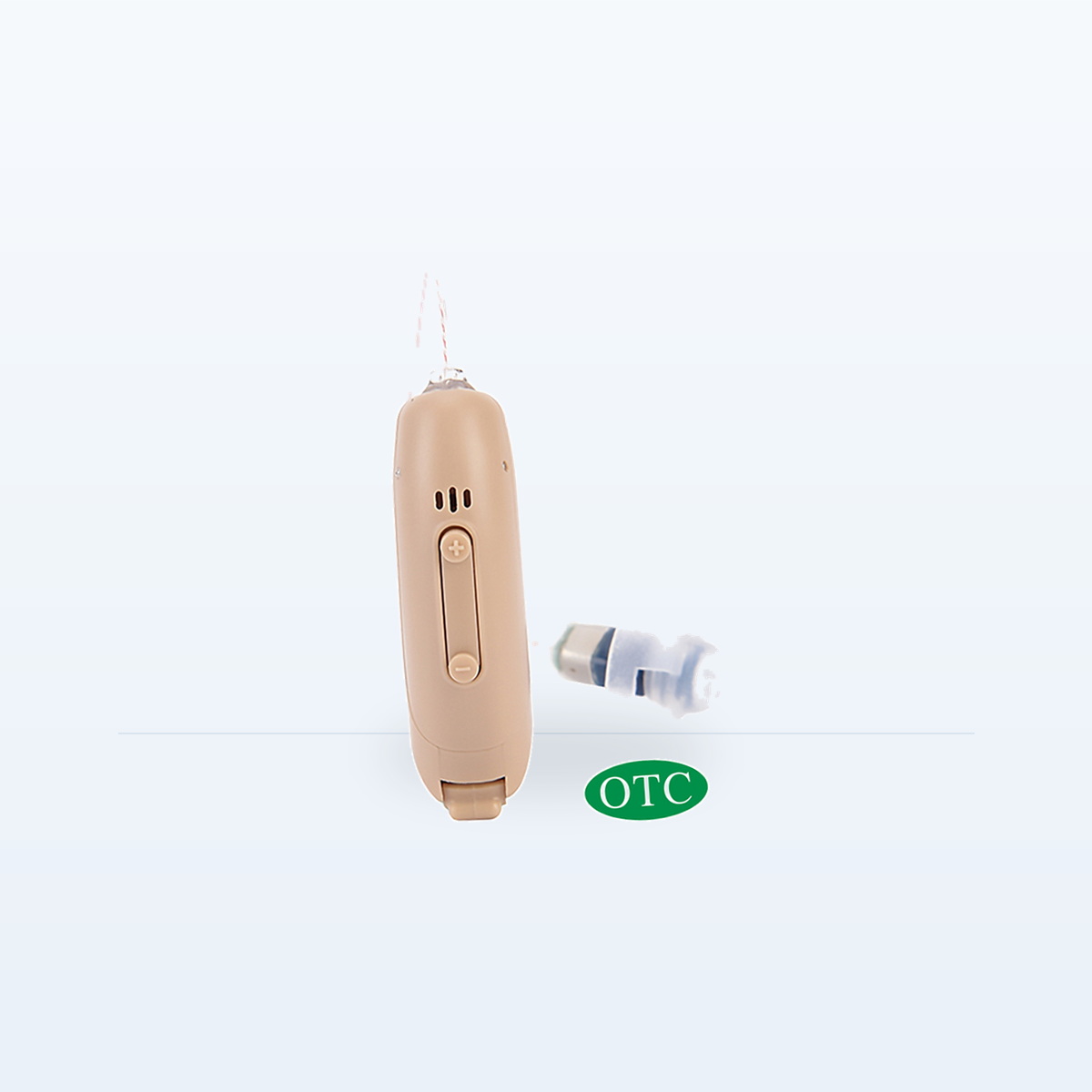
Hearing aid battery life and wireless streaming capabilities directly determine product utility and customer satisfaction. Modern rechargeable hearing aids must deliver minimum eight to twelve hours of continuous use during mixed activity including phone calls, music streaming, and ambient sound processing. Suppliers should provide battery performance data under realistic usage scenarios, not just standby conditions. Heavy users who stream content frequently require devices capable of delivering six to eight hours of streaming-intensive activity.
Importers must understand that aggressive wireless hearing aid features consume battery power substantially faster than basic analog devices. A supplier's ability to optimize power consumption while maintaining strong wireless hearing aid connectivity separates premium manufacturers from budget alternatives. Request detailed specifications on charging time, battery cycle longevity, and expected usable lifespan.
Rechargeable hearing aids require reliable charging solutions that users can depend upon daily. Superior suppliers provide multiple charging options including desktop chargers, portable charging cases with extended backup power, and USB compatibility for travel convenience. Evaluate whether charging equipment is durable, intuitive, and compatible with international electrical standards relevant to your markets. The charging infrastructure quality significantly impacts customer experience and return rates.
Battery replacement protocols also matter substantially. Suppliers should offer straightforward battery replacement procedures with minimal downtime and reasonable costs. Understanding the total cost of ownership including battery replacements helps importers provide accurate pricing to customers and manage long-term profitability.
Reputable suppliers maintain certifications including FDA approval in relevant markets, CE marking for European distribution, and ISO 9001 quality management systems. Bluetooth hearing aids must meet specific regulatory requirements that vary by region. Importers should verify that suppliers maintain active compliance with hearing aid regulations in all target markets and possess documentation proving regulatory approval status. Ask suppliers about their approach to updating products when regulatory requirements change.
Manufacturing facility visits or third-party audits provide valuable insight into actual production quality. Leading suppliers welcome transparency inspections and can demonstrate consistent production standards across manufacturing batches. Quality control procedures should include comprehensive testing of wireless hearing aid connectivity, battery performance, sound processing accuracy, and physical durability before products leave facilities.
Reliable supplier support infrastructure directly impacts your ability to serve customers effectively and manage returns. Evaluate whether suppliers provide multilingual technical documentation, responsive customer service channels, and reasonable warranty coverage. Hearing aid devices sometimes require troubleshooting assistance, firmware updates, or replacement components that suppliers must address promptly. Weak supplier support creates customer dissatisfaction that directly harms your business reputation and market position.
Ask suppliers about their approach to handling defective units, warranty claims processing, and technical escalations. Suppliers should demonstrate commitment to customer satisfaction through transparent processes and reasonable resolution timelines. Understanding supplier policies on restocking, refunds, and replacements helps you establish appropriate policies for your own customer base.
Wireless hearing aid connectivity remains essential even in price-sensitive markets because consumer expectations have evolved significantly. Consumers increasingly view bluetooth hearing aids as standard rather than premium features. Importers who emphasize only low prices while neglecting wireless capabilities will struggle to compete effectively. Even budget-conscious customers demand basic wireless functionality for smartphone compatibility and convenience.
Request minimum hearing aid battery life specifications under different usage scenarios, actual Bluetooth connectivity range testing results, and app functionality documentation. Ask suppliers for real-world user testing data rather than laboratory specifications alone. Request information about charging cycle longevity, expected total device lifespan, and warranty coverage terms. Performance metrics should address your specific market conditions and customer usage patterns.
Request ISO 9001 certification documentation, conduct facility audits or hire third-party auditors, and ask for sample testing reports demonstrating wireless hearing aid connectivity performance and durability. Request references from other importers or distributors purchasing from the same suppliers. Verify regulatory compliance documentation and ask about quality improvement initiatives suppliers implement continuously. Transparent suppliers welcome verification processes and demonstrate confidence in their quality standards.
2026/07/24
Struggling with hearing aid OEM partnerships? Discover the 6 proven steps—from spec alignment to regulatory compliance—that drive product excellence & scalability.
2026/07/22
Discover how hearing aid OEM partnerships speed market entry, cut costs, and enable custom solutions while improving scalability, compliance & private label growth.
2026/07/20
Why are 78% of hearing aid startups choosing OEM manufacturing? Discover how outsourcing accelerates time-to-market, cuts CAPEX, ensures compliance & boosts scalability.
2026/07/16
What gives modern hearing aid factories an edge? Automation, custom production, biocompatible materials, distributor integration & global compliance.
2026/07/14
Discover why 78% of global audiology brands now prioritize long-term hearing aid factory partnerships for supply stability, compliance, and custom innovation.