EN
EN

What Are the Key Steps in a Successful Hearing Aid OEM Collaboration?
2026/07/24
Struggling with hearing aid OEM partnerships? Discover the 6 proven steps—from spec alignment to regulatory compliance—that drive product excellence & scalability.
2026/08/12
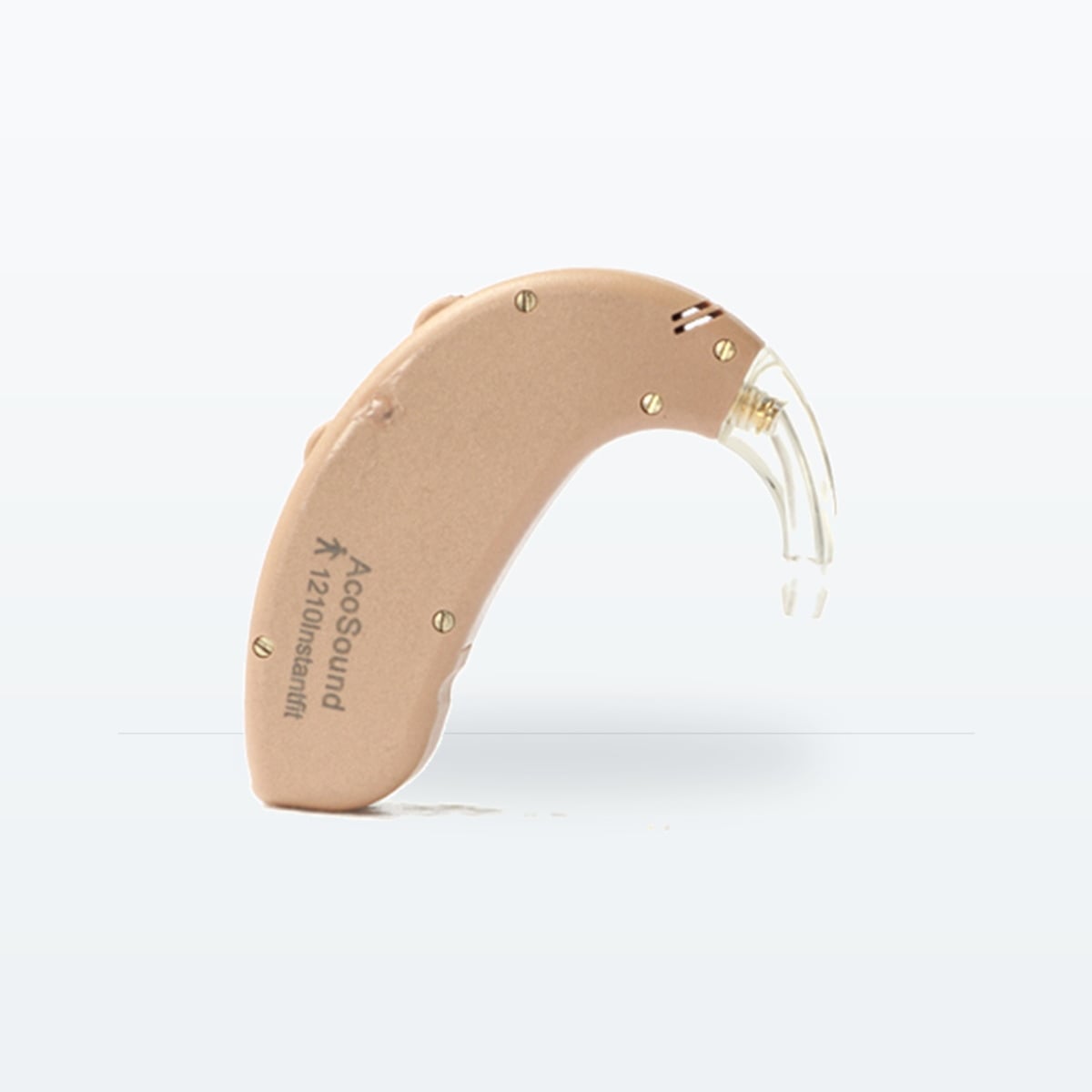
Partnering with a qualified hearing aid supplier opens significant opportunities for businesses looking to expand their product offerings. Whether you operate a pharmacy, medical clinic, retail electronics store, or specialized audiology center, a hearing aid supplier provides the expertise, inventory access, and support infrastructure necessary to introduce hearing aids into your business model successfully. This partnership goes beyond simple product procurement—it encompasses training, market knowledge, and customer support that directly impact your expansion strategy.
A hearing aid supplier acts as your strategic partner in navigating the complexities of the audiology market. They supply hearing aid supplier expertise that transforms your business capabilities. By understanding how suppliers structure their services, what hearing aid types and features they offer, and how they support fitting and adjustment processes, you can make informed decisions about product line expansion that align with your business goals and customer needs.
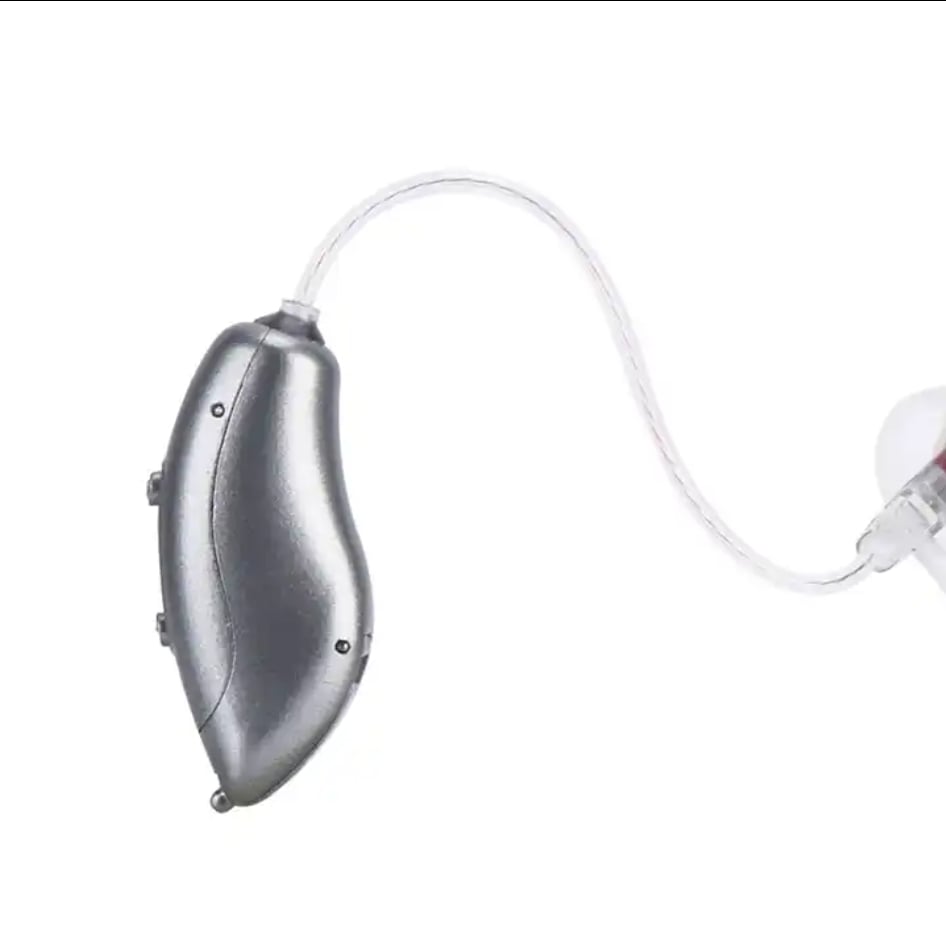
A professional hearing aid supplier maintains inventory across multiple hearing aid types and features, allowing you to choose products that match your target market. Behind-the-ear devices remain popular for their power and durability, while in-the-ear models appeal to customers seeking discretion. Completely-in-canal hearing aids offer maximum concealment, and receiver-in-canal technology provides a balanced approach. Understanding these hearing aid types and features helps you select inventory that addresses your customer base's specific needs and preferences.
Suppliers educate partners about hearing aid types and features, including digital processing capabilities, wireless connectivity, directional microphone systems, and battery technology. Modern devices often include smartphone integration, environmental noise reduction, and feedback cancellation features. Your supplier explains how these hearing aid types and features translate into tangible benefits for different customer segments, from active professionals requiring advanced connectivity to seniors prioritizing simplicity and reliability.
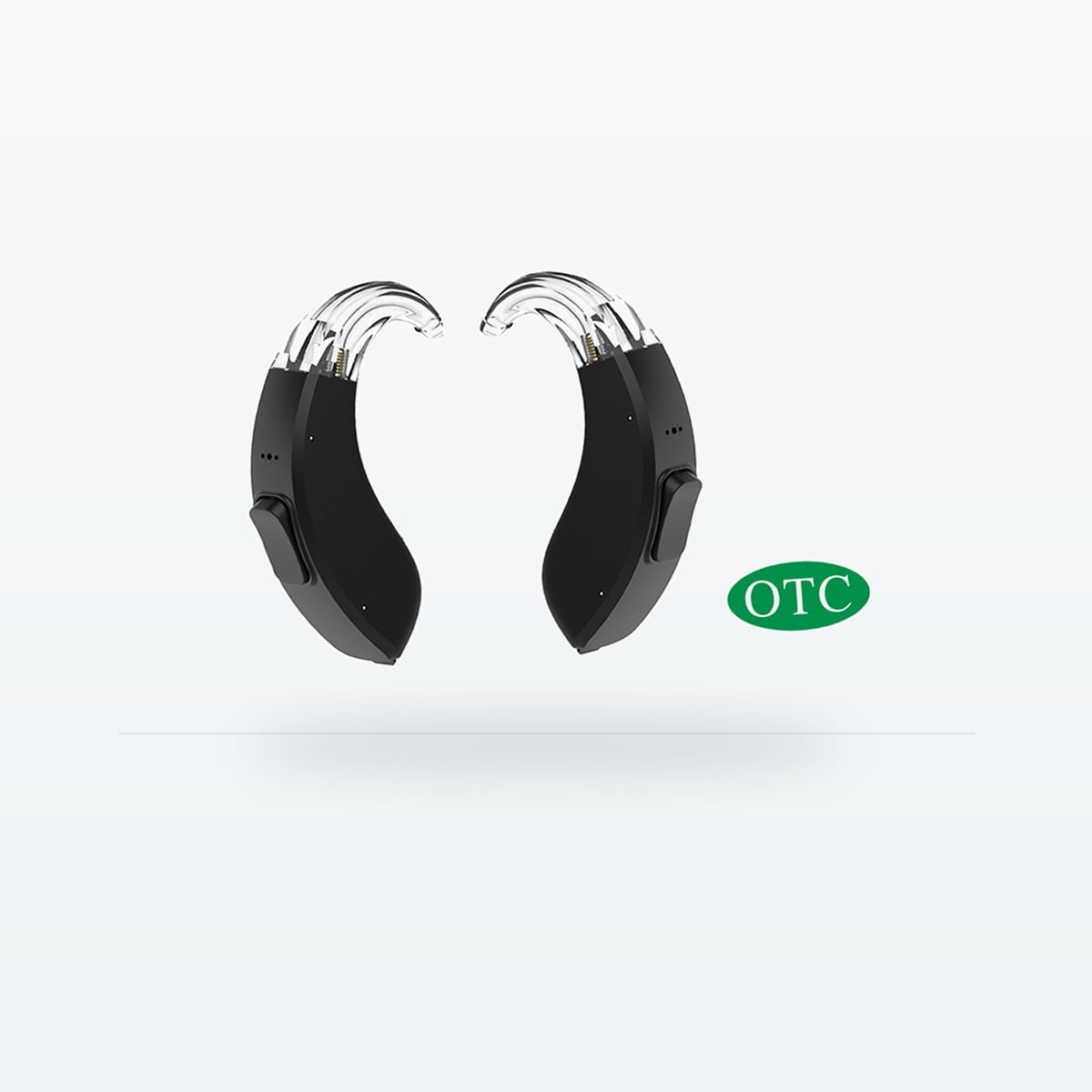
Hearing aid types and features vary significantly in performance level and price point. Entry-level devices provide basic amplification, while premium models offer sophisticated signal processing and automated adjustments across environments. A knowledgeable hearing aid supplier helps you understand which technology tiers match your market positioning. Offering a tiered product range ensures you capture customers at different price sensitivity levels while building credibility across the market spectrum.
Expanding your product line successfully requires offering affordable hearing aid options alongside premium devices. Many customers delay or avoid hearing aid purchases due to cost concerns, creating market opportunity for businesses that stock price-sensitive solutions. A reputable hearing aid supplier maintains relationships with manufacturers across quality levels, enabling you to source affordable hearing aid options without compromising device reliability or customer satisfaction. This strategy significantly increases addressable market size within your customer base.
Affordable hearing aid options don't mean sacrificing quality or performance. Modern manufacturing efficiency and digital technology democratization enable suppliers to offer budget-conscious devices that deliver measurable hearing improvement for customers with mild to moderate hearing loss. By stocking affordable hearing aid options, your business becomes accessible to price-sensitive customers who might otherwise purchase from competitors or defer purchases indefinitely.
Your hearing aid supplier provides technical specifications, performance comparisons, and use case guidance that help your sales team communicate affordable hearing aid options effectively. Staff training on how affordable hearing aid options compare to premium alternatives builds confidence in your recommendations. Customers appreciate clear explanations of which features justify price differences and which affordable hearing aid options deliver adequate performance for their specific situations. This transparency drives conversion rates and customer satisfaction simultaneously.
Hearing aid fitting and adjustment represents the critical bridge between product sale and customer success. A comprehensive hearing aid supplier provides staff training programs, certification pathways, and ongoing technical support that enable your team to deliver professional hearing aid fitting and adjustment services. This capability directly impacts customer retention, satisfaction scores, and repeat business. Suppliers often offer webinars, in-person training sessions, and detailed fitting protocols that standardize your service quality across all customer interactions.
Proper hearing aid fitting and adjustment require understanding audiological principles, device-specific programming interfaces, and individual patient ear canal anatomy. Your hearing aid supplier equips your team with knowledge and tools necessary to perform initial fittings, follow-up adjustments, and troubleshooting. Investment in staff training transforms hearing aid fitting and adjustment from a transaction into a value-added service that differentiates your business from competitors and justifies premium positioning.
After initial hearing aid fitting and adjustment, customers often need follow-up support for fine-tuning, programming adjustments, and warranty management. Established hearing aid suppliers provide technical hotlines, remote support capabilities, and replacement device programs that sustain customer satisfaction long-term. Your team delivers hearing aid fitting and adjustment services confidently, knowing you have supplier backing for complex cases or technical issues. This support infrastructure becomes a competitive advantage that builds customer loyalty and reduces returns.
The integration of hearing aid fitting and adjustment services within your business model generates recurring revenue opportunities through follow-up visits, device upgrades, and accessory sales. A reliable hearing aid supplier maintains inventory replenishment schedules and technical resources that support sustained service delivery. This partnership approach transforms hearing aid fitting and adjustment from occasional transactions into predictable business processes that drive profitability.
Selecting the right hearing aid supplier directly determines product quality, pricing competitiveness, staff training quality, and technical support availability. A supplier committed to partner success provides not just inventory but strategic guidance on market positioning, product mix optimization, and customer segment targeting. Strong supplier relationships accelerate time-to-market, reduce implementation risk, and build sustainable competitive advantages that extend beyond initial product launch.
Prioritize hearing aid types and features based on your target customer demographics and purchasing preferences. If you serve active professionals, prioritize wireless connectivity and advanced noise reduction. For senior customers, emphasize simplicity, battery life, and comfortable fit. Your hearing aid supplier advises on market demand patterns within your geographic area and customer profile, helping you select hearing aid types and features that maximize inventory turnover and customer satisfaction simultaneously.
Offering affordable hearing aid options strengthens rather than damages brand positioning when positioned strategically. Frame affordable hearing aid options as 'accessible entry-level solutions' or 'value-conscious technology' rather than cheap alternatives. Your hearing aid supplier's quality assurance and performance guarantees provide confidence backing for affordable hearing aid options. Tiered pricing allows customers to upgrade to premium devices over time, building long-term customer lifetime value and market loyalty across price segments.
2026/07/24
Struggling with hearing aid OEM partnerships? Discover the 6 proven steps—from spec alignment to regulatory compliance—that drive product excellence & scalability.
2026/07/22
Discover how hearing aid OEM partnerships speed market entry, cut costs, and enable custom solutions while improving scalability, compliance & private label growth.
2026/07/20
Why are 78% of hearing aid startups choosing OEM manufacturing? Discover how outsourcing accelerates time-to-market, cuts CAPEX, ensures compliance & boosts scalability.
2026/07/16
What gives modern hearing aid factories an edge? Automation, custom production, biocompatible materials, distributor integration & global compliance.
2026/07/14
Discover why 78% of global audiology brands now prioritize long-term hearing aid factory partnerships for supply stability, compliance, and custom innovation.