Product Overview
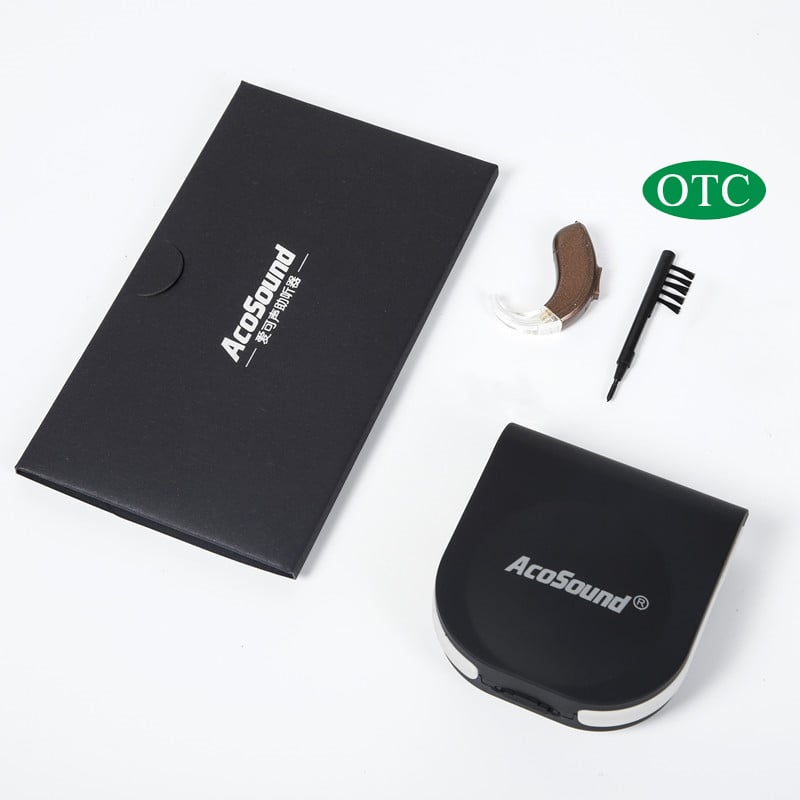
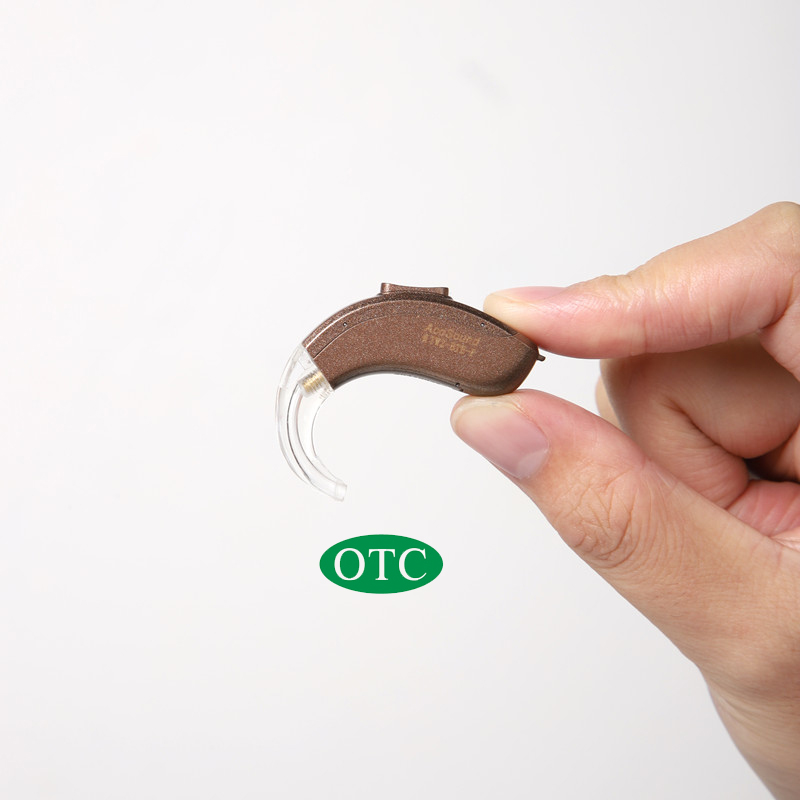
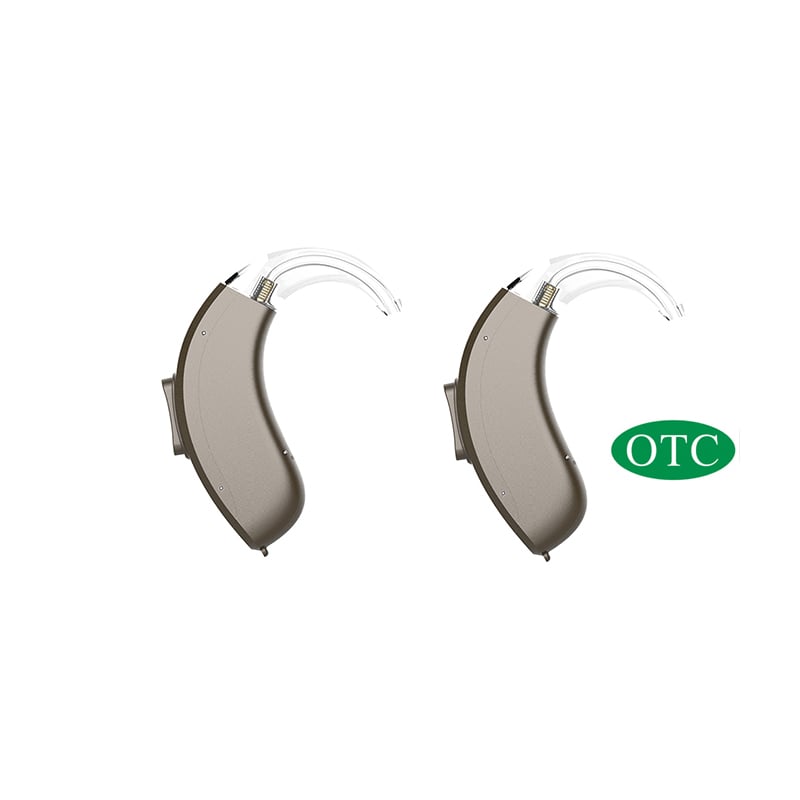
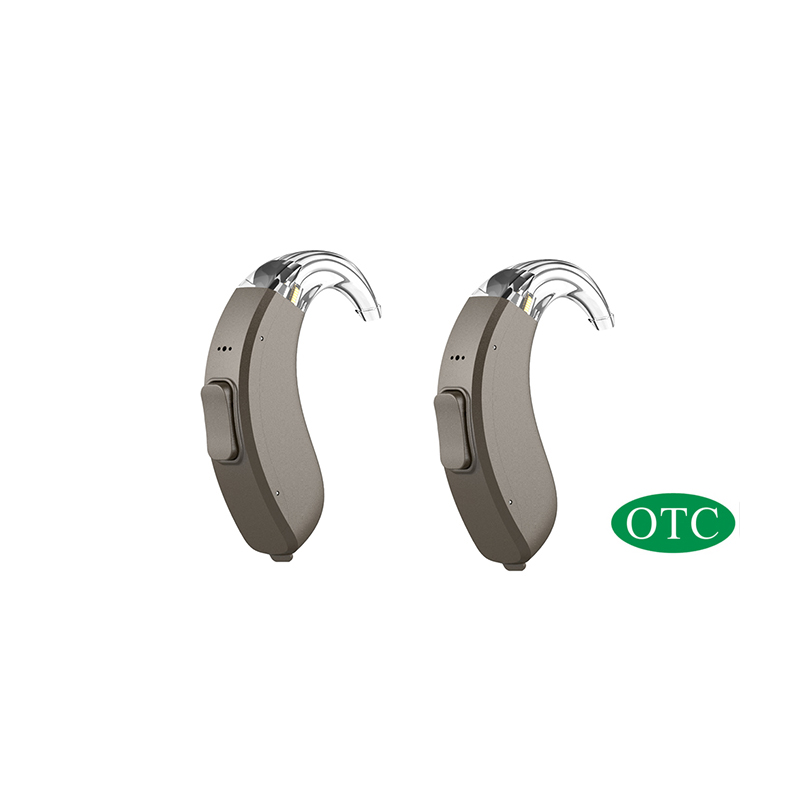
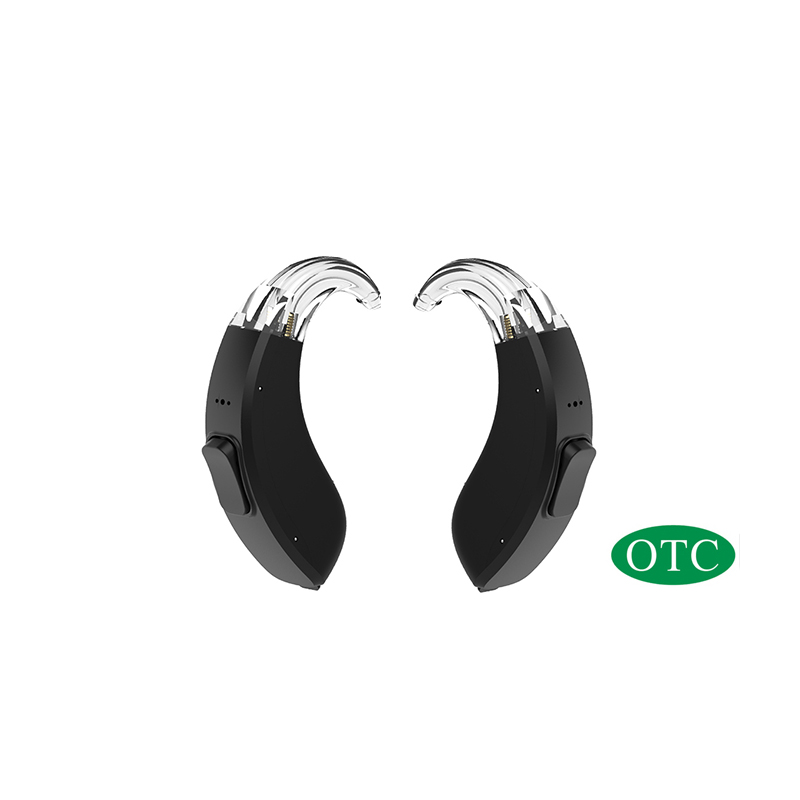
The L4-BTE-P-N is a 4 channel digital BTE hearing aid developed for hearing aid distributors, audiology clinics, hearing centers, medical device importers and professional hearing care organizations that need a clearly documented BTE platform for technical evaluation, sample comparison and B2B product planning.
Built on the ACOD2101 intelligent multi-core DSP, the model provides 4 independently adjustable compression and amplification channels, 8 independently adjustable bands and 16 DSP channels. Its processing architecture combines ERAC 1.0 Context Analysis Based Intelligent Multi-Compression Technology with a Dual-Knee structure, AFC 2.0 Adaptive Feedback Cancellation with two levels, SIW technology and ENDR 1.0 Environment Detection and Noise Reduction specified at up to 15 dB.
A key product characteristic is its electroacoustic specification. Maximum OSPL90 is 128 dB, HFA OSPL90 is 116 dB, maximum FOG50 is 51 dB and HFA FOG50 is 41 dB. The specified frequency range is 200–5500 Hz, while both target and measured reference test gain are 41 dB.
The model also provides four selectable programs, an Internal Sound Field Assessment System, an Internal Audiometer System and multiple device-management functions. FM Interface Compatibility and Auto Phone Function are optional.
For B2B buyers, L4-BTE-P-N can therefore be evaluated through a combination of fitting architecture, electroacoustic data, signal-processing specifications and professional workflow functions, while optional features remain clearly separated from the standard configuration.
Electroacoustic Profile for Product Comparison
L4-BTE-P-N provides a maximum OSPL90 of 128 dB and an HFA OSPL90 of 116 dB. Maximum FOG50 is specified at 51 dB, while HFA FOG50 is 41 dB.
Reference test gain is listed at 41 dB for both target and measured values. EQ is specified at 25 dB, and the frequency range extends from 200 to 5500 Hz. Battery current is specified at 1.4 mA.
For distributors and professional hearing care organizations, these figures provide a concrete basis for technical comparison between models. They can be used in specification sheets, sample evaluation, quotation preparation and portfolio planning without relying on generalized performance statements.
For buyers evaluating a 4 channel digital BTE hearing aid, this electroacoustic profile adds another selection dimension beyond channel count. The model can be assessed by combining output, gain, frequency-range and fitting-architecture data within the same product review.
This approach is particularly useful when procurement decisions need to be based on documented specifications that can be checked across multiple SKUs.
4 / 8 / 16 Fitting Architecture
The model uses a 4 / 8 / 16 structure consisting of:
- 4 independently adjustable compression and amplification channels
- 8 independently adjustable bands
- 16 DSP channels
This architecture gives professional fitting teams defined adjustment points while keeping the configuration straightforward. ACOD2101 provides the digital processing foundation for compression, feedback management and noise reduction.
For distributors, the 4 / 8 / 16 structure creates a concise technical identity for training materials, catalogs and product-comparison documents.
For clinics and hearing centers, the fitting specifications can be reviewed together with the model's electroacoustic profile when determining whether the configuration matches a professional product requirement.
A 4 channel digital BTE hearing aid with this documented fitting structure can therefore be positioned around technical transparency rather than broad consumer-oriented claims.
Signal Processing Configuration
ERAC 1.0 provides the model's Context Analysis Based Intelligent Multi-Compression Technology and uses a Dual-Knee structure.
Feedback management is provided by AFC 2.0 Adaptive Feedback Cancellation with two levels. SIW technology is also included.
Noise reduction is provided by ENDR 1.0 Environment Detection and Noise Reduction, specified at up to 15 dB.
The Directional Dual-Microphone mode is specified as All Direction.
Together, these specifications define the model's core digital-processing configuration. For professional buyers, they provide technical reference points that can be evaluated alongside fitting channels and electroacoustic data.
For distributors, the same specifications can be carried into technical documentation and sales training without extending the product claims beyond the documented specification.
Professional Fitting and Device Functions
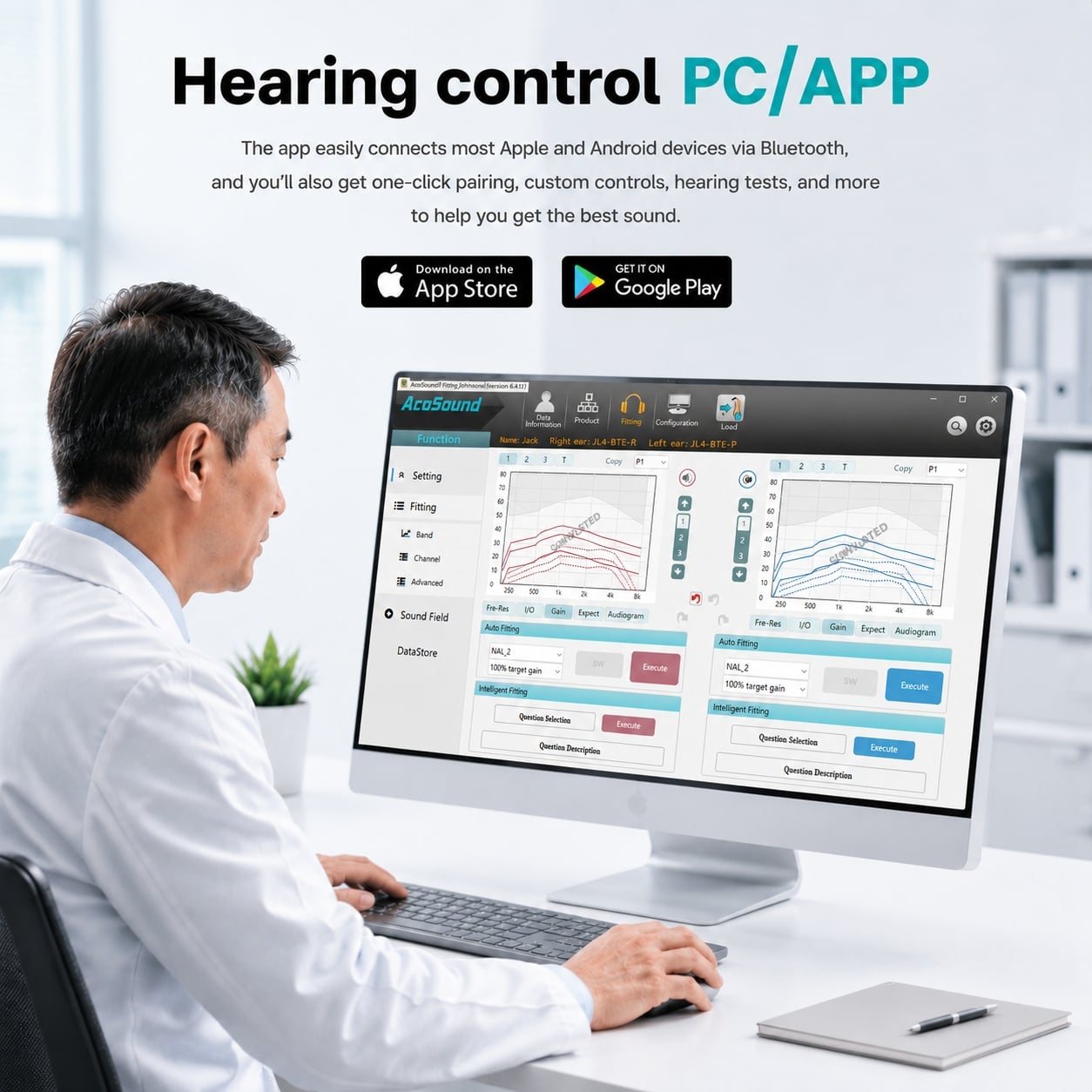
L4-BTE-P-N provides 4 selectable programs and includes an Internal Sound Field Assessment System and Internal Audiometer System.
Additional functions include:
- Adjustable Turn-on Delay
- Occlusion Effect Management
- Low Battery Power Notification
- Adjustable Notification Volume
- Volume Control
- Memory After Power-off
Personalized Data Storage is specified as Standard, and Nano Coating Technology is included.
These functions support assessment, fitting and routine device management across audiology clinics, hearing centers and distributor-led professional programs.
The model therefore provides a professional workflow specification that complements its channel structure and electroacoustic data.
Optional FM Interface and Auto Phone Functions
FM Interface Compatibility is optional for L4-BTE-P-N.
Auto Phone Function is also optional.
The standard platform can be evaluated through its fitting architecture, electroacoustic profile, signal-processing functions and professional workflow features, while the availability of optional functions can be confirmed according to project requirements.
For distributors, this makes it easier to keep the base specification separate from project-specific options during sample confirmation, quotation and order planning.
For buyers considering a 4 channel digital BTE hearing aid, the distinction also helps maintain clarity when comparing the standard product specification with optional requirements for a particular account.
B2B Portfolio Positioning
L4-BTE-P-N is suitable for hearing aid distributors, medical device importers, audiology clinics, hearing centers and professional hearing care networks that require a BTE model with clearly documented fitting, electroacoustic and optional-function specifications.
Its product identity is based on:
- 4 fitting channels
- 8 adjustable bands
- 16 DSP channels
- Maximum OSPL90: 128 dB
- HFA OSPL90: 116 dB
- Maximum FOG50: 51 dB
- HFA FOG50: 41 dB
- Frequency Range: 200–5500 Hz
- AFC 2.0 feedback control
- ENDR 1.0 noise reduction up to 15 dB
- All Direction dual-microphone specification
- Optional FM Interface Compatibility
- Optional Auto Phone Function
FM Interface Compatibility and Auto Phone Function remain optional, allowing their availability to be confirmed separately for project requirements.
This positioning gives L4-BTE-P-N a clearer role beside related 4-channel BTE configurations. Rather than using the same product story as models with different electroacoustic specifications, the page emphasizes measurable output, gain, frequency-range and fitting data.
As a 4 channel digital BTE hearing aid, L4-BTE-P-N is therefore best positioned around technical transparency, professional fitting support and specification-based B2B evaluation.
Technical Specifications
| Specification |
L4-BTE-P-N |
| Product Type |
Digital BTE Hearing Aid |
| Channels |
4 |
| Adjustable Compression & Amplification Channels |
4 |
| Independent Adjustable Bands |
8 |
| DSP |
ACOD2101 |
| DSP Channels |
16 |
| Compression Technology |
ERAC 1.0, Dual-Knee |
| Feedback Management |
AFC 2.0, 2 Levels |
| SIW Technology |
SIW |
| Noise Reduction |
ENDR 1.0, Max. 15 dB |
| Directional Dual-Microphone |
All Direction |
| Selectable Programs |
4 |
| Internal Sound Field Assessment |
Yes |
| Internal Audiometer |
Yes |
| Adjustable Turn-on Delay |
Yes |
| Occlusion Effect Management |
Yes |
| Low Battery Power Notification |
Yes |
| Adjustable Notification Volume |
Yes |
| Volume Control |
Yes |
| FM Interface Compatible |
Optional |
| Auto Phone Function |
Optional |
| Memory After Power-off |
Yes |
| Personalized Data Storage |
Standard |
| Nano Coating Technology |
Included |
| Max. OSPL90 |
128 dB |
| HFA OSPL90 |
116 dB |
| Max. FOG50 |
51 dB |
| HFA FOG50 |
41 dB |
| Frequency Range |
200–5500 Hz |
| Battery Current |
1.4 mA |
| THD at 500 Hz |
3% |
| THD at 800 Hz |
3% |
| THD at 1600 Hz |
3% |
| Reference Test Gain – Target |
41 dB |
| Reference Test Gain – Measured |
41 dB |
| EQ |
25 dB |
FAQ
How many fitting channels does L4-BTE-P-N provide?
It provides 4 independently adjustable compression and amplification channels, 8 adjustable bands and 16 DSP channels.
What are the main electroacoustic specifications?
Maximum OSPL90 is 128 dB, HFA OSPL90 is 116 dB, maximum FOG50 is 51 dB and HFA FOG50 is 41 dB. The specified frequency range is 200–5500 Hz, and both target and measured reference test gain are 41 dB.
Which feedback and noise-reduction technologies are included?
The model uses AFC 2.0 Adaptive Feedback Cancellation with two levels together with SIW technology. ENDR 1.0 is specified at up to 15 dB.
What microphone mode is specified?
Directional Dual-Microphone Technology is specified as All Direction.
Are FM Interface Compatibility and Auto Phone Function standard?
No. Both functions are optional configurations for L4-BTE-P-N.
Contact AcoSound
Looking for a configurable 4 channel digital BTE hearing aid for your professional product portfolio?
Contact AcoSound for L4-BTE-P-N specifications, sample information and B2B project support.
 EN
EN