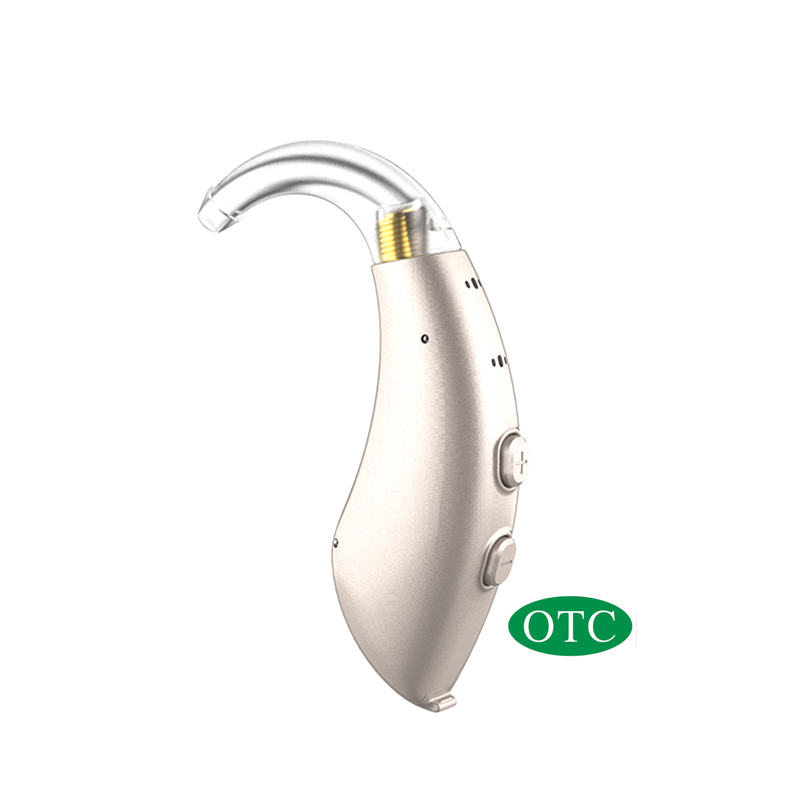
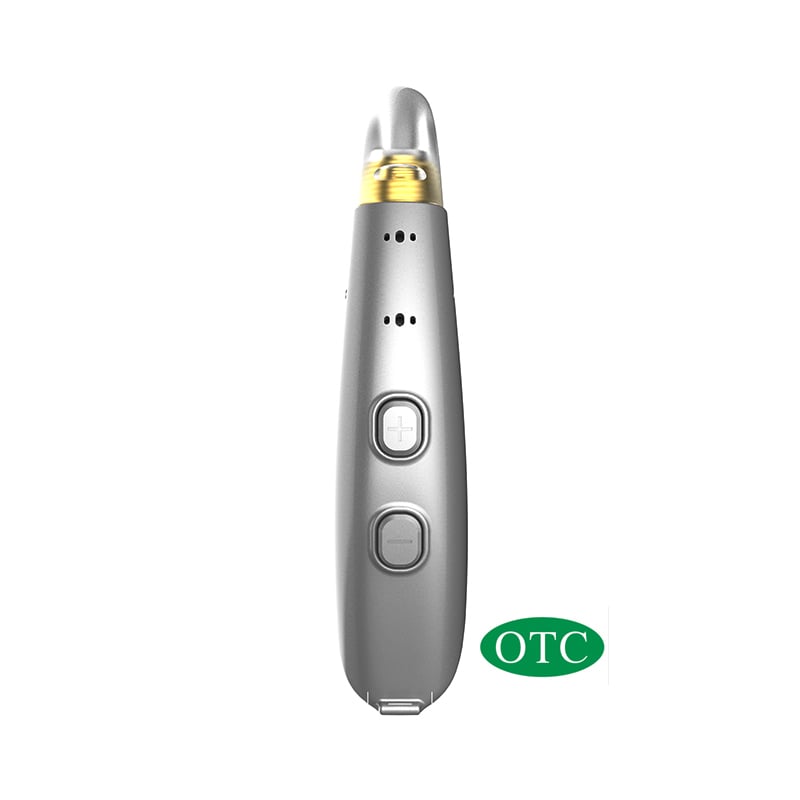
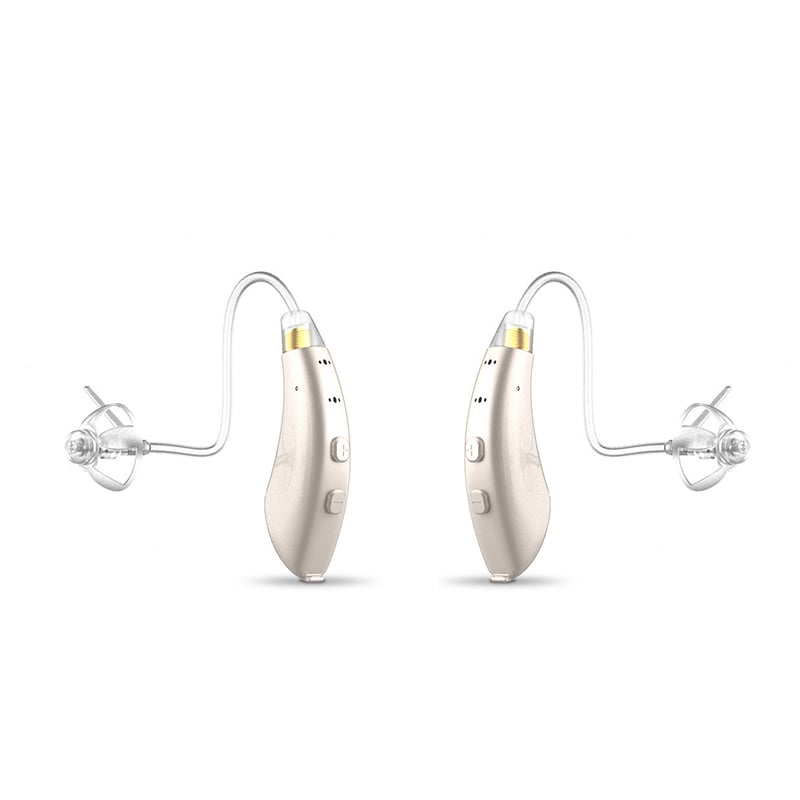
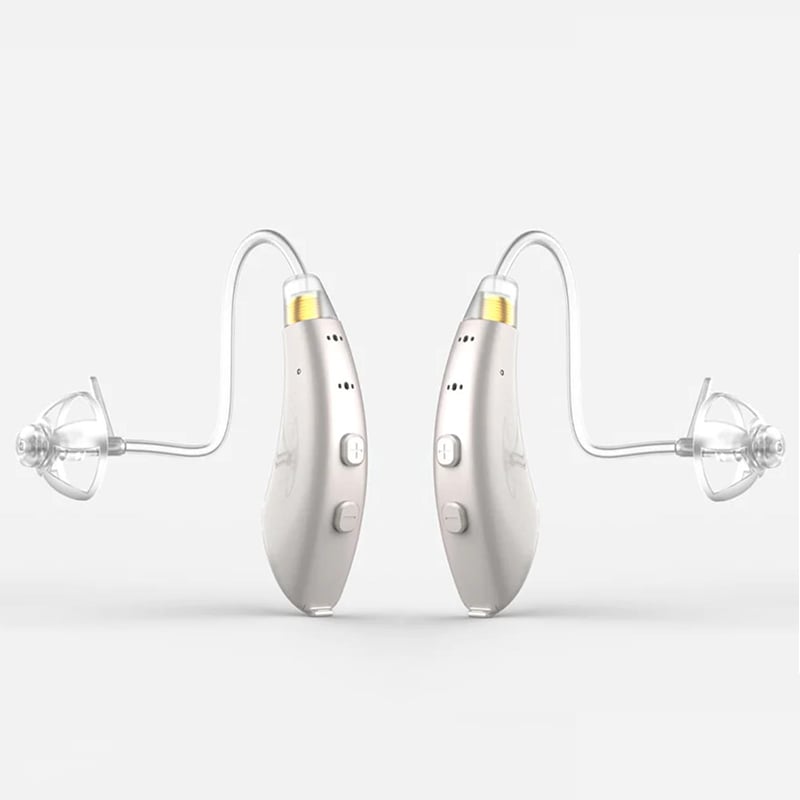
Product Overview
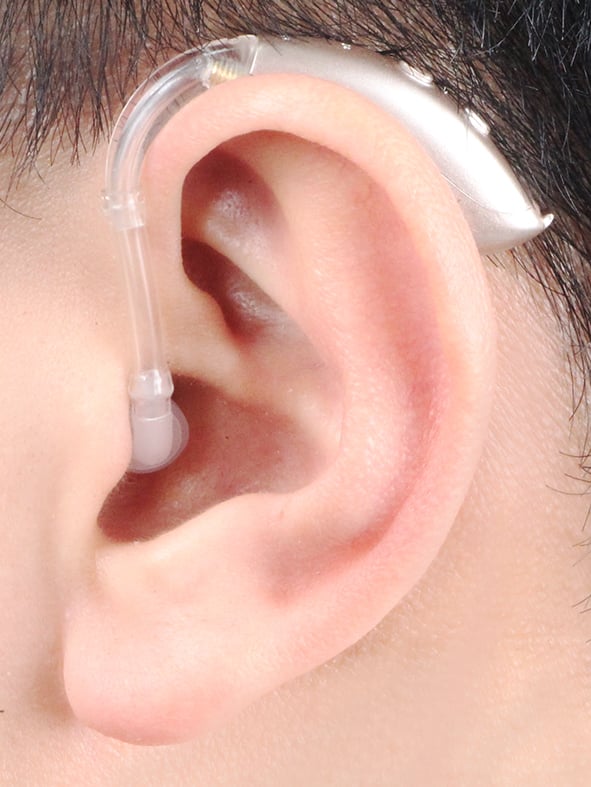
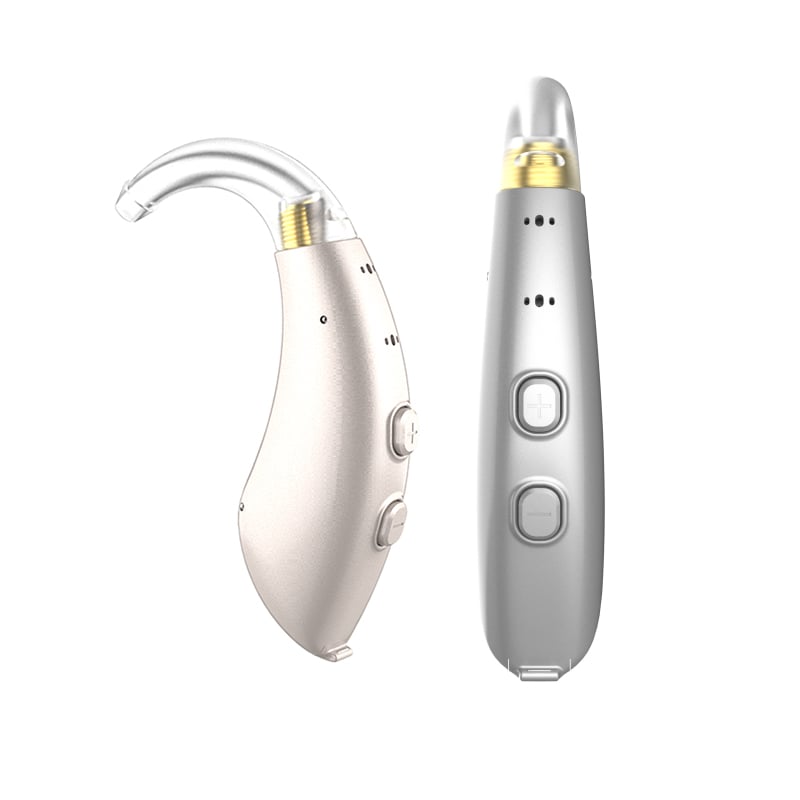
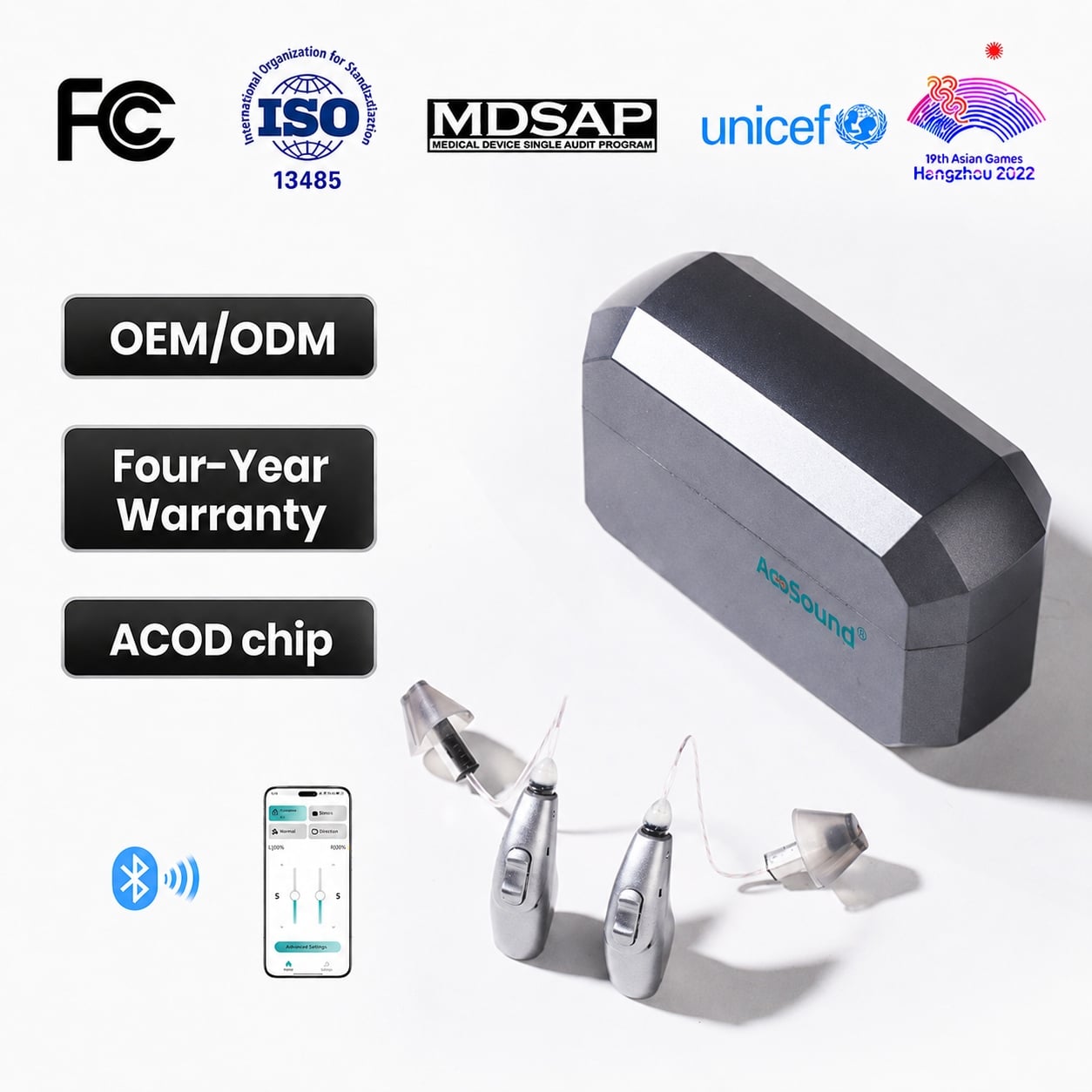
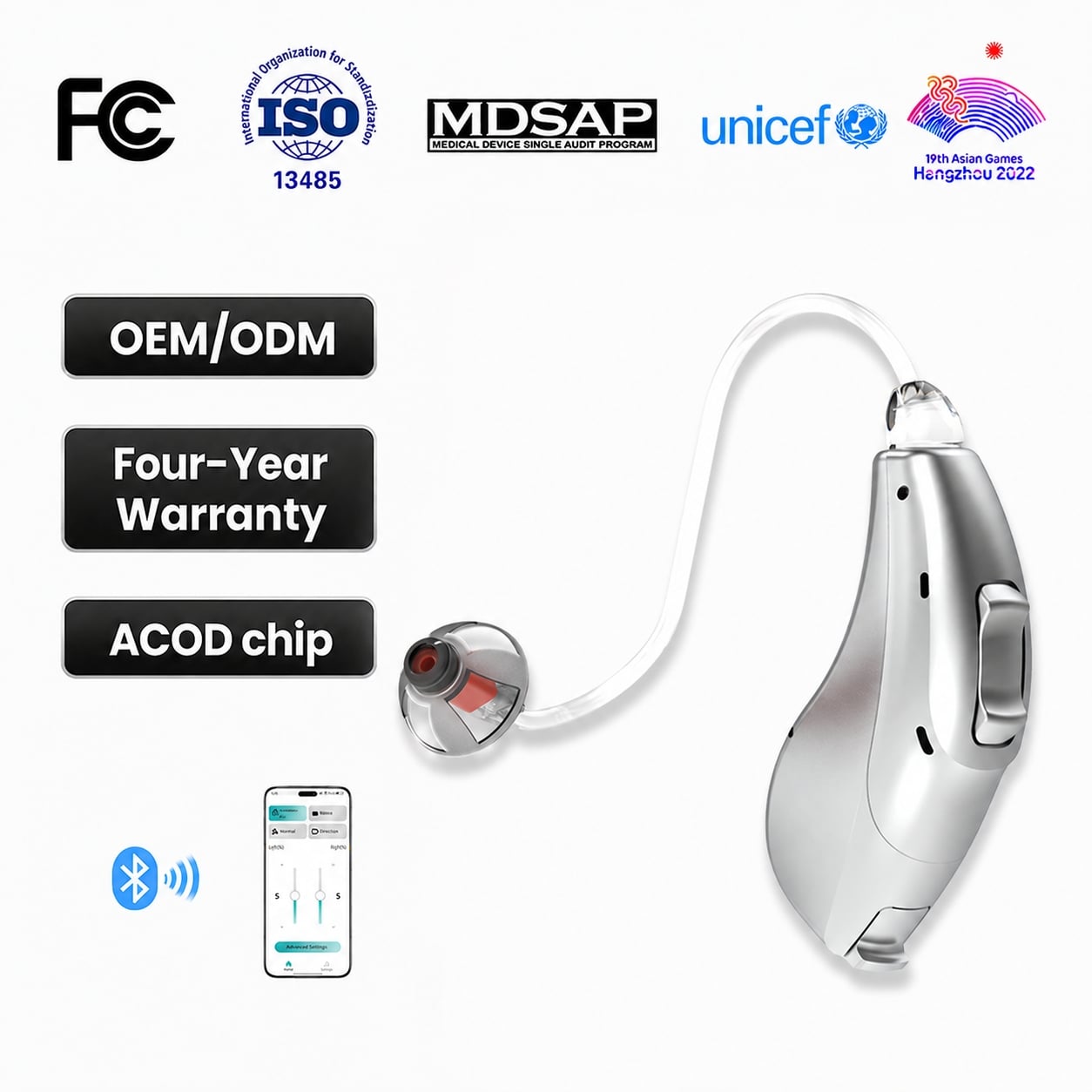
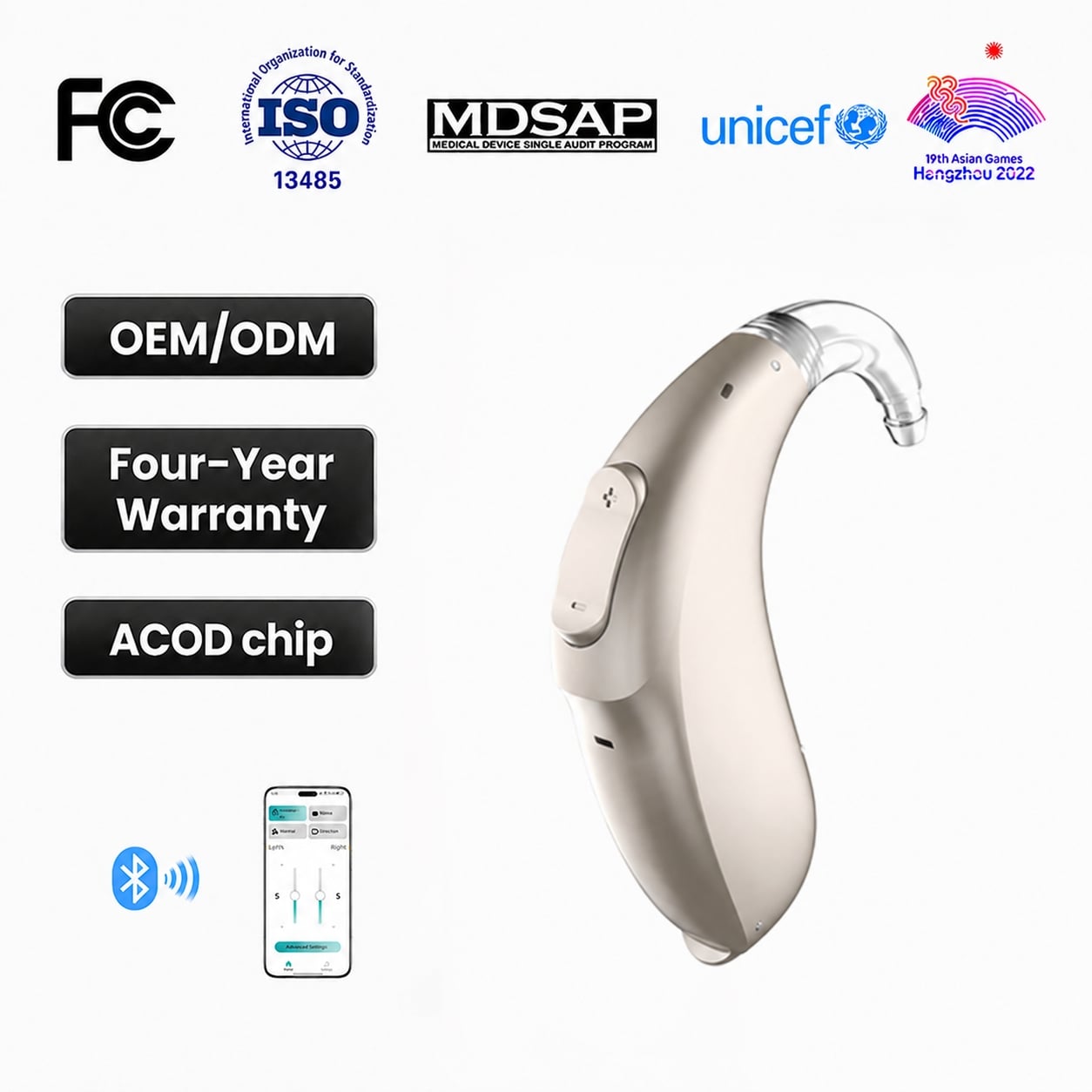
The L4-BTE-M-N is a 4 channel digital BTE hearing aid developed for hearing aid distributors, audiology clinics, hearing centers, medical device importers and professional hearing care organizations that need a clearly defined core platform with optional configuration choices for different projects.
Built on the ACOD2101 intelligent multi-core DSP, the device provides 4 independently adjustable compression and amplification channels, 8 independently adjustable bands and 16 DSP channels. Its signal-processing platform combines ERAC 1.0 Context Analysis Based Intelligent Multi-Compression Technology with a Dual-Knee structure, AFC 2.0 Adaptive Feedback Cancellation with two levels, SIW technology and ENDR 1.0 Environment Detection and Noise Reduction specified at up to 15 dB.
The model also provides four selectable programs, an Internal Sound Field Assessment System, an Internal Audiometer System and multiple device-management functions for professional fitting and follow-up workflows. FM Interface Compatibility and Auto Phone Function are available as optional configurations.
For B2B buyers, the key value of L4-BTE-M-N is the separation between a stable standard platform and clearly identified optional functions. This makes quotation, sample evaluation and project specification easier to manage across different customer requirements.
Configurable Platform for B2B Procurement
L4-BTE-M-N is structured around a standard 4 / 8 / 16 fitting architecture: 4 independently adjustable fitting channels, 8 adjustable bands and 16 DSP channels.
This configuration gives hearing care teams a straightforward technical framework for frequency-specific adjustment while providing distributors with an easy-to-communicate specification for catalogs, technical sheets and product training.
The model can be evaluated first on its core fitting architecture, feedback control, noise reduction and professional workflow features. Buyers can then determine whether optional FM Interface Compatibility or Auto Phone Function is required for a specific project.
For procurement teams, this configuration makes it easier to define the required feature scope before sample confirmation, quotation and order placement.
This approach also helps distributors distinguish the model from related BTE configurations that may include the same functions as standard. The difference is therefore not based on a change to the core fitting platform, but on how optional functions are specified for a particular B2B program.
4 / 8 / 16 Fitting and DSP Architecture
L4-BTE-M-N provides 4 independently adjustable compression and amplification channels supported by 8 independently adjustable bands. The ACOD2101 processor provides 16 DSP channels.
This 4 / 8 / 16 structure gives the product a clear technical identity.
For clinics and hearing centers, the channel and band configuration provides defined adjustment points for professional fitting. For distributors evaluating a 4 channel digital BTE hearing aid, the same figures provide a concise specification for product comparison and training.
The architecture is intentionally straightforward. Instead of relying on broad performance claims, the product can be compared through measurable fitting-channel, band and DSP specifications together with its compression, feedback and noise-reduction platform.
Core Digital Processing
ERAC 1.0 provides the model's compression architecture and uses a Dual-Knee structure.
Feedback management is provided by AFC 2.0 Adaptive Feedback Cancellation with two levels, while SIW technology is also included.
Noise reduction is provided by ENDR 1.0 Environment Detection and Noise Reduction, specified at up to 15 dB.
Together, these technologies define the core processing platform of L4-BTE-M-N.
For professional hearing care organizations, the specifications can be considered alongside fitting-channel adjustment when configuring the device. For distributors, they create consistent technical terminology for documentation, comparison and product communication.
Keeping these processing functions within one integrated section also allows the page to remain focused on the product's configurable B2B role rather than repeating each shared technology in separate promotional sections.
All Direction Dual-Microphone Specification
The technical specification identifies the Directional Dual-Microphone mode as All Direction.
This provides another defined specification point for professional comparison.
Hearing care teams can review the microphone mode together with fitting channels, feedback management and noise reduction when selecting a configuration for a particular product program.
For distributors, the All Direction specification can be incorporated into technical sheets, quotation materials and training without extending the claim beyond the documented product specification.
Professional Fitting and Device Functions
L4-BTE-M-N provides 4 selectable programs and includes an Internal Sound Field Assessment System and Internal Audiometer System.
Additional functions include:
- Adjustable Turn-on Delay
- Occlusion Effect Management
- Low Battery Power Notification
- Adjustable Notification Volume
- Volume Control
- Memory After Power-off
- Standard Personalized Data Storage
- Nano Coating Technology
These functions support assessment, fitting and routine device management across audiology clinics, hearing centers and distributor-led professional programs.
The built-in assessment functions are particularly relevant for organizations that want the product specification to support a professional fitting workflow rather than only a basic amplification platform.
Optional FM Interface and Auto Phone Functions
FM Interface Compatibility is optional for L4-BTE-M-N.
Auto Phone Function is also optional.
These two functions should remain clearly identified as optional in catalogs, quotations, sample requests and technical discussions.
For distributors, this structure supports more precise configuration planning. A project can begin with the standard platform, while the optional functions are added only when required by the target account or market.
For buyers evaluating a 4 channel digital BTE hearing aid, this distinction provides a practical way to compare the base specification with project-specific feature requirements without changing the core 4 / 8 / 16 architecture.
B2B Portfolio Positioning
L4-BTE-M-N is suitable for hearing aid distributors, medical device importers, audiology clinics, hearing centers and professional hearing care networks that require a compact BTE platform with transparent specifications and selectable optional functions.
Its commercial identity is based on:
- 4 fitting channels
- 8 adjustable bands
- 16 DSP channels
- AFC 2.0 feedback control
- ENDR 1.0 noise reduction up to 15 dB
- All Direction dual-microphone specification
- Optional FM Interface Compatibility
- Optional Auto Phone Function
The optional FM Interface and Auto Phone functions provide an additional configuration dimension for B2B project planning.
This allows L4-BTE-M-N to occupy a distinct role in a portfolio where buyers need a stable core platform but may not require every interface or phone-related function as standard.
For distributors, this separation can simplify quotation structure and model differentiation. For hearing care organizations, it keeps the technical scope of the product clear before evaluation or purchase.
As a configurable 4 channel digital BTE hearing aid, L4-BTE-M-N is therefore best positioned around specification transparency, professional fitting support and project-based optional configuration.
Technical Specifications
| Specification |
L4-BTE-M-N |
| Product Type |
Digital BTE Hearing Aid |
| Channels |
4 |
| Adjustable Compression & Amplification Channels |
4 |
| Independent Adjustable Bands |
8 |
| DSP |
ACOD2101 |
| DSP Channels |
16 |
| Compression Technology |
ERAC 1.0, Dual-Knee |
| Feedback Management |
AFC 2.0, 2 Levels |
| SIW Technology |
SIW |
| Noise Reduction |
ENDR 1.0, Max. 15 dB |
| Directional Dual-Microphone |
All Direction |
| Selectable Programs |
4 |
| Internal Sound Field Assessment |
Yes |
| Internal Audiometer |
Yes |
| Adjustable Turn-on Delay |
Yes |
| Occlusion Effect Management |
Yes |
| Low Battery Power Notification |
Yes |
| Adjustable Notification Volume |
Yes |
| Volume Control |
Yes |
| FM Interface Compatible |
Optional |
| Auto Phone Function |
Optional |
| Memory After Power-off |
Yes |
| Personalized Data Storage |
Standard |
| Nano Coating Technology |
Included |
| Max. OSPL90 |
123 dB |
| HFA OSPL90 |
118 dB |
| Max. FOG50 |
46 dB |
| HFA FOG50 |
38 dB |
| Frequency Range |
200–5000 Hz |
| Battery Current |
1.3 mA |
| THD at 500 Hz |
3% |
| THD at 800 Hz |
3% |
| THD at 1600 Hz |
3% |
| Reference Test Gain – Target |
38 dB |
| Reference Test Gain – Measured |
38 dB |
| EQ |
25 dB |
FAQ
How many fitting channels does L4-BTE-M-N provide?
It provides 4 independently adjustable compression and amplification channels, 8 adjustable bands and 16 DSP channels.
Which feedback technology is included?
The model uses AFC 2.0 Adaptive Feedback Cancellation with two levels together with SIW technology.
What noise reduction system is specified?
ENDR 1.0 is specified at up to 15 dB.
What microphone mode is listed?
Directional Dual-Microphone Technology is specified as All Direction.
Are FM Interface Compatibility and Auto Phone Function standard?
No. FM Interface Compatibility and Auto Phone Function are optional configurations for L4-BTE-M-N.
Contact AcoSound
Looking for a configurable 4 channel digital BTE hearing aid for your professional product portfolio?
Contact AcoSound for L4-BTE-M-N specifications, sample information and B2B project support.
 EN
EN