EN
EN

l16-ric-s-16-channel-professional-ric-hearing-aid, l16-ric-s-16-channel-professional-ric-hearing-aid, /leya-series
EN
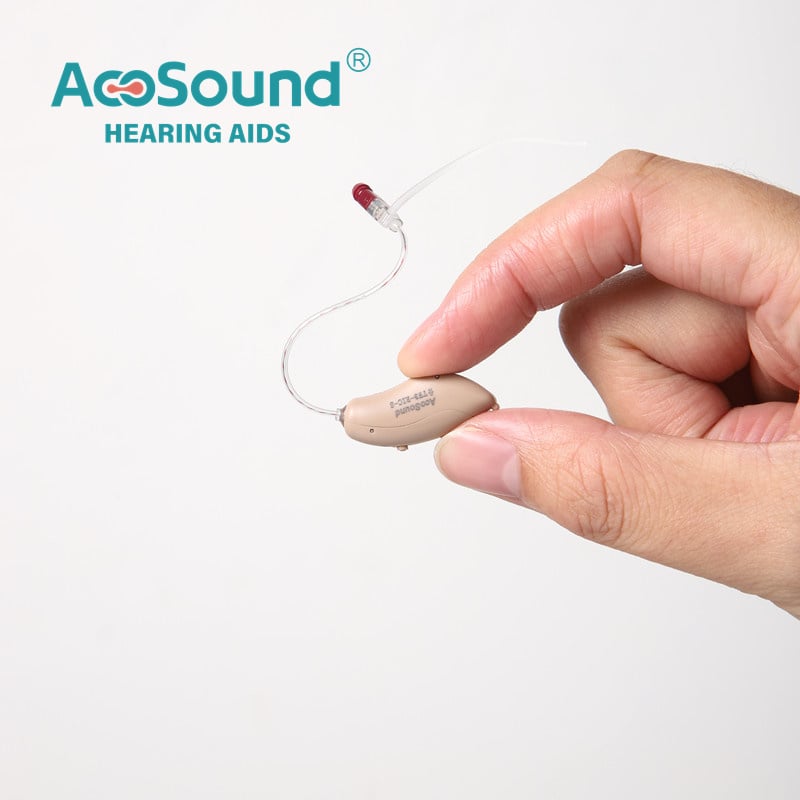
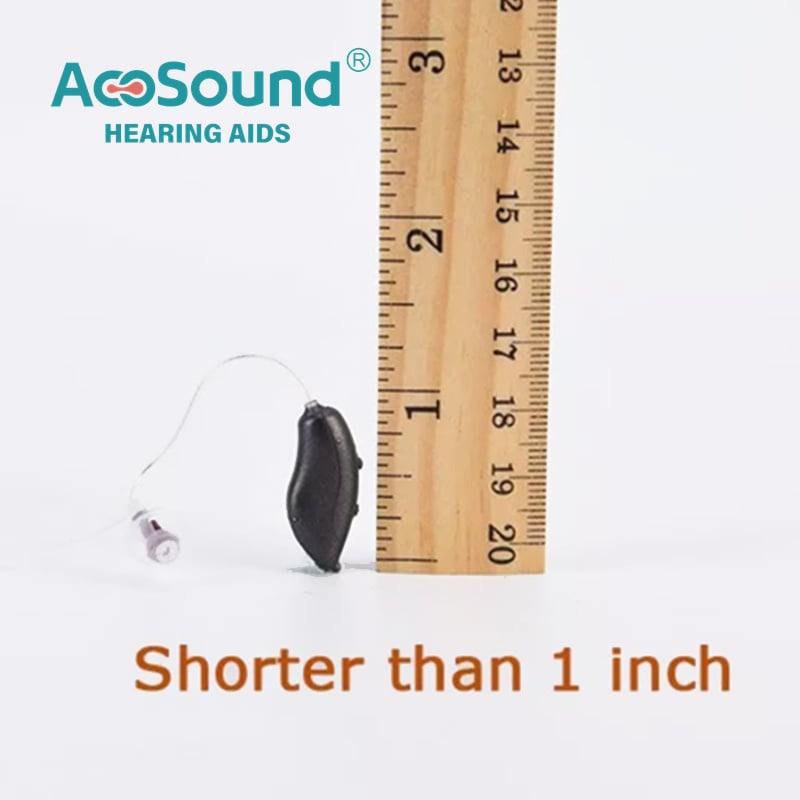
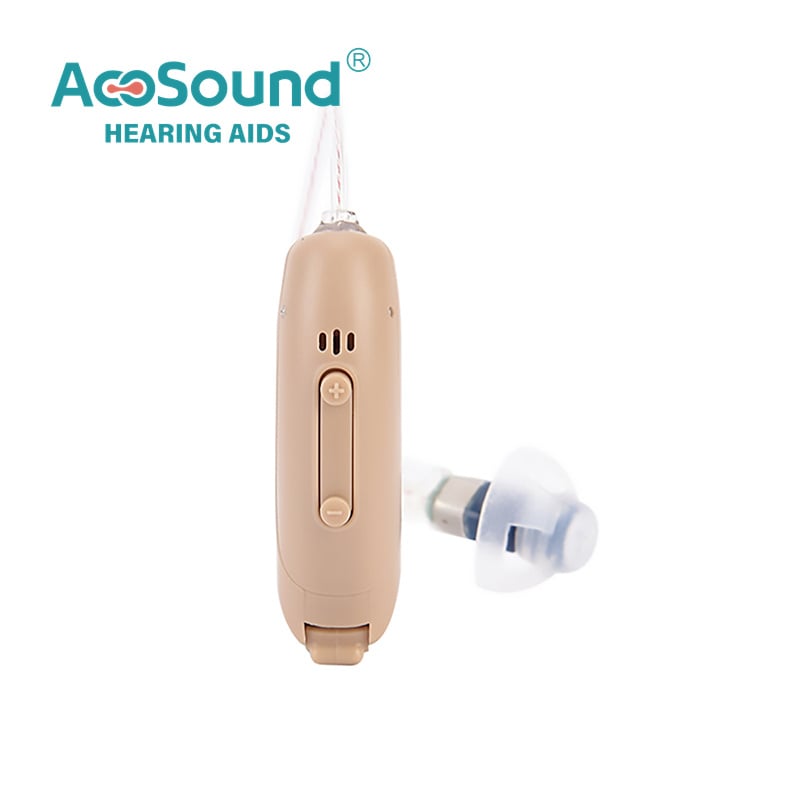
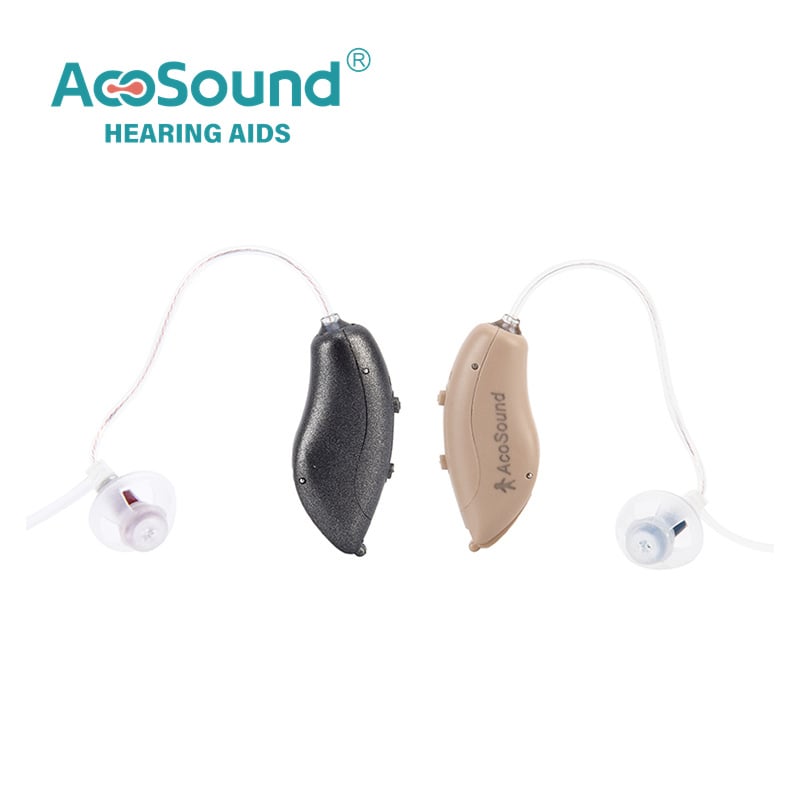
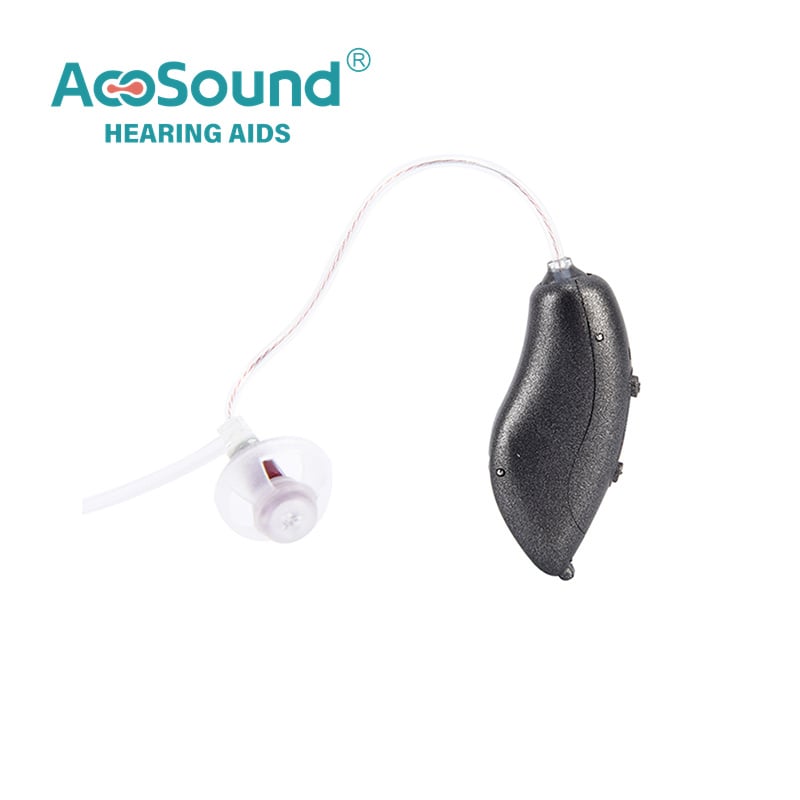
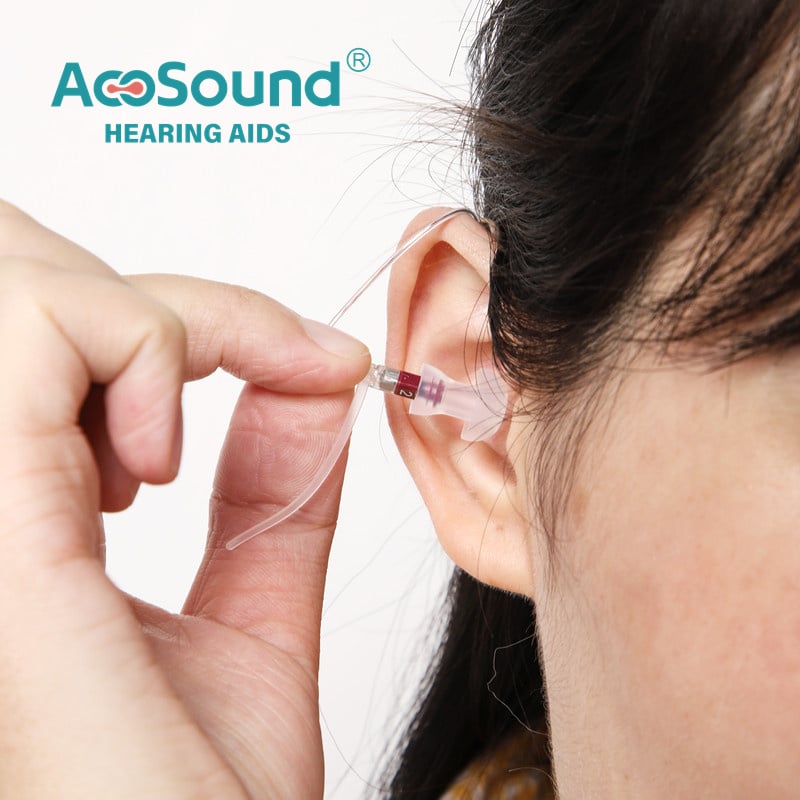
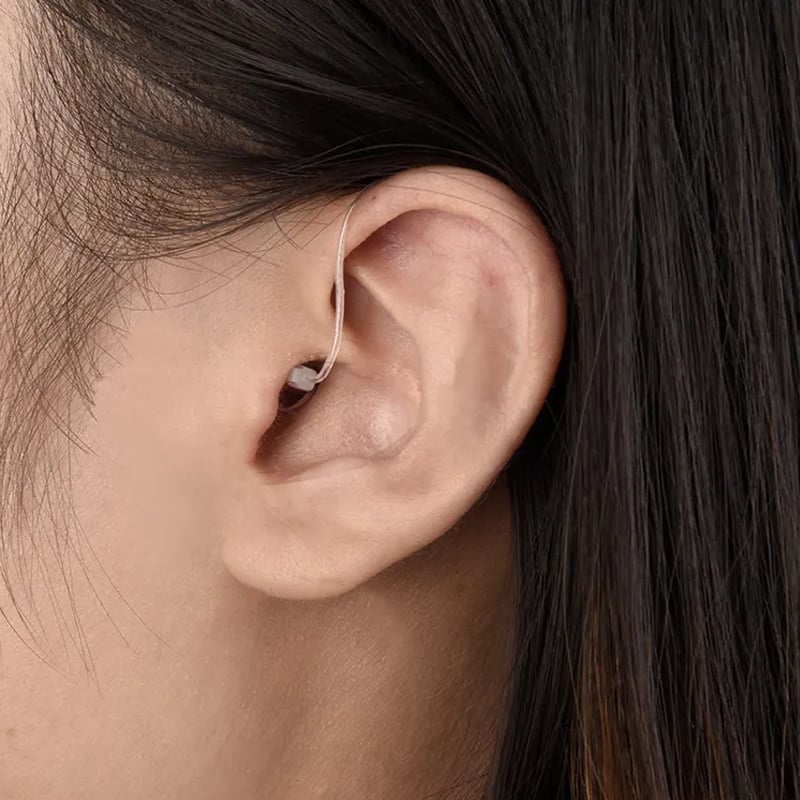
The highest fitting-capacity configuration in the L-RIC-S family, with 16 channels, 32 adjustable bands, 64 DSP channels and Standard environmental processing.
The L16-RIC-S is a 16 channel professional RIC hearing aid positioned as the highest fitting-channel and DSP-channel configuration within the four-model L-RIC-S family.
Built on the ACOD2101 intelligent multi-core DSP platform, the model provides 16 independently adjustable compression and amplification channels, 32 independently adjustable bands and 64 DSP channels.
L16-RIC-S retains the Standard Environment Recognition, ENDR 2.0, Standard Transient Noise Management and Standard Wind Noise Management introduced with L12-RIC-S.
Its main progression is therefore higher fitting resolution, greater DSP capacity and Medium personalized data storage rather than a different environmental-processing level.
For distributors and professional hearing care organizations, this creates a clear upper-tier option for customers that want the Standard processing package together with the highest fitting specification in the L-RIC-S range.
The main difference between L16-RIC-S and L12-RIC-S is not the environmental-processing category. Both models use the same Standard-level functions.
Instead, L16-RIC-S increases fitting channels from 12 to 16, adjustable bands from 24 to 32 and DSP channels from 48 to 64.
This gives fitting professionals more independently adjustable sections across the frequency response while retaining the same core processing structure.
For B2B buyers, this distinction creates a transparent reason to select the higher model.
The product can be positioned around fitting and DSP capacity while maintaining the same Standard environmental-processing architecture.
The device provides 16 independently adjustable compression and amplification channels and 32 independently adjustable bands.
The ACOD2101 processor provides 64 DSP channels, the highest DSP-channel count in the L-RIC-S family.
This 16 / 32 / 64 structure forms the central technical identity of the model.
For distributors, the numerical progression is easy to communicate across product catalogs and technical training.
For clinics and hearing centers, the higher number of fitting channels and adjustable bands provides a clear specification difference when comparing L16-RIC-S with the 12-channel model.
The architecture therefore supports upper-tier positioning without changing the established Standard environmental-processing platform.
L16-RIC-S uses ERAC 1.0 Context Analysis Based Intelligent Multi-Compression Technology with a Dual-Knee structure.
Feedback management is provided by DFBC 2.0 Adaptive Feedback Cancellation with two levels, together with SIW technology.
These core technologies remain consistent with the other L-RIC-S models.
The continuity helps professional buyers understand that the product family shares a common compression and feedback foundation.
Model progression is instead created through fitting capacity, DSP capacity, environmental functions and data-storage level.
This is useful for distributors that want a coherent product family rather than a set of unrelated devices with different processing terminology.
L16-RIC-S uses a Standard Environment Recognition Management System.
Noise reduction is provided by ENDR 2.0 Environment Detection and Noise Reduction, specified at up to 20 dB.
The environmental-processing package also includes:
These functions are the same processing levels used in L12-RIC-S.
L16-RIC-S is therefore differentiated by its higher fitting and DSP capacity while retaining the established Standard environmental-processing configuration.
For B2B portfolio planning, this makes the relationship between the two upper L-RIC-S models easier to explain and helps prevent unnecessary overlap in product positioning.
A further verified difference is personalized data storage.
L4-RIC-S, L8-RIC-S and L12-RIC-S use Standard personalized data storage, while L16-RIC-S moves to Medium.
This provides an additional specification point for the highest configuration.
Although the main product story remains the 16 / 32 / 64 fitting architecture, Medium data storage helps create another measurable distinction between L16-RIC-S and L12-RIC-S.
For distributors, this can be included in technical comparison sheets and model-selection materials alongside channel, band and DSP specifications.
L16-RIC-S provides four selectable programs and includes an Internal Sound Field Assessment and Internal Audiometer.
These functions support professional fitting and assessment workflows in audiology clinics and hearing centers.
Additional operating functions include:
Together, these functions create a professional operating platform that complements the model's higher fitting capacity and supports routine device management within hearing care organizations.
L16-RIC-S is suitable for hearing aid distributors, audiology clinics, hearing centers, medical device importers and professional hearing care networks requiring the highest fitting specification within the L-RIC-S family.
Its commercial position is supported by 16 fitting channels, 32 adjustable bands, 64 DSP channels and Medium personalized data storage.
L12-RIC-S can be positioned around the introduction of Standard Environment Recognition and broader environmental-processing functions.
L16-RIC-S then provides greater fitting and DSP capacity within that same Standard platform.
This separation gives sales teams a clearer explanation of why both models belong in the portfolio and helps professional buyers choose between them based on actual fitting requirements.
For distributors managing multiple product tiers, L16-RIC-S can function as the upper specification option without requiring a separate environmental-processing story.
This is valuable in markets where professional customers already understand the Standard Environment Recognition and ENDR 2.0 package but need a higher channel and DSP configuration.
The model can therefore complete a four-step product ladder:
This structure supports clearer catalog organization, product training and specification-based sales conversations.
| Specification | L16-RIC-S |
|---|---|
| Product Type | Digital RIC Hearing Aid |
| Channels | 16 |
| Adjustable Compression & Amplification Channels | 16 |
| Independent Adjustable Bands | 32 |
| DSP | ACOD2101 |
| DSP Channels | 64 |
| Compression Technology | ERAC 1.0, Dual-Knee |
| Feedback Management | DFBC 2.0, 2 Levels |
| SIW Technology | SIW |
| Environment Recognition | Standard |
| Noise Reduction | ENDR 2.0, Max. 20 dB |
| Transient Noise Management | Standard |
| Wind Noise Management | Standard |
| Selectable Programs | 4 |
| Personalized Data Storage | Medium |
| Max. OSPL90 | 110 dB |
| HFA OSPL90 | 106 dB |
| Max. FOG50 | 35 dB |
| HFA FOG50 | 30 dB |
| Frequency Range | 200–4500 Hz |
| Battery Current | 1.25 mA |
| THD at 500 Hz | 3% |
| THD at 800 Hz | 3% |
| THD at 1600 Hz | 3% |
| Reference Test Gain – Target | 30 dB |
| Reference Test Gain – Measured | 30 dB |
| EQ | 25 dB |
L16-RIC-S increases fitting channels from 12 to 16, adjustable bands from 24 to 32 and DSP channels from 48 to 64. Personalized data storage also changes from Standard to Medium.
Standard Environment Recognition is included.
ENDR 2.0 is specified at up to 20 dB.
The model uses DFBC 2.0 Adaptive Feedback Cancellation with two levels.
Yes. Standard Wind Noise Management is included.
Evaluating a 16 channel professional RIC hearing aid for the upper tier of your product portfolio?
Contact AcoSound for L16-RIC-S specifications, samples and B2B project support.
The highest fitting-capacity configuration in the L-RIC-S family, with 16 channels, 32 adjustable bands, 64 DSP channels and Standard environmental processing.
This is a title description that can briefly introduce the module.