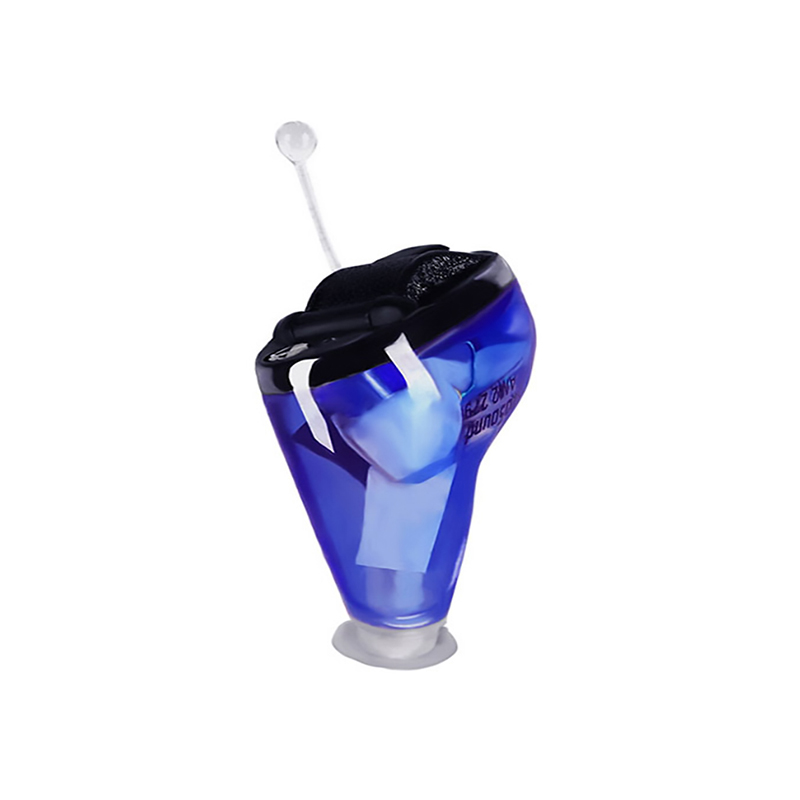
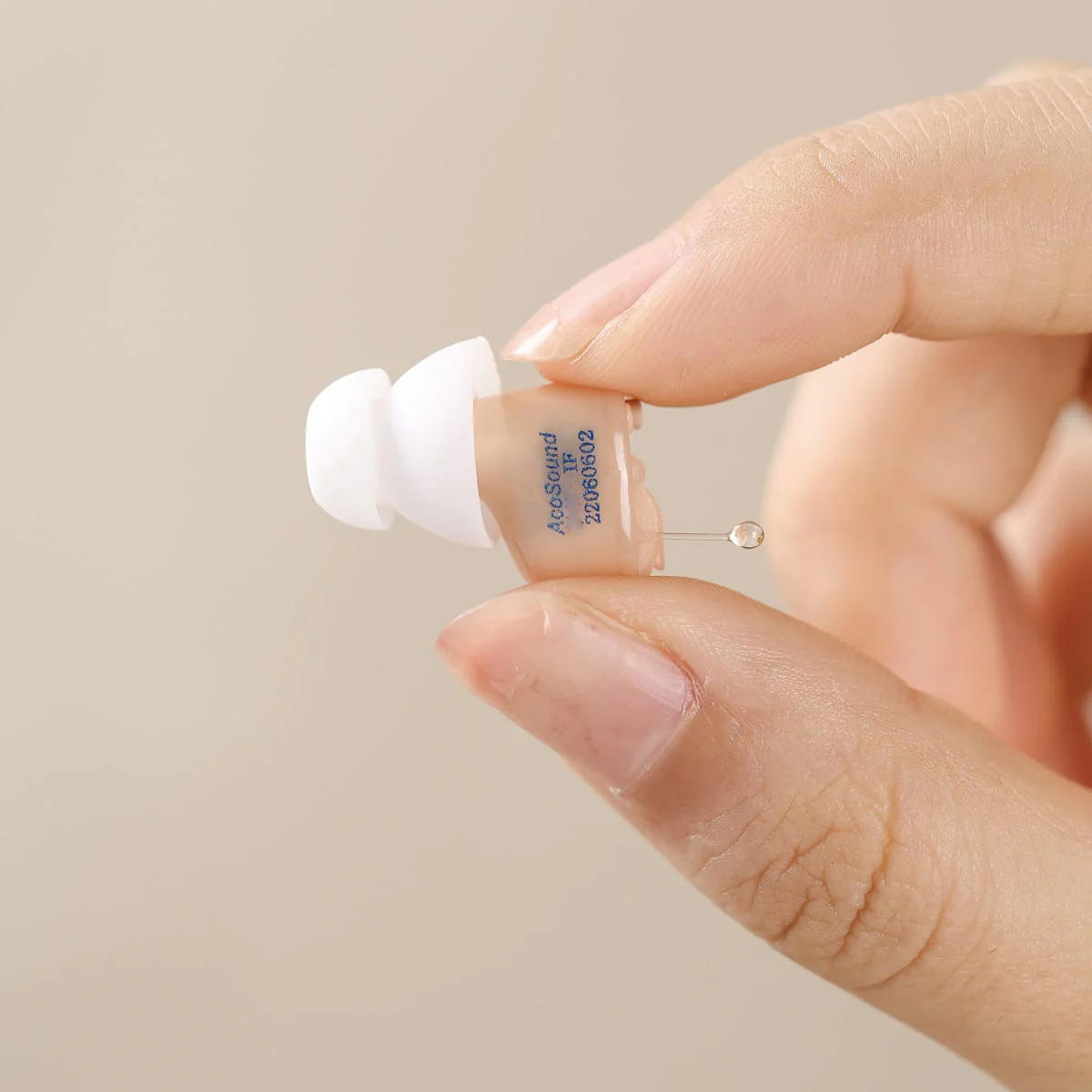
In-the-ear (ITE) hearing aids represent a significant evolution in personal auditory devices, offering users a discreet solution that doesn't compromise on performance. These custom molded hearing aids fit directly within the ear canal or ear concha, making them virtually invisible to observers while delivering powerful sound amplification. The challenge for manufacturers lies in creating ITE hearing aids that provide excellent hearing performance while maintaining the comfort users need for all-day wear. This balance between discretion, comfort, and acoustic clarity defines the modern ITE hearing aid market and influences how patients choose their hearing solutions.
Comfort in ITE hearing aids extends beyond initial fit and includes factors like wearing duration, ear canal irritation, and the overall user experience during extended use. Modern ite hearing aids have evolved significantly, incorporating advanced technologies that improve both wearability and acoustic performance. Understanding how these devices balance comfort with hearing performance requires examining the design philosophy, component selection, and real-world considerations that audiologists and manufacturers prioritize.
Design Philosophy Behind Custom Molded Hearing Aids
Precision Fit and Individual Ear Anatomy
Custom molded hearing aids are manufactured based on individual ear impressions, ensuring each device conforms perfectly to the wearer's ear canal and outer ear structure. This personalized approach eliminates pressure points and reduces the likelihood of feedback issues that plague one-size-fits-all devices. The precision engineering of custom molded hearing aids means users experience minimal adjustment time and can wear their devices throughout the day without significant discomfort. Audiologists take detailed impressions that capture every contour of the ear, allowing manufacturers to create shells that feel like a natural extension of the user's anatomy.
Material Selection for Comfort and Durability
The materials used in custom molded hearing aids directly impact comfort and longevity. Modern ITE hearing aids employ biocompatible acrylic compounds that resist moisture, wax buildup, and bacterial growth while remaining lightweight and hypoallergenic. Manufacturers carefully select material hardness levels to balance structural integrity with comfort during insertion and removal. The smooth, polished surface of quality custom molded hearing aids reduces friction against ear canal tissue, allowing users to forget they're wearing the device after an adjustment period. Material innovations have made modern devices significantly more comfortable than earlier generations while maintaining the durability necessary for years of reliable service.
Hearing Performance Optimization in ITE Devices
Advanced Audio Processing and Channel Technology
ITE hearing aids incorporate multi-channel digital processing that analyzes incoming sound in real-time, applying frequency-specific amplification based on the wearer's audiogram. Modern devices use 32 to 64 channels to process sound, enabling precise targeting of hearing loss patterns while preserving natural sound quality. This channel density allows the hearing aid to distinguish between speech and background noise, automatically adjusting amplification levels to prioritize conversation in noisy environments. The acoustic advantage of having the microphone positioned in the ear canal provides natural sound directionality, helping users maintain spatial awareness and perceiving where sounds originate in their environment.
Managing Hearing Aid Feedback Problems
Hearing aid feedback problems occur when amplified sound escapes from the ear canal and re-enters the microphone, creating an annoying whistling sound. ITE hearing aids minimize feedback through several mechanisms, including the natural seal provided by custom molded fit, advanced feedback cancellation algorithms, and careful microphone placement. Modern digital signal processing can detect and suppress feedback before it becomes audible, using phase-inversion techniques to neutralize problematic frequencies. The custom molded design itself provides acoustic advantages that reduce feedback compared to larger behind-the-ear alternatives, since the sealed fit in the ear canal prevents sound leakage.
Battery Life and Power Management Considerations
Invisible Hearing Aid Batteries and Size Constraints
The compact size of ITE hearing aids necessitates innovative battery solutions that maximize runtime while fitting within severe space limitations. Invisible hearing aid batteries, typically zinc-air cells with sizes ranging from 10 to 13, provide the power needed for all-day operation despite the miniaturized format. Battery selection represents a critical tradeoff in ITE design, as larger batteries would improve runtime but compromise comfort and discretion. Manufacturers engineer power-efficient circuits and optimized amplification paths to extract maximum performance from these tiny invisible hearing aid batteries. Users typically replace batteries weekly, though newer rechargeable ITE models have emerged to address battery cost and environmental concerns.
Rechargeable Options and Extended Wearability
Rechargeable ITE hearing aids have revolutionized the comfort equation by eliminating weekly battery changes and providing all-day power with convenient overnight charging. Lithium-ion technology enables smaller, lighter ITE devices while delivering reliable performance throughout the user's waking hours. The elimination of tiny battery handling improves accessibility for users with dexterity challenges and reduces the frustration associated with battery changes. Advanced power management in rechargeable systems allows manufacturers to include more processing power and sophisticated algorithms than battery-powered alternatives. Overnight charging cycles take only a few hours, ensuring users always start their day with full hearing aid batteries and optimal performance.
Real-World Comfort and Performance Balance
Extended Wear Tolerance and Adaptation
User comfort with ITE hearing aids improves significantly during the first two weeks as the ear canal adapts to the device's presence. Most users report minimal discomfort after this initial adjustment period, with well-fitted custom molded hearing aids becoming virtually unnoticed during typical daily activities. The combination of proper sizing, biocompatible materials, and smooth edges ensures that extended wear doesn't cause ear canal irritation or soreness. Audiologists provide detailed insertion and removal training that helps users handle their devices gently, protecting both the delicate ear canal and the hearing aid itself from damage.
Acoustic Performance in Daily Environments
ITE hearing aids deliver natural sound quality because the microphone location replicates the ear's natural sound-gathering position. This anatomical advantage produces clearer speech understanding in group conversations, better sound localization, and more natural listening compared to devices worn outside the ear. Users consistently report satisfaction with how ITE hearing aids handle various acoustic environments, from quiet offices to busy restaurants. The custom molded fit ensures that the acoustic seal remains consistent, preventing the sound leakage that degrades hearing aid performance in other styles. Performance optimization occurs through careful tuning by audiologists who adjust amplification settings based on real-world feedback from the user.
FAQ
Can ITE hearing aids address hearing aid feedback problems effectively?
Yes, ITE hearing aids excel at managing hearing aid feedback problems due to their custom molded fit, which creates a secure seal in the ear canal that prevents sound leakage. Advanced digital feedback cancellation algorithms detect and neutralize problematic frequencies before they become audible. The microphone position within the ear provides acoustic advantages that naturally reduce feedback compared to larger devices. If feedback occurs despite these features, an audiologist can adjust programming settings or verify that the device fits properly without gaps.
How long do invisible hearing aid batteries typically last?
Invisible hearing aid batteries in standard zinc-air format typically provide five to seven days of operation with continuous wear, though actual runtime varies based on hearing loss severity, usage patterns, and device programming. Users with mild to moderate hearing loss often experience longer battery life than those requiring maximum amplification. Battery life decreases in humid environments or with intensive use in noisy settings. Rechargeable ITE hearing aids offer a practical alternative, providing a full day of operation from overnight charging without weekly battery replacements.
Are custom molded hearing aids always more comfortable than standard options?
Custom molded hearing aids typically offer superior comfort because they're fabricated to match the precise anatomy of each individual's ear. A well-fitted custom molded hearing aid conforms perfectly to the ear canal, eliminating pressure points and reducing adjustment time. However, comfort also depends on material quality, audiologist fitting expertise, and individual ear canal sensitivity. Some users may need minor adjustments or refits if their ears shift slightly over time. Properly maintained custom molded hearing aids generally become extremely comfortable for all-day wear after an initial two-week adjustment period.
 EN
EN