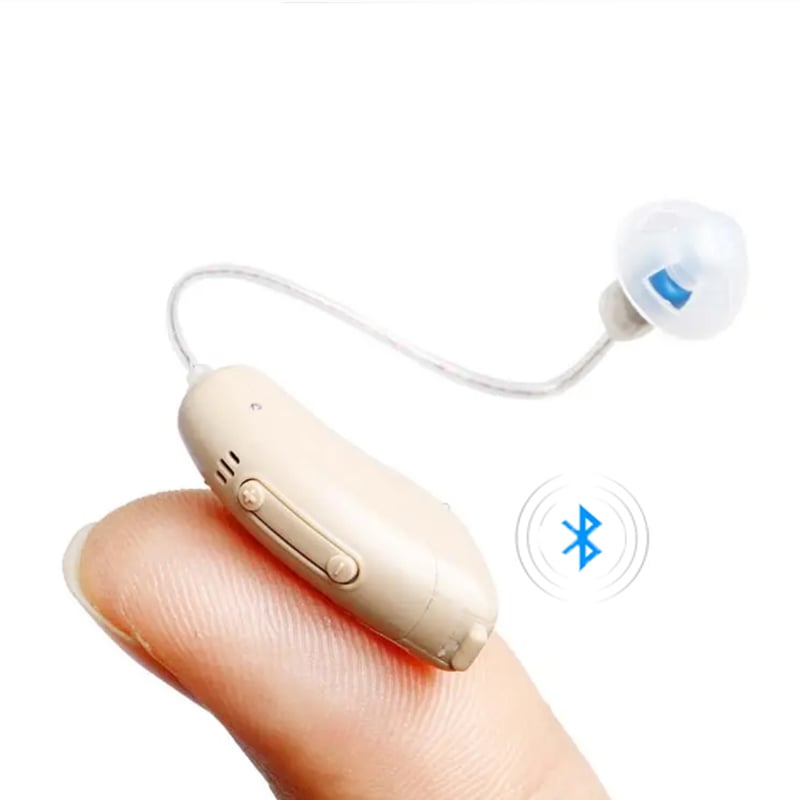
Modern noise-cancelling hearing aids represent a significant leap forward in auditory technology, powered by advanced artificial intelligence algorithms that work seamlessly to enhance speech clarity and reduce unwanted background sounds. The integration of AI into hearing aid design has fundamentally transformed how users experience sound in challenging acoustic environments, enabling them to engage more naturally in conversations and daily activities. Today's best hearing aids for noisy environments rely on sophisticated machine learning models that continuously adapt to changing soundscapes, ensuring optimal performance whether users are in busy restaurants, crowded offices, or outdoor settings with unpredictable noise patterns.
Artificial intelligence has revolutionized the way hearing aid feedback elimination occurs, moving beyond simple threshold-based approaches to predictive, context-aware solutions that anticipate acoustic challenges before they develop. Traditional hearing aids struggled with feedback when users placed their hands near their ears or when devices fit imperfectly, but AI-driven systems now detect these situations in real time and automatically adjust gain levels to prevent squealing or whistling sounds. This intelligent adaptation means users can experience greater freedom and confidence wearing their devices throughout the day.
How AI Powers Advanced Noise Processing
Real-Time Acoustic Modeling
AI algorithms in modern noise-cancelling hearing aids analyze incoming sound signals within milliseconds, categorizing acoustic events into speech, environmental noise, wind sounds, and other distinct audio patterns. The directional microphone technology for hearing loss integrated with AI creates multi-dimensional sound maps that identify where speech originates and where competing noise sources are positioned. This spatial awareness allows the system to prioritize sounds from the direction the user is facing while suppressing noise from behind or the sides, dramatically improving speech intelligibility in complex acoustic environments.
Machine Learning Adaptation
Modern best hearing aids for noisy environments employ deep learning networks trained on millions of real-world audio samples, enabling them to recognize subtle acoustic patterns that humans might miss. Each time a user wears their device, the AI system learns preferences, adjusts to the specific fit and ear canal characteristics, and refines noise reduction algorithms based on actual listening outcomes. This personalized machine learning approach means hearing aid performance improves over weeks and months as the system accumulates data about individual user environments and preferences.
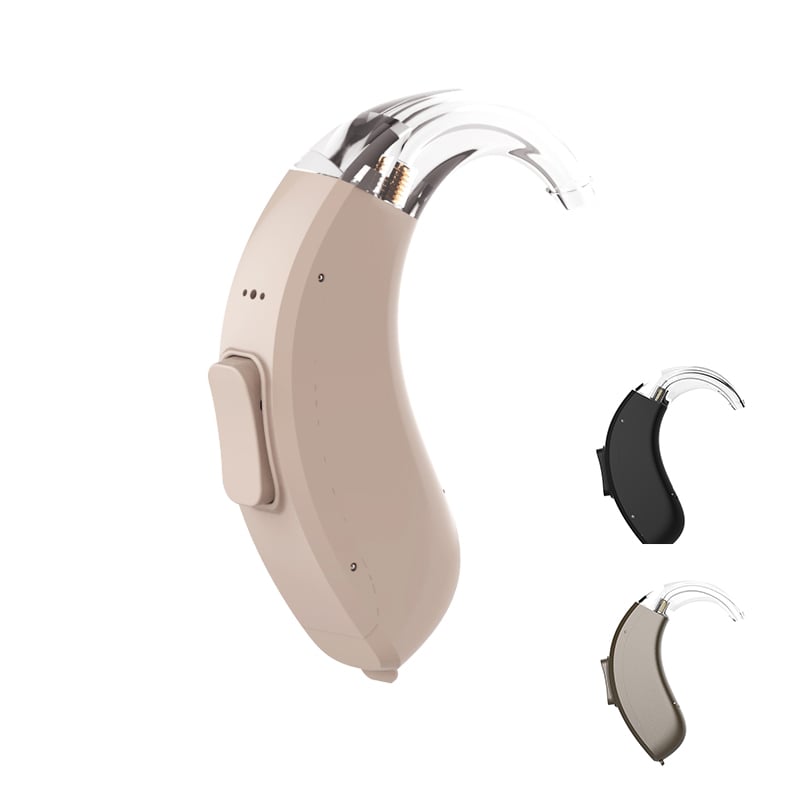
Hearing Aid Feedback Elimination Through Intelligent Design
Predictive Feedback Prevention
Hearing aid feedback elimination has evolved dramatically with AI implementation, moving from reactive to predictive strategies that stop feedback before it even begins. Neural networks analyze the relationship between microphone input levels, amplifier gain settings, receiver output, and acoustic coupling characteristics to predict the exact moment feedback might occur. When the system detects approaching feedback conditions, it automatically adjusts parameters with surgical precision, maintaining sound quality while completely eliminating the annoying whistle that plagued earlier hearing aid generations.
Environmental Context Recognition
AI systems recognize when users enter specific environments like vehicles, auditoriums, or conference rooms and automatically adjust feedback prevention strategies accordingly. The noise-cancelling hearing aids equipped with this technology maintain stable operation across diverse acoustic conditions by continuously updating their understanding of the sound environment. This contextual awareness means users no longer need to manually switch between programs or deal with feedback-related interruptions during important conversations or events.
Directional Microphone Technology Integrated with AI
Spatial Sound Processing
Directional microphone technology for hearing loss has been revolutionized by AI systems that create intelligent listening zones rather than simple fixed directional patterns. These advanced systems use multiple microphones positioned strategically on the hearing aid to capture sound from different angles, then employ AI algorithms to synthetically create highly focused listening zones that point wherever the user needs to focus attention. The best hearing aids for noisy environments feature adaptive directional patterns that shift and adjust dynamically as users move their heads or as the acoustic environment changes.
Speech Enhancement Within Directional Focus
Once the directional microphone technology for hearing loss isolates sound from the primary listening direction, AI-powered speech enhancement algorithms further refine the audio signal to maximize intelligibility. These systems use voice recognition patterns to distinguish human speech from other sounds that might originate from the same direction, allowing users to hear conversations clearly even when music or machinery noise originates from the same acoustic zone. The combination of spatial filtering and AI-driven speech processing creates listening experiences that approach natural hearing capabilities.
FAQ
Can noise-cancelling hearing aids eliminate all background noise?
While modern noise-cancelling hearing aids dramatically reduce background noise, complete elimination is neither possible nor desirable from a safety perspective. AI-driven systems intelligently preserve awareness of important environmental sounds like traffic or alarm signals while suppressing non-speech noise, striking a balance between clarity and situational awareness that protects users while enhancing their listening experience in challenging acoustic environments.
How does hearing aid feedback elimination affect sound quality?
Advanced AI-based hearing aid feedback elimination now maintains excellent sound quality by using predictive algorithms instead of aggressive gain reduction. Rather than limiting overall amplification to prevent feedback, these systems make precise real-time adjustments to prevent acoustic coupling problems, meaning users experience natural, clear sound without the compressed or distant quality that older feedback prevention methods sometimes produced.
What makes directional microphone technology for hearing loss effective with AI?
Directional microphone technology for hearing loss becomes dramatically more effective when combined with AI because machine learning algorithms can create dynamic, adaptive listening zones that adjust to user movement, head position, and changing acoustic environments. Traditional fixed directional patterns worked only in specific scenarios, but AI-enhanced directional microphones continuously optimize their focus to match where users actually want to listen, providing superior performance across real-world situations.
 EN
EN