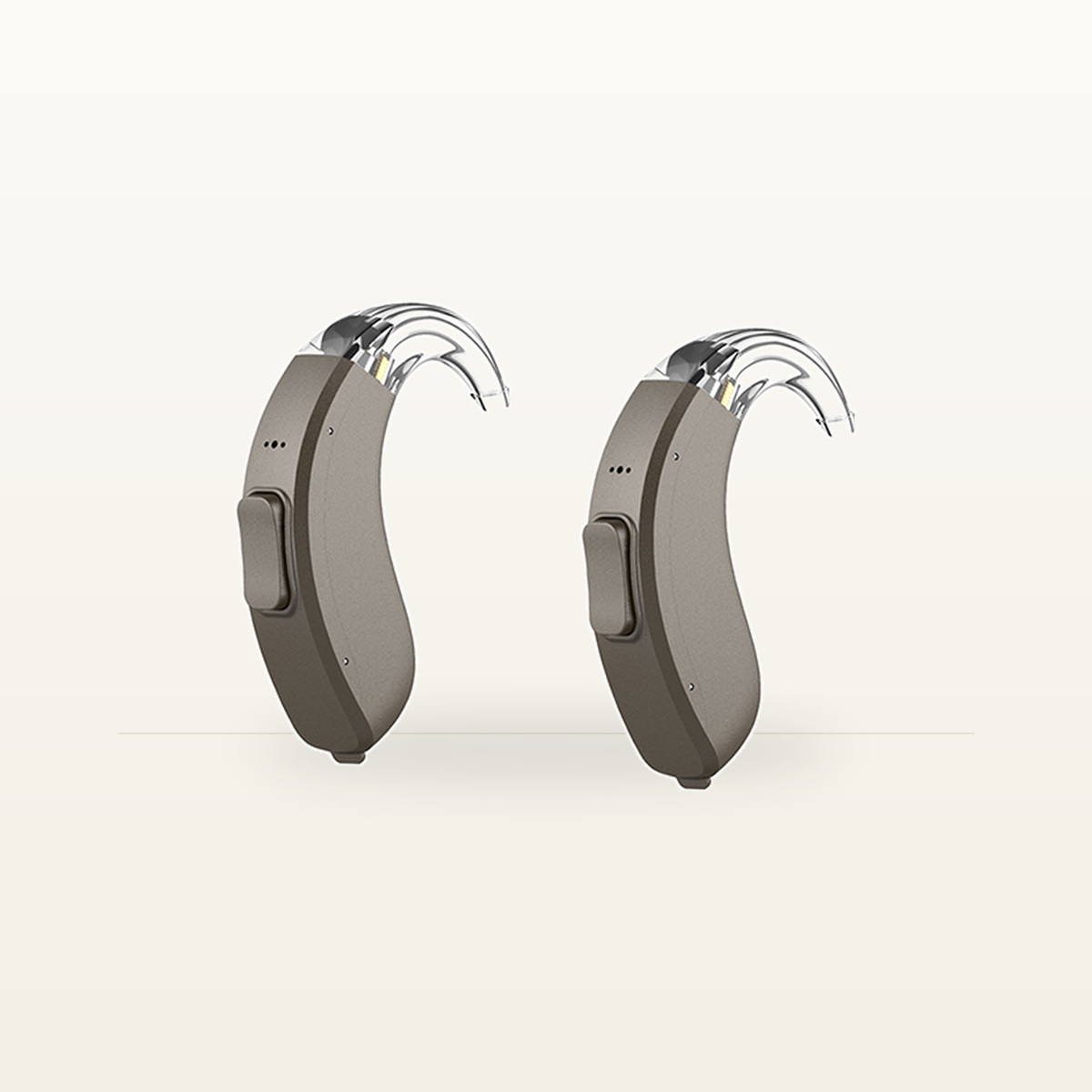
The market for otc hearing aids has expanded significantly as manufacturers recognize the growing demand for accessible hearing solutions. Developing reliable OTC hearing aids requires a strategic approach that balances affordability, performance, and user safety. Manufacturers must navigate regulatory requirements, design considerations, and quality assurance processes to deliver products that meet consumer expectations and industry standards. This comprehensive guide explores the key factors involved in creating dependable OTC hearing aids that serve those with mild to moderate hearing loss.
Manufacturers developing affordable hearing loss solutions face unique challenges that distinguish OTC products from traditional prescription hearing aids. The shift toward consumer-directed personal sound amplification devices reflects changing consumer preferences and regulatory frameworks that now permit direct-to-consumer sales. Understanding the technical, regulatory, and business dimensions of OTC hearing aid development helps manufacturers create products that genuinely improve hearing experiences while maintaining competitive pricing and reliability standards.
Understanding Regulatory Requirements and Compliance Standards
FDA Classification and OTC Hearing Aid Regulations
Manufacturers must comprehend the FDA framework governing OTC hearing aids, which differs fundamentally from prescription models. The regulatory pathway requires manufacturers to ensure their products meet specific labeling requirements, performance standards, and safety protocols established by the FDA. Compliance involves demonstrating that hearing aid alternatives for mild to moderate hearing loss perform as marketed and do not pose unintended health risks. Manufacturers need to maintain detailed technical documentation, conduct appropriate testing, and provide clear user instructions that enable consumers to operate the devices safely and effectively.
International Standards and Quality Assurance
Beyond FDA requirements, manufacturers developing OTC hearing aids must consider international standards such as IEC 60118 series specifications. These standards define electroacoustic performance, battery safety, wireless functionality, and biocompatibility requirements. Implementing robust quality assurance processes ensures consistent product reliability across manufacturing batches. Manufacturers benefit from establishing third-party testing partnerships that validate performance claims and certify that personal sound amplification devices meet established benchmarks before reaching consumers.
Technical Design and Performance Optimization
Acoustic Engineering and Signal Processing
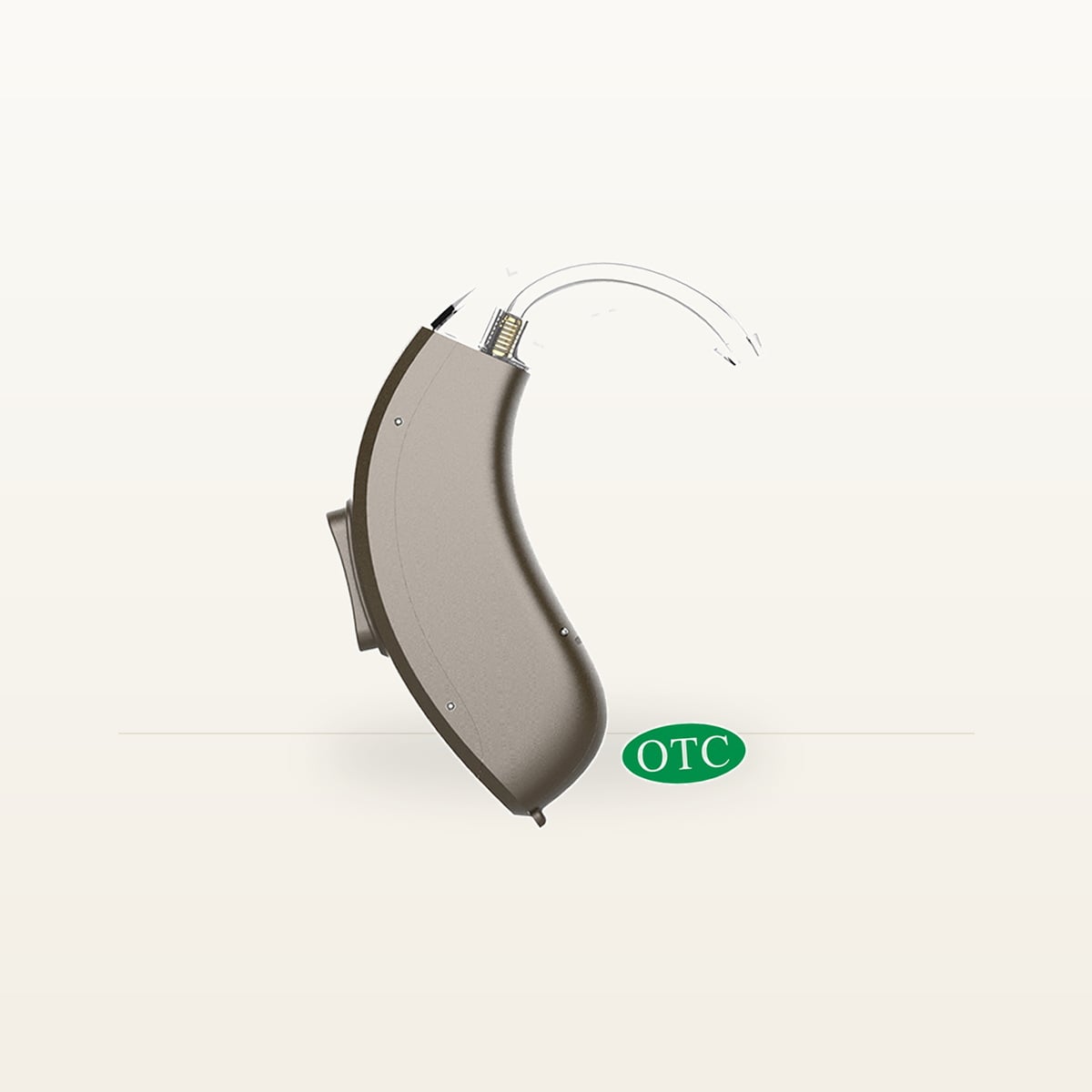
Developing reliable affordable hearing loss solutions demands sophisticated acoustic engineering and digital signal processing. Manufacturers must balance amplification levels that address mild to moderate hearing loss without causing user discomfort or feedback issues. Modern OTC hearing aids incorporate advanced algorithms that reduce background noise, enhance speech clarity, and adapt to varying listening environments. The technical architecture must remain intuitive for consumers who lack professional audiological support, requiring simplified controls and automatic adaptation features that deliver consistent performance across diverse usage scenarios.
Durability, Battery Life, and User Experience
Reliability extends beyond initial acoustic performance to encompass hardware durability and extended battery life. Manufacturers developing personal sound amplification devices must select components that withstand daily wear, moisture exposure, and temperature fluctuations common in real-world usage. Battery technology requires careful evaluation to ensure extended operational periods between charges while maintaining safety standards. User experience design becomes critical in OTC hearing aid development since consumers must independently troubleshoot issues and maintain devices without professional guidance, making intuitive interfaces and clear documentation essential reliability factors.
Manufacturing Excellence and Quality Control
Supply Chain Integration and Component Selection
Manufacturers creating affordable hearing loss solutions must establish reliable supply chains for specialized components including microphones, amplifiers, receivers, and digital processors. Component selection directly impacts product reliability, performance consistency, and cost structure. Manufacturers should establish relationships with reputable suppliers who maintain strict quality standards and provide consistent performance across production runs. Rigorous incoming inspection protocols ensure that components meet specifications before assembly, preventing defects that compromise hearing aid alternatives for mild to moderate hearing loss quality and user satisfaction.
Assembly, Testing, and Continuous Improvement
Manufacturing processes for OTC hearing aids require precise assembly procedures and comprehensive testing protocols that validate each device before distribution. Manufacturers should implement automated testing systems that verify acoustic output, frequency response, battery performance, and wireless connectivity. Establishing feedback mechanisms from users enables manufacturers to identify performance issues, design weaknesses, or reliability concerns in real-world conditions. This data informs iterative improvements to product design, materials selection, and manufacturing processes, ensuring that subsequent generations of reliable OTC hearing aids incorporate lessons learned from field experience and emerging consumer feedback.
Market Positioning and Consumer Trust
Transparent Communication and Realistic Expectations
Building trust with consumers requires manufacturers to communicate clearly about OTC hearing aid capabilities, limitations, and appropriate use cases. Marketing materials should distinguish personal sound amplification devices from prescription alternatives, setting realistic expectations about performance and suitability. Manufacturers benefit from transparent discussions about which hearing loss severities these products address effectively, reducing consumer disappointment and returns. Developing user educational materials that explain proper device usage, maintenance, and troubleshooting empowers consumers to maximize reliability and satisfaction with affordable hearing loss solutions.
Support Infrastructure and Post-Purchase Services
Reliable OTC hearing aids require supporting infrastructure including customer service, warranty programs, and replacement protocols. Manufacturers should establish accessible support channels that help consumers troubleshoot issues, access replacement components, or process returns when necessary. Comprehensive warranty coverage and return policies demonstrate manufacturer confidence in product reliability while protecting consumer interests. These support elements differentiate manufacturers in the competitive OTC hearing aid market and build long-term customer relationships that generate repeat purchases and positive referrals within consumer networks.
FAQ
What distinguishes OTC hearing aids from prescription hearing aids?
OTC hearing aids are regulated as consumer products designed for self-fitting and direct purchase, whereas prescription hearing aids require professional audiological assessment and fitting. OTC products typically address mild to moderate hearing loss through simplified controls and automatic features, while prescription devices offer personalized programming by audiologists. Personal sound amplification devices provide affordable hearing loss solutions but may not accommodate complex hearing loss patterns requiring professional customization that prescription alternatives deliver.
How do manufacturers ensure reliability in OTC hearing aids without professional involvement?
Manufacturers developing reliable OTC hearing aids incorporate automatic adaptation features, intuitive interfaces, and comprehensive user documentation that enable consumers to achieve consistent performance independently. Advanced signal processing algorithms automatically adjust settings based on listening environment, reducing user adjustment requirements. Extensive testing during development ensures that default settings work effectively for the target hearing loss range, while robust hardware design withstands varied usage conditions without professional maintenance or adjustment.
What role does regulatory compliance play in OTC hearing aid development?
Regulatory compliance ensures that OTC hearing aids meet safety, performance, and labeling standards that protect consumer welfare and establish market credibility. FDA compliance requires manufacturers to demonstrate that affordable hearing loss solutions deliver marketed performance without unintended health risks. International standards compliance validates that personal sound amplification devices meet recognized technical specifications, giving consumers confidence in reliability and giving manufacturers competitive differentiation in the growing OTC hearing aid marketplace.
 EN
EN