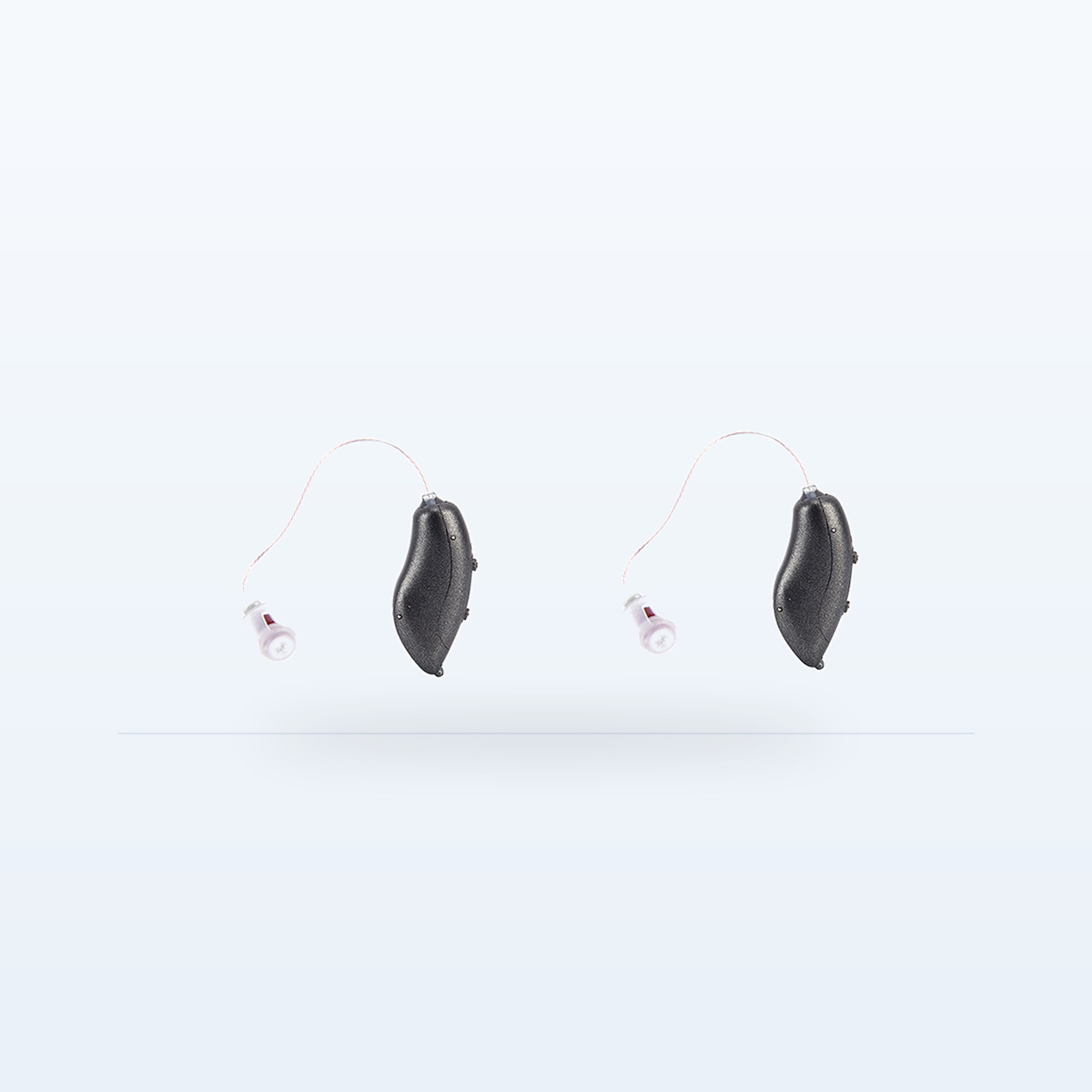
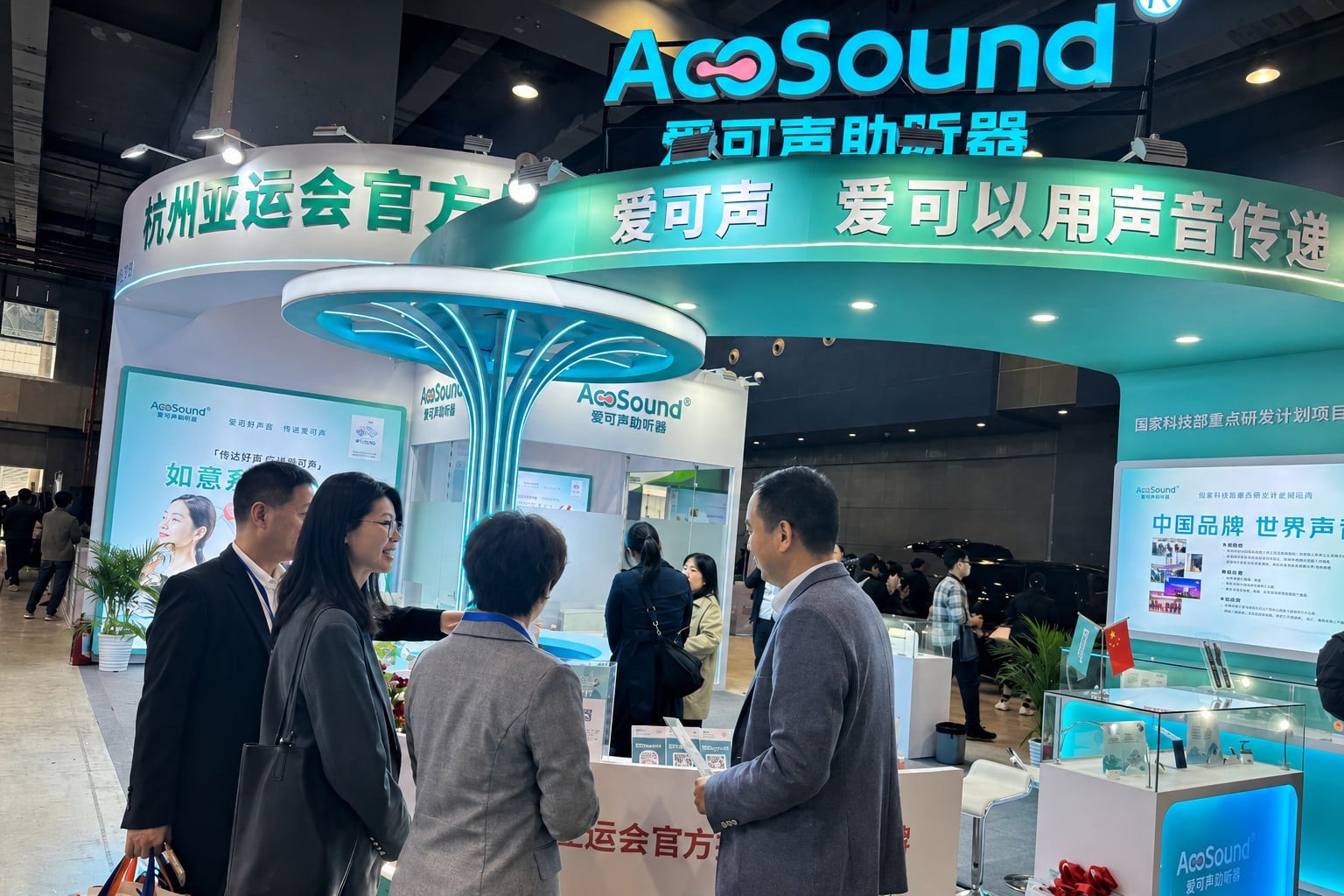
The hearing aid industry has undergone a remarkable transformation in recent years, driven by technological advances and changing patient expectations. Manufacturers of digital hearing aids face unprecedented pressure to deliver customized solutions that go beyond one-size-fits-all approaches. Today's consumers demand devices that address their unique hearing profiles, lifestyle requirements, and personal preferences, making customization a competitive necessity rather than an optional feature.
Meeting these customization needs requires manufacturers to balance advanced technology with practical accessibility, clinical precision with user comfort, and individual preferences with manufacturing scalability. The challenge extends across multiple dimensions: hearing aid battery life must suit individual usage patterns, tinnitus relief technology must adapt to specific tinnitus characteristics, and bluetooth hearing aid connectivity must integrate seamlessly with each user's personal ecosystem. Understanding how manufacturers address these demands reveals the operational and design strategies that define modern hearing aid development.
Leveraging Advanced Diagnostic Technology for Individualized Solutions
Real-Time Audiological Data Integration
Modern digital hearing aids manufacturers employ sophisticated audiological assessment tools to capture precise hearing profiles before device configuration. Advanced diagnostic platforms collect comprehensive data about frequency-specific hearing loss, dynamic range perception, and speech recognition capabilities in various acoustic environments. This granular data becomes the foundation for customized digital signal processing algorithms that manufacturers embed into each device, ensuring that digital hearing aids respond appropriately to the individual's unique auditory characteristics rather than relying on predetermined settings.
The integration of real-time feedback mechanisms allows manufacturers to refine customization throughout the device lifecycle. When users interact with their hearing aids in daily situations, sensors capture performance data that manufacturers can analyze to identify opportunities for further personalization. This continuous feedback loop enables hearing aid battery life optimization, tinnitus relief technology refinement, and acoustic performance tuning specific to each wearer's environment.
Customizable Processing Parameters and User Control
Manufacturers increasingly design digital hearing aids with extensive parameter customization options that audiologists and users can adjust without returning to the factory. Rather than offering fixed processing algorithms, modern platforms provide granular control over compression ratios, frequency shaping, noise reduction algorithms, and adaptive directional microphone settings. This approach empowers audiologists to fine-tune devices precisely to individual requirements while giving users the ability to make minor adjustments throughout the day as their environment and preferences change.
Advanced hearing aid battery life management represents another dimension of customizable processing. Manufacturers build intelligent power management systems into digital hearing aids that allow users to select battery-conservation profiles suited to their specific usage patterns. Someone who wears devices continuously may choose different battery optimization settings than someone who uses devices intermittently, extending the practical battery life within their individual context.
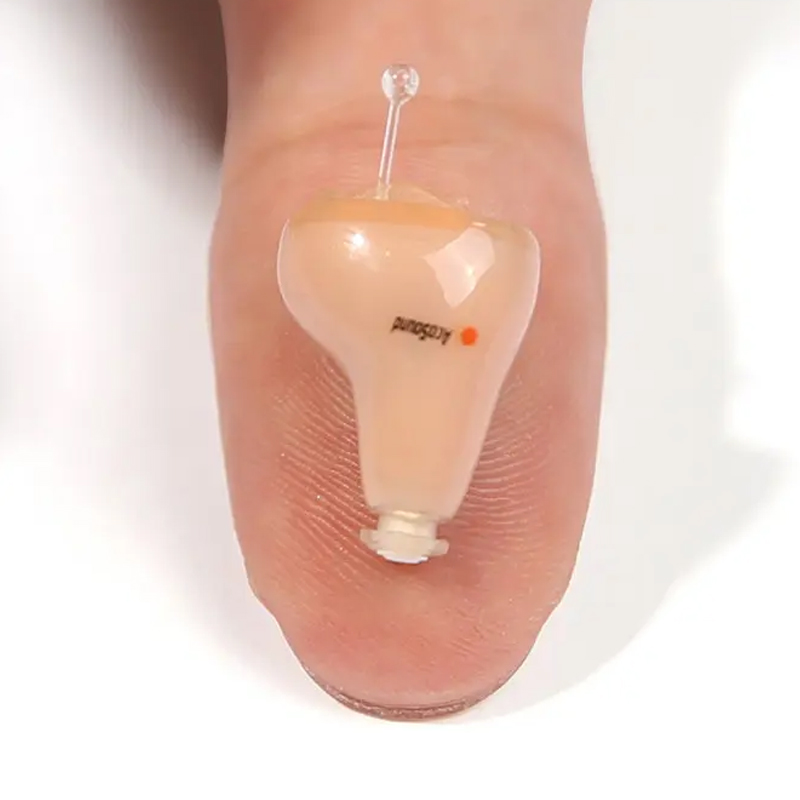
Addressing Specific Clinical Needs Through Targeted Technology
Personalized Tinnitus Relief Technology Implementation
Tinnitus affects millions of hearing aid users, yet the subjective nature of tinnitus perception demands highly individualized treatment approaches. Manufacturers incorporate tinnitus relief technology into digital hearing aids by first assessing each user's specific tinnitus characteristics—frequency, loudness perception, and acoustic triggers—then deploying customized sound therapy options. Some users respond better to white noise masking, others prefer nature sounds, and still others benefit from customized notch therapy targeting their specific tinnitus frequency. Manufacturers now embed multiple tinnitus relief technology options within single devices, allowing users to select the approach that works best for their individual tinnitus profile.
The effectiveness of tinnitus relief technology depends critically on customization at the individual level. Rather than applying standard tinnitus masking algorithms to all patients, manufacturers develop adaptive systems that learn from user feedback and adjust tinnitus relief technology intensity and characteristics over time. This personalized approach represents a significant departure from conventional hearing aids, positioning tinnitus management as an integral function of modern digital hearing aids rather than an afterthought.
Bluetooth Hearing Aid Connectivity and Ecosystem Integration
Bluetooth hearing aid connectivity has become essential for modern users who expect their hearing aids to integrate with smartphones, televisions, computers, and other personal devices. Manufacturers meet diverse connectivity needs by offering digital hearing aids that support multiple bluetooth protocols and streaming standards, allowing users to connect with whatever devices they already own. This flexibility in bluetooth hearing aid connectivity ensures that customization extends beyond the device itself into the user's broader technology ecosystem.
Advanced digital hearing aids now include customizable bluetooth hearing aid connectivity settings that allow users to manage how their devices connect, which audio sources they prioritize, and how they switch between connections. Manufacturers have learned that different users have vastly different preferences regarding notification handling, call management, and audio routing. By building customizable bluetooth hearing aid connectivity management into digital hearing aids, manufacturers ensure that the technology adapts to individual workflows rather than forcing users to adapt their behavior to fixed device constraints.
Implementing Scalable Manufacturing Processes for Customized Production
Modular Design Architecture and Component Flexibility
Meeting customization demands at scale requires manufacturers to redesign how digital hearing aids are physically constructed. Modern manufacturers employ modular architectures where core processing components, receiver configurations, battery capacities, and wireless modules can be combined in multiple ways. This modularity allows manufacturers to customize digital hearing aids for different hearing loss profiles, lifestyle requirements, and preference patterns without completely rebuilding the device from scratch. Someone requiring extended hearing aid battery life might receive a device configuration with larger battery cells, while someone prioritizing compact size might receive smaller batteries with efficient power management instead.
Modular approaches also enable manufacturers to introduce new capabilities into digital hearing aids without full redesigns. When manufacturers develop improved tinnitus relief technology, enhanced bluetooth hearing aid connectivity features, or refined signal processing algorithms, they can integrate these advances into existing modular platforms, ensuring that customization opportunities expand continuously rather than remaining static.
Data-Driven Production Planning and Supply Chain Customization
Manufacturers leverage production forecasting and inventory analytics to understand which digital hearing aids configurations receive the highest demand across different market segments and geographic regions. This data-driven approach allows manufacturers to balance customization with manufacturing efficiency, ensuring that customized digital hearing aids remain economically viable. Manufacturers can optimize production schedules to create batches of common configurations while maintaining the flexibility to produce specialized variants for users with unique requirements.
Advanced manufacturers also employ predictive analytics to anticipate customization trends before they become widespread. If data indicates growing user interest in extended hearing aid battery life among specific demographics, manufacturers can proactively adjust their design priorities and production capabilities. This forward-looking approach ensures that digital hearing aids offerings remain aligned with emerging user needs and market expectations.
FAQ
What factors should drive customization strategy in digital hearing aids manufacturing?
Successful customization strategy must begin with understanding actual user needs across diverse hearing loss profiles, lifestyle contexts, and personal technology preferences. Manufacturers should prioritize customization dimensions that deliver measurable clinical benefits—such as personalized hearing aid battery life optimization and tailored tinnitus relief technology—while balancing customization against production scalability and cost implications. Effective strategy also requires continuous market research and user feedback to ensure that customization investments address real user priorities rather than speculative features.
How do manufacturers ensure customized digital hearing aids maintain consistent quality standards?
Quality consistency in customized digital hearing aids depends on robust testing protocols that validate each unique configuration before delivery. Manufacturers implement automated testing systems that verify performance across the full parameter range used in customized devices, ensuring that customization flexibility does not compromise reliability. Additionally, manufacturers establish clear documentation standards that capture the specific customization decisions made for each device, enabling rapid diagnosis and support if issues arise after deployment.
Can customized digital hearing aids accommodate changing user needs over time?
Most modern digital hearing aids support extensive reconfiguration after initial fitting, allowing manufacturers and audiologists to adjust customization as user needs evolve. When hearing aid battery life preferences change due to modified usage patterns, or when tinnitus relief technology adjustments become necessary, manufacturers can typically deploy updated settings wirelessly or during follow-up appointments. This flexibility ensures that customization remains relevant throughout the device lifecycle rather than becoming fixed at the time of initial production.
 EN
EN