EN
EN

What Are the Key Steps in a Successful Hearing Aid OEM Collaboration?
2026/07/24
Struggling with hearing aid OEM partnerships? Discover the 6 proven steps—from spec alignment to regulatory compliance—that drive product excellence & scalability.
2026/07/02
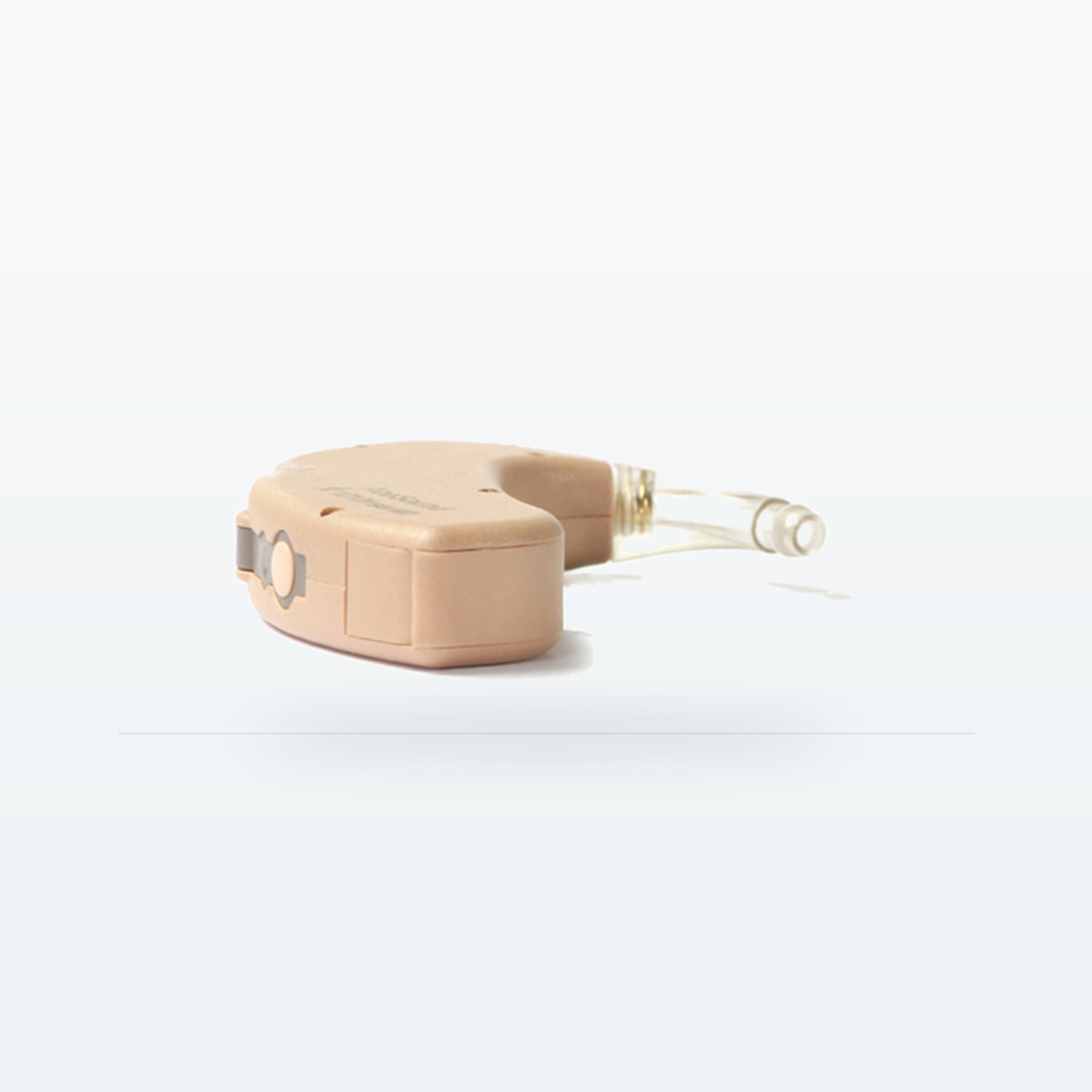
Healthcare organizations face increasing pressure to deliver accessible, high-quality hearing healthcare to their patient populations. The decision to partner with an experienced hearing aid supplier has become a strategic priority rather than a routine procurement choice. Organizations recognize that sourcing hearing aids involves far more than ordering devices; it requires partnering with professionals who understand clinical needs, patient demographics, regulatory compliance, and long-term service requirements that extend well beyond the initial purchase
The landscape of audiological care continues to evolve, with seniors and younger patients alike demanding solutions that balance efficacy, affordability, and convenience. Experienced hearing aid suppliers bring specialized expertise that directly impacts patient outcomes, organizational efficiency, and financial performance. Understanding why healthcare organizations prioritize experienced suppliers reveals deeper insights into clinical standards, market dynamics, and the true cost of hearing healthcare delivery.
Hearing aid fitting and adjustment services form the foundation of successful hearing healthcare. Experienced hearing aid suppliers employ certified audiologists and hearing instrument specialists who conduct comprehensive assessments, verify proper device placement, and calibrate settings to match individual patient needs. This expertise directly correlates with patient satisfaction, device usage rates, and long-term hearing health outcomes. Organizations that prioritize professional fitting and adjustment services report higher patient retention and fewer returns due to unsatisfactory performance.
The clinical process requires understanding individual patient physiology, lifestyle demands, and communication preferences. Experienced hearing aid suppliers maintain protocols for real-ear measurements, speech discrimination testing, and follow-up verification sessions. These technical competencies ensure that patients receive devices optimized for their specific hearing loss profile rather than generic, one-size-fits-all solutions. Healthcare organizations recognize that investing in professional hearing aid fitting and adjustment services reduces patient frustration and improves device abandonment rates significantly.
Healthcare organizations operate under strict regulatory frameworks that mandate equipment quality, safety documentation, and traceability. Experienced hearing aid suppliers maintain established relationships with manufacturers, ensure FDA compliance, and provide comprehensive documentation supporting clinical decision-making. These suppliers understand Medicare coverage requirements, private insurance limitations, and documentation standards that healthcare organizations must maintain for reimbursement purposes. The regulatory infrastructure managed by experienced suppliers protects organizations from liability and ensures patient safety protocols are consistently met.
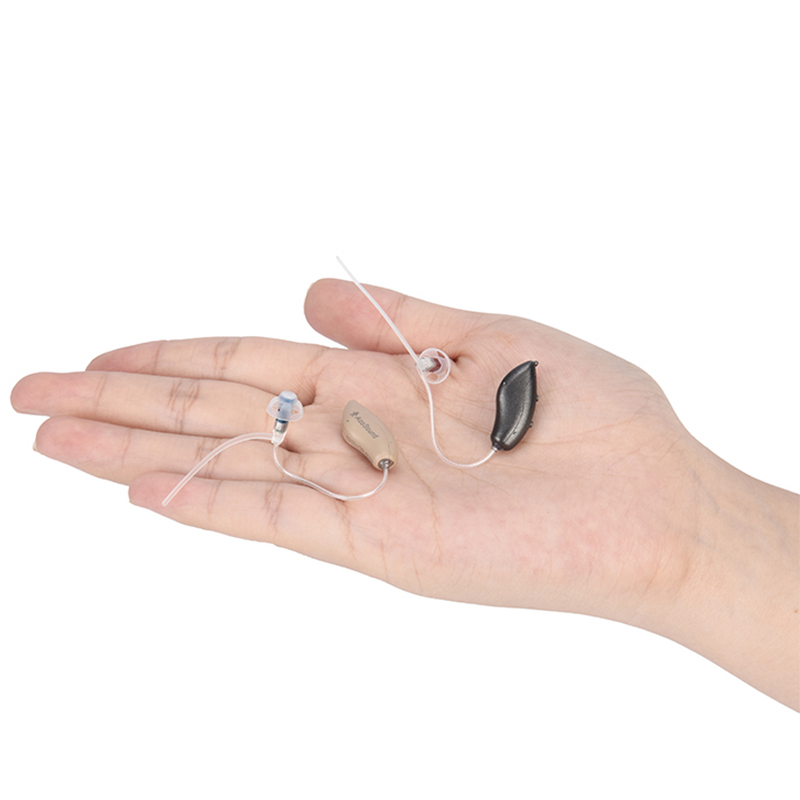
Healthcare organizations must navigate complex hearing aid prices and costs while maintaining budget predictability and patient affordability. Experienced hearing aid suppliers offer transparent pricing structures, volume discounts, and flexible payment arrangements that align with organizational budgets and patient demographics. Rather than hidden fees or unexpected charges, reputable suppliers provide clear cost breakdowns that include device pricing, fitting services, warranty coverage, and follow-up adjustments. This transparency enables healthcare organizations to forecast expenses accurately and communicate honestly with patients about financial obligations.
The true cost of hearing aid prices and costs extends beyond initial device purchase. Experienced suppliers factor in service calls, battery management, repair protocols, and warranty terms that determine total cost of ownership. Organizations that partner with suppliers offering comprehensive cost models experience fewer budget surprises and can justify investments based on clinical outcomes and patient satisfaction metrics. Transparent hearing aid prices and costs also build patient trust and reduce financial barriers that might otherwise prevent access to necessary care.
Progressive hearing aid suppliers structure offerings around value rather than device count alone. They provide hearing aid prices and costs that include extended warranty periods, unlimited adjustment visits, battery replacement programs, and emergency support services. Healthcare organizations benefit from these comprehensive packages because they reduce ongoing operational costs and create predictable service delivery patterns. Patients appreciate inclusive pricing models that eliminate surprise charges and provide clear expectations about long-term care relationships.
Senior populations represent a significant patient segment requiring specialized device features and user-friendly interfaces. Experienced hearing aid suppliers maintain expertise in selecting best hearing aids for seniors, considering factors such as dexterity limitations, cognitive preferences, battery life, and reliability. These suppliers understand that best hearing aids for seniors balance advanced features with simplicity, ensuring older adults can operate and maintain devices without excessive complexity. Healthcare organizations rely on supplier recommendations to ensure senior patients receive appropriate technology that matches their functional capabilities and lifestyle patterns.
The selection of best hearing aids for seniors also considers connectivity options, remote support capabilities, and family involvement in care management. Experienced suppliers recommend devices that integrate with healthcare systems, enable teleaudiology follow-ups, and simplify troubleshooting processes. These features reduce dependency on in-person visits and improve outcomes for seniors with mobility challenges. Organizations partnering with knowledgeable suppliers ensure senior patients gain access to technology that enhances independence while maintaining clinical effectiveness.
Best hearing aids for seniors require ongoing support as patient needs evolve and hearing changes progress. Experienced hearing aid suppliers provide adaptive protocols, periodic reassessment intervals, and technology upgrades that ensure seniors maintain optimal hearing function throughout their lives. Healthcare organizations benefit from supplier expertise in managing complex cases, addressing medical complications, and coordinating care with other healthcare providers. This comprehensive support model creates continuity of care that extends beyond device placement and reflects the true commitment to patient wellness.
Experienced hearing aid suppliers provide comprehensive services including hearing aid fitting and adjustment services, clinical assessments, device programming, warranty management, ongoing patient support, and regulatory documentation. Organizations should expect access to certified professionals, transparent communication about hearing aid prices and costs, quality assurance protocols, and responsive customer service teams that understand healthcare delivery requirements. Professional suppliers also offer training for healthcare staff and integration support with existing clinical workflows.
Hearing aid prices and costs vary based on device technology level, included services, warranty duration, and organizational volume discounts. Entry-level hearing aids cost less but offer fewer features, while advanced models provide superior sound quality and connectivity options. Experienced suppliers structure hearing aid prices and costs to reflect service intensity, professional expertise, and long-term support commitments. Healthcare organizations should request detailed quotes comparing not only device cost but total service packages and long-term value propositions.
Best hearing aids for seniors emphasize ease of use, reliability, long battery life, and simplified controls tailored to older adult capabilities. Younger patients often prioritize advanced features like smartphone connectivity, fitness tracking, and personalized sound profiles. Experienced hearing aid suppliers understand these demographic distinctions and match technology recommendations accordingly. Best hearing aids for seniors also require additional consideration for cognitive function, physical dexterity, and integration with other age-related medical devices that seniors depend on daily.
2026/07/24
Struggling with hearing aid OEM partnerships? Discover the 6 proven steps—from spec alignment to regulatory compliance—that drive product excellence & scalability.
2026/07/22
Discover how hearing aid OEM partnerships speed market entry, cut costs, and enable custom solutions while improving scalability, compliance & private label growth.
2026/07/20
Why are 78% of hearing aid startups choosing OEM manufacturing? Discover how outsourcing accelerates time-to-market, cuts CAPEX, ensures compliance & boosts scalability.
2026/07/16
What gives modern hearing aid factories an edge? Automation, custom production, biocompatible materials, distributor integration & global compliance.
2026/07/14
Discover why 78% of global audiology brands now prioritize long-term hearing aid factory partnerships for supply stability, compliance, and custom innovation.