EN
EN

What Are the Key Steps in a Successful Hearing Aid OEM Collaboration?
2026/07/24
Struggling with hearing aid OEM partnerships? Discover the 6 proven steps—from spec alignment to regulatory compliance—that drive product excellence & scalability.
2026/07/20
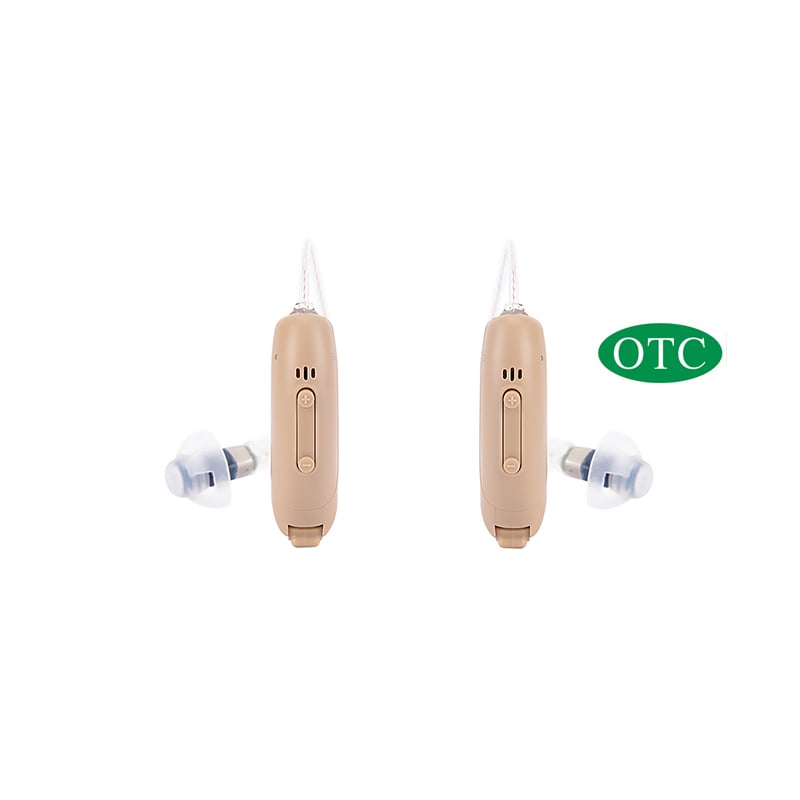
The hearing aid industry is experiencing a fundamental shift in how manufacturers approach product development and market entry. Rather than building everything in-house, an increasing number of companies are turning to hearing aid oem manufacturing solutions to accelerate time-to-market, reduce capital expenditure, and maintain competitive advantage. This strategic choice reflects a broader understanding that specialized manufacturers bring deep expertise, established supply chains, and proven quality systems that would take years and millions of dollars to replicate independently.
Understanding why companies choose hearing aid oem solutions requires examining the operational, financial, and strategic drivers behind this decision. Modern hearing aid manufacturers face intense pressure to innovate rapidly, meet diverse regulatory requirements, and respond to evolving consumer preferences. Partnering with experienced hearing aid oem providers allows companies to focus on market positioning, brand development, and distribution while leveraging partner expertise in custom hearing aid production and hearing aid manufacturing specifications.
One of the most compelling reasons companies choose hearing aid oem manufacturing solutions is the dramatic reduction in time required to bring products to market. Developing hearing aid manufacturing specifications from scratch involves extensive research, prototyping, regulatory compliance work, and quality validation. Established oem partners have already navigated these complexities and maintain proven processes, manufacturing specifications, and compliance documentation. This existing infrastructure allows new market entrants to launch products in months rather than years, capturing market share before competitors recognize emerging opportunities.
Development risk diminishes substantially when working with experienced manufacturers. Custom hearing aid production requires precision in acoustic design, digital signal processing, battery management, and miniaturization. Oem manufacturers have accumulated years of technical knowledge, failed experiments, and successful refinements that translate into reliable products. Companies selecting hearing aid oem partners avoid costly mistakes and accelerate the transition from concept to revenue-generating sales.
Building manufacturing capacity for hearing aid production demands substantial upfront investment in facilities, equipment, skilled labor, and quality systems. An in-house operation requires capital expenditure for manufacturing infrastructure, hearing aid component sourcing equipment, assembly lines, and testing systems. Companies choosing hearing aid oem manufacturing solutions convert these fixed capital costs into variable operating expenses. This financial structure improves cash flow, reduces balance sheet burden, and allows companies to invest capital in areas with higher strategic returns, such as research, marketing, and distribution network expansion.
Financial flexibility extends beyond initial capital requirements. As market demand fluctuates, companies working with hearing aid oem providers can adjust production volumes without maintaining expensive idle capacity. This scalability proves especially valuable for companies serving niche markets, testing new product categories, or expanding into geographic regions with uncertain demand patterns. The ability to scale production up or down without stranding fixed assets represents a significant competitive advantage.
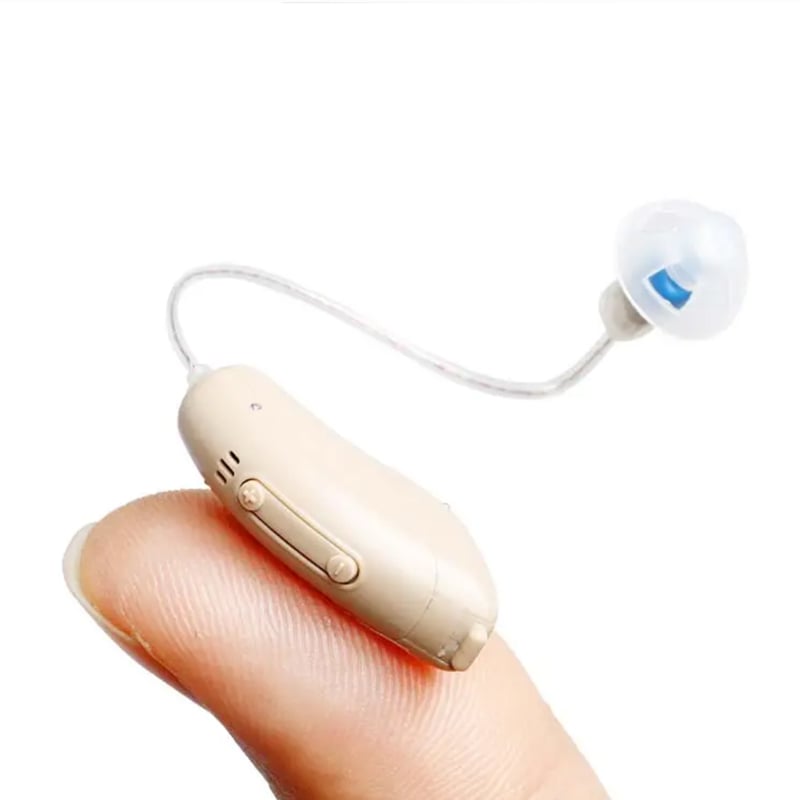
Effective hearing aid component sourcing represents a critical competitive advantage that most independent manufacturers struggle to achieve. Specialized components including digital signal processors, miniature microphones, wireless transceivers, battery management systems, and acoustic tubing are produced by a limited number of qualified suppliers worldwide. These suppliers typically work through established relationships with major manufacturers and respect those existing partnerships. Hearing aid oem providers have cultivated these supplier relationships over decades and leverage their purchasing scale to secure component allocation, favorable pricing, and priority access to new technologies.
Companies choosing hearing aid oem manufacturing solutions gain immediate access to these supply chain advantages. Rather than spending months contacting suppliers, negotiating terms, and establishing quality agreements, companies inherit existing supplier relationships and component sourcing agreements. This accelerates product launch and ensures consistent access to critical materials. Additionally, experienced oem manufacturers maintain inventory buffers, redundant supplier relationships, and component diversity strategies that insulate products from supply chain disruptions.
Hearing aid manufacturing specifications must balance acoustic performance, digital signal quality, power efficiency, size constraints, and regulatory compliance. These specifications reflect years of engineering refinement and represent intellectual property that differentiates successful manufacturers. Partnering with established hearing aid oem providers ensures products meet demanding performance standards from inception. The oem partner's manufacturing specifications address frequency response characteristics, harmonic distortion limits, output saturation levels, feedback suppression requirements, and battery life expectations.
Quality assurance processes embedded within proven hearing aid manufacturing specifications reduce field failures, warranty costs, and reputational damage. Experienced oem manufacturers implement rigorous testing protocols covering acoustic validation, electrical safety, biocompatibility, environmental stress testing, and real-world performance scenarios. Companies leveraging these established processes deliver products that meet or exceed market quality expectations from launch, building customer confidence and reducing costly recalls or design modifications.
Successful hearing aid companies recognize that manufacturing excellence represents only one capability required for market success. Equally important are regulatory expertise, clinical relationships, distribution networks, marketing effectiveness, and customer support capabilities. Companies choosing hearing aid oem manufacturing solutions maintain strategic focus on these critical differentiators rather than dividing resources across manufacturing operations. This specialization allows management teams to concentrate on market strategy, product positioning, and customer relationships where they create greatest competitive value.
Outsourcing custom hearing aid production to experienced partners also reduces the organizational complexity associated with managing manufacturing operations. Companies avoid the expertise requirements in supply chain management, manufacturing engineering, quality systems, and operational logistics. This allows organizations to remain lean and agile, responding quickly to market feedback and competitive threats without the organizational inertia that often accompanies large manufacturing operations.
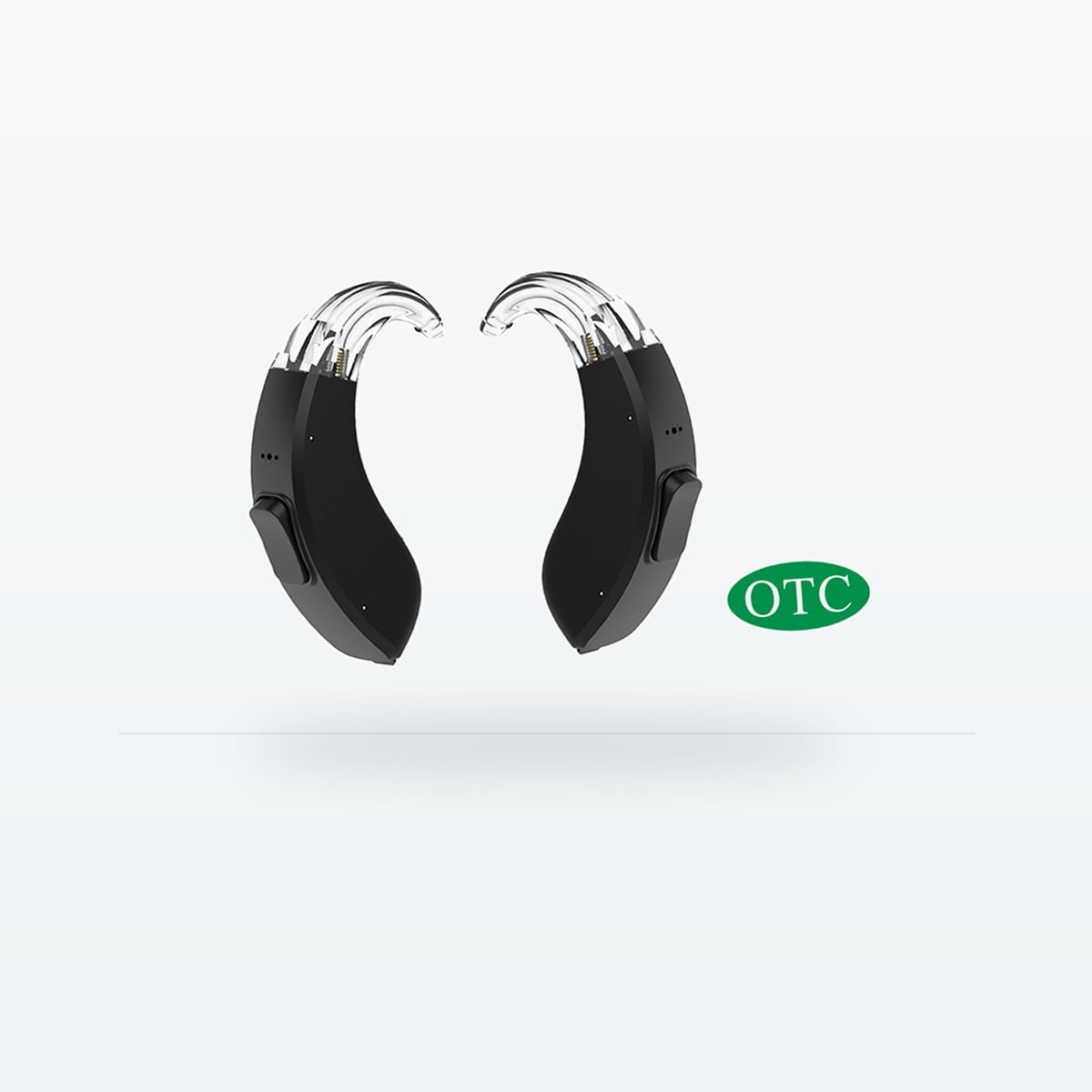
Market demand for diverse hearing aid styles, price points, and feature configurations continues expanding. Custom hearing aid production through oem partners enables companies to serve multiple market segments with differentiated products. Rather than operating separate manufacturing facilities for behind-the-ear devices, in-the-ear devices, and receiver-in-canal styles, companies leverage their partner's flexible manufacturing capabilities. This portfolio breadth attracts broader customer bases, increases market penetration, and improves competitive positioning relative to single-product competitors.
Hearing aid oem manufacturing solutions also facilitate rapid response to emerging market trends. As consumer preferences shift toward specific features, price points, or form factors, companies can introduce new products or modify existing designs quickly. This market responsiveness strengthens competitive positioning and captures revenue opportunities that competitors with slower product development cycles cannot access.
Hearing aid products face rigorous regulatory requirements across multiple jurisdictions including FDA oversight in the United States, CE marking requirements in Europe, and comparable standards in other developed markets. These regulations cover device classification, quality management systems, clinical validation, labeling requirements, and adverse event reporting. Developing and maintaining regulatory compliance systems requires specialized expertise and continuous monitoring of regulatory changes. Established hearing aid oem manufacturers maintain dedicated regulatory and quality assurance teams that stay current with evolving requirements and ensure manufacturing facilities meet all applicable standards.
Companies partnering with hearing aid oem providers inherit compliance capabilities that would require years and significant investment to develop independently. The oem partner assumes responsibility for maintaining quality management system certifications, conducting regulatory submissions, responding to regulatory inquiries, and documenting compliance with hearing aid manufacturing specifications. This reduces regulatory burden on partner companies while ensuring products reach market in compliance with all applicable rules.
Custom hearing aid production through oem partners offers several concrete advantages including faster time-to-market through proven processes, lower capital requirements by avoiding manufacturing facility investment, access to established hearing aid component sourcing networks, and reduced operational complexity. Companies gain quality assurance benefits from manufacturers with decades of experience in hearing aid manufacturing specifications while maintaining strategic focus on market development, customer relationships, and brand building rather than operations management.
Hearing aid manufacturing specifications reflect each provider's engineering approach, technology platform, and target market positioning. Some manufacturers specialize in advanced digital signal processing with emphasis on complex algorithms, while others optimize for miniaturization or battery efficiency. Companies should evaluate hearing aid oem partners based on specification alignment with their market strategy, product positioning, and customer requirements. Partnering organizations should also assess the provider's commitment to specification innovation and willingness to develop custom variations supporting unique product differentiation.
Yes, product differentiation extends beyond manufacturing to encompass firmware development, software algorithms, clinical positioning, marketing messaging, and customer support. Companies using hearing aid oem manufacturers for custom hearing aid production can still differentiate through proprietary signal processing algorithms, user interface design, fitting software, and service delivery models. Many successful hearing aid brands leverage oem manufacturing while creating significant market differentiation through technology innovation, clinical programs, and customer experience excellence.
2026/07/24
Struggling with hearing aid OEM partnerships? Discover the 6 proven steps—from spec alignment to regulatory compliance—that drive product excellence & scalability.
2026/07/22
Discover how hearing aid OEM partnerships speed market entry, cut costs, and enable custom solutions while improving scalability, compliance & private label growth.
2026/07/16
What gives modern hearing aid factories an edge? Automation, custom production, biocompatible materials, distributor integration & global compliance.
2026/07/14
Discover why 78% of global audiology brands now prioritize long-term hearing aid factory partnerships for supply stability, compliance, and custom innovation.