EN
EN

What Are the Key Steps in a Successful Hearing Aid OEM Collaboration?
2026/07/24
Struggling with hearing aid OEM partnerships? Discover the 6 proven steps—from spec alignment to regulatory compliance—that drive product excellence & scalability.
2026/07/14
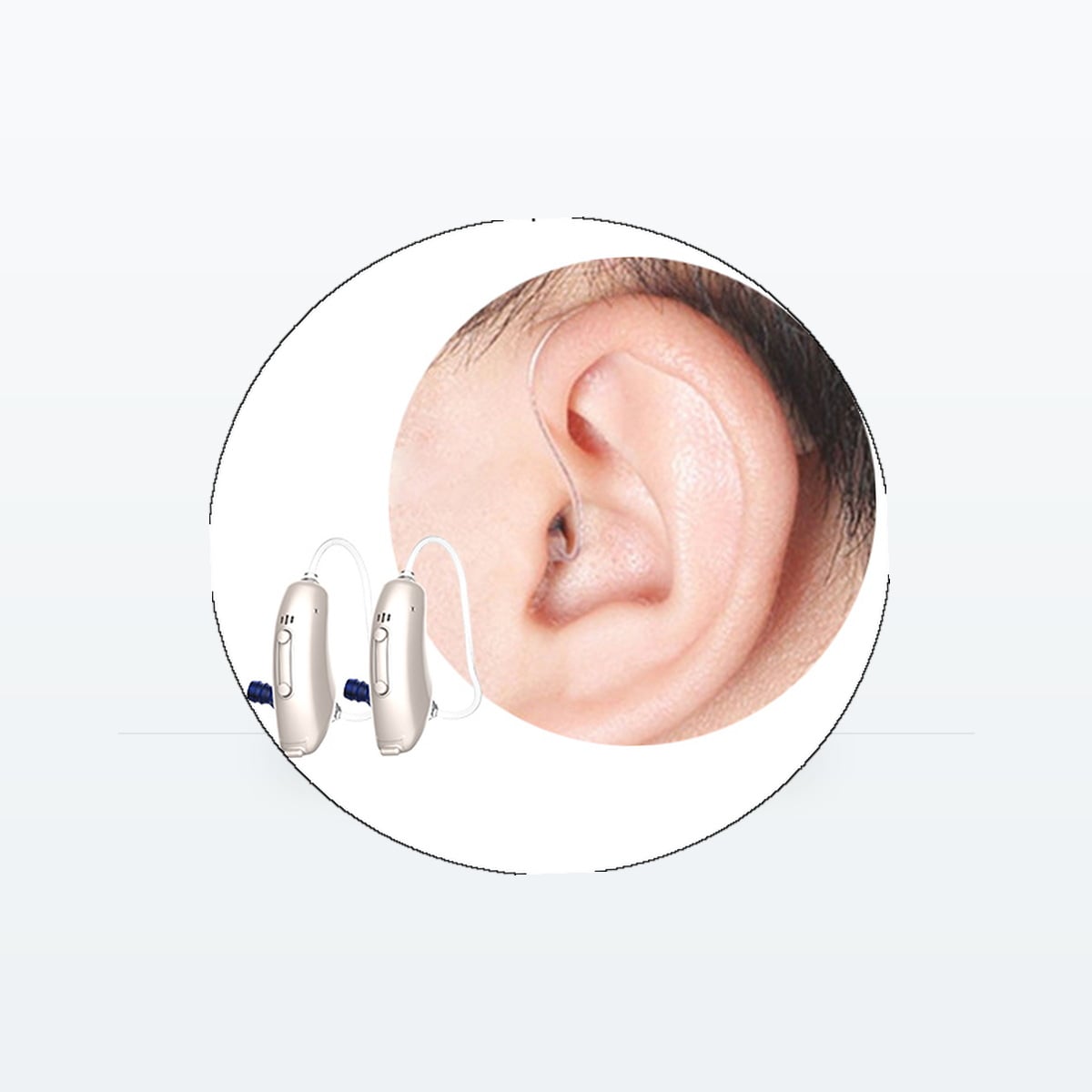
Global buyers are increasingly recognizing the strategic value of establishing long-term partnerships with a dedicated hearing aid factory. This shift represents a fundamental change in how organizations approach supply chain management, quality assurance, and product innovation within the audiology sector. Rather than relying on transactional relationships or switching between multiple suppliers, forward-thinking companies are discovering that sustained partnerships deliver competitive advantages, operational stability, and improved market positioning.
The decision to commit to a single hearing aid factory or a select group of manufacturing partners reflects deeper business realities. Buyers recognize that consistency, quality reliability, and access to advanced capabilities require time to build, test, and refine. Long-term partnerships enable factories to invest in specialized equipment, train dedicated teams, and develop proprietary solutions tailored to each buyer's unique market demands and regulatory requirements.
The hearing aid manufacturing process is intricate, combining precision engineering, acoustic science, and digital technology into compact devices that must meet rigorous international standards. A factory that understands your market, your end-users, and your brand values can continuously optimize production efficiency and product performance. When buyers commit to long-term relationships, factories gain the confidence to invest in infrastructure, tooling, and skilled labor that directly benefit product quality.
One of the most compelling reasons global buyers seek long-term hearing aid factory partnerships is supply chain predictability. Factories that know they have sustained demand can negotiate better material costs, maintain optimal inventory levels, and reduce lead times. This stability translates into more competitive pricing for buyers without compromising margins or quality. A committed hearing aid manufacturing process benefits from streamlined workflows, fewer changeovers, and economies of scale that single-order suppliers cannot achieve.
Furthermore, long-term partnerships provide natural buffers against market volatility. Factories with established relationships prioritize partner orders during supply shortages and can quickly ramp production when demand spikes. This assurance is invaluable in healthcare markets where hearing aid demand remains steady but must be met with consistent quality and minimal delays.
Hearing aids are classified as medical devices in most regulated markets, requiring compliance with standards such as IEC 60318 and FDA guidelines. A factory committed to your brand invests in comprehensive quality management systems, regulatory expertise, and continuous improvement processes specifically aligned with your requirements. Custom hearing aid production demands this level of specialization, and factories cannot justify such investments without confidence in long-term revenue streams.
Buyers recognize that hearing aid quality standards are non-negotiable. Defective or inconsistent devices directly harm end-user trust and create costly warranty claims, service burdens, and regulatory exposure. Factories with established relationships dedicate resources to advanced testing protocols, traceability systems, and proactive quality monitoring that protect both the buyer's reputation and the end-user's experience.
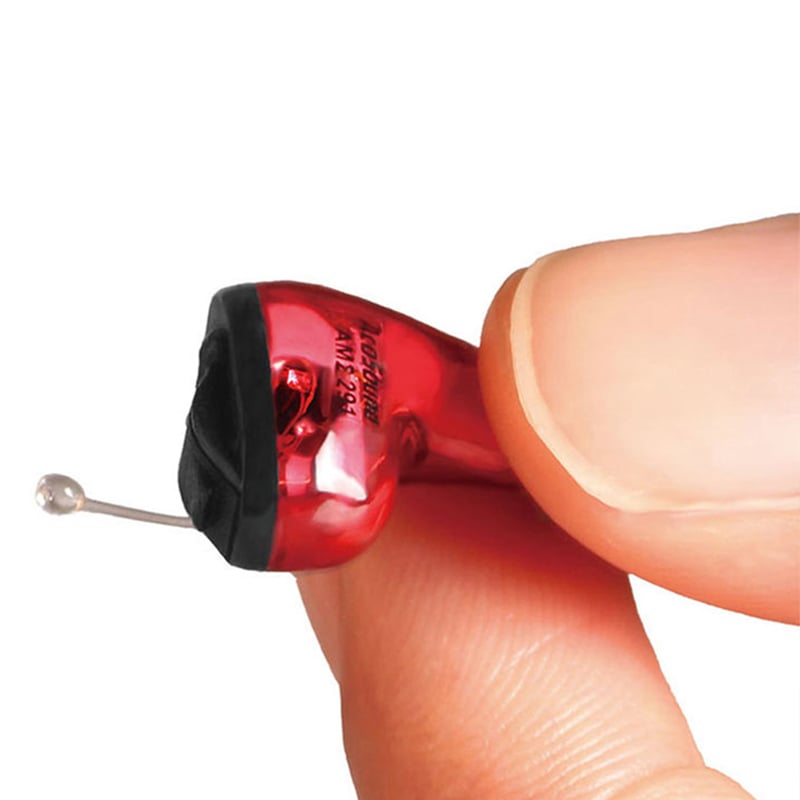
Global buyers increasingly seek factories capable of delivering custom hearing aid production rather than off-the-shelf solutions. A hearing aid factory committed to your brand can develop proprietary designs, optimize acoustic performance for specific market segments, and integrate advanced features that differentiate your products. This capability requires deep collaboration, shared problem-solving, and willingness from the factory to become an extension of your R&D team.
Long-term partnerships enable joint innovation cycles where factories contribute manufacturing insights while buyers shape product strategy. Factories with established relationships propose process improvements, suggest material alternatives, and identify cost-saving opportunities that benefit both parties. This collaborative approach transforms the hearing aid manufacturing process into a competitive advantage rather than a mere cost center.
Hearing aid markets evolve rapidly, driven by technological advances, shifting consumer preferences, and emerging regulatory requirements. A hearing aid factory with institutional knowledge of your brand can quickly prototype new designs, scale production efficiently, and troubleshoot issues without the learning curve required of new suppliers. This agility enables buyers to capitalize on market opportunities, respond to competitor moves, and adapt to changing hearing aid quality standards more effectively than competitors relying on transactional supplier relationships.
Buyers investing in custom hearing aid production naturally want to protect their intellectual property and maintain control over proprietary technologies. Long-term partnerships with a dedicated hearing aid factory establish clear governance frameworks, confidentiality agreements, and collaborative innovation structures that safeguard sensitive information. Factories prioritizing long-term relationships are more likely to invest in security protocols and comply with stringent data protection requirements.
Furthermore, sustained relationships enable factories and buyers to jointly develop next-generation technologies that neither party could achieve independently. This collaborative innovation strengthens competitive positioning and creates switching costs that naturally reinforce the partnership beyond contractual obligations.
Global buyers increasingly face stakeholder pressure regarding environmental sustainability and ethical sourcing within their supply chains. A hearing aid factory committed to long-term partnerships is more likely to invest in sustainable manufacturing practices, waste reduction, and worker safety protocols. These investments make financial sense only with confidence in future orders, making long-term partnerships essential for buyers serious about corporate responsibility.
Additionally, factories that view hearing aid quality standards and sustainability commitments as permanent business requirements rather than temporary project constraints develop deeper expertise, implement more effective systems, and achieve better outcomes across both dimensions.
Dedicated partnerships deliver supply chain predictability, customized product development, faster response times, reduced defect rates, and collaborative innovation opportunities. Factories with long-term commitments prioritize your orders, invest in your success, and develop deep expertise around your hearing aid manufacturing process, whereas spot purchasing offers only price comparison without these strategic benefits.
Custom hearing aid production involves designing and manufacturing devices specifically tailored to market requirements while maintaining compliance with international hearing aid quality standards such as IEC 60318 and FDA regulations. Factories with established partnerships invest in specialized testing equipment and quality systems to ensure custom products meet all applicable standards without compromise, something transactional suppliers cannot reliably achieve.
In-house manufacturing requires substantial capital investment, specialized expertise, regulatory expertise, and continuous technology upgrades. Partnering with an established hearing aid factory leverages existing infrastructure, proven processes, and dedicated teams while allowing buyers to focus on market development, brand building, and customer relationships—areas where their competitive advantage typically exists.
2026/07/24
Struggling with hearing aid OEM partnerships? Discover the 6 proven steps—from spec alignment to regulatory compliance—that drive product excellence & scalability.
2026/07/22
Discover how hearing aid OEM partnerships speed market entry, cut costs, and enable custom solutions while improving scalability, compliance & private label growth.
2026/07/20
Why are 78% of hearing aid startups choosing OEM manufacturing? Discover how outsourcing accelerates time-to-market, cuts CAPEX, ensures compliance & boosts scalability.
2026/07/16
What gives modern hearing aid factories an edge? Automation, custom production, biocompatible materials, distributor integration & global compliance.