EN
EN

What Are the Key Steps in a Successful Hearing Aid OEM Collaboration?
2026/07/24
Struggling with hearing aid OEM partnerships? Discover the 6 proven steps—from spec alignment to regulatory compliance—that drive product excellence & scalability.
2026/07/10
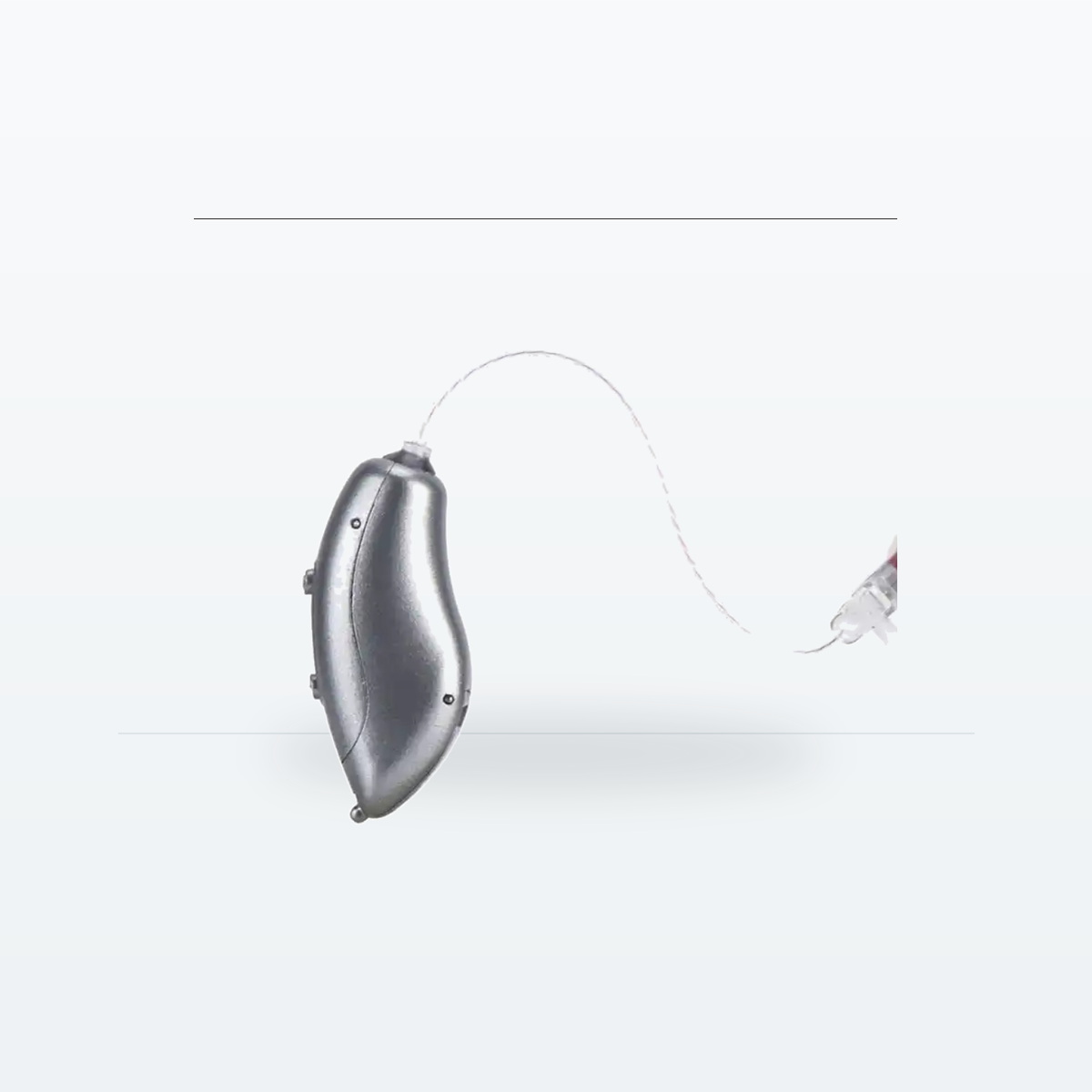
Selecting the right hearing aid factory is one of the most critical decisions an importer can make. This partnership will directly influence your product quality, supply reliability, cost structure, and ultimately your market competitiveness. Before committing to any hearing aid factory relationship, importers must evaluate multiple dimensions carefully.
The hearing aid industry operates under strict regulatory frameworks and consumer expectations for reliability and performance. A poorly chosen hearing aid factory partner can lead to compliance failures, product recalls, brand damage, and financial loss. Understanding the hearing aid manufacturing process and quality standards in advance protects your business and ensures you source from a factory capable of meeting both international regulations and customer satisfaction.
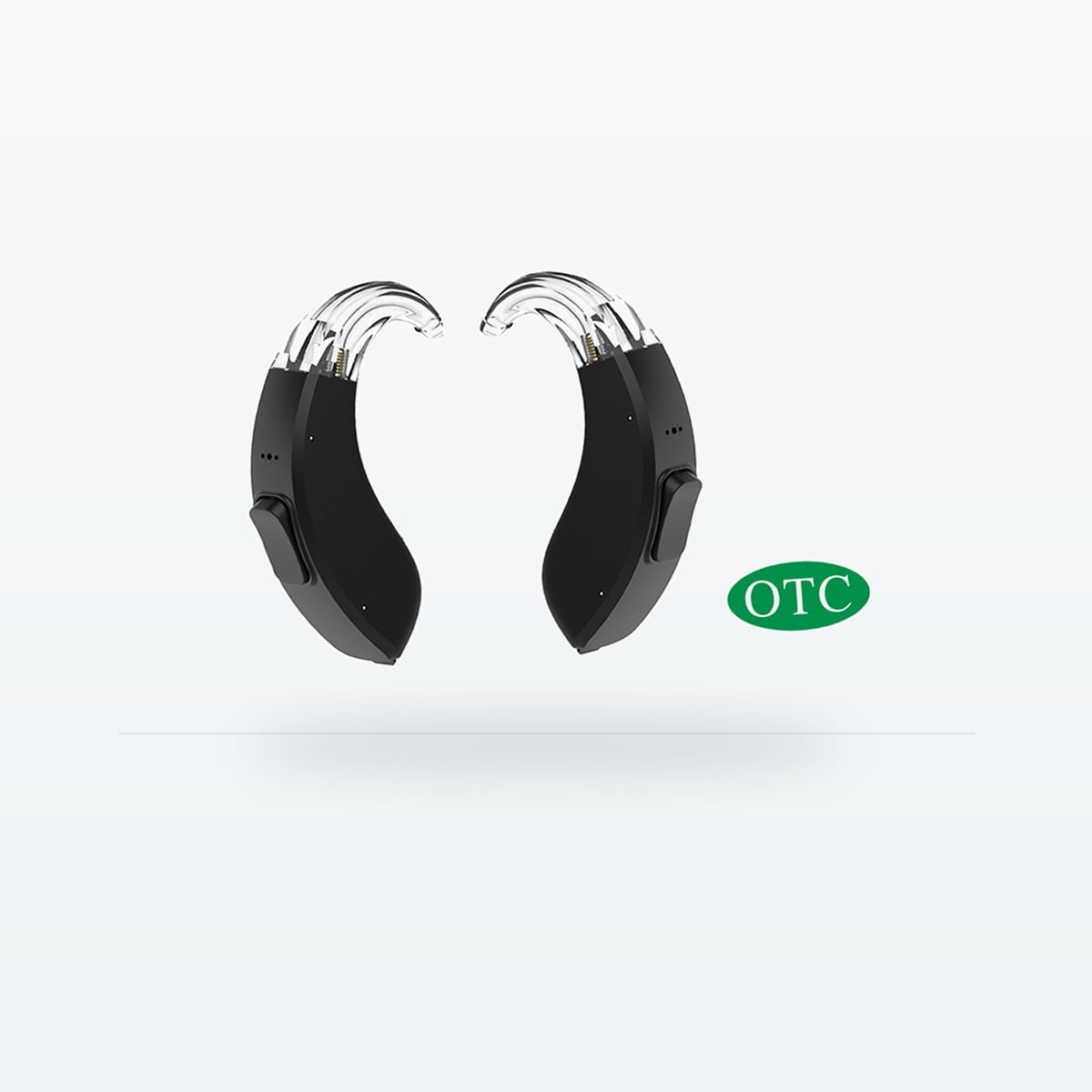
The hearing aid manufacturing process varies significantly based on the type of device your importer business plans to sell. Behind-the-ear (BTE) models, in-the-ear (ITE) models, and receiver-in-canal (RIC) devices each require different production equipment, precision levels, and technical expertise. Before partnering with a hearing aid factory, verify that the factory possesses the specific machinery, software, and skilled workforce necessary for your chosen product line.
Ask the hearing aid factory to detail their production capacity, lead times, and scalability. Can they handle your minimum order quantities without delays? Can they scale production if your sales grow? Understanding the hearing aid manufacturing process at your prospective partner ensures they can support your business growth from year one.
A professional hearing aid factory maintains clear documentation of every stage in the hearing aid manufacturing process. Request access to component sourcing records, supplier certifications, and traceability protocols. This transparency protects you if regulatory agencies later question product safety or performance claims. The hearing aid factory should provide detailed bills of materials (BOM), batch documentation, and quality assurance records for each production run.
Custom hearing aid production must comply with multiple regulatory frameworks depending on your target markets. The European Union requires CE marking under the Medical Device Regulation (MDR). North American markets demand FDA compliance and FCC certification. A credible hearing aid factory will hold current certifications from ISO 13485 (medical device quality management), ISO 9001 (general quality management), and region-specific regulatory approvals.
Before signing any agreement, request copies of all current certifications directly from the hearing aid factory and verify their authenticity with issuing bodies. Do not rely solely on certificates presented by the factory. Confirm that custom hearing aid production at this facility maintains consistent compliance across all product batches and that they conduct regular third-party audits.
A reputable hearing aid factory invests in comprehensive testing infrastructure for custom hearing aid production. This includes acoustic testing chambers, battery performance validation, digital signal processing verification, and biocompatibility testing for materials in contact with skin. Request details on the hearing aid factory's testing protocols and ask for access to test reports for representative product samples.
Verify that the hearing aid factory can provide independent third-party test reports validating hearing aid quality standards relevant to your markets. Many importers overlook this step, only to discover later that their supplier lacks the rigor needed to support regulatory submissions or handle customer complaints about performance.
Hearing aid quality standards encompass acoustic performance, durability, safety, and user experience. The hearing aid factory should maintain documented procedures ensuring hearing aid quality standards are met for every unit produced, not just samples. Ask about their defect rates, warranty claims, and customer return policies. A hearing aid factory reporting defect rates below 0.5% demonstrates strong quality discipline.
Request access to the hearing aid factory's quality management system documentation. This reveals how they identify process failures, implement corrective actions, and prevent recurrence. Strong quality management is the foundation of a reliable supply relationship. The hearing aid factory should conduct statistical process control, maintain process capability studies, and document continuous improvement initiatives.
Beyond technical capacity, assess how the hearing aid factory manages communication and problem resolution. Establish clear expectations about response times, escalation procedures, and responsibility for quality issues. A hearing aid factory should designate a dedicated account manager, provide technical support documentation, and maintain open channels for addressing concerns before they escalate.
Ask the hearing aid factory about their track record with product modifications, design iterations, and rush orders. Their flexibility and responsiveness reveal whether they view you as a valued partner or merely another transaction. Site visits and conversations with existing customers provide valuable insight into how well the hearing aid factory collaborates with importers.
Importers should prioritize ISO 13485 certification, regulatory compliance for target markets (FDA, CE marking, etc.), acoustic performance standards, biocompatibility certifications, and documented hearing aid quality standards for durability and safety. Additionally, verify that the hearing aid factory conducts independent third-party testing and maintains transparent traceability throughout the hearing aid manufacturing process.
Request a site visit to observe the hearing aid manufacturing process firsthand. Ask for sample testing reports, defect rate metrics, and customer references. Start with a small pilot order to evaluate communication, quality, and timeliness before committing to larger volumes. A trustworthy hearing aid factory welcomes scrutiny and provides comprehensive documentation to support your due diligence.
Ask the hearing aid factory about minimum order quantities, lead times, design customization capabilities, and scaling limits. Inquire how they handle urgent requests, product modifications, and color or feature variations. Understanding the hearing aid factory's flexibility ensures your custom hearing aid production schedule aligns with your market demands and business growth projections.
2026/07/24
Struggling with hearing aid OEM partnerships? Discover the 6 proven steps—from spec alignment to regulatory compliance—that drive product excellence & scalability.
2026/07/22
Discover how hearing aid OEM partnerships speed market entry, cut costs, and enable custom solutions while improving scalability, compliance & private label growth.
2026/07/20
Why are 78% of hearing aid startups choosing OEM manufacturing? Discover how outsourcing accelerates time-to-market, cuts CAPEX, ensures compliance & boosts scalability.
2026/07/16
What gives modern hearing aid factories an edge? Automation, custom production, biocompatible materials, distributor integration & global compliance.
2026/07/14
Discover why 78% of global audiology brands now prioritize long-term hearing aid factory partnerships for supply stability, compliance, and custom innovation.