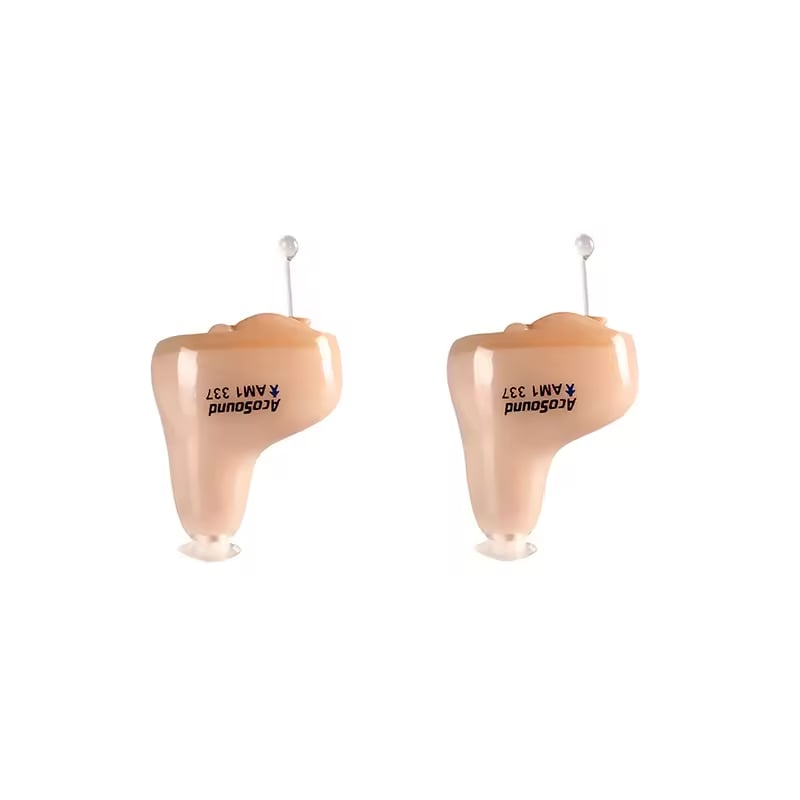
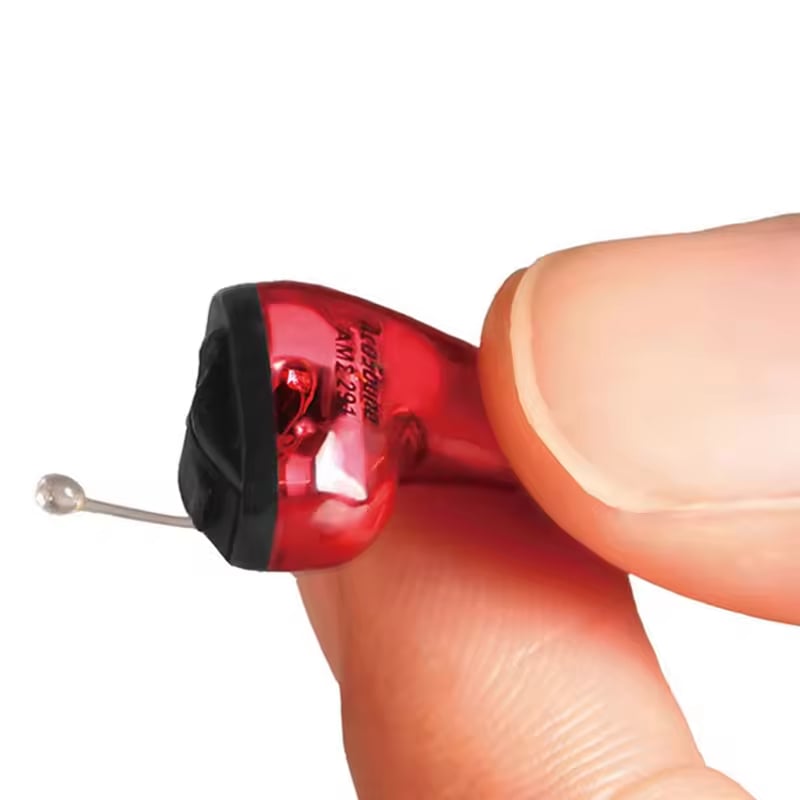
Product Overview
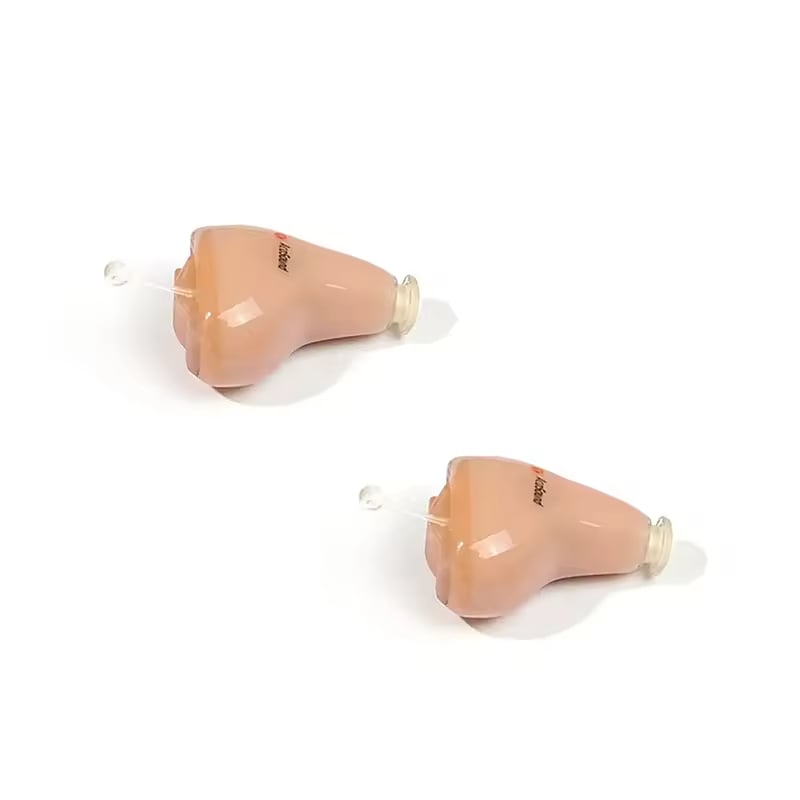
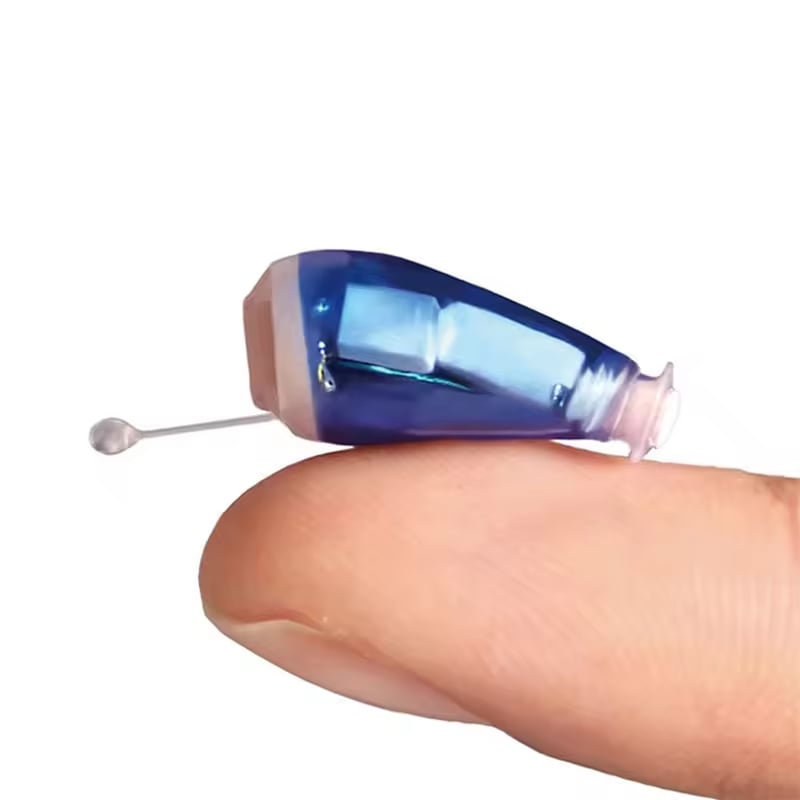
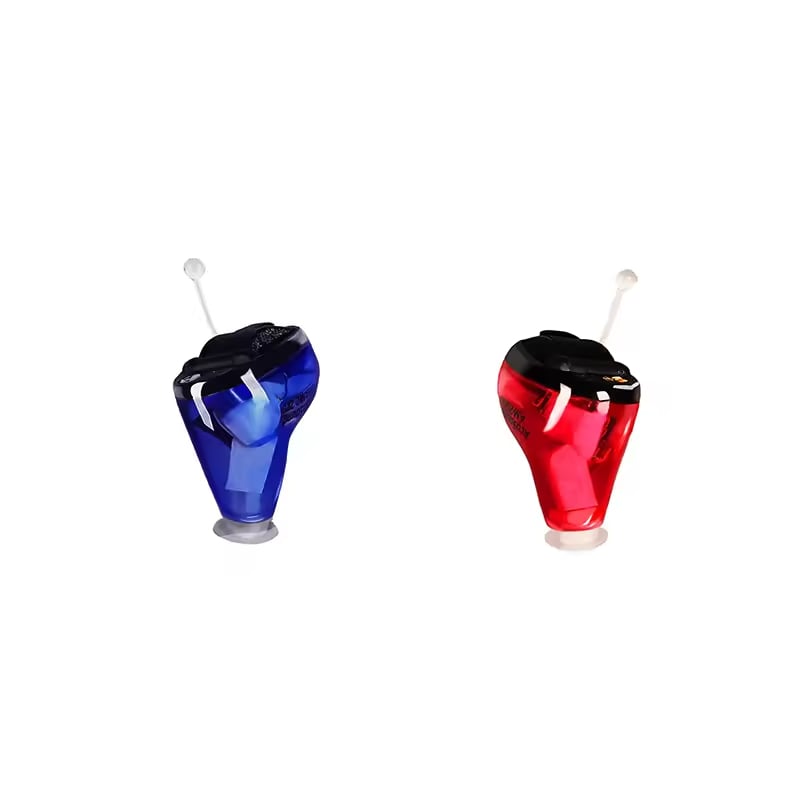
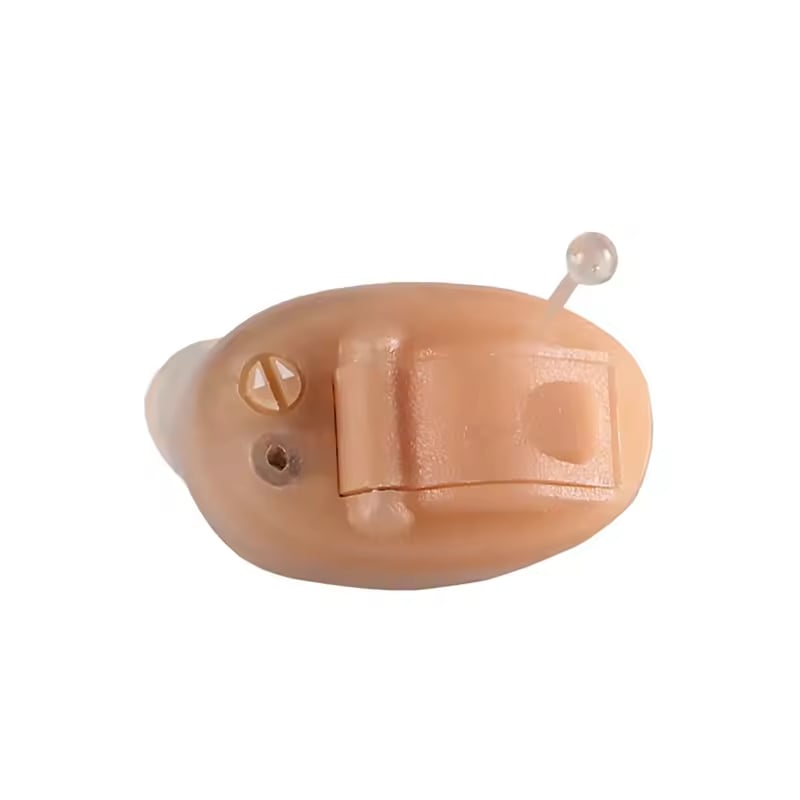
The C16-IF is a 16 channel self-adaptive hearing aid developed for hearing aid distributors, audiology clinics, hearing centers, medical device importers and professional hearing care organizations that need the upper configuration within the Self-Adaptive tier of the C-IF family.
Its ACOD2101 intelligent multi-core DSP platform supports 16 independently adjustable compression and amplification channels, 32 independently adjustable bands and 64 DSP channels. ERAC 2.0 Context Analysis Based Intelligent Multi-Compression Technology uses a Multi-Knee structure.
DFBC 3.0 Advanced Feedback Cancellation is specified with 2 levels and is paired with DFBC+Advanced SIW technology. Environment Recognition is Self-Adaptive, while ENDR 2.0 Environment Detection and Noise Reduction is specified at up to 20 dB.
Intelligent Transient Noise Management and Intelligent Wind Noise Management are each specified with 3 levels. Personalized Data Storage is Advanced. Together, these specifications give C16-IF a clearly defined role between the C12-IF starting configuration and the Intelligent tier that begins with C24-IF.
Why C16-IF Occupies the Upper Self-Adaptive Position
C16-IF is best differentiated through three measurable changes from C12-IF rather than through a new Environment Recognition category.
First, fitting channels increase from 12 to 16. Second, DSP channels increase from 48 to 64 while independently adjustable bands increase from 24 to 32. Third, transient and wind noise-management level count increases from 2 to 3 and Personalized Data Storage changes from Medium to Advanced.
For distributors evaluating a 16 channel self-adaptive hearing aid, this provides a clear technical basis for positioning C16-IF as the higher-capacity Self-Adaptive configuration in the range.
The processing category remains easy to explain: Self-Adaptive Environment Recognition and ENDR 2.0 are retained, while the model expands fitting capacity, management levels and storage. C24-IF then introduces the next major change through Intelligent Environment Recognition and ENDR 3.0.
This distinction supports product training and buyer conversations because each step is tied to documented specifications.
16 / 32 / 64 Capacity for Professional Fitting
The professional fitting structure consists of:
- 16 independently adjustable compression and amplification channels
- 32 independently adjustable bands
- 64 DSP channels
- ACOD2101 intelligent multi-core DSP
- ERAC 2.0 Multi-Knee compression
For clinics and hearing centers, the 16 / 32 / 64 architecture provides additional adjustment capacity compared with C12-IF. For distributors and importers, the same numbers create a concise specification for quotations, samples and technical sheets.
For buyers considering a 16 channel self-adaptive hearing aid, this architecture is one of the main reasons to select C16-IF over the lower configuration. It provides a capacity increase without changing the Self-Adaptive environmental category, which helps keep the two product tiers clearly separated.
Three-Level Management for Transient and Wind Noise
C16-IF specifies Intelligent Transient Noise Management at 3 levels and Intelligent Wind Noise Management at 3 levels.
This level count sits between the 2-level C12-IF configuration and the 4-level C24-IF configuration. It gives distributors a simple way to show technical progression across the series.
Environment Recognition remains Self-Adaptive and ENDR 2.0 remains specified at up to 20 dB. The result is a model whose differentiation comes from increased management granularity rather than a new environmental-processing category.
For professional buyers evaluating C16-IF, this makes the product role easier to compare against adjacent SKUs during procurement review.
Advanced Storage and Operating Configuration
Personalized Data Storage is specified as Advanced, compared with Medium on C12-IF.
C16-IF also provides 4 selectable programs and includes an Internal Sound Field Assessment System and Internal Audiometer System.
Additional documented functions are Adjustable Turn-on Delay, Occlusion Effect Management, Low Battery Power Notification, Adjustable Notification Volume, Volume Control and Memory After Power-off. Nano Coating Technology is included.
For B2B buyers, the combination of Advanced storage and the larger fitting structure supports upper-tier positioning within the Self-Adaptive part of the range.
Feedback and Compression Framework
The feedback configuration uses DFBC 3.0 Advanced Feedback Cancellation with 2 levels together with DFBC+Advanced SIW technology.
Compression is based on ERAC 2.0 Context Analysis Based Intelligent Multi-Compression Technology with a Multi-Knee structure. ENDR 2.0 provides noise reduction up to 20 dB.
For buyers evaluating C16-IF, these specifications provide processing continuity with C12-IF while the capacity, storage and noise-management level count distinguish C16-IF.
Electroacoustic Data for Procurement Review
Maximum OSPL90 is 110 dB and HFA OSPL90 is 105 dB. Maximum FOG50 is 35 dB and HFA FOG50 is 29 dB.
RTG Target and RTG Measured are both 29 dB. Frequency range is 200–5000 Hz, battery current is 1.2 mA and EQ is 25 dB. THD at 500 Hz, 800 Hz and 1600 Hz is specified at 3%.
Because these electroacoustic values are consistent across the C-IF family, distributors can compare models primarily through fitting structure and processing differences rather than treating the shared electroacoustic baseline as a product-level differentiator.
For buyers evaluating a 16 channel self-adaptive hearing aid, the procurement case is therefore concentrated on 16 / 32 / 64 capacity, three-level management and Advanced storage.
B2B Product Positioning
As a 16 channel self-adaptive hearing aid, C16-IF is suitable for distributors, importers, audiology clinics and hearing centers that need the higher-capacity configuration within the Self-Adaptive tier.
Its core identity is defined by 16 fitting channels, 32 adjustable bands, 64 DSP channels, DFBC 3.0 Advanced with 2 levels, Self-Adaptive Environment Recognition, ENDR 2.0 up to 20 dB, three-level Intelligent transient and wind management, and Advanced Personalized Data Storage.
C16-IF therefore completes the Self-Adaptive part of the C-IF range before the portfolio moves into Intelligent Environment Recognition at C24-IF.
Technical Specifications
| Specification |
C16-IF |
| Product Type |
Digital Hearing Aid |
| Channels |
16 |
| Adjustable Compression & Amplification Channels |
16 |
| Independent Adjustable Bands |
32 |
| DSP |
ACOD2101 |
| DSP Channels |
64 |
| Compression Technology |
ERAC 2.0, Multi-Knee |
| Feedback Cancellation |
DFBC 3.0 Advanced, 2 Levels |
| SIW Technology |
DFBC+Advanced SIW |
| Environment Recognition |
Self-Adaptive |
| Noise Reduction |
ENDR 2.0, Max. 20 dB |
| Transient Noise Management |
Intelligent, 3 Levels |
| Wind Noise Management |
Intelligent, 3 Levels |
| Selectable Programs |
4 |
| Internal Sound Field Assessment |
Yes |
| Internal Audiometer |
Yes |
| Adjustable Turn-on Delay |
Yes |
| Occlusion Effect Management |
Yes |
| Low Battery Notification |
Yes |
| Adjustable Notification Volume |
Yes |
| Volume Control |
Yes |
| Memory After Power-off |
Yes |
| Personalized Data Storage |
Advanced |
| Nano Coating Technology |
Included |
| Max. OSPL90 |
110 dB |
| HFA OSPL90 |
105 dB |
| Max. FOG50 |
35 dB |
| HFA FOG50 |
29 dB |
| RTG Target / Measured |
29 / 29 dB |
| Frequency Range |
200–5000 Hz |
| Battery Current |
1.2 mA |
| THD @ 500 / 800 / 1600 Hz |
3% / 3% / 3% |
| EQ |
25 dB |
FAQ
How does C16-IF differ from C12-IF?
C16-IF increases fitting channels from 12 to 16, adjustable bands from 24 to 32 and DSP channels from 48 to 64. It also increases transient and wind noise-management levels from 2 to 3 and changes Personalized Data Storage from Medium to Advanced.
Which Environment Recognition system is included?
Self-Adaptive Environment Recognition is included.
What is the ENDR specification?
ENDR 2.0 is specified at up to 20 dB.
Which feedback technology is included?
DFBC 3.0 Advanced Feedback Cancellation with 2 levels is included together with DFBC+Advanced SIW technology.
How many selectable programs are included?
C16-IF provides 4 selectable programs.
Contact AcoSound
Evaluating a 16 channel self-adaptive hearing aid for your professional product range? Contact AcoSound for C16-IF specifications, samples and B2B cooperation information.
 EN
EN