EN
EN

How Does Hearing Aid OEM Support Private Label Business Expansion?
2026/07/22
Discover how hearing aid OEM partnerships speed market entry, cut costs, and enable custom solutions while improving scalability, compliance & private label growth.
2026/07/24
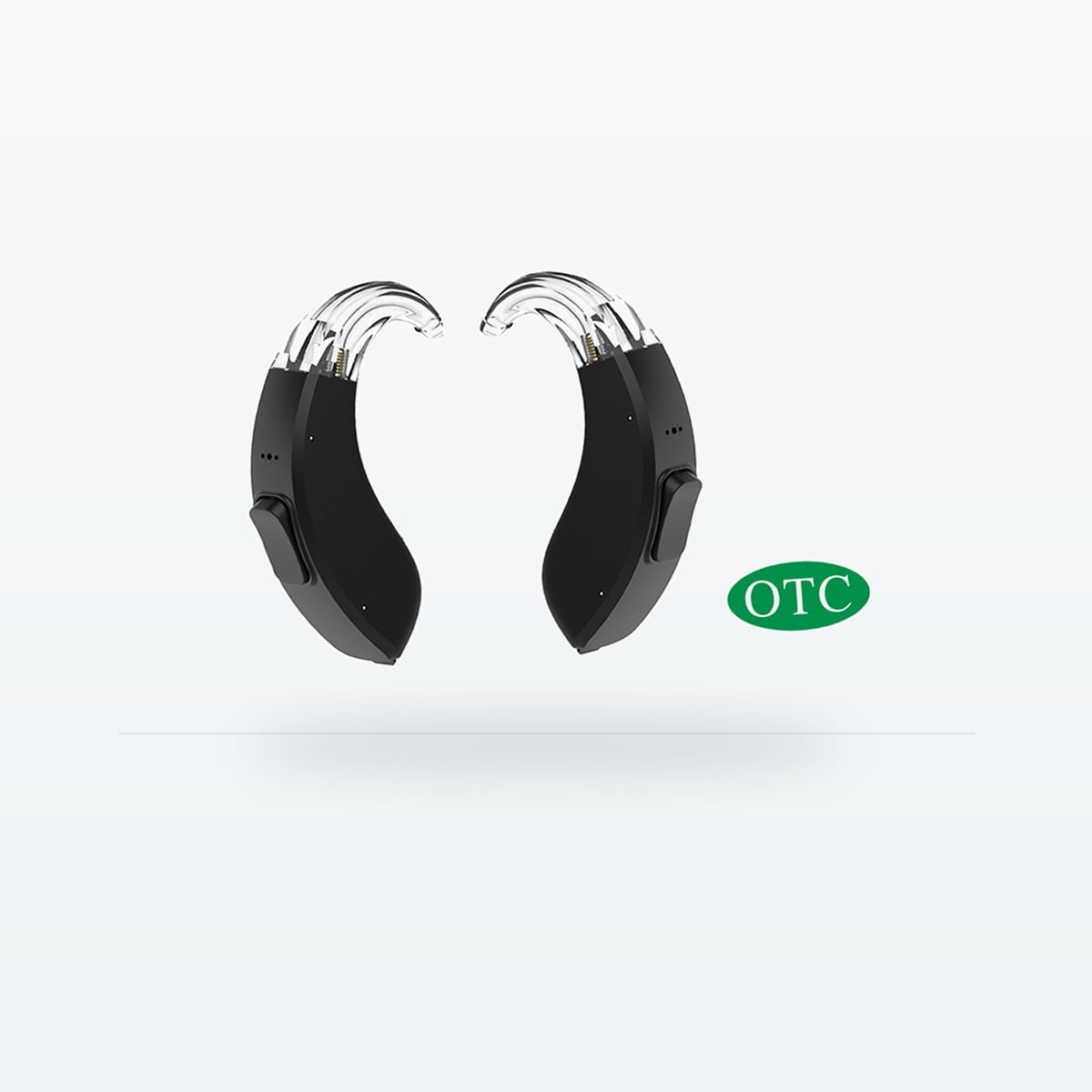
Partnering with a hearing aid oem requires a structured approach that balances technical precision, regulatory compliance, and market alignment. Whether you are a distributor, healthcare provider, or emerging brand seeking to enter the audiology market, understanding the collaboration framework with an original equipment manufacturer is critical to achieving product excellence and business success. The journey from initial partnership discussions to full-scale production involves multiple touchpoints, clear communication protocols, and shared commitment to quality standards that protect both partners and end users.
The relationship between a partner and their hearing aid oem provider extends far beyond simply ordering finished devices. It encompasses collaborative problem-solving, continuous quality improvement, and strategic alignment on product roadmap, cost structure, and supply chain resilience. A successful partnership transforms potential friction points into competitive advantages, enabling faster product launches, better margin management, and stronger market positioning.
The first step in any hearing aid oem collaboration begins with defining what success looks like for both parties. Partners must articulate their target market segments, desired product feature sets, pricing expectations, and volume forecasts over a defined timeline. This clarity prevents misalignment later and ensures the manufacturer allocates appropriate resources to your project. Written agreements should specify whether the partnership is exclusive, territory-based, or open-market, along with any intellectual property considerations or proprietary technology integration.
Custom hearing aid design specifications form the technical foundation of collaboration. You must communicate form factor preferences, such as behind-the-ear (BTE), receiver-in-canal (RIC), or in-the-ear (ITE) styles, along with desired performance targets like frequency response range, maximum output levels, battery life, and connectivity features. The oem will evaluate your specifications against manufacturing feasibility, cost implications, and regulatory constraints. Early alignment on hearing aid manufacturing standards ensures that design aspirations remain achievable within budget and timeline. Specification documents should include dimensional tolerances, ergonomic requirements, and acoustic performance targets validated through independent testing where possible.
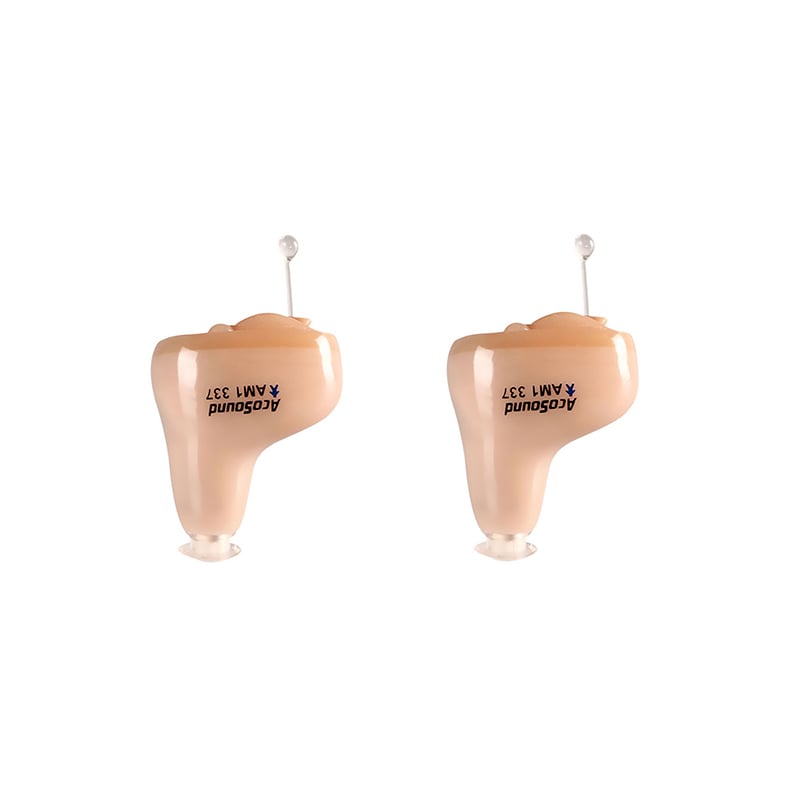
Hearing aid components and materials directly influence product quality, reliability, and cost structure. Core elements include the receiver driver, microphone array, signal processor, battery compartment, and outer housing materials. The oem partner should provide transparent guidance on component sourcing, including lead times, supply chain diversification, and contingency strategies for critical parts. Understanding where hearing aid components and materials originate helps you anticipate cost fluctuations, mitigate supply disruption risk, and maintain consistent product quality. Request datasheets, certifications, and supplier qualification documentation to verify compliance with hearing aid manufacturing standards across the entire Bill of Materials.
Hearing aid manufacturing standards vary by region and include FDA regulations in the United States, CE marking requirements in Europe, and additional standards in other markets. Your oem partner must demonstrate proven compliance infrastructure, including ISO 13485 certification, documented design controls, and traceability systems. Establish clarity on who bears responsibility for regulatory submissions, post-market surveillance, and adverse event reporting. The collaboration should include provisions for third-party testing, biocompatibility assessment, and electromagnetic compatibility verification to ensure finished devices meet all applicable hearing aid manufacturing standards before market release.
Once designs are finalized and prototypes validated, the transition to production requires structured protocols for quality assurance, inventory management, and on-time delivery. Define defect acceptance rates, incoming inspection procedures, and process controls that protect both parties from quality failures. The hearing aid oem collaboration should include service level agreements specifying lead times, minimum order quantities, pricing terms, and procedures for handling demand changes. Implement regular business reviews to assess performance against these metrics and identify opportunities for continuous improvement in hearing aid manufacturing standards compliance and efficiency.
Your hearing aid oem partner should demonstrate capacity to scale production volumes as your business grows without compromising quality or extending lead times. Discuss contingency plans for handling surge demand, capacity constraints, and potential supply chain disruptions. Establish technical support channels for post-launch issues, warranty claims, repair logistics, and product updates. A mature oem relationship includes provisions for collaborative forecasting, technology roadmap reviews, and periodic strategy alignment to ensure the partnership continues delivering competitive advantage as market dynamics evolve. Documentation of all agreements, quality procedures, and performance standards creates institutional memory that survives personnel changes and strengthens operational resilience.
The essential hearing aid manufacturing standards include ISO 13485 for medical device quality management, FDA Part 15 for electromagnetic compatibility in the United States, and relevant international standards like IEC 60711 for electroacoustic measurements. Your oem partner should hold active certifications from recognized notified bodies or regulatory authorities. Request documentation proving compliance with hearing aid manufacturing standards specific to your target markets, along with evidence of regular audits and corrective action procedures to maintain certification.
Custom hearing aid design specifications directly impact both cost and timeline by determining component selection, manufacturing complexity, tooling requirements, and testing scope. More advanced features, smaller form factors, or specialized materials increase development time and unit costs. Your oem partner should provide cost modeling at different specification levels to help you balance performance ambitions with market pricing realities. Building flexibility into custom hearing aid design specifications during early collaboration allows for iterative refinement without major delays once production tooling begins.
Diversification of hearing aid components and materials suppliers protects against single-point supply failures that could disrupt production and damage your market reputation. When a hearing aid oem relies on multiple qualified suppliers for critical parts, it enables business continuity during supplier capacity issues, quality problems, or geopolitical disruptions. Ask your oem partner about dual-sourcing strategies, inventory buffers, and alternative component specifications that maintain product performance while reducing supply chain concentration risk. This resilience is particularly important for high-volume programs where production delays create significant financial and customer satisfaction consequences.
2026/07/22
Discover how hearing aid OEM partnerships speed market entry, cut costs, and enable custom solutions while improving scalability, compliance & private label growth.
2026/07/20
Why are 78% of hearing aid startups choosing OEM manufacturing? Discover how outsourcing accelerates time-to-market, cuts CAPEX, ensures compliance & boosts scalability.
2026/07/16
What gives modern hearing aid factories an edge? Automation, custom production, biocompatible materials, distributor integration & global compliance.
2026/07/14
Discover why 78% of global audiology brands now prioritize long-term hearing aid factory partnerships for supply stability, compliance, and custom innovation.