EN
EN

What Are the Key Steps in a Successful Hearing Aid OEM Collaboration?
2026/07/24
Struggling with hearing aid OEM partnerships? Discover the 6 proven steps—from spec alignment to regulatory compliance—that drive product excellence & scalability.
2026/07/07
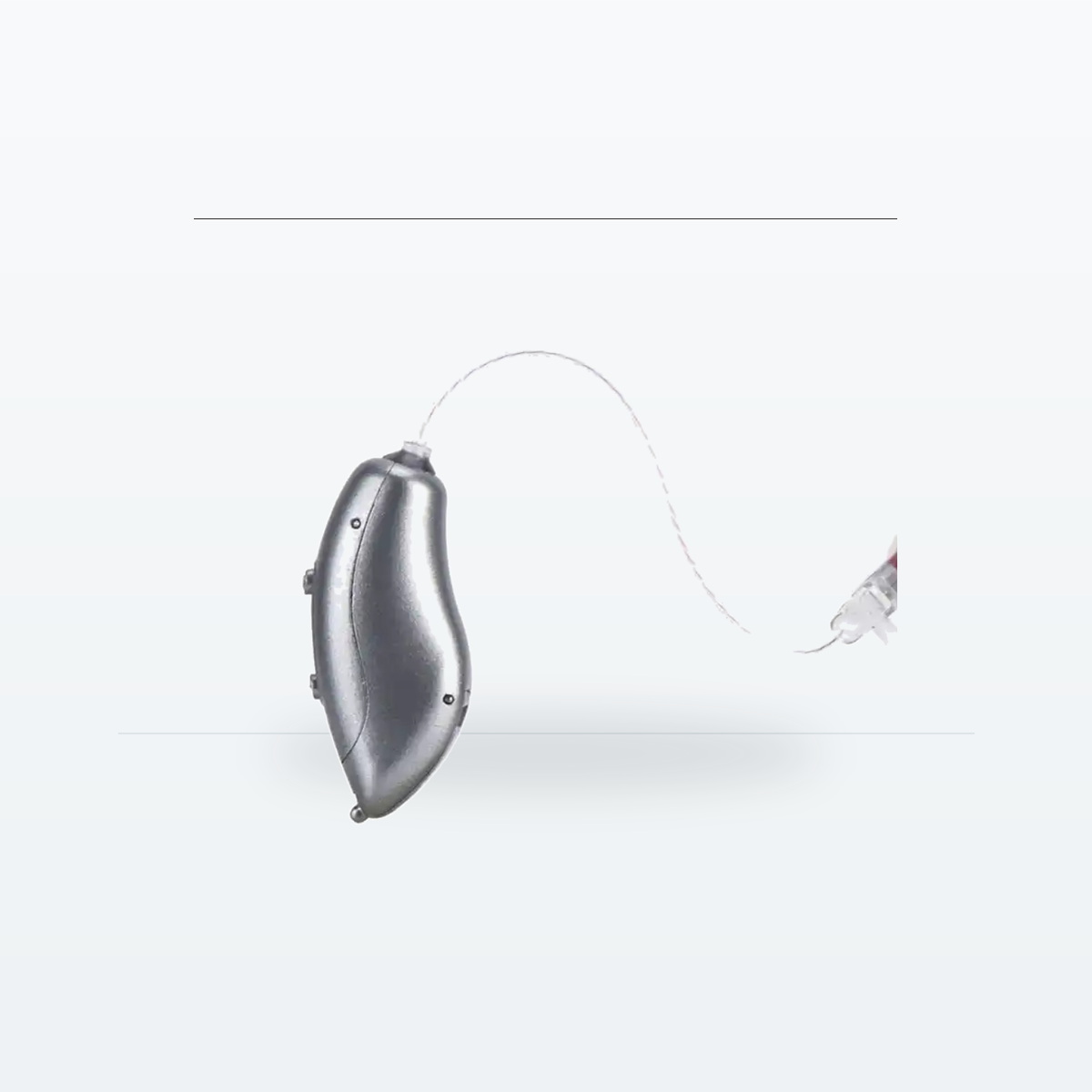
Selecting the right hearing aid factory is one of the most critical decisions global brands make in the medical device industry. The choice affects product quality, regulatory compliance, production timelines, cost structure, and ultimately your brand reputation in competitive international markets. A manufacturing partner that understands advanced hearing aid manufacturing processes, controls bulk hearing aid production costs effectively, and delivers consistent custom hearing aid fabrication will position your brand for sustainable growth and customer satisfaction.
The global hearing aid market demands precision, innovation, and reliability. Beyond basic manufacturing capability, the right hearing aid factory must demonstrate expertise across diverse product types, regulatory frameworks, and quality standards. Your factory partner directly influences whether your products meet FDA, CE, and local market approvals, whether your supply chain remains resilient under demand fluctuations, and whether your bulk hearing aid production costs remain competitive while maintaining device performance and durability.
A reputable hearing aid factory must operate under stringent quality management systems, including ISO 13485 certification and equivalent standards. The hearing aid manufacturing process demands precision at every stage—from component sourcing through final assembly and testing. Your factory partner must maintain documented processes, traceability systems, and continuous improvement protocols that satisfy regulatory bodies worldwide. When your hearing aid factory implements robust quality control, your brand avoids costly recalls, regulatory delays, and damage to customer trust that can take years to recover from.
The hearing aid manufacturing process has evolved significantly with digital signal processing, wireless connectivity, and miniaturized components. Your chosen hearing aid factory must possess in-house design support, rapid prototyping capability, and the technical depth to translate your product requirements into manufacturable solutions. Factories lacking innovation capacity often produce static designs that become outdated quickly. Strong factories proactively advise on material selection, component optimization, and manufacturing techniques that enhance performance without inflating bulk hearing aid production costs unnecessarily.
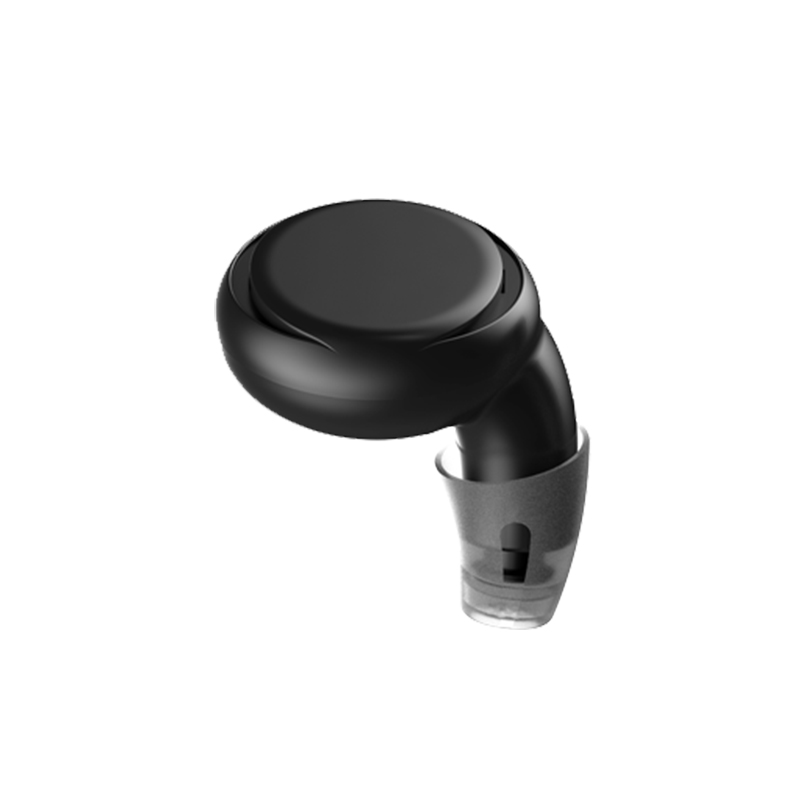
Bulk hearing aid production costs represent a substantial portion of your product margin, making factory selection directly impact profitability. An experienced hearing aid factory leverages established supplier relationships, optimized production workflows, and economies of scale to reduce per-unit costs while maintaining quality thresholds. The factory should provide transparent cost breakdowns, explain how bulk hearing aid production costs scale with volume, and demonstrate how process improvements reduce waste. Factories that hide cost structures or use aggressive low pricing to win business often cut corners on quality, leading to expensive problems later.
Global supply chain disruptions have taught brands that factory resilience matters. Your hearing aid factory should maintain diversified supplier networks, strategic inventory buffers for critical components, and contingency plans for production disruptions. Lead times for bulk hearing aid production directly affect your ability to serve seasonal demand, launch new products, and respond to market opportunities. A factory with poor supply chain management creates artificial constraints that inflate bulk hearing aid production costs when rush orders become necessary and damage your customer relationships when delivery commitments slip.
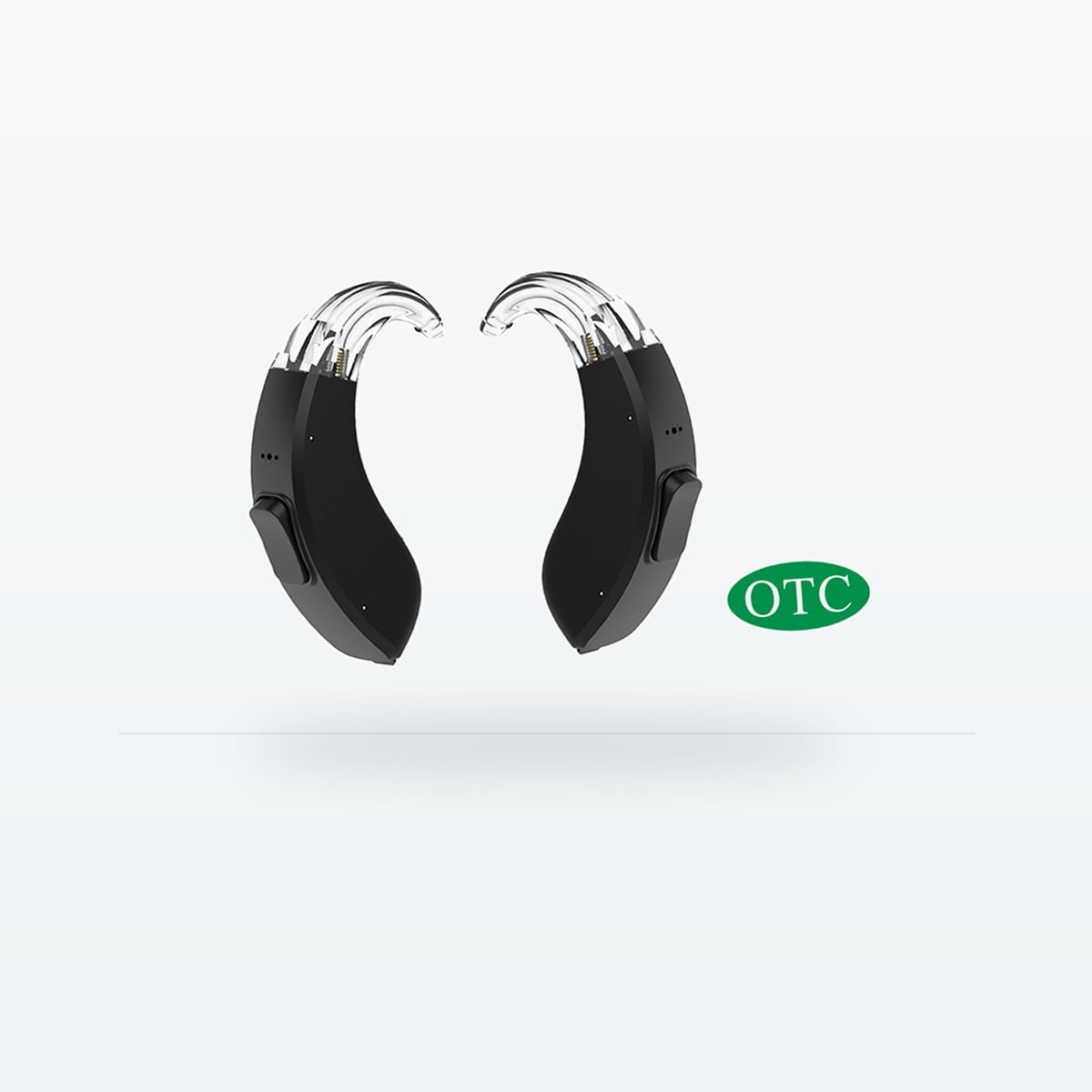
Different markets demand different hearing aid designs—behind-the-ear models for certain demographics, receiver-in-canal for others, and specialized devices for industrial or medical applications. The right hearing aid factory demonstrates expertise in custom hearing aid fabrication, enabling your brand to serve diverse customer needs without launching separate facilities or partners. Custom hearing aid fabrication capability means your factory can adjust form factors, cosmetic finishes, firmware configurations, and packaging to match regional preferences and regulatory requirements without major retooling or cost premiums that consume your margins.
Scaling custom hearing aid fabrication while maintaining consistency is where many factories stumble. A capable hearing aid factory implements configuration management systems, automated testing protocols, and traceability mechanisms that ensure every custom variant meets your specifications. When custom hearing aid fabrication increases product variety, less rigorous factories experience quality drift, defect clustering in less-common variants, and customer dissatisfaction. Your factory partner should prove through historical data that their custom hearing aid fabrication maintains defect rates and performance metrics regardless of how many configurations they produce.
Evaluate certifications like ISO 13485, on-site facility audits, quality metrics including defect rates and first-pass yield, supply chain resilience, technical capability in the hearing aid manufacturing process, transparency in bulk hearing aid production costs, and references from comparable brands. Request documentation of their custom hearing aid fabrication experience, regulatory approvals they hold, and their approach to continuous improvement and innovation.
The right hearing aid factory streamlines the hearing aid manufacturing process through optimized workflows, invested automation, skilled workforce training, and strategic supplier relationships. This efficiency reduces cycle times, improves first-pass quality, and lowers bulk hearing aid production costs per unit. An inefficient factory creates bottlenecks, rework, waste, and unpredictable delivery timelines that cascade into customer service problems and competitive disadvantage for your brand.
A world-class hearing aid factory can manage diverse product lines, bulk hearing aid production costs across different volumes, and custom hearing aid fabrication for multiple markets through modular processes and flexible capacity planning. However, verify their actual experience—ask for examples of similar scale, product diversity, and geographic complexity they have managed successfully. Some factories excel in one niche but lack the infrastructure for true global multi-line operations, making a single-partner approach risky for larger, diversified brands.
2026/07/24
Struggling with hearing aid OEM partnerships? Discover the 6 proven steps—from spec alignment to regulatory compliance—that drive product excellence & scalability.
2026/07/22
Discover how hearing aid OEM partnerships speed market entry, cut costs, and enable custom solutions while improving scalability, compliance & private label growth.
2026/07/20
Why are 78% of hearing aid startups choosing OEM manufacturing? Discover how outsourcing accelerates time-to-market, cuts CAPEX, ensures compliance & boosts scalability.
2026/07/16
What gives modern hearing aid factories an edge? Automation, custom production, biocompatible materials, distributor integration & global compliance.
2026/07/14
Discover why 78% of global audiology brands now prioritize long-term hearing aid factory partnerships for supply stability, compliance, and custom innovation.