EN
EN

What Are the Key Steps in a Successful Hearing Aid OEM Collaboration?
2026/07/24
Struggling with hearing aid OEM partnerships? Discover the 6 proven steps—from spec alignment to regulatory compliance—that drive product excellence & scalability.
2026/07/27
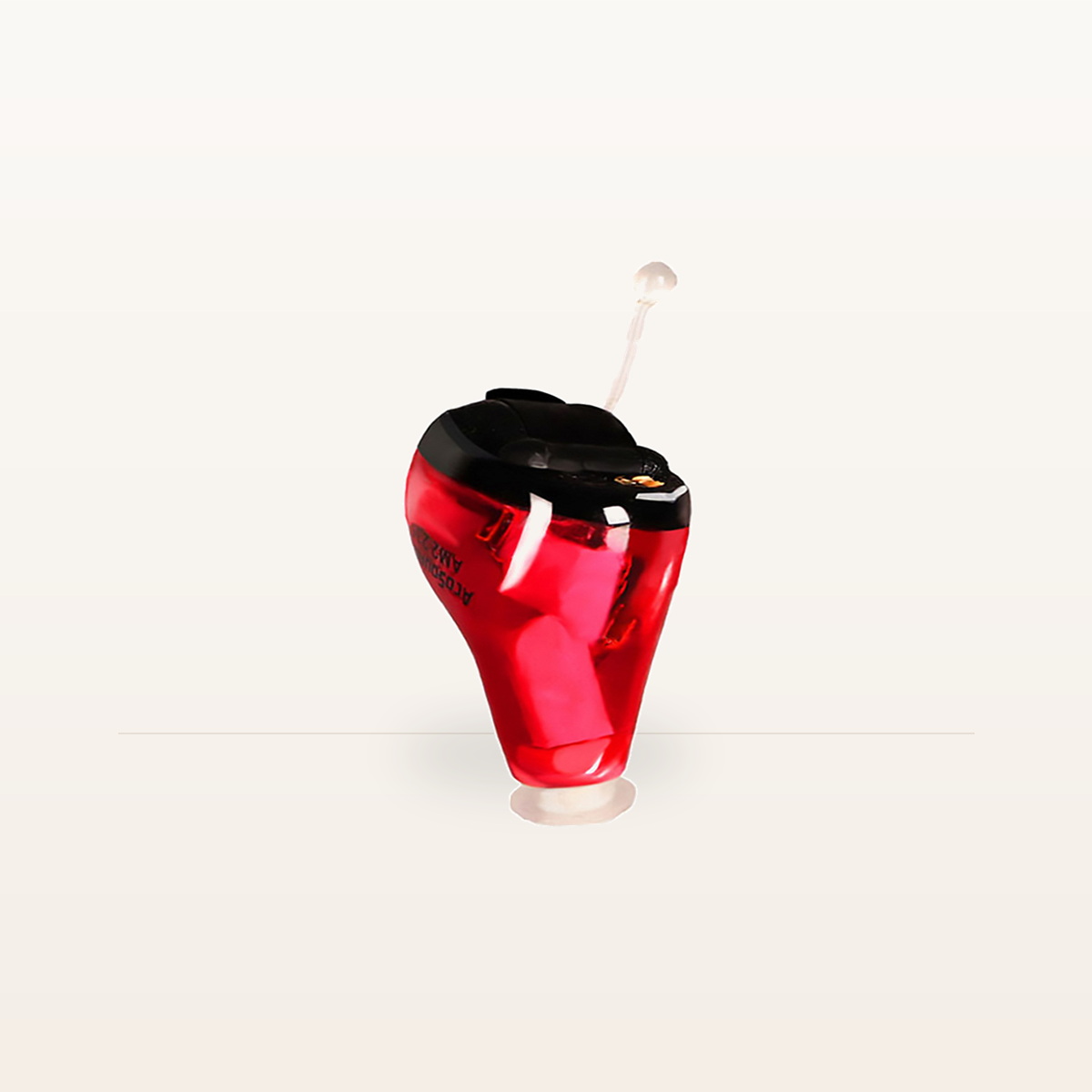
Hearing loss affects millions of people worldwide, and the demand for discreet, effective solutions continues to grow. Among the various hearing aid styles available today, in-the-ear (ITE) hearing aids have emerged as a preferred option for individuals seeking both functionality and discretion. The compact design of ITE hearing aids makes them an attractive choice for those who want reliable hearing support without drawing attention. Unlike behind-the-ear models, these devices fit directly within the ear canal, offering a nearly invisible solution that aligns with modern expectations for personal medical devices.
The popularity of ite hearing aids extends beyond aesthetics. These devices represent a significant advancement in hearing technology, combining sophisticated audio processing with user-friendly designs. For individuals managing mild to moderate hearing loss solutions, ITE models offer exceptional clarity and comfort. The invisible hearing aid technology integrated into modern ITE devices has transformed how people experience hearing correction, enabling users to maintain their confidence and quality of life while addressing hearing challenges effectively.
The compact design of ITE hearing aids represents a fundamental shift in how hearing devices are conceptualized and manufactured. These devices are engineered to sit flush within the ear canal, creating an appearance that is virtually undetectable to observers. The custom ear canal hearing aids are individually molded to match the unique contours of each wearer's ear, ensuring both aesthetic appeal and optimal acoustic performance. This personalized fit eliminates the bulk and visibility associated with larger hearing aid models, allowing wearers to feel confident in social, professional, and personal settings.
The discreet nature of ITE hearing aids appeals particularly to professionals, social individuals, and those who value privacy regarding their hearing assistance needs. Unlike conspicuous behind-the-ear models, the compact form factor allows users to maintain their appearance while benefiting from advanced hearing support. This psychological advantage cannot be overstated—many individuals delay seeking hearing correction due to stigma concerns, and the availability of nearly invisible options encourages earlier intervention and better health outcomes.
Designing ITE hearing aids requires sophisticated miniaturization of complex electronic components without sacrificing performance. Engineers must integrate microphones, amplifiers, digital processors, and battery systems into a space no larger than a bean. Custom ear canal hearing aids demand precision manufacturing processes that account for individual anatomical variations. This technical achievement represents years of research and development, enabling manufacturers to deliver reliable hearing solutions that maintain exceptional audio quality despite their diminutive size.
The compact design also influences how invisible hearing aid technology functions within the ear. Microphone placement, receiver positioning, and feedback management require specialized engineering considerations unique to in-the-ear form factors. Despite these constraints, modern ITE devices deliver performance levels comparable to larger models while maintaining the aesthetic and comfort advantages that drive their popularity among users managing mild to moderate hearing loss solutions.
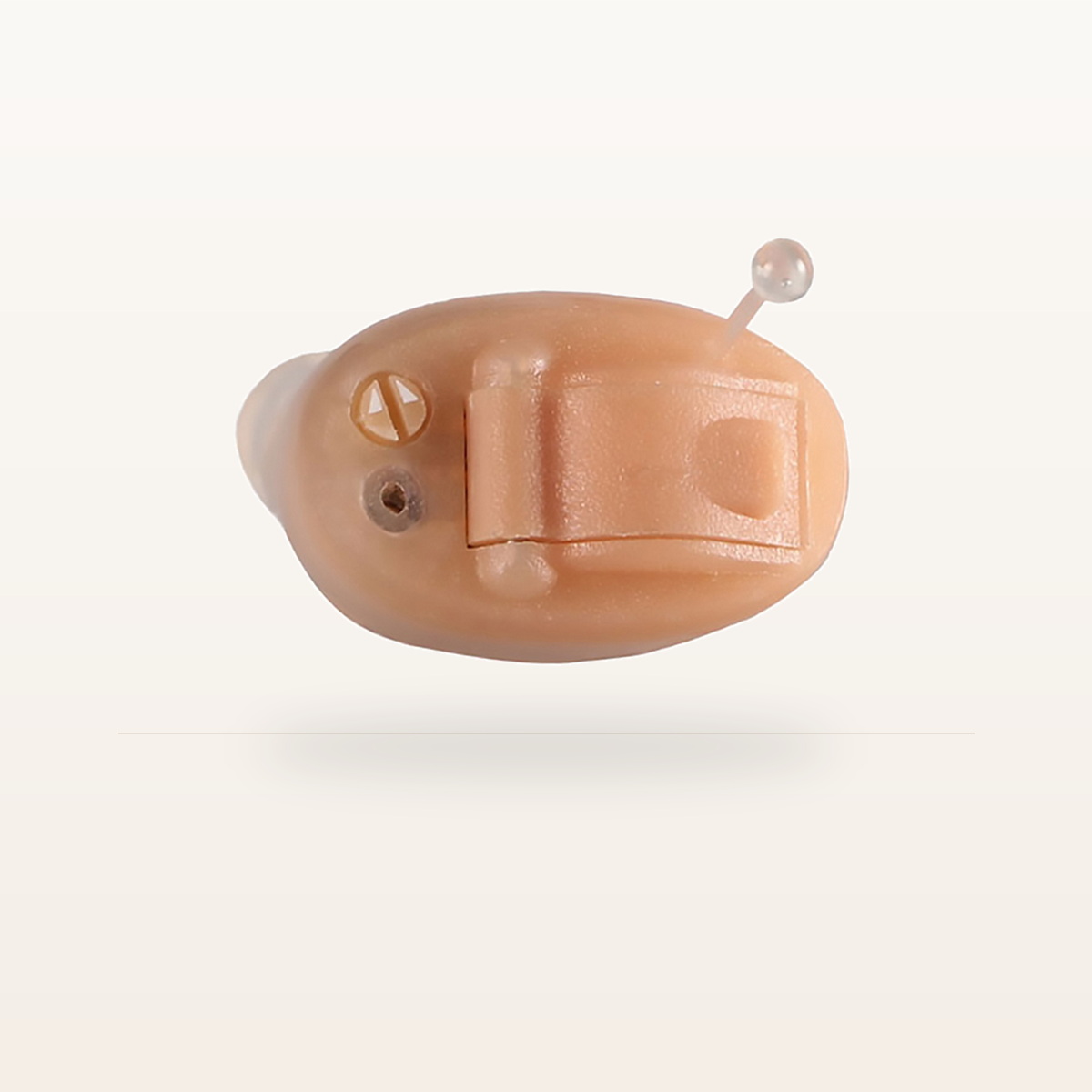
ITE hearing aids represent an optimal choice for individuals with mild to moderate hearing loss solutions needs. The compact design does not compromise functionality—these devices can amplify sound with precision and clarity that meets or exceeds expectations for this hearing loss category. Audiologists frequently recommend ITE models for patients in this range because the form factor accommodates the necessary amplification levels without requiring external components. The invisible hearing aid technology embedded in quality ITE devices ensures users receive consistent, dependable hearing support throughout their daily activities.
Custom ear canal hearing aids offer personalized acoustic tuning that adapts to the wearer's specific hearing profile. The direct placement within the ear canal positions the receiver closer to the eardrum, enabling efficient sound delivery and reducing the amplification power needed compared to other styles. This proximity also enhances natural sound perception, as users benefit from the ear's natural acoustics working in concert with the device's amplification. For individuals with mild to moderate hearing loss, this combination creates an ideal hearing correction solution.
The compact design of ITE hearing aids contributes significantly to long-term comfort and consistent use patterns. Because these devices are custom-molded to individual ear anatomy, they create a secure fit that reduces the need for adjustments throughout the day. Users often report that well-fitted ITE models feel less intrusive than larger alternatives, encouraging extended daily wear. This consistency in wearability translates to better hearing outcomes, as users experience continuous access to corrected sound rather than intermittent use of uncomfortable devices.
Comfort considerations extend beyond physical fit to include operational ease. Many modern ITE hearing aids feature intuitive volume controls and user-friendly interfaces that accommodate varying dexterity levels. The invisible hearing aid technology in contemporary ITE models often includes automatic adaptation features that adjust to different listening environments without requiring manual intervention. These user-centric design elements make ITE devices practical for individuals across age groups and experience levels with hearing technology.
ITE hearing aids demonstrate reliable performance across diverse real-world scenarios, from quiet conversational settings to moderately challenging acoustic environments. The custom ear canal hearing aids remain secure during physical activity, social engagement, and routine daily tasks. Users consistently report satisfaction with their ability to participate fully in conversations, enjoy entertainment, and maintain awareness of environmental sounds. The compact design proves particularly advantageous in professional settings where appearance matters, enabling individuals to engage fully in business interactions without concern about visible hearing devices.
The invisible hearing aid technology integrated into quality ITE models includes directional microphone capabilities that enhance speech clarity in moderately noisy environments. These devices can suppress background noise while prioritizing conversational speech, creating more natural and engaging listening experiences. For individuals managing mild to moderate hearing loss solutions, this functionality translates to improved quality of life and stronger social connections. Users often express surprise at how effectively their ITE devices handle challenging listening situations, reinforcing their satisfaction with this hearing aid style.
Research and user feedback consistently demonstrate high satisfaction rates among ITE hearing aid wearers. The combination of aesthetic appeal, comfort, and functional performance creates a compelling value proposition that encourages consistent device use. Users report improved confidence in social situations, better professional engagement, and enhanced overall quality of life. The compact design eliminates many barriers to hearing aid adoption, enabling individuals who previously resisted correction to embrace effective hearing solutions. This positive user experience contributes to better long-term health outcomes and sustained engagement with hearing care.
Custom ear canal hearing aids allow users to maintain control over their hearing care experience while benefiting from professional guidance. Audiologists can fine-tune ITE devices to address individual preferences regarding sound quality, volume levels, and acoustic characteristics. This personalization capability ensures that each user receives hearing support tailored to their unique needs and listening preferences. The combination of professional expertise and user agency creates a collaborative approach to hearing health that many find empowering and effective.
ITE hearing aids are optimally designed for mild to moderate hearing loss solutions. While some manufacturers produce larger custom ear canal hearing aids to accommodate more powerful amplification, individuals with severe hearing loss typically benefit from behind-the-ear models that offer greater amplification capability and battery capacity. Audiologists evaluate each patient's specific hearing profile to recommend the most appropriate device style, ensuring that selected hearing aids can deliver adequate amplification and functional benefit.
Invisible hearing aid technology relies on advanced miniaturization of digital processing components combined with strategic microphone and receiver placement within the ear canal. These devices use sophisticated algorithms to analyze incoming sound, amplify specific frequencies, and suppress unwanted noise—all within a space barely visible to outside observers. The custom ear canal hearing aids are precisely engineered for individual ear anatomy, enabling optimal acoustic performance despite their diminutive size. Digital signal processing allows for personalized sound tuning that adapts to various listening environments automatically.
ITE hearing aids require regular maintenance to ensure optimal performance and longevity. Users should clean their devices daily with a dry cloth and remove any earwax accumulation that could block the receiver opening. Battery replacement or recharging is necessary according to manufacturer specifications, typically ranging from daily to weekly depending on the battery type. Professional cleaning and inspection by an audiologist should occur periodically to address any internal moisture accumulation or component wear. Proper storage in a dry environment overnight helps preserve device functionality and extends the lifespan of critical components.
2026/07/24
Struggling with hearing aid OEM partnerships? Discover the 6 proven steps—from spec alignment to regulatory compliance—that drive product excellence & scalability.
2026/07/22
Discover how hearing aid OEM partnerships speed market entry, cut costs, and enable custom solutions while improving scalability, compliance & private label growth.
2026/07/20
Why are 78% of hearing aid startups choosing OEM manufacturing? Discover how outsourcing accelerates time-to-market, cuts CAPEX, ensures compliance & boosts scalability.
2026/07/16
What gives modern hearing aid factories an edge? Automation, custom production, biocompatible materials, distributor integration & global compliance.
2026/07/14
Discover why 78% of global audiology brands now prioritize long-term hearing aid factory partnerships for supply stability, compliance, and custom innovation.