EN
EN

What Are the Key Steps in a Successful Hearing Aid OEM Collaboration?
2026/07/24
Struggling with hearing aid OEM partnerships? Discover the 6 proven steps—from spec alignment to regulatory compliance—that drive product excellence & scalability.
2026/07/23
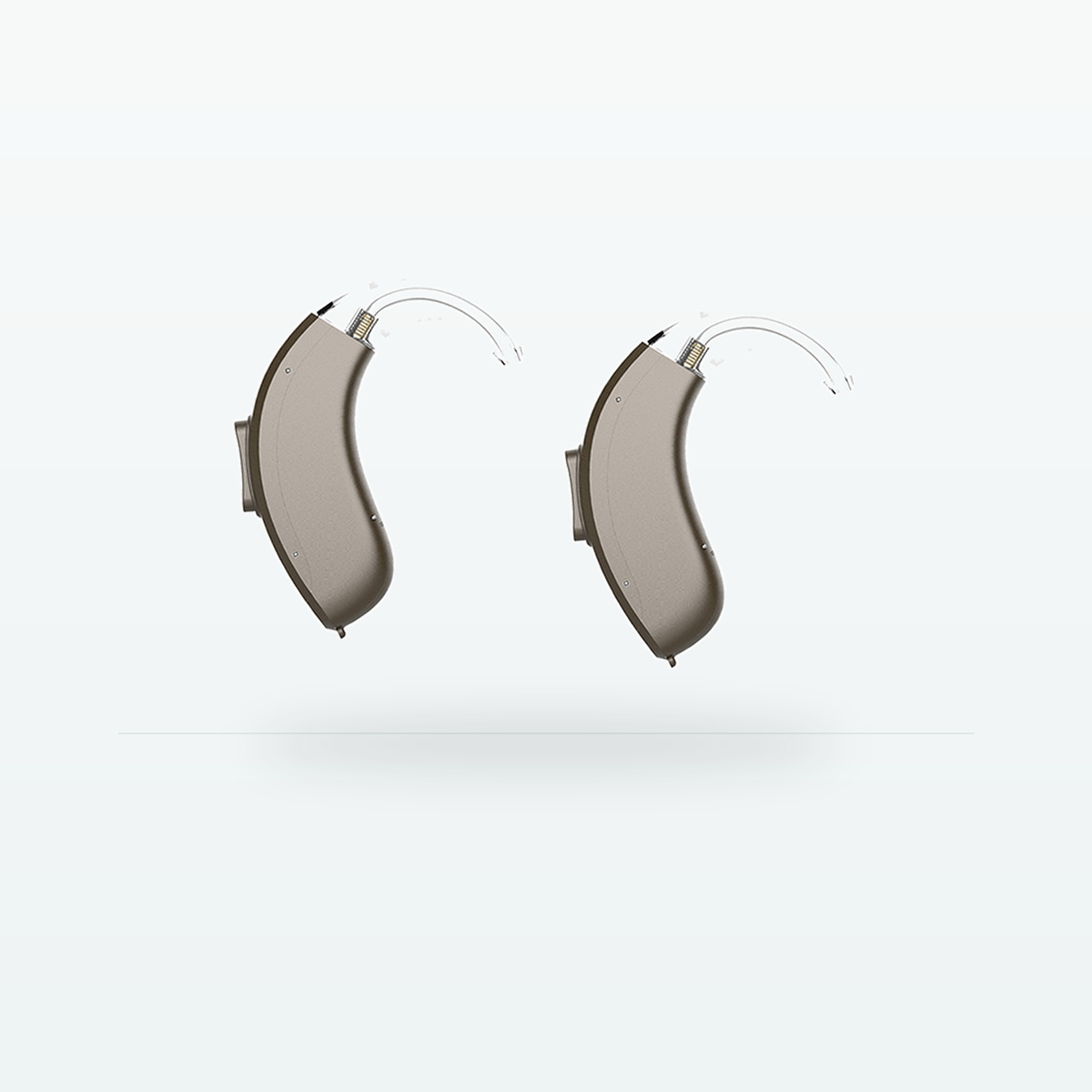
Distributors operating in the hearing aid market must develop a comprehensive understanding of bte hearing aids production to remain competitive and deliver value to end-users. Behind-the-ear hearing aid technology represents one of the most popular and versatile segments in the hearing solution industry, and knowing the production nuances, design considerations, and performance specifications directly impacts your ability to match devices with customer needs, troubleshoot problems, and build credibility with audiologists and hearing centers. This article explores critical production factors, battery systems, connectivity standards, and maintenance knowledge that distributors should master to maximize their market presence and customer satisfaction.
The production landscape for bte hearing aids involves precision manufacturing, quality control protocols, and adherence to medical device regulations that vary by region. Distributors must understand how different manufacturers approach component sourcing, acoustic tuning, and wireless integration to evaluate product quality and set realistic performance expectations with customers. Learning about production standards also helps distributors identify genuine, certified devices and protect their reputation against counterfeit or substandard alternatives that may damage trust in their supply chain.
BTE hearing aids follow a modular design philosophy where the main processor unit sits behind the ear, connected to an earpiece via a thin tube or receiver wire. This architecture offers several production advantages, including easier repairability, flexible battery options, and simplified component replacement. Manufacturers focus on miniaturizing circuits, optimizing power consumption, and integrating multiple hearing aid features into compact housings without sacrificing durability or acoustic performance. Distributors who understand this design rationale can better explain product longevity, repairability, and customization options to customers considering long-term investments in hearing solutions.
Legitimate bte hearing aids production facilities implement rigorous quality control measures, including acoustic testing, wireless signal validation, battery performance verification, and environmental stress testing. Devices must comply with FDA regulations in the United States, CE marking requirements in Europe, and similar standards in other regulated markets. Distributors should verify that manufacturers maintain proper certifications and conduct regular audits to ensure consistency across production batches. This knowledge helps distributors screen suppliers and build partnerships with producers committed to safety, reliability, and customer outcomes rather than cutting corners on manufacturing integrity.
Behind the ear hearing aid batteries remain a critical component that distributors must understand thoroughly. The most common option is disposable zinc-air batteries, available in standard sizes such as 10A, 13A, 312A, and 675A, each providing different runtime and power capacity based on device demand and usage patterns. Modern bte hearing aids also increasingly feature rechargeable lithium-ion battery systems that eliminate battery replacement, reduce waste, and provide consistent power delivery throughout the day. Distributors should stock appropriate battery sizes, educate customers on proper battery insertion, storage conditions to prevent premature discharge, and disposal protocols to minimize environmental impact.
Distributors must recognize that battery compatibility varies significantly across bte hearing aids models, and recommending the wrong size or type directly impacts customer satisfaction and device functionality. Advanced hearing aid features including wireless connectivity, digital sound processing, and background noise reduction increase power consumption and reduce battery runtime from typical seven to ten days for standard models down to four to six days for feature-rich devices. Behind the ear hearing aid batteries for high-drain models may require users to switch to larger battery sizes or adopt rechargeable systems, and distributors must communicate these trade-offs clearly. Providing battery compatibility charts and usage guidance helps reduce support calls and builds customer confidence in product selection decisions.
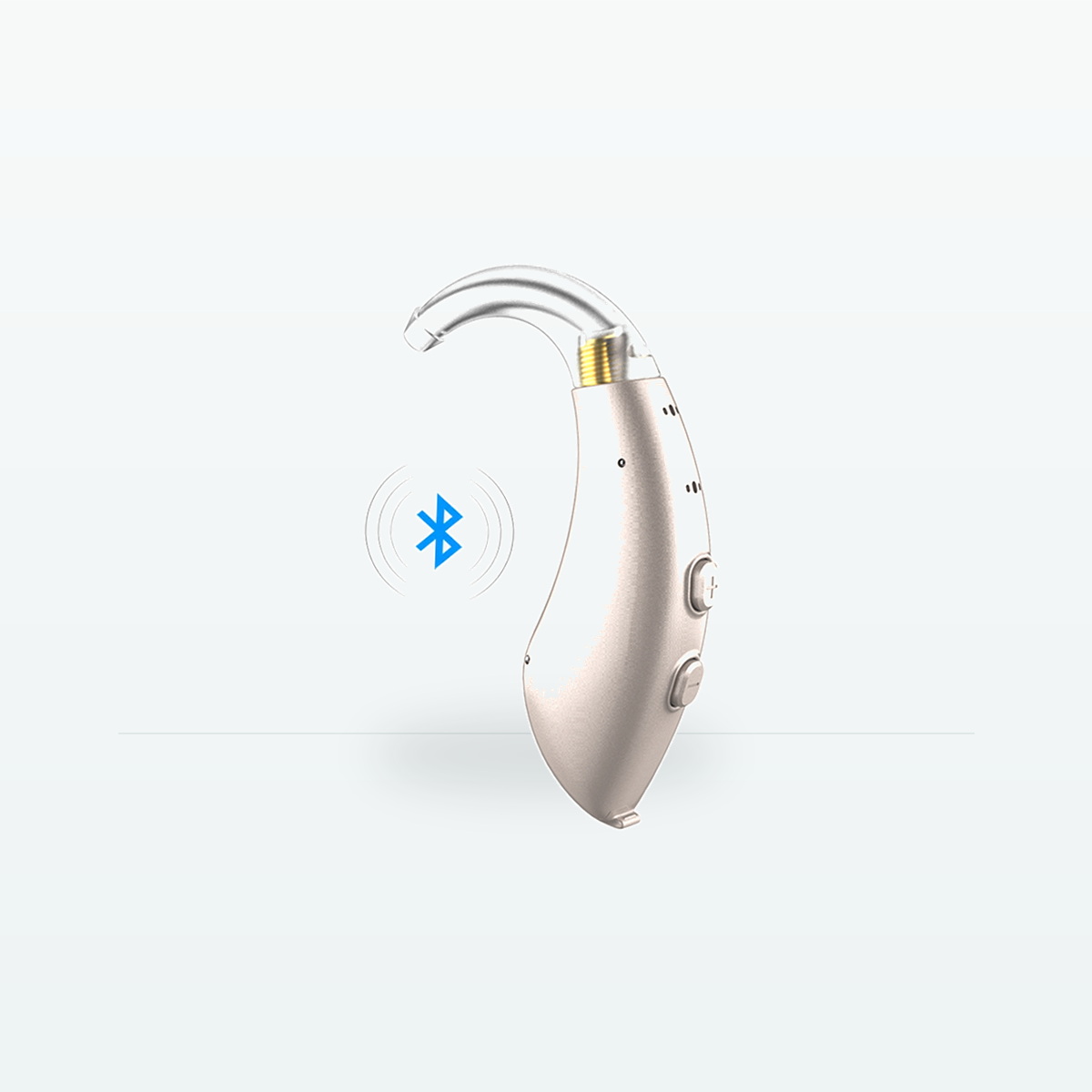
Modern bte hearing aids increasingly incorporate wireless connectivity features enabling direct audio streaming from smartphones, televisions, hearing aid apps, and other compatible devices. Connectivity typically uses 2.4 GHz wireless protocols such as Bluetooth Low Energy or proprietary formats optimized for reduced power consumption and reliable performance in hearing aid applications. Wireless bte hearing aid connectivity represents a major value differentiator, allowing users to stream phone calls, music, and environmental audio directly to their devices while minimizing background noise and enhancing speech clarity in complex listening environments. Distributors should understand compatibility requirements, pairing procedures, operating range limitations, and common connection issues to support customer setup and ongoing use of these advanced features.
Distributors encounter recurring bte hearing aid troubleshooting scenarios that require knowledge of both hardware mechanics and software functionality. Frequent problems include poor wireless connectivity resulting from interference, dead batteries, or outdated hearing aid apps; intermittent audio cutting out due to distance limitations or conflicting Bluetooth devices; and reduced sound quality caused by cerumen buildup in earpieces or tube obstruction. Systematic bte hearing aid troubleshooting involves verifying battery condition, checking device pairing status, confirming app versions are current, inspecting physical components for damage or blockages, and resetting connections as needed. Training distributors to diagnose these issues confidently reduces customer frustration, minimizes unnecessary returns, and establishes distributors as reliable technical resources in their markets.
Manufacturing quality, component selection, and assembly precision directly determine bte hearing aids durability and long-term performance. Reputable producers invest in automated testing, use medical-grade materials resistant to moisture and thermal stress, and implement strict quality assurance protocols at each production stage. Distributors should prioritize suppliers maintaining ISO certifications, conducting third-party audits, and offering warranty programs backed by robust repair infrastructure, as these indicators signal commitment to reliability and customer support.
Behind the ear hearing aid batteries should be stored in cool, dry environments away from direct sunlight and moisture, as exposure accelerates discharge and reduces usable lifespan. Customers should avoid mixing old and new batteries, store unused batteries in original packaging, and remove batteries when not wearing devices for extended periods. Distributors should stock multiple battery sizes, maintain inventory rotation to ensure freshness, and provide clear labeling and usage instructions that customers can reference when replacing batteries independently at home.
Systematic troubleshooting begins by confirming the hearing aid battery is fresh and the device is powered on, then unpair and re-pair the device through the hearing aid app, restart both the hearing aid and the connected smartphone, and verify no other Bluetooth devices are interfering with the connection. If problems persist, updating the hearing aid app and device firmware often resolves compatibility issues, and as a final step, users should move closer to the audio source to rule out operating range limitations. Distributors offering clear troubleshooting guidance help customers resolve wireless bte hearing aid connectivity issues quickly and maintain confidence in their devices.
2026/07/24
Struggling with hearing aid OEM partnerships? Discover the 6 proven steps—from spec alignment to regulatory compliance—that drive product excellence & scalability.
2026/07/22
Discover how hearing aid OEM partnerships speed market entry, cut costs, and enable custom solutions while improving scalability, compliance & private label growth.
2026/07/20
Why are 78% of hearing aid startups choosing OEM manufacturing? Discover how outsourcing accelerates time-to-market, cuts CAPEX, ensures compliance & boosts scalability.
2026/07/16
What gives modern hearing aid factories an edge? Automation, custom production, biocompatible materials, distributor integration & global compliance.
2026/07/14
Discover why 78% of global audiology brands now prioritize long-term hearing aid factory partnerships for supply stability, compliance, and custom innovation.