EN
EN

What Are the Key Steps in a Successful Hearing Aid OEM Collaboration?
2026/07/24
Struggling with hearing aid OEM partnerships? Discover the 6 proven steps—from spec alignment to regulatory compliance—that drive product excellence & scalability.
2026/07/30
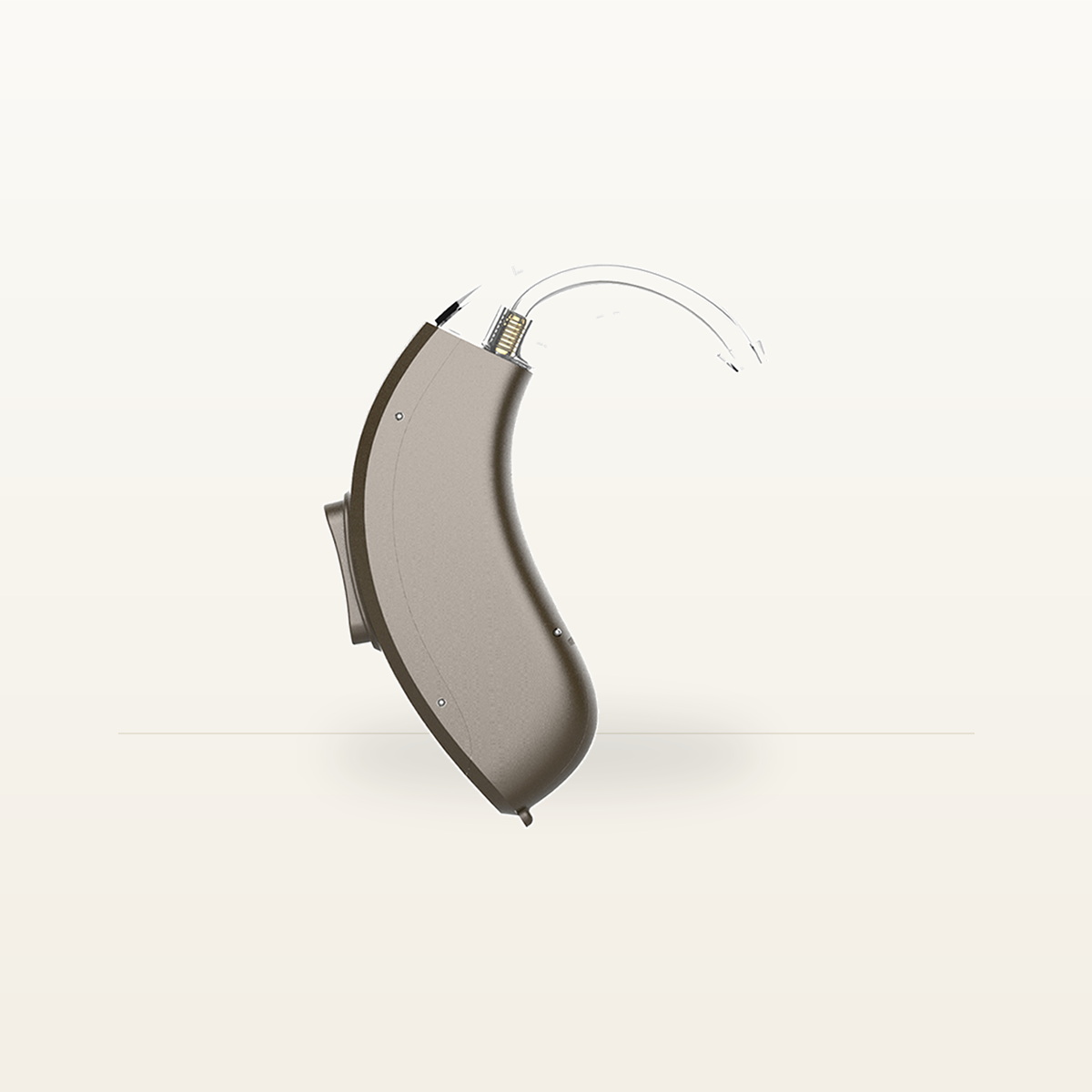
Over-the-counter hearing aids represent a significant shift in how people access hearing loss support and management. Unlike traditional prescription hearing aids that require extensive professional fitting and adjustment, otc hearing aids offer a more accessible entry point for individuals experiencing mild to moderate hearing loss. These devices are designed to amplify sound and help users engage more fully with conversations, entertainment, and daily activities without the barriers of cost, wait times, or complex appointment scheduling.
The emergence of over-the-counter hearing aids reflects regulatory approval and clinical recognition that many individuals with mild to moderate hearing loss can benefit from self-fitted devices. These affordable hearing loss solutions eliminate intermediaries, reduce overhead costs, and empower users to take control of their hearing health journey. Understanding what otc hearing aids are, how they function, and what hearing aid fitting and adjustment processes involve is essential for making informed decisions about your hearing support needs.
OTC hearing aids are amplification devices available directly to consumers without requiring a prescription, clinical evaluation, or professional fitting appointment. These best hearing aids for mild to moderate hearing loss use digital sound processing to detect environmental sounds, amplify specific frequencies, and deliver clearer audio to the user's ears. The devices typically feature rechargeable batteries, wireless connectivity, and customizable settings that allow users to adjust volume and tone based on their immediate listening environment and personal preferences.
The key distinction between otc hearing aids and prescription models lies in regulatory classification and delivery method. Prescription hearing aids require an audiologist's involvement in the fitting and adjustment process, often resulting in higher costs and longer wait times. In contrast, affordable hearing loss solutions available over-the-counter streamline the process, allowing users to purchase, fit, and adjust their devices independently or with minimal professional guidance. This accessibility has opened hearing support to individuals who previously faced financial or logistical barriers.
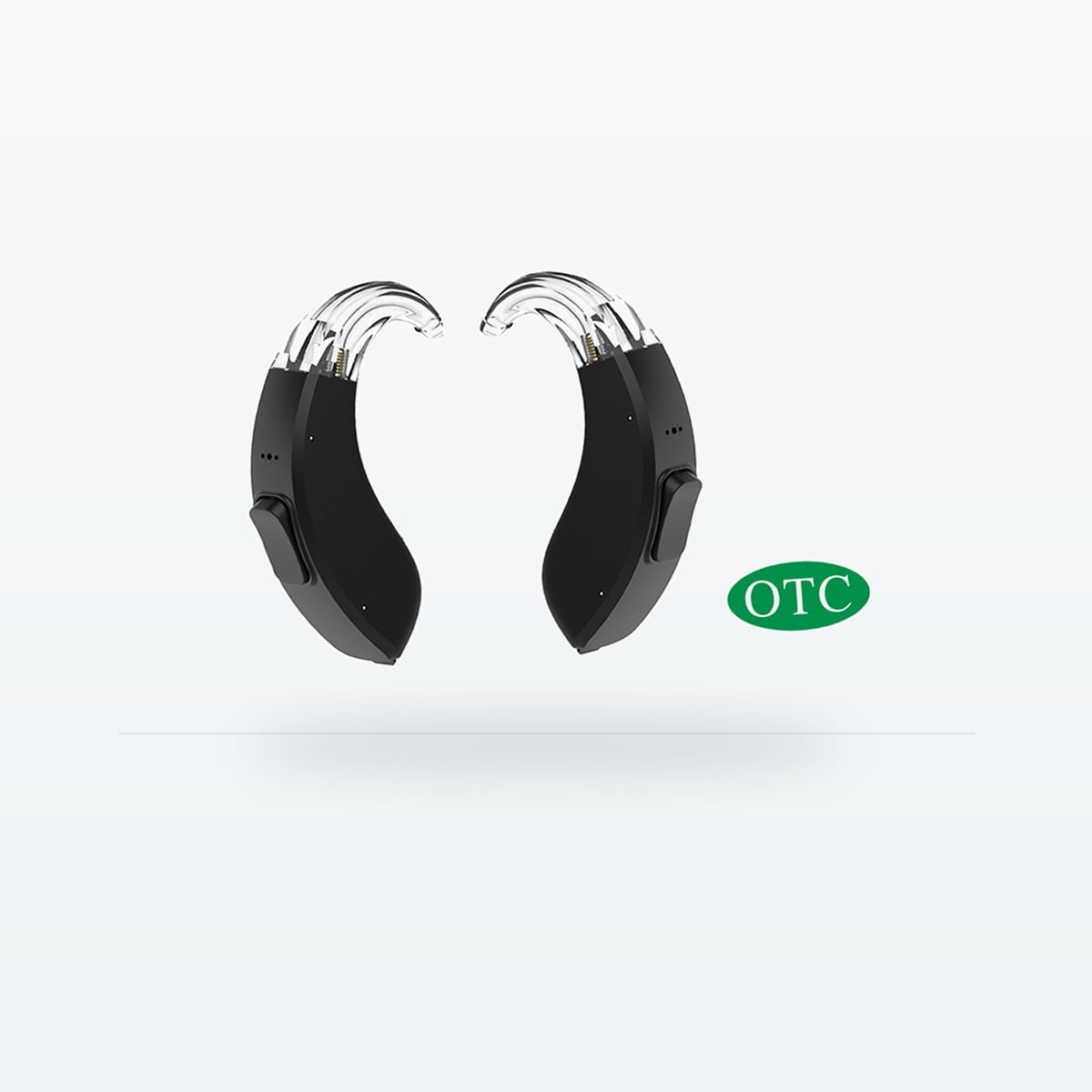
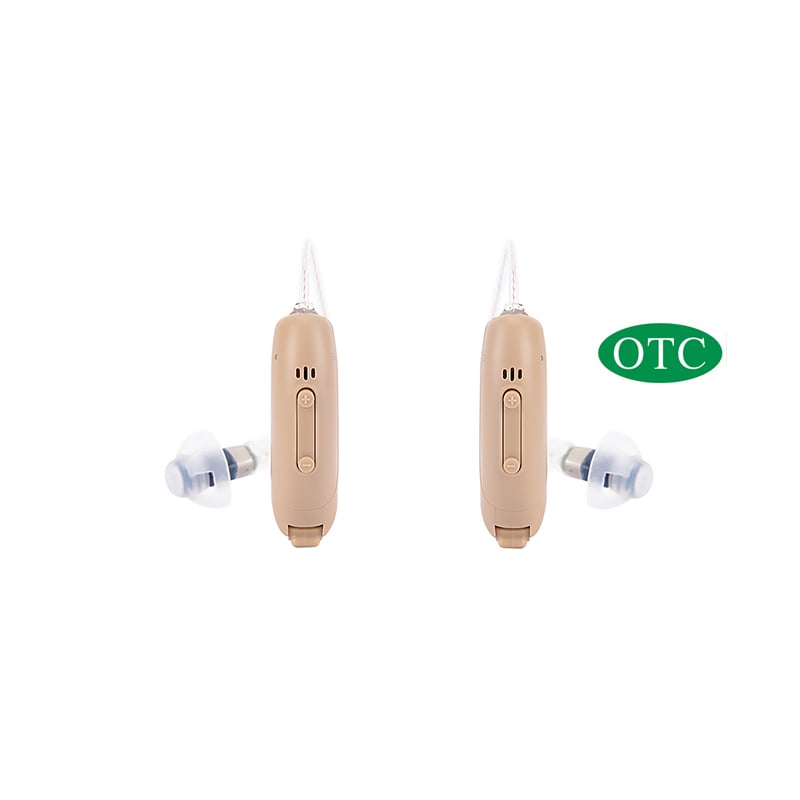
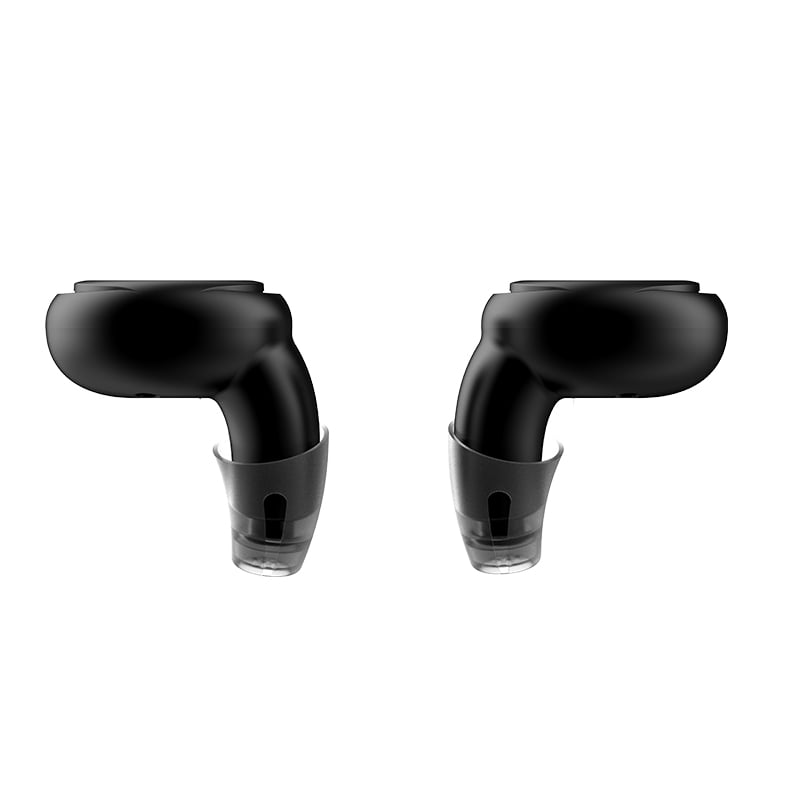
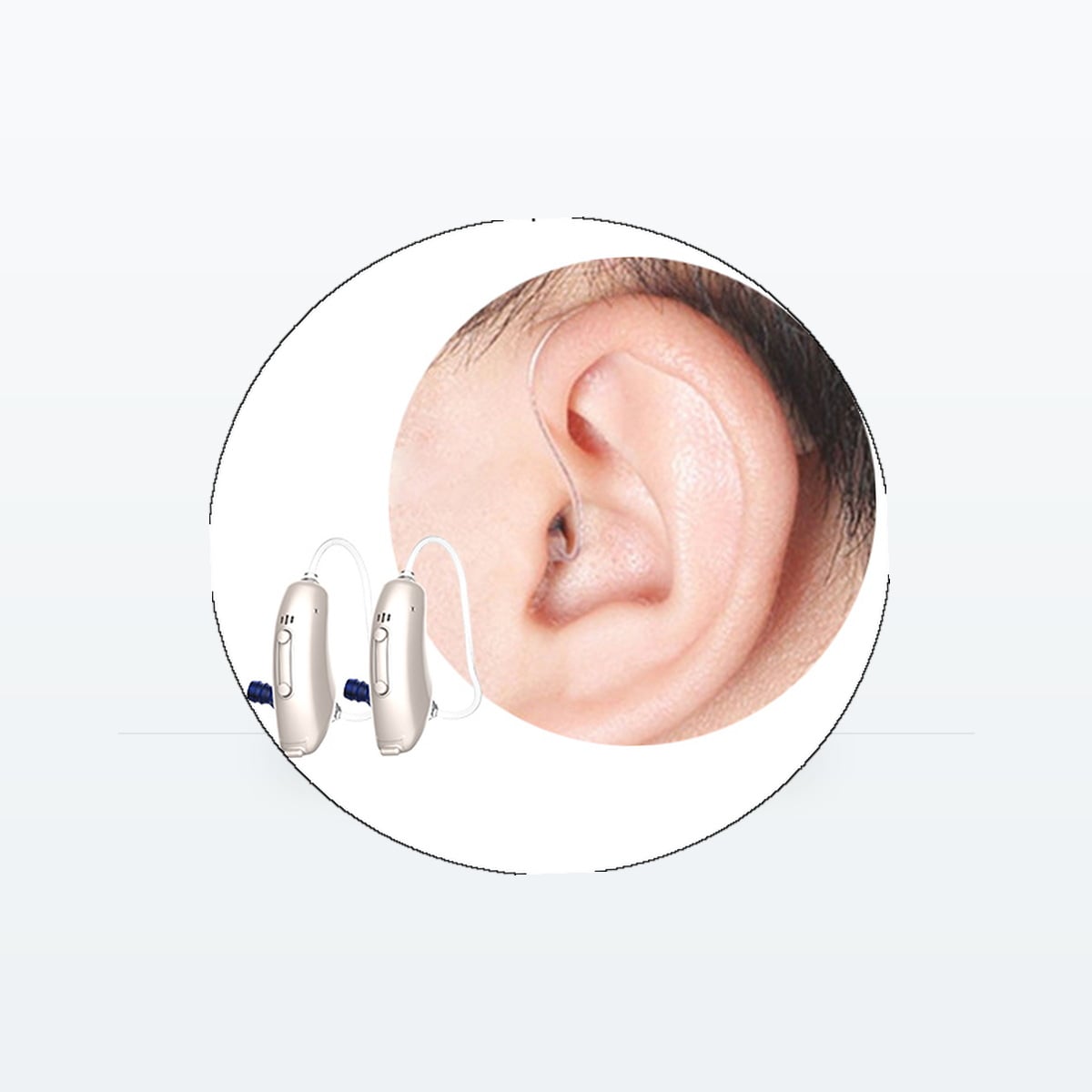
OTC hearing aids come in multiple form factors to suit different preferences, hearing loss patterns, and lifestyle needs. Behind-the-ear models offer robust sound processing and longer battery life, making them popular for active individuals. In-the-ear designs provide discretion and comfort for users concerned about visibility. Receiver-in-canal styles combine the benefits of both approaches by placing sound delivery directly in the ear canal while keeping the processor compact and behind the ear. Understanding which style aligns with your hearing pattern and daily routine is part of effective hearing aid fitting and adjustment.
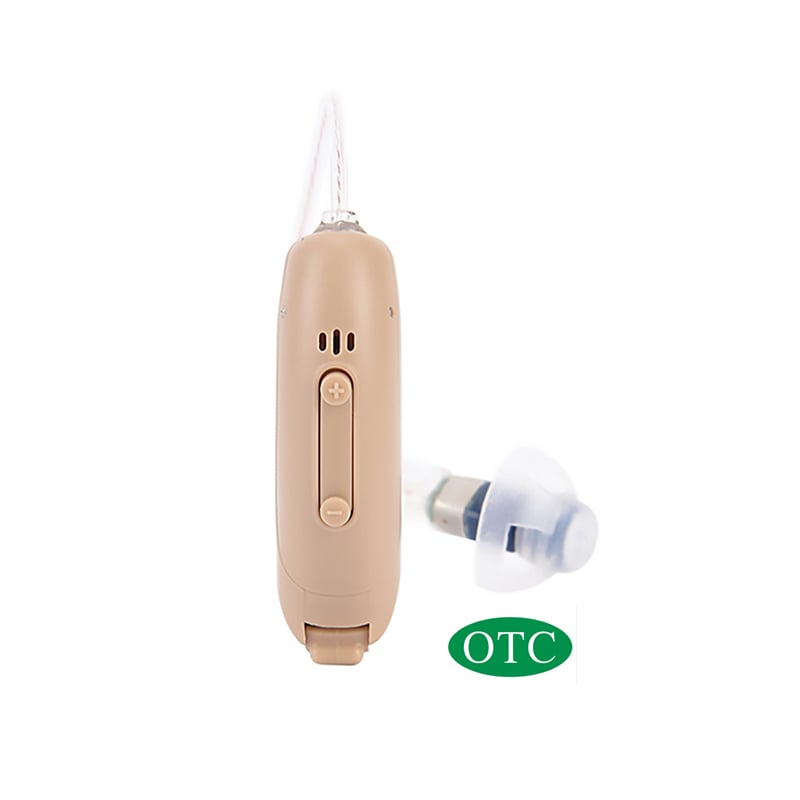
Each design style influences how the device amplifies sound and how snugly it fits in your ear. Over-the-counter hearing aids include multiple ear dome sizes to accommodate different ear canal shapes, ensuring comfort during extended wear. The physical fit affects sound quality, feedback reduction, and overall satisfaction with the device, making proper fitting a critical step in the user experience.
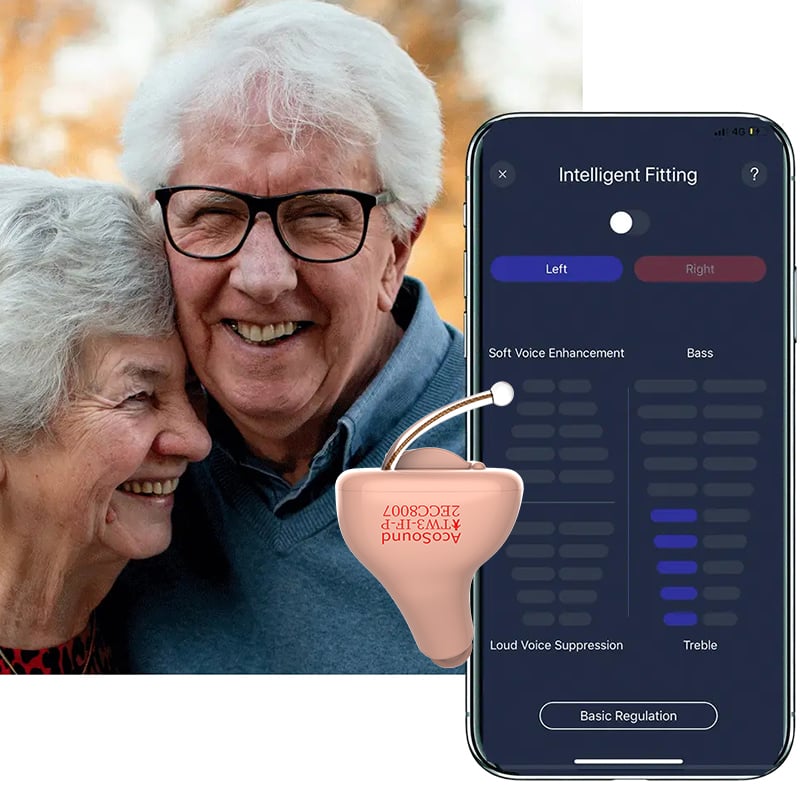
OTC hearing aids use digital signal processing to selectively amplify frequencies where hearing loss is most pronounced. The devices analyze incoming sound in real time, identify speech patterns, and enhance clarity while minimizing background noise—a function known as noise reduction. For individuals with mild to moderate hearing loss, this targeted amplification helps restore access to conversation at normal volumes and makes television, phone calls, and social gatherings more enjoyable and less fatiguing.
Advanced models include directional microphones that focus on sound coming from the front while reducing noise from behind, a feature especially valuable in crowded environments. Many affordable hearing loss solutions also offer frequency-specific adjustment through companion mobile apps, allowing users to fine-tune their hearing aid fitting and adjustment settings without technical expertise. This flexibility ensures that the device continues to meet the user's evolving needs across different listening situations.
The availability of otc hearing aids has democratized hearing support by removing gatekeeping elements and placing decisions directly in users' hands. Individuals can purchase devices immediately, begin wearing them within hours, and adjust settings at their own pace. This rapid access to best hearing aids for mild to moderate hearing loss encourages earlier intervention, which clinical evidence suggests leads to better outcomes in speech comprehension and social engagement. Users gain autonomy over their hearing journey and avoid delays caused by appointment scheduling or insurance authorization processes.
Beyond convenience, affordable hearing loss solutions reduce the stigma associated with hearing aids by normalizing their use in everyday life. When devices are affordable, accessible, and easy to use, more people pursue hearing support proactively rather than waiting until hearing loss severely impacts quality of life. This shift promotes a culture where seeking hearing aid fitting and adjustment assistance is seen as responsible self-care rather than a last resort.
Most otc hearing aids include intuitive setup guides and mobile apps that walk users through initial fitting and adjustment steps. The process typically involves selecting ear dome sizes, powering on the device, and connecting it to a smartphone for customization. Many best hearing aids for mild to moderate hearing loss include preset sound profiles for common environments like offices, restaurants, and outdoor settings, allowing users to start with professional-grade configurations before making personal adjustments. This guided approach makes hearing aid fitting and adjustment accessible to users without technical background or prior experience with amplification devices.
Initial wear should be gradual, starting with quieter environments and shorter durations to allow ears to adapt to amplification. Users often experience improvement in hearing perception within the first few days as their auditory system adjusts to the restored sound information. Affordable hearing loss solutions typically allow real-time adjustment of volume and tone through apps, giving users immediate feedback on how settings changes affect their listening experience.
Effective hearing aid fitting and adjustment is not a one-time event but an evolving process. As users wear their otc hearing aids across diverse situations—quiet home environments, busy social venues, and outdoor settings—they gather data about which settings deliver the clearest, most comfortable amplification. Many devices track usage patterns and allow users to create custom profiles for specific locations or activities, automating the hearing aid fitting and adjustment based on context.
Users experiencing challenges with best hearing aids for mild to moderate hearing loss should consult online support resources, user communities, or optionally seek guidance from hearing professionals. Many retailers offering affordable hearing loss solutions provide phone or chat support to help users troubleshoot issues and optimize their settings. Regular cleaning and maintenance of the device ensures consistent performance and extends battery life, supporting long-term hearing support success.
OTC hearing aids are specifically designed to address mild to moderate hearing loss, particularly age-related and noise-induced hearing loss affecting higher frequencies. These affordable hearing loss solutions work best when hearing thresholds fall within the recommended range for over-the-counter amplification. Individuals with severe hearing loss, single-sided deafness, or hearing loss with unusual frequency patterns may require prescription devices with more sophisticated fitting and adjustment capabilities. A baseline hearing assessment, even self-administered online, helps determine whether otc hearing aids are appropriate for your specific situation.
While professional hearing aid fitting and adjustment has historically been the standard, many users achieve excellent results with otc hearing aids through careful self-fitting and ongoing personalized adjustment. The mobile app guidance, preset profiles, and intuitive controls built into best hearing aids for mild to moderate hearing loss empower users to achieve professional-quality outcomes independently. However, some users benefit from a single consultation with a hearing professional to validate their fitting and adjustment settings, particularly if they experience discomfort or suboptimal results. The flexibility of otc hearing aids allows users to start independently and seek professional guidance only when needed.
OTC hearing aids typically cost 50 to 75 percent less than prescription alternatives because they eliminate audiologist appointments, professional fitting and adjustment fees, and associated administrative overhead. Affordable hearing loss solutions available over-the-counter range from several hundred to around two thousand dollars, depending on features and brand, compared to four thousand to six thousand dollars for traditional prescription hearing aids. This price difference makes otc hearing aids accessible to individuals whose hearing loss would otherwise go untreated due to cost barriers, democratizing access to quality sound amplification and hearing support.
2026/07/24
Struggling with hearing aid OEM partnerships? Discover the 6 proven steps—from spec alignment to regulatory compliance—that drive product excellence & scalability.
2026/07/22
Discover how hearing aid OEM partnerships speed market entry, cut costs, and enable custom solutions while improving scalability, compliance & private label growth.
2026/07/20
Why are 78% of hearing aid startups choosing OEM manufacturing? Discover how outsourcing accelerates time-to-market, cuts CAPEX, ensures compliance & boosts scalability.
2026/07/16
What gives modern hearing aid factories an edge? Automation, custom production, biocompatible materials, distributor integration & global compliance.
2026/07/14
Discover why 78% of global audiology brands now prioritize long-term hearing aid factory partnerships for supply stability, compliance, and custom innovation.