EN
EN

What Are the Key Steps in a Successful Hearing Aid OEM Collaboration?
2026/07/24
Struggling with hearing aid OEM partnerships? Discover the 6 proven steps—from spec alignment to regulatory compliance—that drive product excellence & scalability.
2026/08/07
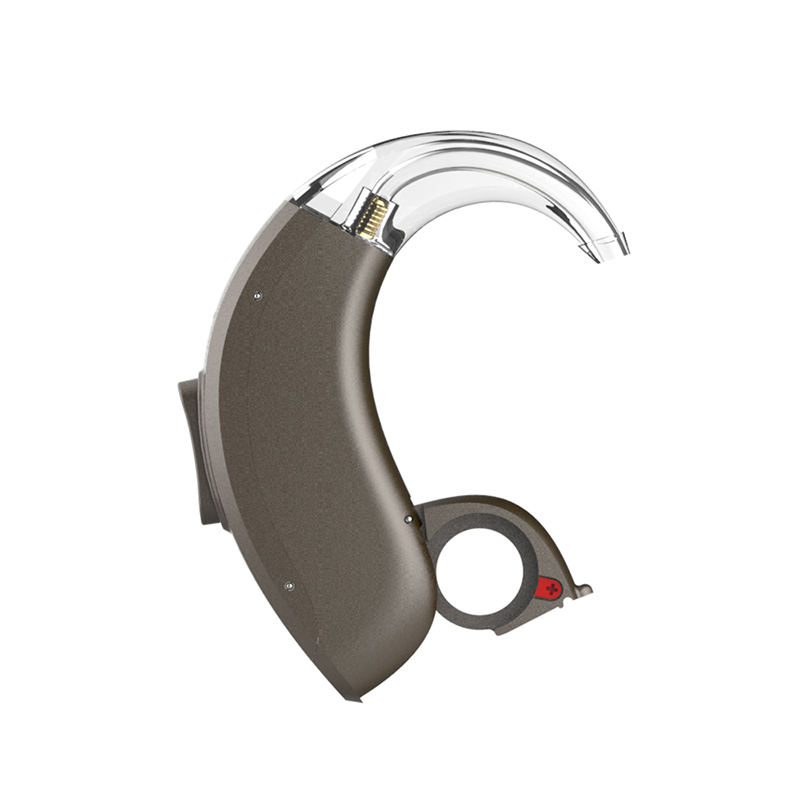
Understanding how noise-cancelling hearing aids enhance communication in noisy environments is essential for anyone struggling with hearing clarity. Modern hearing aids equipped with advanced noise reduction technology are specifically designed to isolate speech signals while suppressing background sound, making conversations in restaurants, offices, and crowded spaces significantly more intelligible. This targeted approach to sound processing addresses one of the most common complaints among hearing aid users: the difficulty of understanding speech when multiple sound sources compete for attention
The science behind effective speech enhancement in busy settings relies on sophisticated signal processing algorithms and hardware innovation. Noise-cancelling hearing aids detect speech patterns through their directional microphone hearing aids configuration, which captures sound from specific directions while reducing interference from peripheral noise. This technology, combined with feedback suppression technology and real-time filtering, creates a listening experience that prioritizes human voice frequencies while minimizing distraction from environmental noise.
Directional microphone hearing aids function through multi-microphone arrays that detect sound directionality and phase relationships. These systems process incoming audio streams to identify which signals originate from the front of the wearer, typically where a conversation partner stands, and which come from surrounding areas. By applying gain differently to front-facing and peripheral sound sources, directional microphone hearing aids effectively reduce environmental noise while preserving speaker clarity.
The brain naturally interprets sound from multiple microphones as three-dimensional spatial information. When noise-cancelling hearing aids employ directional microphone arrays, they replicate this biological advantage, allowing users to maintain conversation focus even in crowded venues. This adaptive processing continuously monitors the acoustic environment and adjusts sensitivity patterns automatically, ensuring that speech remains the dominant perceived signal regardless of background noise intensity.
Advanced hearing aids offer multiple directional modes that users can switch between depending on their environment. Some configurations provide omnidirectional pickup for situations requiring full environmental awareness, while tighter directional patterns suit highly noisy settings. Noise-cancelling hearing aids with machine learning capabilities learn user preferences over time, automatically selecting optimal directional configurations based on acoustic patterns and user behavior history.
Real-time adjustment ensures that directional microphone hearing aids remain responsive to changing acoustic conditions. When a user moves from a quiet conference room into a busy café, the hearing aid's adaptive algorithm shifts processing strategies within milliseconds, maintaining speech intelligibility without requiring manual adjustment. This seamless transition between modes significantly improves user confidence in challenging auditory environments.
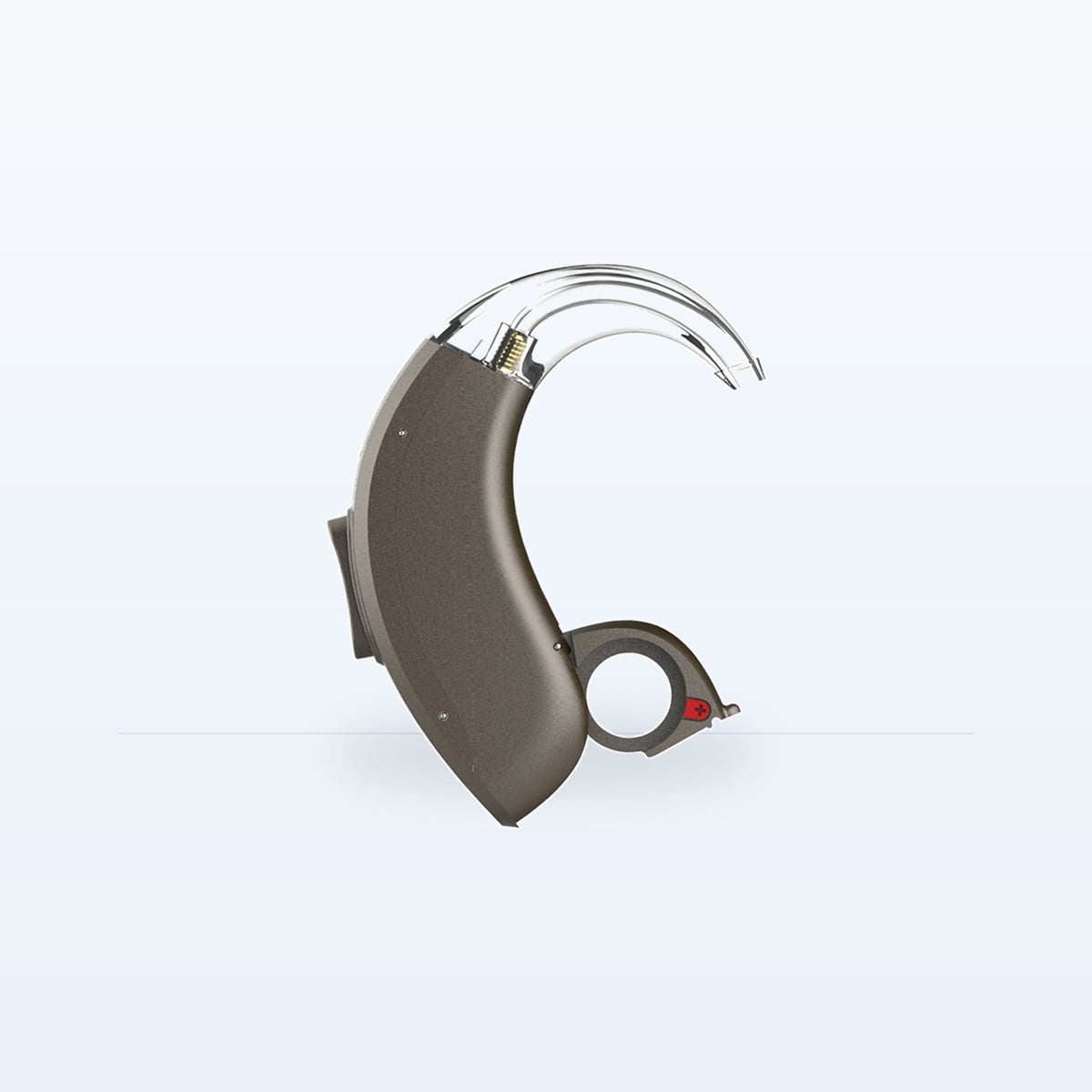
Feedback suppression technology addresses one of the most problematic side effects of amplification: the whistling or squealing sound that occurs when amplified audio re-enters the microphone. In noise-cancelling hearing aids, feedback suppression operates through multiple mechanisms including phase inversion, notch filtering, and predictive amplitude control. These systems detect the frequency and phase characteristics of emerging feedback signals and apply corrective measures before they reach audible levels.
By eliminating feedback artifacts, hearing aids can operate at higher overall gain levels without acoustic complications. This capability becomes especially valuable in noisy environments where users require substantial amplification to maintain speech intelligibility. Feedback suppression technology makes it possible for noise-cancelling hearing aids to deliver robust amplification in busy settings without the user experience being disrupted by unwanted sounds.
When feedback suppression technology operates effectively, users experience a significant improvement in their ability to focus on conversation. Without distraction from feedback artifacts, the brain can dedicate more cognitive resources to speech processing and language comprehension. Studies indicate that users of advanced noise-cancelling hearing aids with robust feedback suppression report higher communication confidence and reduced listening fatigue, particularly in extended conversations within noisy environments.
The relationship between feedback suppression and overall hearing aid satisfaction is substantial. Hearing aids that fail to effectively manage feedback create negative user experiences that can lead to device abandonment. Conversely, noise-cancelling hearing aids with sophisticated feedback suppression technology consistently demonstrate higher wearing compliance and user satisfaction ratings, making these features essential components of modern hearing aid design.
Professionals working in open office environments benefit significantly from noise-cancelling hearing aids, which allow them to participate in meetings and phone calls without the background distraction of keyboard typing, conversation from nearby desks, or HVAC system noise. Tinnitus relief hearing aids often incorporate these same noise reduction technologies, as environmental noise masking can reduce the perceived loudness of internal tinnitus sounds. Users report improved work performance and reduced end-of-day fatigue when wearing hearing aids specifically designed for complex acoustic environments.
Social situations like dining at restaurants or attending family gatherings present particular challenges for hearing aid users. Noise-cancelling hearing aids address these scenarios through their ability to prioritize nearby speech while suppressing the broader sound field. Directional microphone hearing aids excel in these settings, capturing the voices of close conversation partners while reducing the cumulative effect of distant ambient noise that creates the characteristic restaurant cacophony.
Long-term studies of noise-cancelling hearing aids demonstrate that users develop improved communication strategies when their devices reliably enhance speech in challenging acoustic spaces. As users gain confidence in their devices' capabilities, they increase their social participation and engagement in activities they may have previously avoided due to hearing difficulties. This behavioral adaptation represents a significant quality-of-life improvement beyond the direct acoustic benefits of noise reduction.
The cumulative effect of consistent access to clear speech in noisy environments contributes to better cognitive health outcomes. Research suggests that maintaining active social engagement and conversation, enabled by effective noise-cancelling hearing aids, supports long-term cognitive function and reduces isolation risk. This broader health impact underscores why investing in high-quality hearing aids with proven noise reduction capability represents a meaningful healthcare decision.
Noise-cancelling hearing aids significantly reduce background noise but cannot eliminate it entirely. The goal of directional microphone hearing aids is to create a listening environment where speech becomes intelligible despite ambient sound, not to achieve total silence. Residual environmental awareness actually remains important for safety and orientation, so complete noise elimination would not be desirable. Advanced feedback suppression technology helps these devices maintain clarity while preserving essential environmental awareness.
Directional microphone hearing aids excel in noisy, defined acoustic spaces where speech originates from a specific direction, such as a conversation with someone across a table. Omnidirectional modes work better in relatively quiet environments or when the user needs awareness of sounds from all directions. Most modern noise-cancelling hearing aids offer switchable modes, allowing users to select the configuration that matches their current environment. Tinnitus relief hearing aids often default to directional modes since maintaining focused listening reduces perception of internal sounds.
While feedback suppression technology has become common in contemporary hearing aids, the sophistication and effectiveness vary significantly across different manufacturers and price points. Entry-level noise-cancelling hearing aids typically include basic feedback suppression, but premium models incorporate advanced algorithms that provide superior performance in challenging conditions. When selecting hearing aids, specifically inquire about the feedback suppression capabilities and ask for demonstrations in noisy environments to ensure the technology meets your communication needs.
2026/07/24
Struggling with hearing aid OEM partnerships? Discover the 6 proven steps—from spec alignment to regulatory compliance—that drive product excellence & scalability.
2026/07/22
Discover how hearing aid OEM partnerships speed market entry, cut costs, and enable custom solutions while improving scalability, compliance & private label growth.
2026/07/20
Why are 78% of hearing aid startups choosing OEM manufacturing? Discover how outsourcing accelerates time-to-market, cuts CAPEX, ensures compliance & boosts scalability.
2026/07/16
What gives modern hearing aid factories an edge? Automation, custom production, biocompatible materials, distributor integration & global compliance.
2026/07/14
Discover why 78% of global audiology brands now prioritize long-term hearing aid factory partnerships for supply stability, compliance, and custom innovation.