EN
EN

What Are the Key Steps in a Successful Hearing Aid OEM Collaboration?
2026/07/24
Struggling with hearing aid OEM partnerships? Discover the 6 proven steps—from spec alignment to regulatory compliance—that drive product excellence & scalability.
2026/07/22
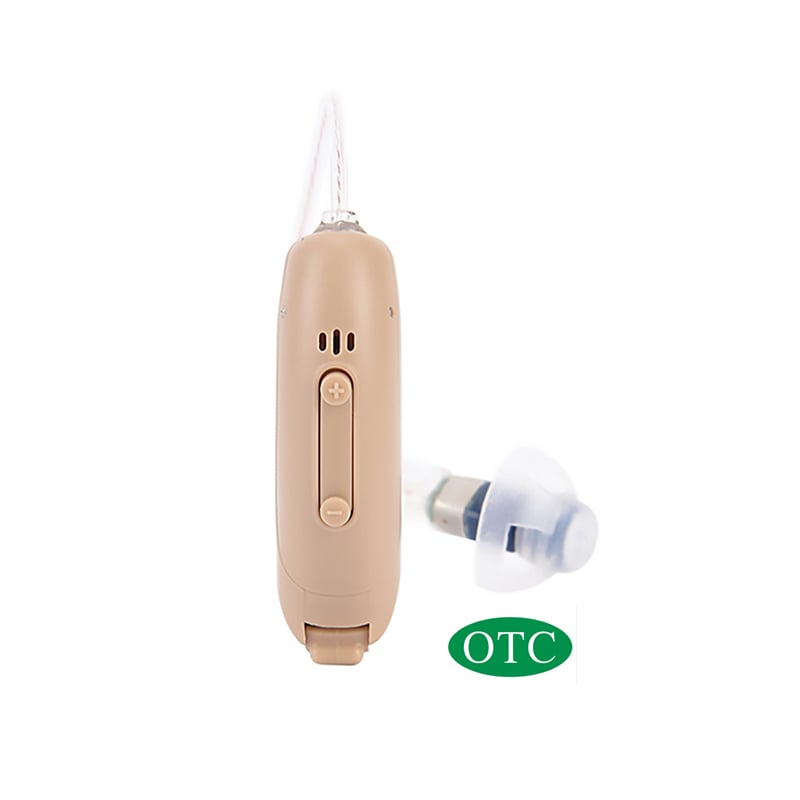
Private label businesses in the hearing aid industry face significant growth opportunities when they partner with an established hearing aid oem manufacturer. These partnerships provide access to proven technology, streamlined operations, and the expertise needed to scale production without heavy capital investment in manufacturing infrastructure. Understanding how OEM support works is essential for any distributor or retailer looking to expand their private label offerings into new markets.
The hearing aid manufacturing process has become increasingly complex, requiring precision engineering, regulatory compliance, and deep technical knowledge. When a private label partner works with a dedicated hearing aid oem supplier, they gain immediate access to this specialized expertise. Rather than investing years in research and development or struggling to navigate manufacturing challenges independently, businesses can leverage established supply chains, proven design frameworks, and quality assurance protocols that have already been refined through years of production experience.
One of the most compelling reasons to partner with a hearing aid oem provider is the dramatic reduction in time to market. Private label companies can introduce new hearing aid models without waiting for lengthy internal development cycles. The hearing aid manufacturing process is streamlined when you work with an established manufacturer who already has design templates, component validation processes, and regulatory documentation prepared. This acceleration directly translates into revenue generation within months rather than years, allowing private label businesses to capture market share while competitors are still planning their product strategies.
OEM manufacturers maintain relationships with hearing aid component suppliers across the globe, ensuring consistent material sourcing and production efficiency. This network eliminates the discovery phase that would otherwise delay independent manufacturers. Custom hearing aid solutions can be developed and deployed quickly because the manufacturing framework already exists and has been optimized for scalability.
Building hearing aid manufacturing capacity from scratch requires enormous capital expenditure for equipment, facility construction, quality control systems, and certification processes. By partnering with an experienced hearing aid oem, private label businesses preserve their capital for sales, marketing, and customer acquisition instead. The hearing aid manufacturing process involves complex machinery and specialized labor that can be cost-prohibitive for smaller organizations to develop independently. OEM partnerships convert fixed capital costs into variable operational costs, providing better financial flexibility during market fluctuations.
Custom hearing aid solutions delivered through OEM partnerships also provide pricing advantages. Volume discounts on hearing aid component suppliers and shared manufacturing overhead result in lower per-unit production costs, which improves profit margins and allows competitive pricing in the market.
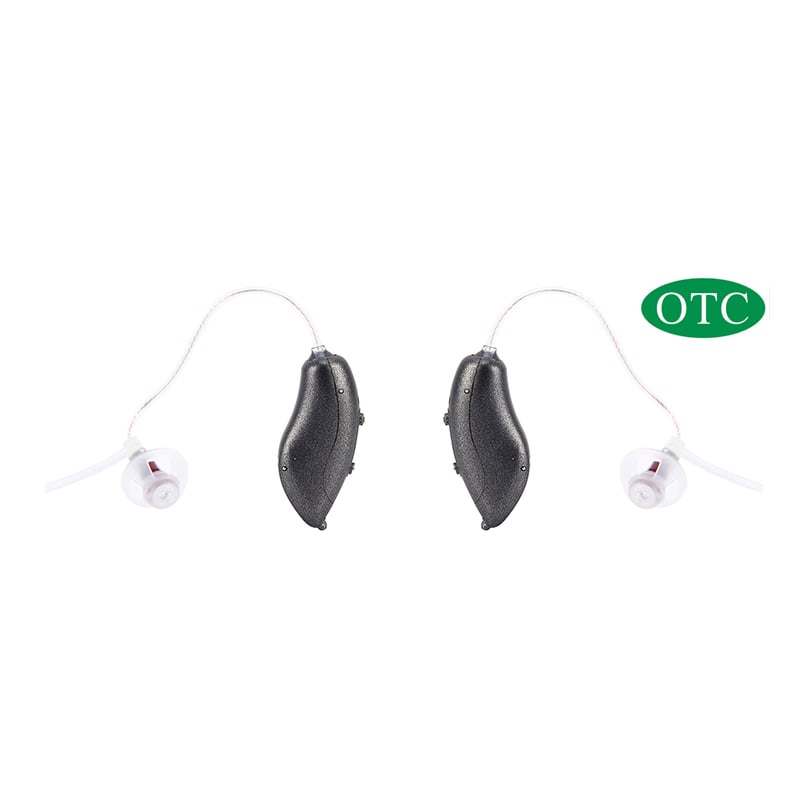
A reputable hearing aid oem manufacturer offers modular design frameworks that enable customization without requiring complete product redesigns. Private label partners can adjust firmware, cosmetic features, acoustic performance, and connectivity options to match their brand identity and target customer preferences. The hearing aid manufacturing process allows for these variations because the core engineering platform remains consistent, reducing complexity and production cost while maintaining quality standards.
Custom hearing aid solutions extend beyond simple cosmetic changes. OEM partners work with private label businesses to develop proprietary features, unique fitting algorithms, or specialized functionality that differentiates their products in the market. This collaborative development process leverages the OEM's technical expertise while incorporating the private label partner's market insights and customer feedback, resulting in products that truly resonate with end users.
Navigating regulatory requirements for hearing aids is complex, involving FDA approvals, international standards compliance, and rigorous testing protocols. An experienced hearing aid oem manufacturer has already invested heavily in compliance infrastructure and maintains ongoing relationships with regulatory agencies. This reduces the burden on private label partners, who can focus on business development while the OEM handles quality assurance and documentation requirements that ensure products meet all applicable standards.
The hearing aid manufacturing process demands rigorous quality control at every stage. OEM manufacturers implement ISO certifications, conducts comprehensive testing, and maintains traceability systems that protect brand reputation and customer safety. Private label partners benefit from these established quality frameworks without needing to develop equivalent systems independently.
The hearing aid oem manufacturer maintains qualified relationships with hearing aid component suppliers worldwide, ensuring reliable sourcing of semiconductors, batteries, microphones, speakers, and other critical components. This network access is invaluable for private label businesses because component availability directly impacts production schedules and product reliability. OEM manufacturers negotiate volume contracts that secure component allocation even during market shortages, protecting their private label partners from supply disruptions.
Hearing aid component suppliers often require minimum order quantities and establish long-term relationships with major manufacturers. By aggregating orders from multiple private label partners, the hearing aid oem achieves economies of scale that benefit all partners. This collaborative approach to the hearing aid manufacturing process creates win-win economics where smaller private label companies access component pricing and availability typically reserved for large organizations.
Building redundancy into hearing aid component suppliers reduces exposure to single-point failures. Experienced OEM manufacturers maintain relationships with multiple suppliers for each critical component, ensuring continuity if one supplier faces disruption. This risk management approach is particularly important in global supply chains where geopolitical events, natural disasters, or manufacturing incidents can create unexpected shortages. The hearing aid manufacturing process depends on this stability, and private label partners gain peace of mind knowing their production schedules are protected.
Private label businesses also benefit from the OEM's expertise in component forecasting and inventory management. The hearing aid oem manufacturer uses historical data and market intelligence to predict demand patterns, optimizing buffer stock levels that prevent both shortages and excessive inventory carrying costs. Custom hearing aid solutions scale more efficiently when component sourcing is predictable and well-managed.
A hearing aid oem manufacturer typically provides product design engineering, custom hearing aid solutions tailored to partner specifications, manufacturing execution, quality assurance, regulatory documentation, and supply chain management. Many OEM partners also offer technical training, marketing support materials, and ongoing product improvement guidance. The extent of support varies by partnership level and volume commitments, but core services always include access to the hearing aid manufacturing process and relationships with qualified hearing aid component suppliers.
Differentiation comes through careful customization of the hearing aid manufacturing process rather than creating entirely separate products. Private label partners can distinguish themselves through unique firmware features, specialized fitting algorithms, distinctive branding, tailored customer service programs, and market-specific product variations. Custom hearing aid solutions should reflect the private label partner's understanding of their target customers' specific needs. OEM manufacturers support this differentiation by offering modular design frameworks that enable meaningful customization without duplicating core engineering efforts.
Minimum order quantities and lead times depend on the complexity of custom hearing aid solutions and the OEM manufacturer's production schedule. Simple standard configurations might require minimum orders of 500 to 1,000 units with lead times of 6 to 8 weeks, while more specialized products involving unique hearing aid component suppliers or extended customization may require higher minimums and longer timelines. Negotiating these terms is part of the partnership agreement, and established partners often receive priority production slots and more favorable terms as their volume grows.
2026/07/24
Struggling with hearing aid OEM partnerships? Discover the 6 proven steps—from spec alignment to regulatory compliance—that drive product excellence & scalability.
2026/07/20
Why are 78% of hearing aid startups choosing OEM manufacturing? Discover how outsourcing accelerates time-to-market, cuts CAPEX, ensures compliance & boosts scalability.
2026/07/16
What gives modern hearing aid factories an edge? Automation, custom production, biocompatible materials, distributor integration & global compliance.
2026/07/14
Discover why 78% of global audiology brands now prioritize long-term hearing aid factory partnerships for supply stability, compliance, and custom innovation.