EN
EN

What Are the Key Steps in a Successful Hearing Aid OEM Collaboration?
2026/07/24
Struggling with hearing aid OEM partnerships? Discover the 6 proven steps—from spec alignment to regulatory compliance—that drive product excellence & scalability.
2026/07/16
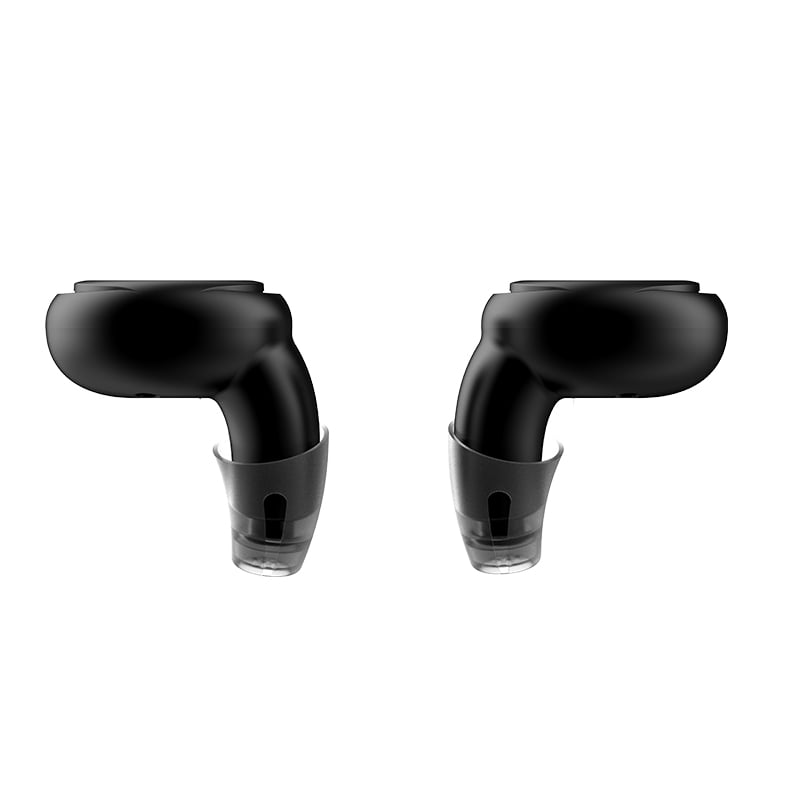
A modern hearing aid factory represents a significant competitive advantage in today's healthcare technology landscape. Contemporary manufacturing facilities combine advanced automation, precision engineering, and quality control systems that fundamentally transform how hearing solutions reach patients and distributors worldwide. Understanding what distinguishes a modern hearing aid factory helps stakeholders evaluate partners, suppliers, and investment opportunities in this rapidly evolving sector.
The hearing aid manufacturing process has evolved dramatically over the past decade. Modern facilities integrate digital design, precision machining, biocompatible materials, and rigorous testing protocols that ensure every device meets strict clinical and regulatory standards. A competitive hearing aid factory operates with vertically integrated capabilities, streamlined logistics, and direct hearing aid factory relationships that reduce costs while improving product quality and delivery speed.
Modern hearing aid manufacturing process capabilities define competitive strength in this sector. Leading factories employ state-of-the-art microprocessor technology, digital signal processing platforms, and automated assembly lines that ensure consistency and reliability across entire production runs. These facilities utilize computer-aided design systems that enable rapid prototyping and customization without sacrificing quality or extending timelines significantly.
Precision manufacturing extends beyond assembly to encompass component validation, acoustic testing, and durability screening. A contemporary hearing aid factory implements real-time quality monitoring, statistical process control, and automated defect detection systems. This systematic approach minimizes rework, reduces waste, and ensures that finished products consistently meet audiological performance standards and regulatory compliance requirements across all global markets.
Modern hearing aid factories prioritize biocompatible materials and hypoallergenic components throughout the manufacturing process. Advanced facilities source specialized polymers, titanium alloys, and medical-grade coatings that withstand prolonged skin contact while maintaining acoustic integrity. These material innovations directly support custom hearing aid production workflows by enabling manufacturers to create devices tailored to individual ear anatomy without compromising safety or durability.
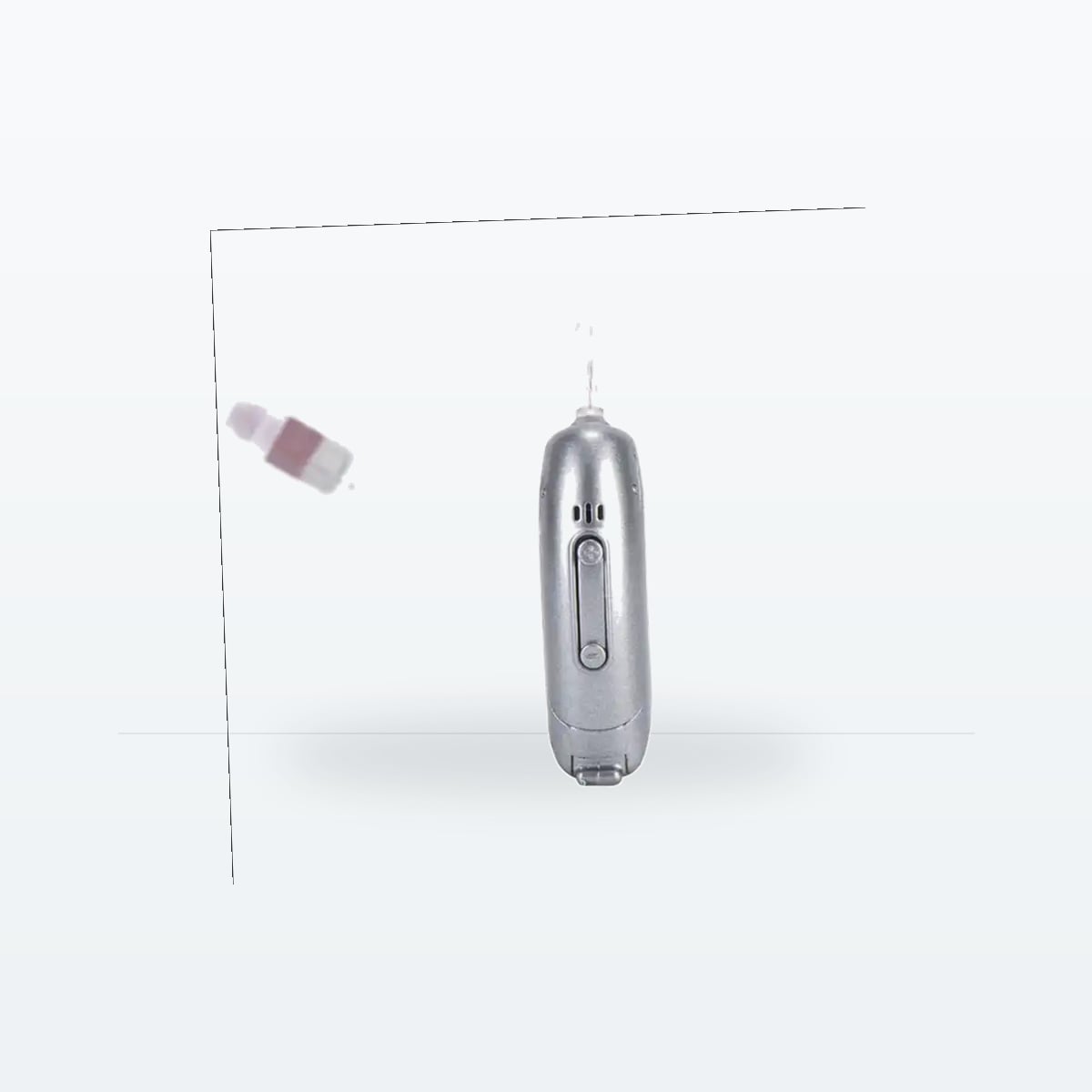
Custom hearing aid production represents a core competitive advantage for modern hearing aid factories. Digital scanning technology, three-dimensional modeling, and precision casting enable manufacturers to create devices that match individual ear canal geometries exactly. This personalization capability improves wearing comfort, reduces feedback issues, and enhances acoustic performance compared to generic solutions.
Advanced factories integrate custom hearing aid production with rapid turnaround capabilities. Modern facilities process custom orders within days rather than weeks, leveraging automated manufacturing workflows and just-in-time inventory management. This responsiveness strengthens relationships with audiologists and hearing care providers who depend on quick fulfillment to serve their patients effectively and maintain competitive market positioning.
A competitive hearing aid factory balances custom hearing aid production volume with consistent quality outcomes. Modern facilities employ modular manufacturing systems that handle low-volume personalized orders alongside high-volume standard production runs. Flexible automation, cross-trained workforce capabilities, and adaptive scheduling systems enable factories to serve diverse customer segments simultaneously without creating bottlenecks or quality degradation.
Modern hearing aid factories strengthen their competitive position through direct hearing aid wholesale distributor relationships. Contemporary facilities maintain regional inventory, offer flexible order quantities, and provide logistics support that simplifies distributor operations. This integration reduces intermediary costs, accelerates market delivery, and enables wholesale distributors to offer competitive pricing while maintaining adequate margins.
Leading hearing aid factories operate robust hearing aid wholesale distributor programs that include technical training, marketing support, and supply chain visibility tools. These comprehensive approaches help wholesale distributors differentiate themselves in competitive markets while strengthening manufacturer loyalty and market share. Real-time inventory tracking, demand forecasting, and flexible payment terms further enhance the value proposition for wholesale partners.
A modern hearing aid factory manages complex international supply chains while maintaining strict regulatory compliance across multiple jurisdictions. Contemporary facilities maintain certifications including ISO 13485, FDA approval pathways, and regional quality standards that enable seamless market access. Sophisticated logistics networks, customs expertise, and documentation management systems ensure that products reach hearing aid wholesale distributors and end markets efficiently while satisfying all legal requirements.
Modern hearing aid factories deliver superior speed, customization capability, and quality consistency through automation, digital design systems, and advanced materials. Older facilities typically rely on manual processes that limit scalability and personalization options. Contemporary factories achieve 95% plus first-pass quality rates while supporting rapid custom hearing aid production cycles that simply were not feasible with legacy manufacturing approaches.
Custom hearing aid production represents a critical differentiator for modern facilities. The ability to manufacture individualized devices quickly enables hearing aid factories to serve diverse patient needs and expand market reach beyond standardized product offerings. This personalization capability strengthens relationships with audiologists and hearing care providers while justifying premium pricing and improving patient satisfaction outcomes across the customer base.
Comprehensive hearing aid wholesale distributor programs directly enhance factory competitiveness and market penetration. Modern facilities provide inventory management support, technical training, marketing resources, and flexible ordering capabilities that help wholesale distributors operate more efficiently. This partnership approach creates mutual value, reduces distribution friction, and enables factories to reach broader markets while supporting distributor profitability and growth objectives.
2026/07/24
Struggling with hearing aid OEM partnerships? Discover the 6 proven steps—from spec alignment to regulatory compliance—that drive product excellence & scalability.
2026/07/22
Discover how hearing aid OEM partnerships speed market entry, cut costs, and enable custom solutions while improving scalability, compliance & private label growth.
2026/07/20
Why are 78% of hearing aid startups choosing OEM manufacturing? Discover how outsourcing accelerates time-to-market, cuts CAPEX, ensures compliance & boosts scalability.
2026/07/14
Discover why 78% of global audiology brands now prioritize long-term hearing aid factory partnerships for supply stability, compliance, and custom innovation.